

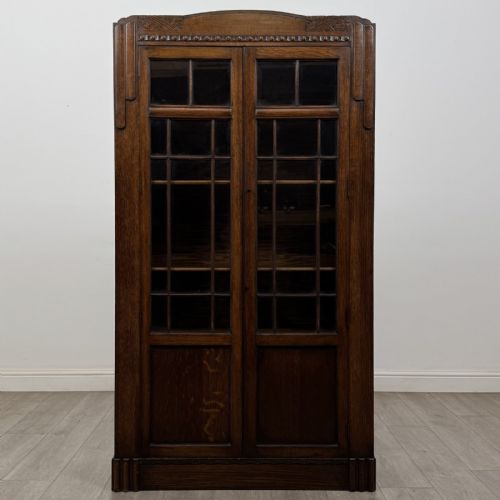
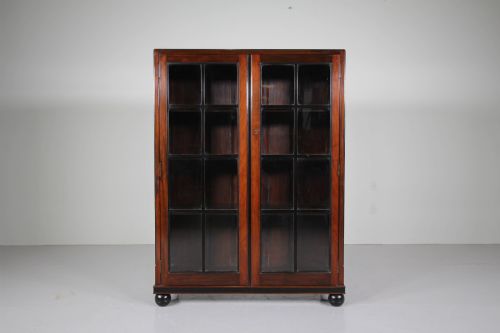
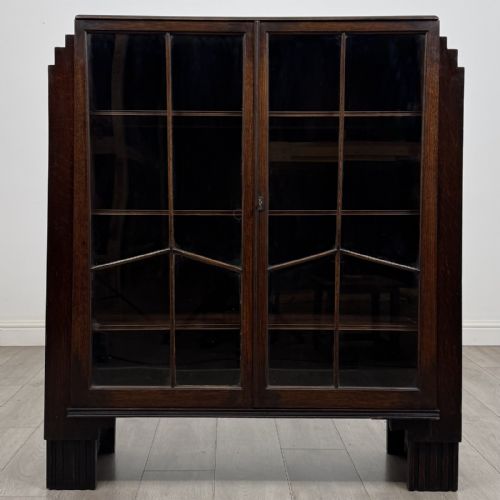
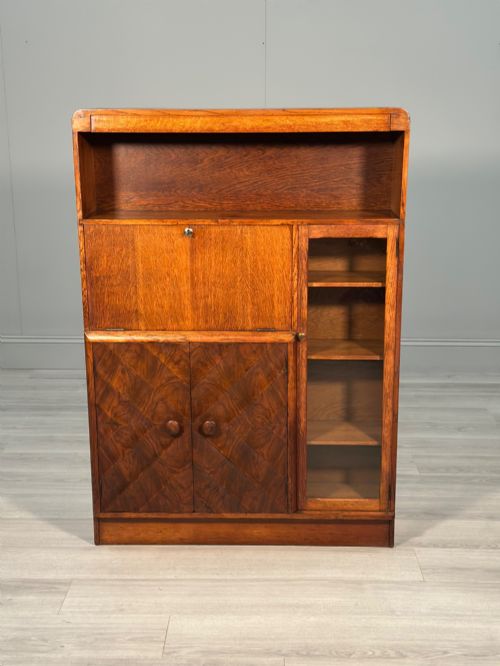

Art Deco Display Cupboard
An art deco display cupboard brings geometric elegance and refined storage to a room, holding glassware and books behind glazed doors.
Art Deco Display Cupboard
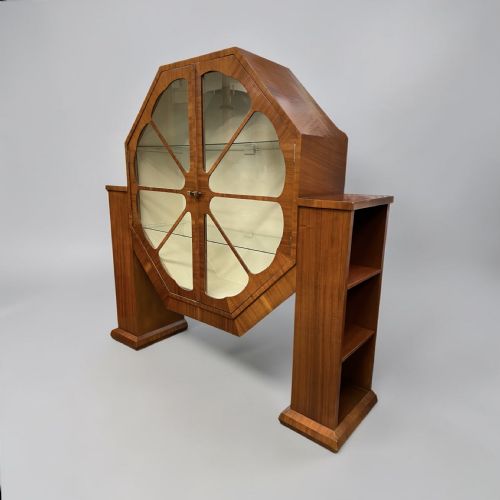
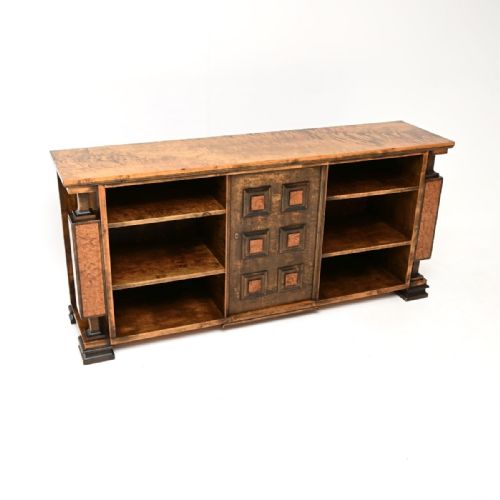
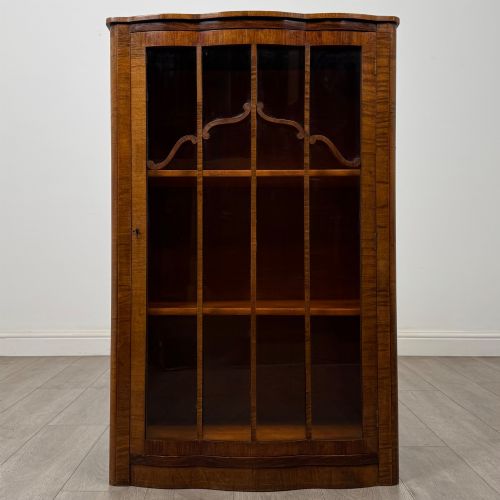
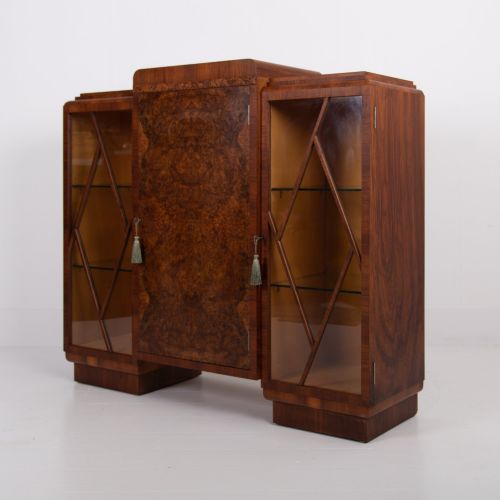
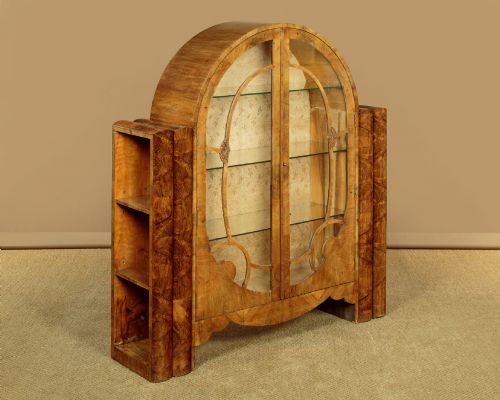
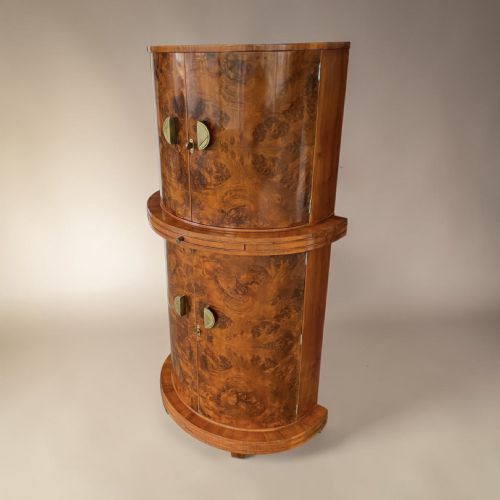
When you search for an art deco display cupboard, you encounter substantial freestanding furniture intended for the exhibition and storage of valued possessions. These pieces primarily date from the 1920s and 1930s, though earlier Edwardian examples also appear on the market. Forms range from straightforward upright display cabinets and bookcases to more unusual circular, oval, hexagonal, octagonal, and clove-shaped configurations.
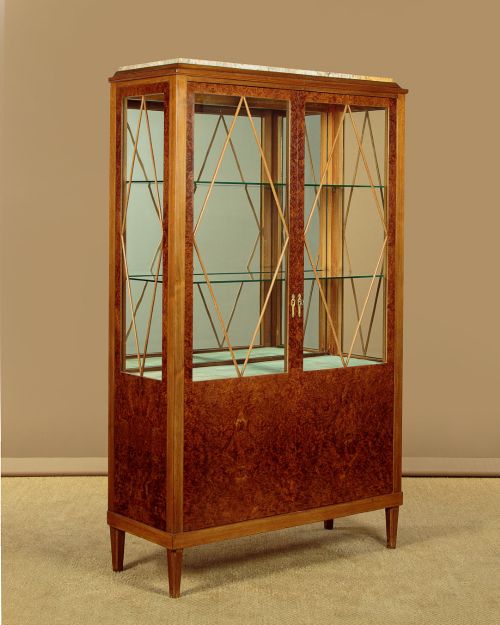
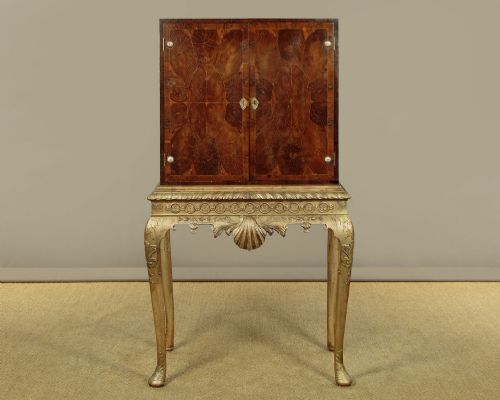
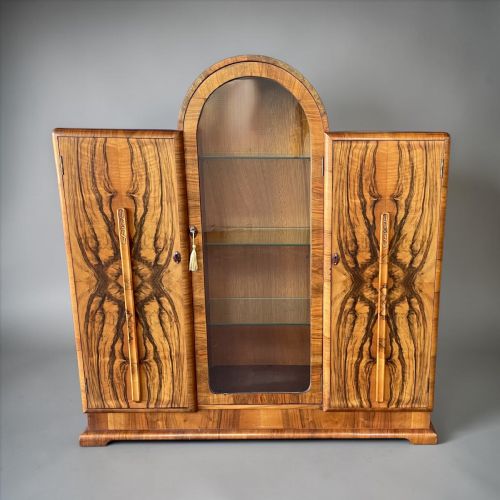
The most common version you meet on this page is the walnut display cabinet from around 1930. These often incorporate matching pairs of glazed doors, corner units, or combined bookcase and cabinet formats. Makers also produced specialised cocktail cabinets and cabinets on stands, utilising distinct shapes to maximise both floor space and visual impact.
Materials and construction methods
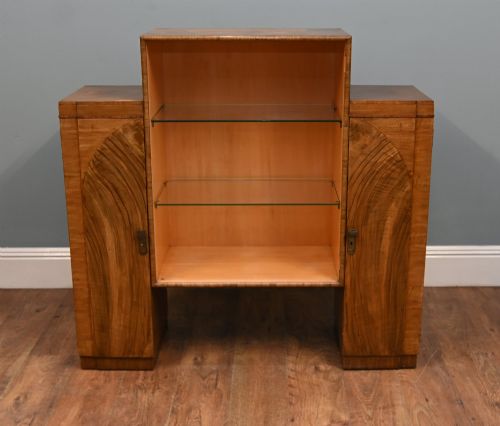
Cabinet makers relied heavily on timber veneers, selecting burr walnut, figured walnut, oak, maple, and satin birch to create striking surface patterns. These woods were laid over sound structural carcasses, sometimes enhanced by contrasting ebonised details, brass mounts, or silver gilt finishes. Glass panels, occasionally leaded, were fitted into doors to protect the contents while maintaining visibility.
Internal joinery involved precise carpentry to support heavier items like books and china. Specialised pieces incorporated fabric linings within the display areas and fitted compartments for drinks storage in cocktail cabinets. Exterior surfaces received high-gloss polishing or painting to accentuate the natural graining of the timbers.
Art Deco Display Cupboard Retail Price Guide 2026
Typical asking prices for art deco display cupboard among the pieces listed under this phrase on Sellingantiques today, from the lower quarter to the upper quarter. They describe what is for sale here now, not the wider market.
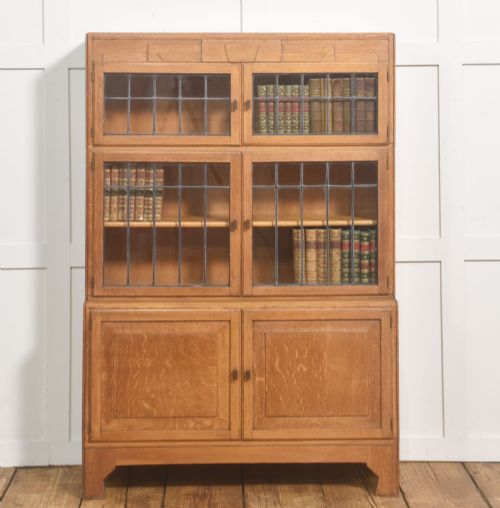
One exceptional oak bookcase carries hand sign-written detail naming the British Broadcasting Company.
Distinctions in craftsmanship and design
The distinction between standard production and superior work rests on the selection of decorative veneers and the ambition of the silhouette. Cabinets featuring book-matched burr walnut, sycamore accents, or complex geometric shapes like octagons and circles demand greater joinery skill than simple rectangular oak bookcases. The integration of specialised hardware, such as custom brass handles and hinges, further elevates a piece.
Makers known for high-end production contribute to the upper tier of the market, where proportion and finish receive meticulous attention. Pieces bearing attribution to recognised workshops demonstrate superior internal fitting and stability. Lesser examples rely on plain timber veneers and standard rectangular formats without inventive detailing.
Rurka·Epstein·Sandberg and Co
The Art Deco Display Cupboard Glossary
- Burr walnut
- A wood veneer taken from the wart-like growths on walnut trees, prized for its swirling, highly decorative grain patterns. It forms the primary visual draw on the exterior doors of many upper-tier cabinets.
- Book-matched
- A technique where adjacent veneer sheets are sliced from the same log and opened like a book, creating a symmetrical mirror-image pattern across the surface of a cabinet door.
- Leaded glass
- Small panes of glass held together by strips of lead cames, frequently seen in the doors of earlier bookcases and cabinets to form geometric grids or decorative motifs.
- Cocktail cabinet
- A specialised furniture form designed specifically for the storage and preparation of alcoholic drinks, usually featuring a mirrored interior, glass shelves, and a drop-down serving flap.
- Ebonised
- Timber treated with a dark stain or finish to imitate ebony, providing a sharp contrast against lighter walnut or oak surfaces in decorative trim.
Art Deco Display Cupboard: Frequently Asked Questions
What is an art deco display cupboard used for?
These pieces were built to store and exhibit precious china, glassware, books, and decorative items behind protective glass doors. Their interiors often keep dust away from delicate collections while presenting them clearly to the room.
Certain specialised variants include cocktail cabinets equipped with drop-down shelves and mirrored compartments for entertaining. This dual purpose of display and concealed storage made them central pieces in 1930s reception rooms.
How do I distinguish 1920s from 1930s cabinets?
Cabinets from the 1920s often retain heavier Edwardian influences, utilising traditional oak or simpler rectilinear forms alongside leaded glass. They can feel more transitional in their adherence to older revival styles.
By 1930, the aesthetic shifted towards more adventurous geometry, such as circular, hexagonal, and octagonal carcases. Makers embraced dramatic figured and burr walnut veneers with minimal carving, letting the grain provide the decoration.
Where should I place a circular display cabinet?
Circular and curved corner cabinets work effectively in rooms where standard rectangular furniture creates awkward blocking. Placing them away from direct sunlight protects the walnut veneers and internal fabric linings from fading.
Because these shapes draw the eye, they function well as standalone statement pieces rather than being crowded against other large furniture. Adequate clearance allows the unusual silhouette to be appreciated from multiple angles.
Are these cabinets suitable for modern homes?
The compact footprints of many upright and corner models allow them to fit easily into contemporary living spaces. Their combination of enclosed storage and glass display sections serves modern organizational needs well.
The rich tones of walnut and oak introduce warmth and texture to minimalist interiors. They mix readily with mid-century modern furniture due to shared modernist design principles.