




Art Deco Ceramic Sculpture
Art deco ceramic sculpture brings stylised human figures, animals and dancers into interior spaces through periods spanning the 1920s and 1930s.
Art Deco Ceramic Sculpture
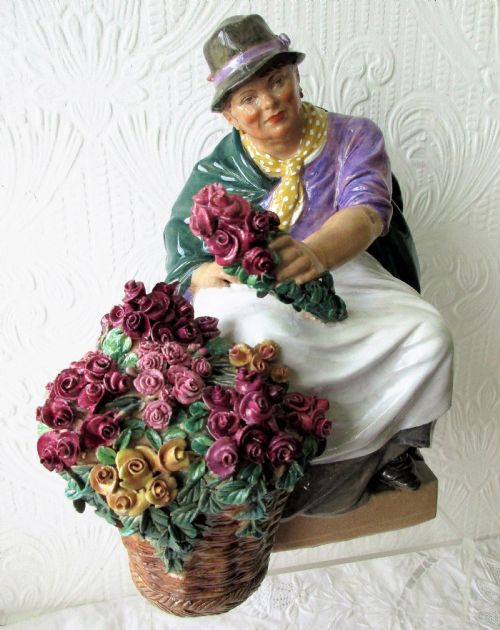
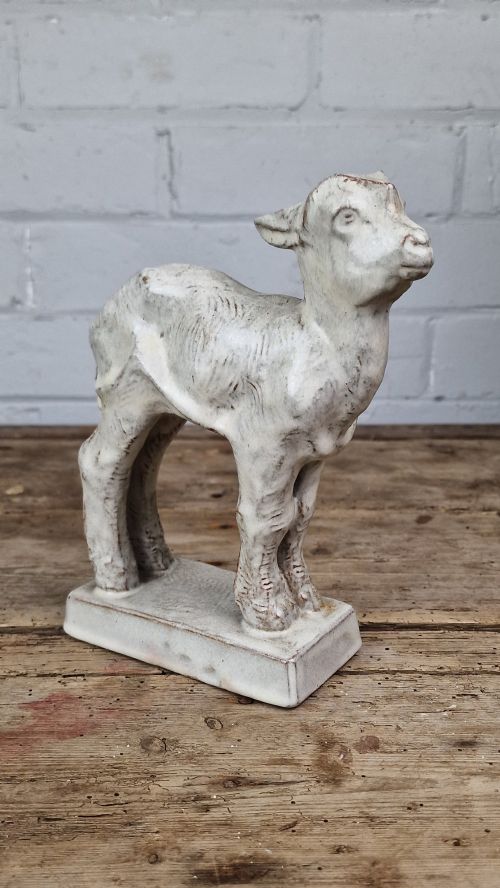
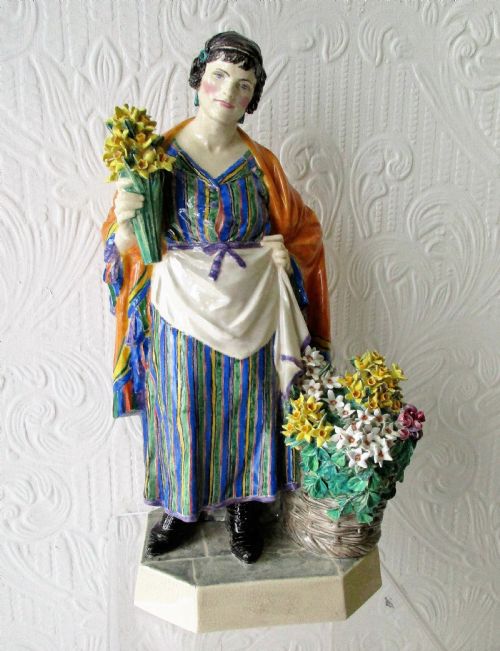
An art deco ceramic sculpture captures the stylised forms, dramatic poses and clean geometric lines characteristic of the interwar period. These pieces frequently depict female dancers, animals such as greyhounds and cats, and portrait busts designed to serve as decorative centrepieces or functional items like lamps.
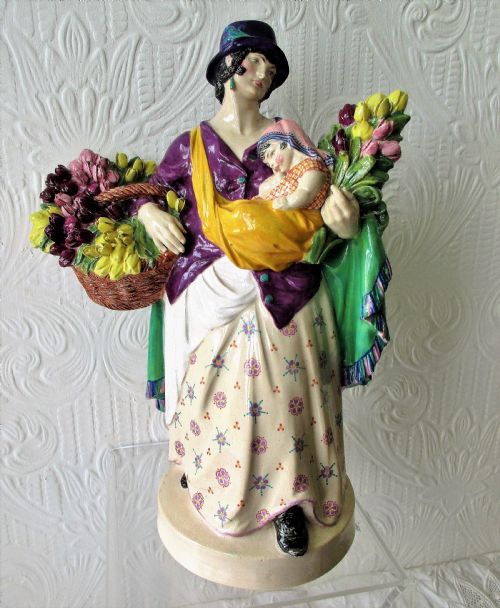
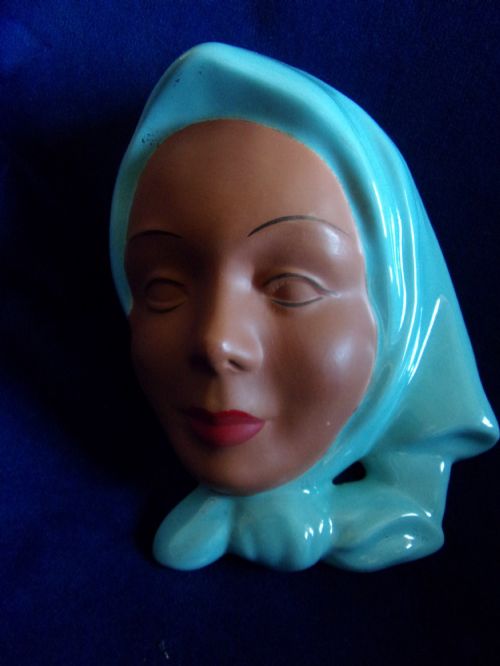
The objects appearing on this page originate predominantly from European workshops and factories active during the 1920s and 1930s, alongside examples from English studios. Forms range from freestanding figurines and wall masques to multi-figure groups mounted on wooden bases.
Makers utilised distinct regional idioms, with French studios focusing on expressive terracotta busts and perfume lamps, while German and Austrian factories produced finely painted porcelain animal models and human figures.
Materials and production methods
Makers shaped these sculptures from various ceramic bodies including porcelain, terracotta, earthenware and stoneware. Terracotta allows for expressive, textured surface detail on busts and animal figures, whilst porcelain provides a smooth, refined base for delicate figurine models.
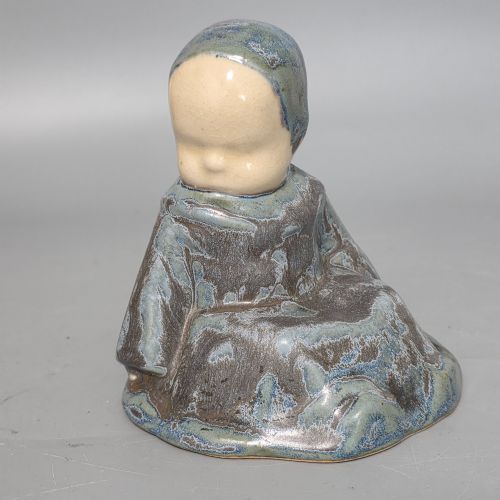
Glazes define the visual surface, ranging from glossy monochromatic finishes in green or maroon-red to elaborate hand-painted details. Certain pieces incorporate secondary elements such as gilding highlights, glass eyes or wooden bases to complete the composition.
Listings feature terracotta, porcelain and earthenware materials shaped into figures, busts and animal models across the 1920 and 1930 periods.
Distinctions in quality
The sophistication of the glaze application and the complexity of the colour palette determine visual depth. Superior examples display controlled firing results and carefully placed gilding that accentuates the sculptural contours without appearing heavy.
Charles Vyse·Berthe Savigny·Paul Scheurich·Gilbert Privat·Rosenthal·Argilor Paris·Theo Voss·Le Manceau·Guido Cacciapuoti·Royal Dux·Karl Tutter·Bohumil Rezl
The Art Deco Ceramic Sculpture Glossary
- Terracotta
- A porous earthenware body fired at relatively low temperatures, widely used for portrait busts and animal models. It accepts surface pigments and patination readily.
- Wall masque
- A ceramic relief sculpture designed to be hung on a wall, depicting a human face or theatrical mask. These items were popular decorative accessories during the interwar decades.
- Perfume lamp
- A functional ceramic vessel featuring a chamber for scented oil and a bulb fitting, allowing heat to diffuse fragrance into a room. They often take the form of figurative sculptures.
- Bisque
- Unglazed porcelain fired once to a porous state, valued for its matte surface texture that mimics marble. It highlights fine modelling details in figurative works.
- Stoneware
- A dense, impermeable ceramic fired at high temperatures, offering durability and a smooth surface. It suits robust sculptural forms and rich glazes.
Art Deco Ceramic Sculpture: Frequently Asked Questions
What subjects do these sculptures represent?
The subjects encompass human figures including dancers, flappers and mothers with children, alongside various animal models such as greyhounds, cats, deer and pheasants. Portrait busts of girls and women also appear frequently.
Many of these forms double as decorative objects or functional items like table lamps and wall masques rather than purely static display pieces.
How do I identify a piece from this period?
Examination of the stylistic lines, attire and facial expressions usually points towards the interwar aesthetic of the 1920s and 1930s. Streamlined geometric forms and characteristic dress styles serve as reliable chronological indicators.
Signatures, impressed marks and factory stamps located on the underside or base provide definitive evidence of origin and maker.
Where were these sculptures manufactured?
Production was centred across several European countries, with notable contributions from French studios, German porcelain factories and Austrian ceramic workshops. English studio pottery also produced distinct figurative pieces during the same decades.
Each region developed specific stylistic tendencies, from the expressive terracotta modelling of French artists to the precise porcelain figures of Central European manufactories.
How should I display them at home?
These sculptures suit placement on flat surfaces such as sideboards, mantelpieces or dedicated display stands where their profiles can be appreciated from multiple angles. Pieces mounted on wooden bases require stable placement away from heavy traffic areas.
Lighting plays a key role in accentuating the glazes, gilding and surface textures characteristic of these ceramic works.