


Antique Night Light Lamp
An antique night light lamp brings a gentle, low-level glow to a room, offering both decorative charm and atmospheric illumination.
Antique Night Light Lamp
An antique night light lamp represents a specialised form of small-scale domestic lighting, designed to provide a soft illumination through the night hours. When searching for an antique night light lamp, buyers encounter pieces that span the nineteenth century through to the mid-twentieth century.
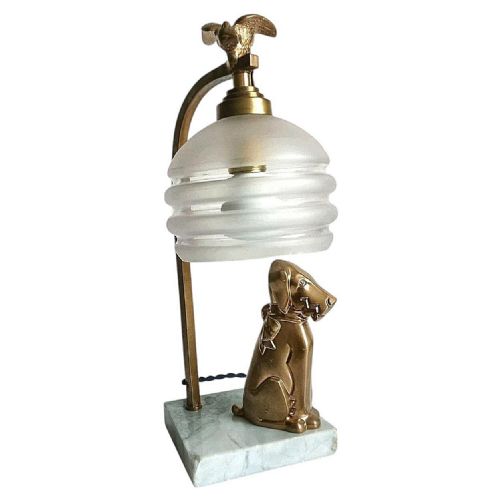
The selections on this page demonstrate distinct stylistic shifts from Victorian novelty designs towards the stylised geometric forms of the Art Deco period. Common configurations include figural subjects mounted on marble bases alongside translucent glass or porcelain shades.
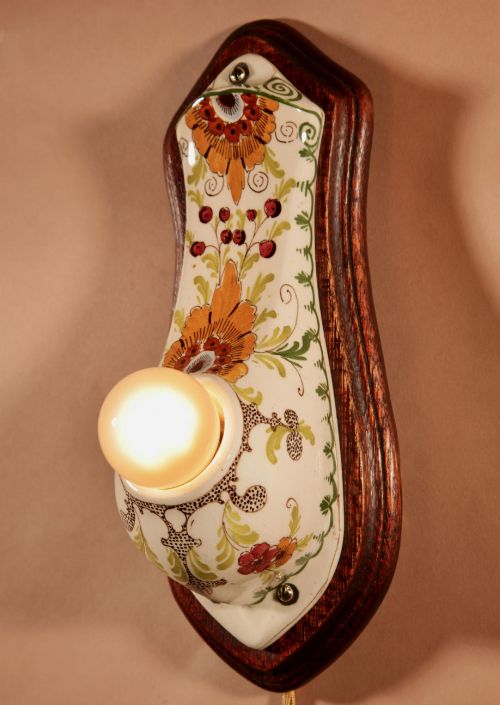
French and German workshops feature prominently among the origins, alongside Dutch ceramic pieces and Grand Tour souvenirs. These items function equally as sculptural ornaments by day and functional low-level lamps by night.
Materials and construction
Makers utilised a combination of metals, ceramics, and carved materials to build these small lamps, pairing heavy bases with delicate shades. Brass, spelter, and bronze provide sturdy foundations, frequently mounted upon slabs of marble or granite to ensure stability.
Porcelain and frosted or opaline glass form the translucent elements through which the light diffuses. Ceramic works from Gouda and factories such as Ernst Bohne & Sohn demonstrate specialised glazing and moulding techniques particular to their regions.
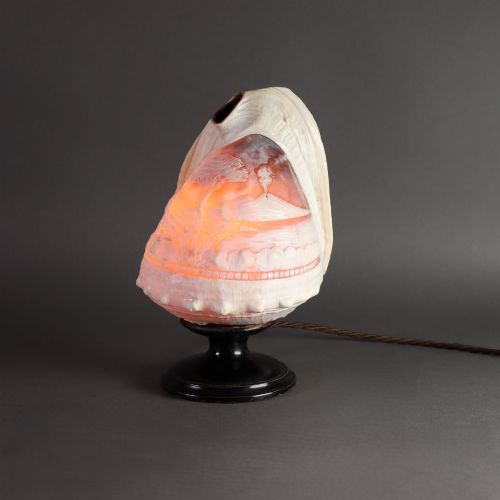
Carved natural materials appear in specific items, notably conch shell cameos depicting classical scenes. Metal figures are cast, chased, and patinated before being secured to their stone bases.
Listings feature periods spanning from the nineteenth century through the 1940s, with a strong representation of Art Deco designs.
Assessing quality and execution
Quality in an antique night light lamp rests upon the crispness of the casting in metal figures and the fineness of the painting on porcelain components. Finer examples display detailed hand-painting and expressive modelling, particularly in figural subjects such as animals and human characters.
The choice and combination of materials also distinguish superior pieces, such as heavy marble plinths paired with mottled opaline glass or well-patinated bronze rather than lighter alloys. The integration of the light source within the sculptural body determines whether the piece succeeds as both a lamp and an ornament.
Ernst Bohne & Sohn·Argilor
The Antique Night Light Lamp Glossary
- Veilleuse
- A French term for a small night light or food warmer, often taking the form of a ceramic figural lamp. These pieces typically comprise a base and a removable upper section.
- Spelter
- A zinc alloy commonly used as a substitute for bronze in decorative figures and lamp bases. It takes patination well but is softer and lighter than true bronze.
- Grand Tour
- A nineteenth-century tradition of cultural travel across Europe, yielding souvenirs such as carved shell cameos and classical bronzes. Objects from this tradition often reflect classical antiquity or Italian landscape views.
- Opaline glass
- A type of semi-translucent glass, often white or pastel-coloured, used to diffuse light softly. It appears frequently in twentieth-century lighting design.
- Plateel
- A Dutch term referring to glazed pottery or ceramics, particularly associated with Gouda and surrounding Dutch production centres from the late nineteenth and early twentieth centuries.
Antique Night Light Lamp: Frequently Asked Questions
What is an antique night light lamp?
An antique night light lamp is a small decorative lighting piece designed to stay lit overnight, providing a subdued glow in a bedroom or hallway.
These pieces often feature figural ceramic or metal sculptures combined with translucent glass shades or porcelain covers.
How were these lamps used originally?
Households placed them in hallways, nurseries, or bedrooms to maintain a minimal level of light through the dark hours. They offered comfort and practical visibility without the harsh glare of full oil or gas lighting.
Many designs also doubled as decorative ornaments during daylight hours, reflecting the popular artistic styles of their respective decades.
How do I date an antique night light lamp?
Dating relies on identifying the prevailing design style, such as Victorian ornamentation, Art Nouveau curves, or Art Deco geometry. Material choices, maker marks, and manufacturing techniques also provide clear indicators of the period.
For instance, spelter figures on marble bases frequently point towards the interwar years, while certain porcelain marks indicate nineteenth-century German or French origin.
Are these lamps safe to use today?
Many antique lamps require rewiring or professional safety checks to meet modern electrical standards before regular use. Buyers should consult a qualified electrician to inspect the internal wiring and bulb fittings.
Preserving the original body while updating the functional electrical components ensures both safety and historical integrity.