



Art Deco Cast Bronze
Art deco cast bronze brings together dynamic sculptural figures, heavy illumination, and functional desk objects from the interwar period.
Art Deco Cast Bronze
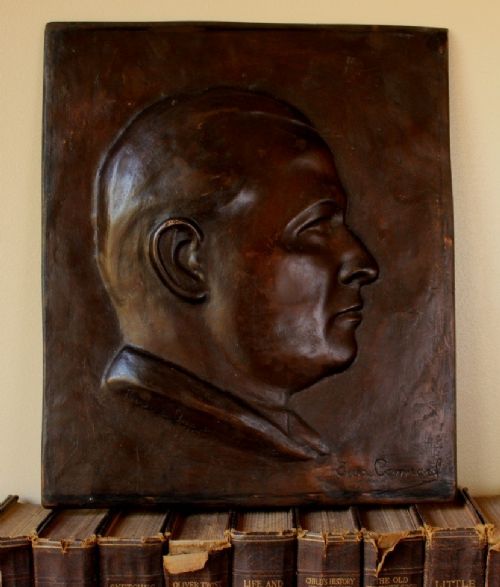
When searching for art deco cast bronze, buyers encounter figures, bookends, lamps, and wall plaques originating predominantly from the 1920s and 1930s. The selection on this page centres on domestic objects and sculpture, spanning animalier subjects, human dancers, and portrait busts.
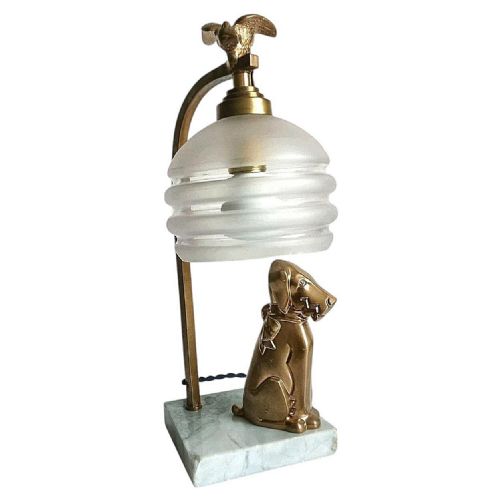
The most common formats met here include animal bookends, figural table lamps, and freestanding sculptures mounted on marble or alabaster bases. These pieces reflect the distinctive streamlined and modernist geometries popularised across Europe and America during the early twentieth century.
Makers and artists working in this idiom ranged from French and Austrian foundries to individual sculptors producing limited editions. Buyers find both monumental casts and smaller desk accessories like inkwells and lighters sharing the same stylistic vocabulary.
How they were made
Art deco cast bronze objects rely primarily on traditional metal casting techniques, frequently utilising the lost-wax method to capture fine details in animal pelts, drapery, and facial expressions. Foundries often combined the bronze elements with contrasting materials such as marble plinths, onyx, or carved alabaster bases.
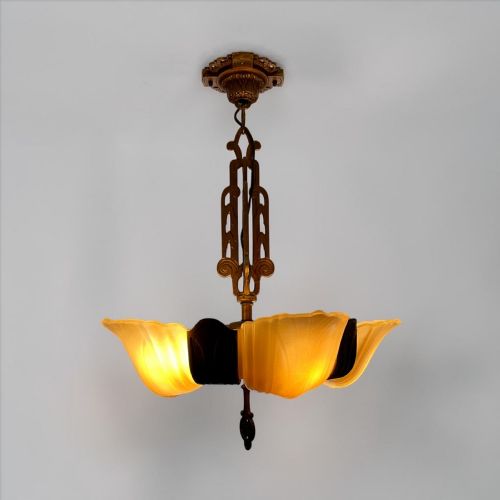
Surface treatments play a vital role in the finish of these pieces, with artisans applying cold-painting, patination, or gilding to enhance the visual depth. Glass components like slip shades, frosted panels, and moulded crystals integrate directly with the cast metal frameworks of lamps and night lights.
Listings feature diverse objects from the 1910s to the 1940s, combining cast bronze with marble, glass, alabaster, and brass.
What varies in quality
The standard of an art deco cast bronze piece depends heavily on the crispness of the chasing and the precision of the surface finish after the metal leaves the mould. Superior examples retain sharp linear definitions in hair, clothing, and geometric borders without soft edges or filled-in details.
Quality also rests in the selection of the mounting materials and the integrity of the joinery between the metal figure and its marble or stone base. Heavier, well-balanced stone plinths and cleanly fitted glass elements indicate superior workshop production compared to lighter composite substitutes.
Eugene Canneel·Franz Gruber·Georges-Charles Coudray·C Omin·Elizabeth Anna Clapp·Josef Lorenzl·Bruno Zach·P.Sega·Melani
The Art Deco Cast Bronze Glossary
- Animalier
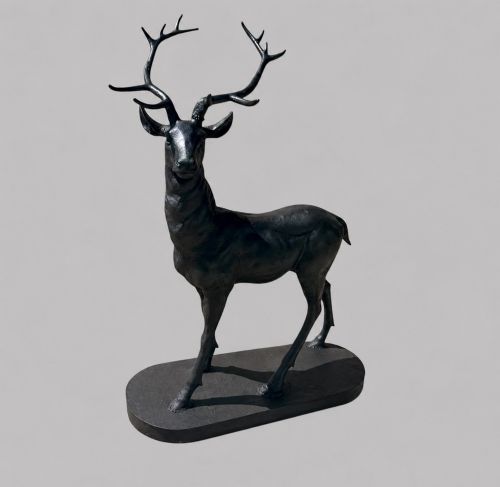
- A nineteenth and early twentieth century artistic focus on the realistic portrayal of animals. In this context, it describes bronzes depicting dogs, stags, greyhounds, and wild cats.
- Cold-painted bronze
- A technique where paint is applied to a finished bronze object without subsequent firing. This method yields vibrant polychrome finishes on small sculptures and bookends.
- Slip shade
- A moulded piece of glass that slides into a metal frame, commonly found in ceiling lights and sconces. These shades diffuse illumination across geometric art deco patterns.
- Spelter
- A zinc-based alloy frequently used as a cost-effective alternative to bronze. It often receives a bronze-coloured finish to mimic heavier metal sculptures.
Art Deco Cast Bronze: Frequently Asked Questions
How do I identify a genuine period cast?
Genuine period pieces display the weight, patination, and casting characteristics typical of early twentieth-century foundry work. Look for natural oxidation patterns and secure mounting pins rather than modern synthetic adhesives.
Examine the signature or foundry marks where present, comparing them against known records from the 1920s and 1930s. The sharpness of the detailing usually distinguishes authentic period casts from later reproductions.
What is the difference between bronze and spelter?
Bronze is a heavy copper alloy known for its durability and capacity to hold fine detail during the casting process. Spelter is a softer, lighter zinc-based metal that was often painted to resemble bronze.
When handling the object, spelter typically feels lighter and shows a more brittle fracture if damaged. Bronze develops a stable, deep patina over decades, whereas spelter paint can flake away to reveal a grey metal underneath.
How should I clean these metal surfaces?
Dust bronze and mixed-media objects regularly with a soft, dry microfibre cloth to prevent particulate buildup. Avoid using commercial metal polishes, abrasive cloths, or liquid cleaners, which can strip away the historic patina.
If the piece includes marble or glass components, clean those specific sections separately with a damp cloth while keeping moisture away from the metal joins and painted surfaces.
Where were most of these items made?
A significant portion of art deco cast bronze production originated in French foundries, particularly around Paris, as well as workshops in Austria. These centres employed skilled artisans who specialised in both large sculptural editions and smaller decorative desk items.
American and British studios also contributed distinct regional designs, particularly in functional lighting and architectural hardware like finger plates during the interwar period.