



Art Deco Tabletop Statue
An art deco tabletop statue brings the kinetic energy and stylised elegance of the early twentieth century directly onto a mantelpiece or desk.
Art Deco Tabletop Statue
An art deco tabletop statue embodies the sculptural ambitions of the interwar decades, capturing dancers, animals, and mythological figures in compact forms. These works range from diminutive bronze casts designed for domestic interiors to striking figures combining mixed metals and ceramics.
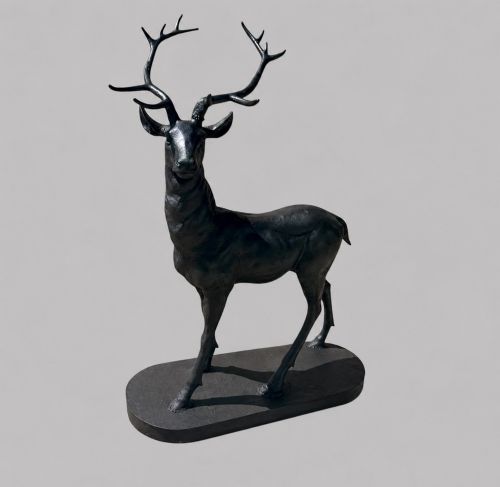
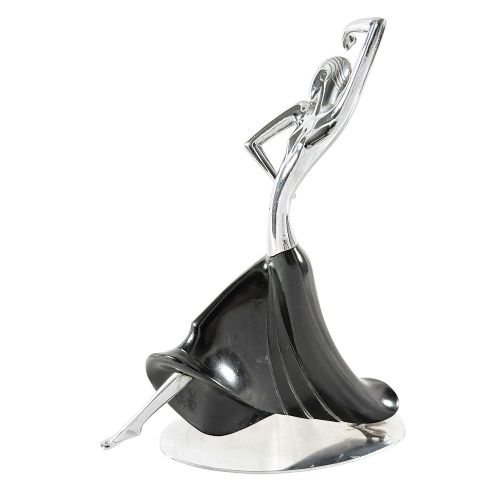
The pieces on this page draw heavily from the nineteen-twenties and nineteen-thirties, with occasional examples extending into the nineteen-forties. Visitors will encounter subjects such as dancers, stags, and pheasants rendered through the distinct visual vocabulary of the period.
Stylistically, the selection bridges classical influences and modernism, including distinct Egyptian Revival motifs alongside pure Art Deco geometry. The physical forms function primarily as standalone sculptures, candle holders, and figural candelabras.
Materials and construction
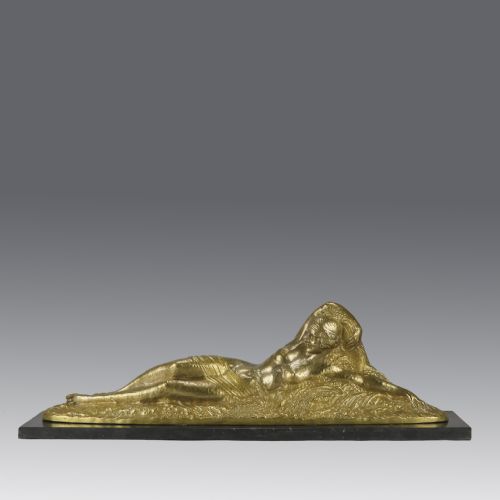
Makers utilised bronze as the primary medium, often enhancing the metal through cold painting, gilding, or patination to create contrasting surface textures. Marble frequently serves as the dense, stable foundation beneath these metal figures.
Alternative materials reflect the industrial experiments of the era, combining chrome plate and painted metal within single compositions. Ceramic and gilt bronze variations introduce alternative surface sheens and colour palettes to the sculptural lineup.
A solitary ceramic pheasant stands among the metals, proving birds needed art deco treatment too.
Distinctions in quality
The integration of the figure with its base demonstrates compositional thought, particularly where bronze meets marble. Heavier, finer-grained marble plinths and substantial metal weight indicate greater original ambition.
Pierre le Faguays·Demetre Chiparus·Georges-Charles Coudray·Alexandre Kelety·Elizabeth Anna Clapp·Bruno Zach·Mario Korbel
The Art Deco Tabletop Statue Glossary
- Cold painted
- A method where non-fired paint is applied to a bronze sculpture after casting. This technique requires skilled brushwork to achieve intricate costume details on figures.
- Patination
- The chemical treatment of a metal surface to produce a specific colour or aged appearance. It protects the bronze while defining the tonal depth of the sculpture.
- Egyptian Revival
- A design style inspired by archaeological discoveries in North Africa that integrates pharaonic motifs into twentieth-century objects. It appears frequently in decorative metalwork and candelabras from the period.
- Candelabra
- A branched decorative stand built to hold multiple candles, sometimes incorporating figural statuary. These functional objects combine illumination with sculptural presence.
Art Deco Tabletop Statue: Frequently Asked Questions
What is an art deco tabletop statue?
An art deco tabletop statue is a compact decorative sculpture produced predominantly between the nineteen-tens and nineteen-forties. These pieces celebrate modern dynamism through depictions of dancers, animals, and stylized human forms.
Created to sit on furniture rather than floor pedestals, they utilise materials like bronze, marble, and chrome to reflect interwar aesthetic values.
How were cold painted bronzes made?
Makers applied non-fired pigments directly onto the surface of a cast bronze sculpture to introduce colour to garments and hair. This technique allowed for vibrant, detailed finishes that contrasted with the dark metal underneath.
The durability of the finish relies heavily on the original preparation of the bronze surface before painting.
How do I style a tabletop statue at home?
These sculptures suit placement on flat surfaces like mantelpieces, sideboards, or large desks where their profiles can be appreciated from multiple angles. Pairing them with minimalist surroundings lets the geometric lines and metallic surfaces stand out.
Ensure the weight of the marble base is adequately supported by the furniture piece chosen for display.
What is Egyptian Revival style?
Egyptian Revival is a decorative movement that borrows visual motifs from ancient Nile civilisations, including architectural silhouettes and symbolic ornamentation. In sculpture, this translates into figures adorned with pharaonic dress or holding ceremonial objects.
The style experienced a major resurgence following twentieth-century archaeological excavations.