


Vintage Dancer Bronze Statue
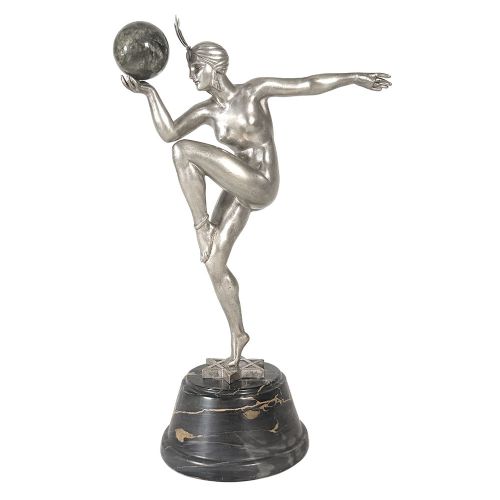
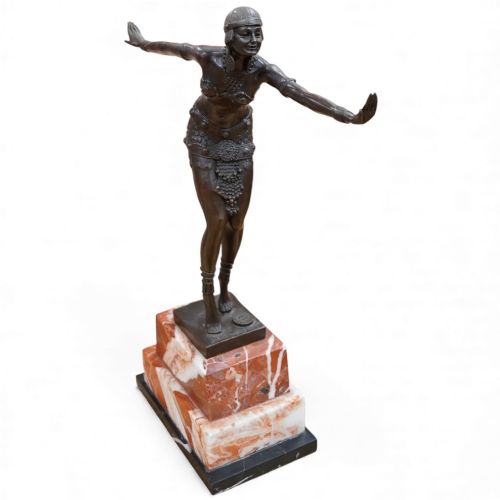
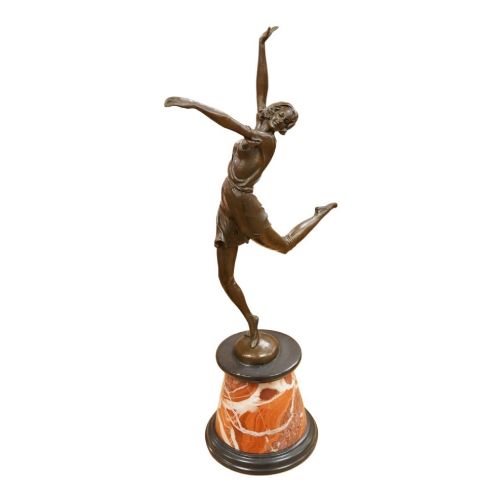
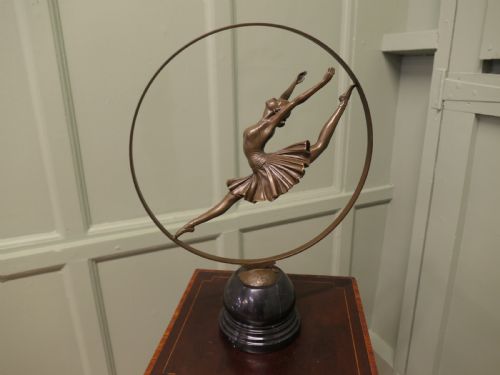
These vintage dancer bronze statue pieces bring the kinetic energy of the early twentieth century into a room with slender figures caught mid-movement.
Vintage Dancer Bronze Statue
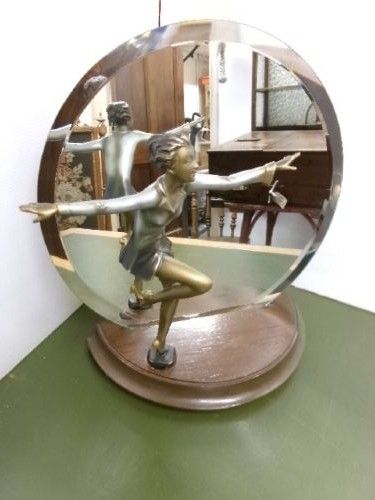
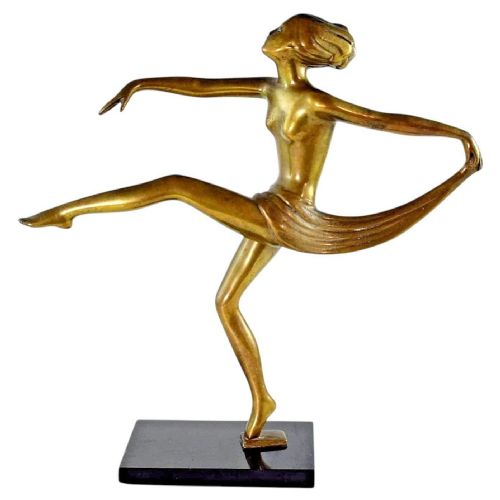
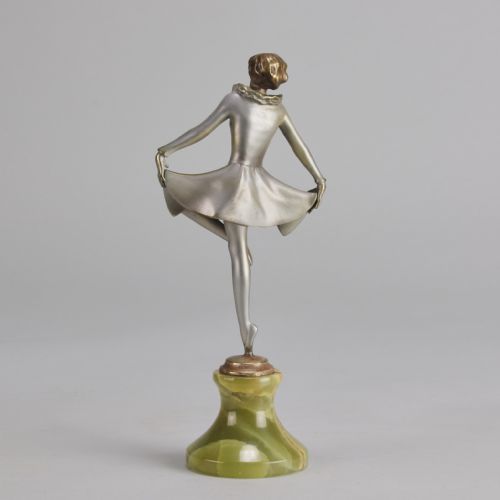
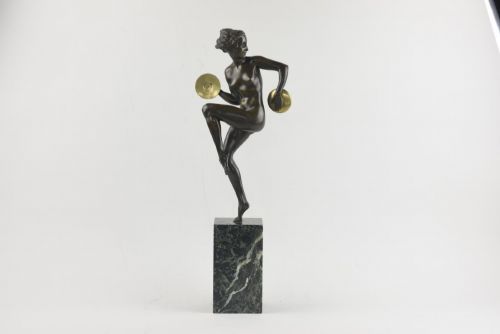
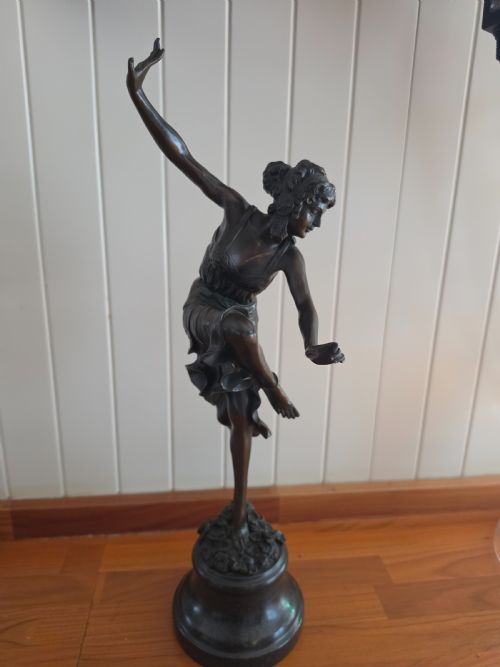
A vintage dancer bronze statue captures female figures in motion, often adopting poses from ballet, cabaret or exotic dance. Most examples originate from the early twentieth century, spanning the nineteen-hundreds through the nineteen-thirties.
The prevailing aesthetic on this page is Art Deco, though earlier Art Nouveau sensibilities appear among the offerings. Figures take the form of freestanding table sculptures, figural lamps and occasional table lighters.
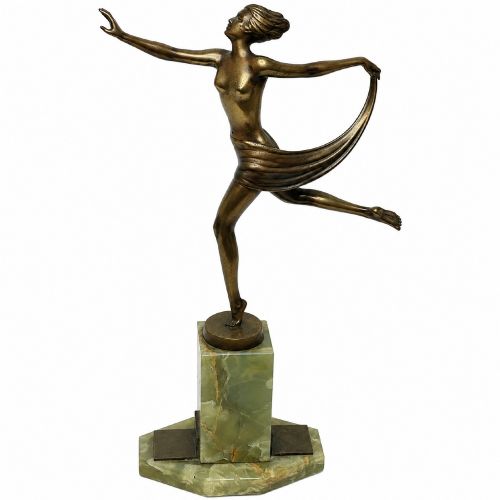
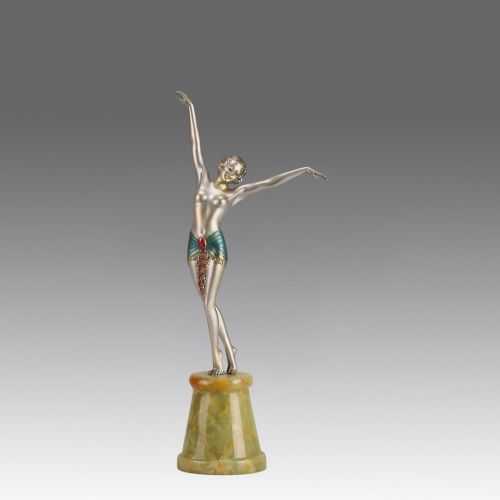
Many works portray named subjects or character studies such as Egyptian dancers, ballerinas and scarf dancers. They stand most frequently upon heavy geometric plinths of marble or onyx.
How they were made
Foundries produced these sculptures primarily using the lost-wax method for bronze casting, which captured intricate details in drapery, limbs and facial expressions. Alternative pieces utilise spelter, a cheaper zinc alloy, finished with patination to simulate heavier metal.
Surface treatments include cold painting, where enamel is applied to unheated metal, along with gilding and silvering. Bases of carved marble, onyx or glass anchor the slender metallic figures for stability.
Materials across these listings span bronze, spelter, marble, onyx, glass, and cold-painted finishes.
What varies in quality
The fidelity of the casting dictates the sharpness of detail in fingers, hair and costume folds, distinguishing finely chased bronzes from softer spelter alternatives. Signatures or foundry marks from known sculptors elevate the standing of a piece within the field.
The choice of base material influences the overall balance and proportion, with deeply veined multi-colour marble or onyx plinths outperforming simpler mounts. The preservation of original cold-painted surfaces or gilding remains central to the integrity of the object.
Pierre le Faguays·Josef Lorenzl·C J R Colinet·D H Chiparus·Maurice Guiraud Riviere·Paul Philippe·Pierre Laurel·Rene Andre Varnier·Paul de Boulogne
The Vintage Dancer Bronze Statue Glossary
- Bronze
- An alloy of copper and tin traditionally used for enduring figurative sculpture. It takes patination and fine chiselling exceptionally well.
- Spelter
- A zinc-based alloy utilised as an economical substitute for bronze. It appears frequently in figures from the nineteen-thirties.
- Cold-painted
- A technique where non-fired paint is applied directly to metal surfaces. It requires careful handling to prevent flaking over decades.
- Chryselephantine
- A term describing statues combining metal and ivory. This method was favoured by Art Deco sculptors for rendering flesh and garments.
- Patination
- The chemical colouring applied to the surface of metal. It produces deliberate tones ranging from deep brown to metallic green.
Vintage Dancer Bronze Statue: Frequently Asked Questions
What materials make up these statues?
The primary medium is bronze, though many works utilise spelter as an alternative metal. Bases are typically constructed from marble or onyx.
Surface details often incorporate cold painting, gilding, or silvering. Some select pieces combine metal with carved ivory elements.
How do I identify an Art Deco dancer?
Art Deco pieces display stylised geometric forms, streamlined clothing, and elongated human proportions. The poses reflect contemporary dance movements of the early twentieth century.
Signatures or foundry marks frequently appear near the base of the sculpture. Plinths are usually stepped or angled in typical nineteen-thirties fashion.
Where should I place a bronze statue?
These sculptures suit stable surfaces such as sideboards, mantelpieces, or dedicated display cabinets. Their heavy marble bases provide natural stability on flat furniture.
Keep pieces away from direct heat sources and strong sunlight to protect painted surfaces. Proper placement allows the slender silhouettes to be viewed clearly from multiple angles.
How do I care for cold-painted bronze?
Dust the surface gently with a soft, dry brush to remove settled particles. Avoid using liquid cleaners, polishes, or damp cloths, which can damage delicate paint.
Maintain a stable indoor humidity level to prevent metal corrosion. Gentle handling preserves the original finish on vulnerable extremities.