



Bronze Dancing Figure
When you search for a bronze dancing figure, you are stepping into a lively world of cast metal sculpture that captures movement across centuries.
Bronze Dancing Figure
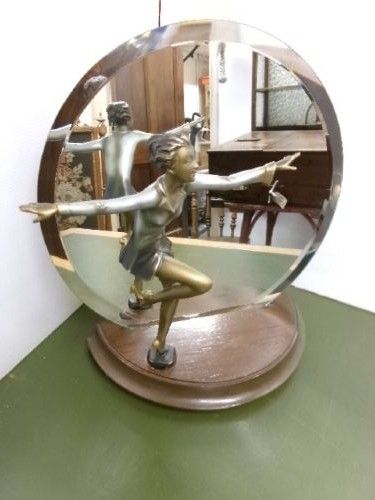
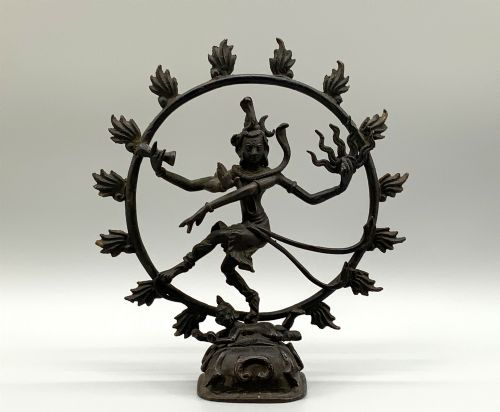
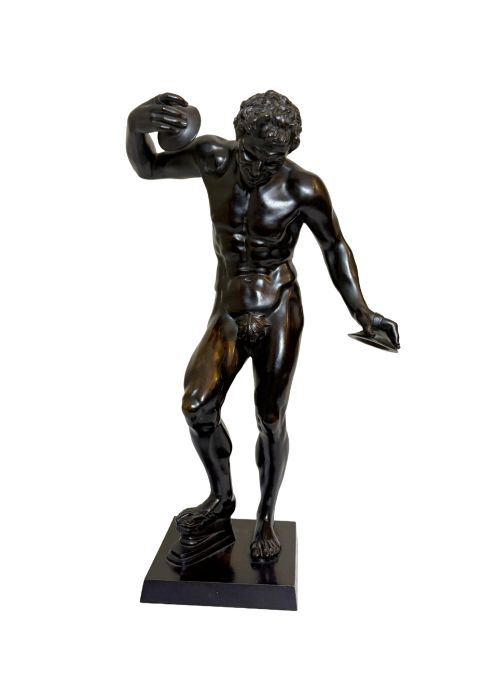
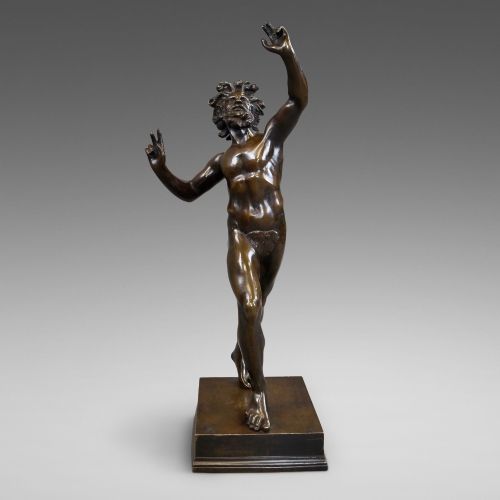
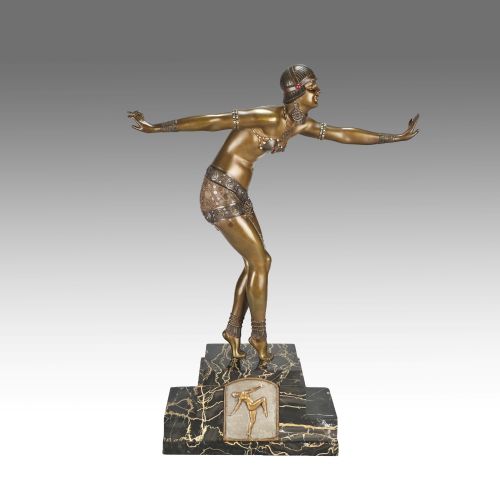
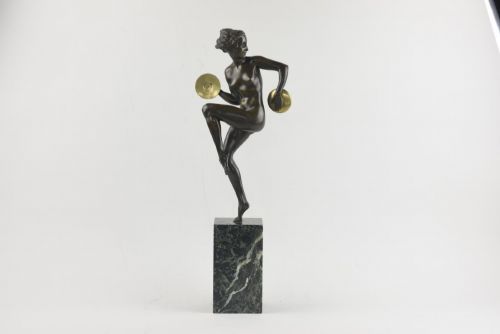
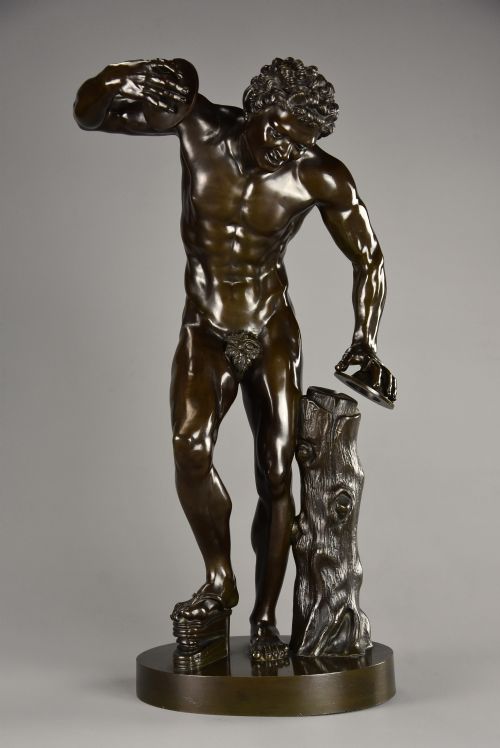
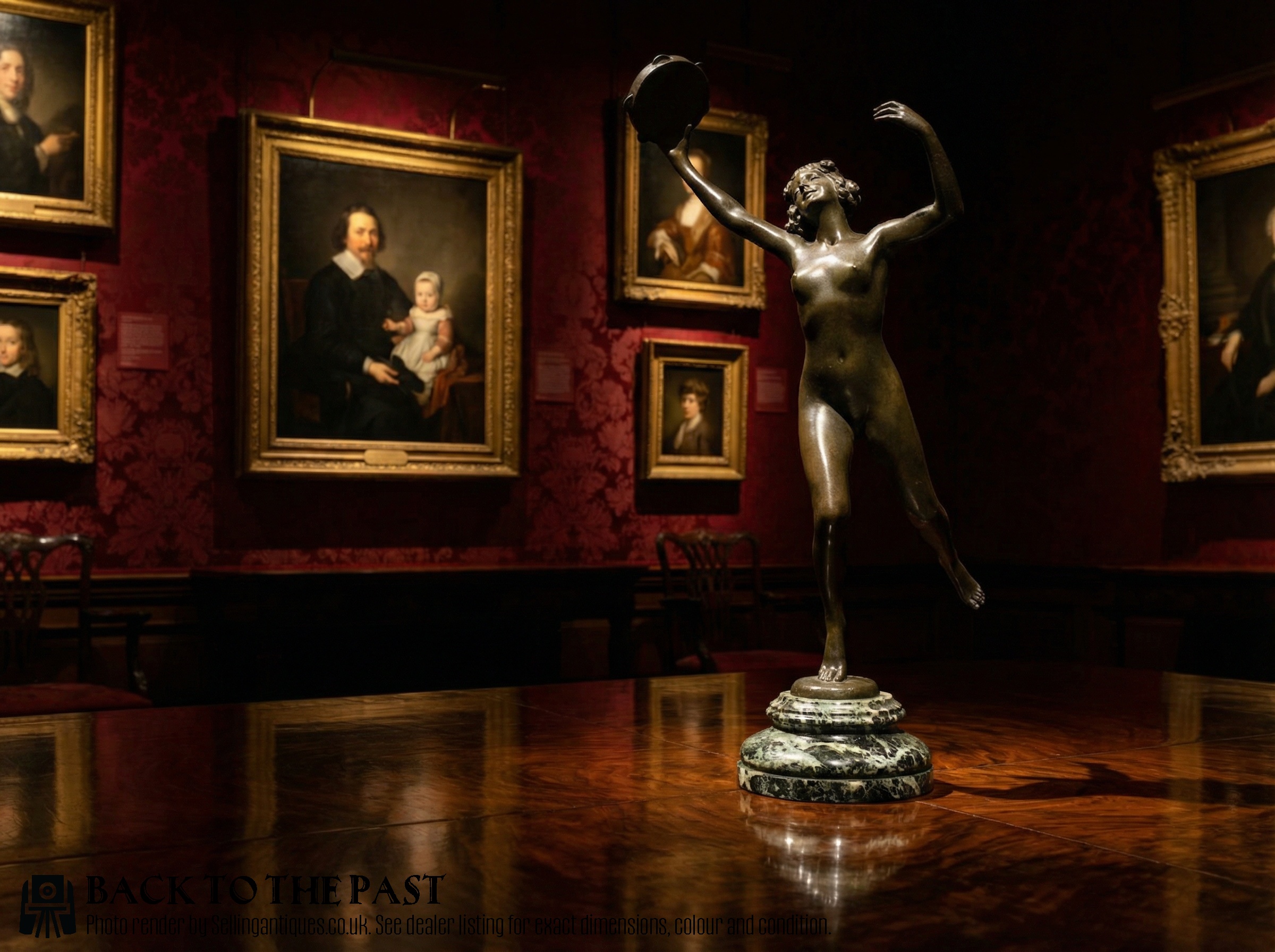
A bronze dancing figure brings kinetic energy into static form, capturing human and mythological movement in cast metal. These sculptures range from classical antiquities and Grand Tour souvenirs to distinct Art Deco creations.
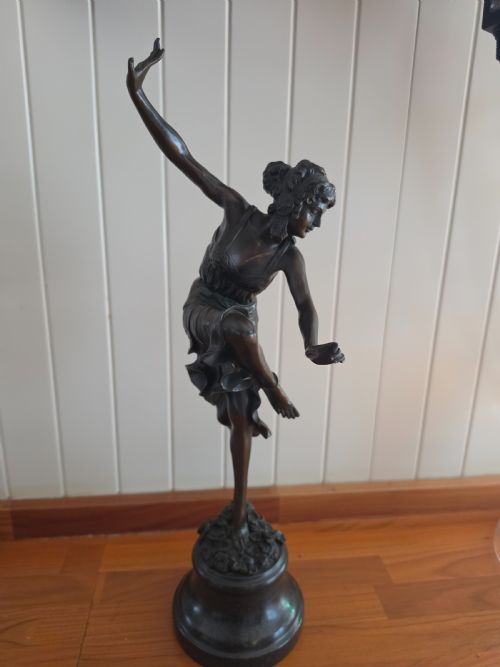
The most common examples you will encounter span the nineteenth century and the early twentieth century. These pieces capture dancers, maidens, and mythological figures mid-motion, often mounted upon stone bases.
Makers drew inspiration from ancient ruins, classical mythology, and the modern ballets and cabaret stages of the interwar years. Every era brought its own interpretation of posture and rhythm to the metal.
How they were made
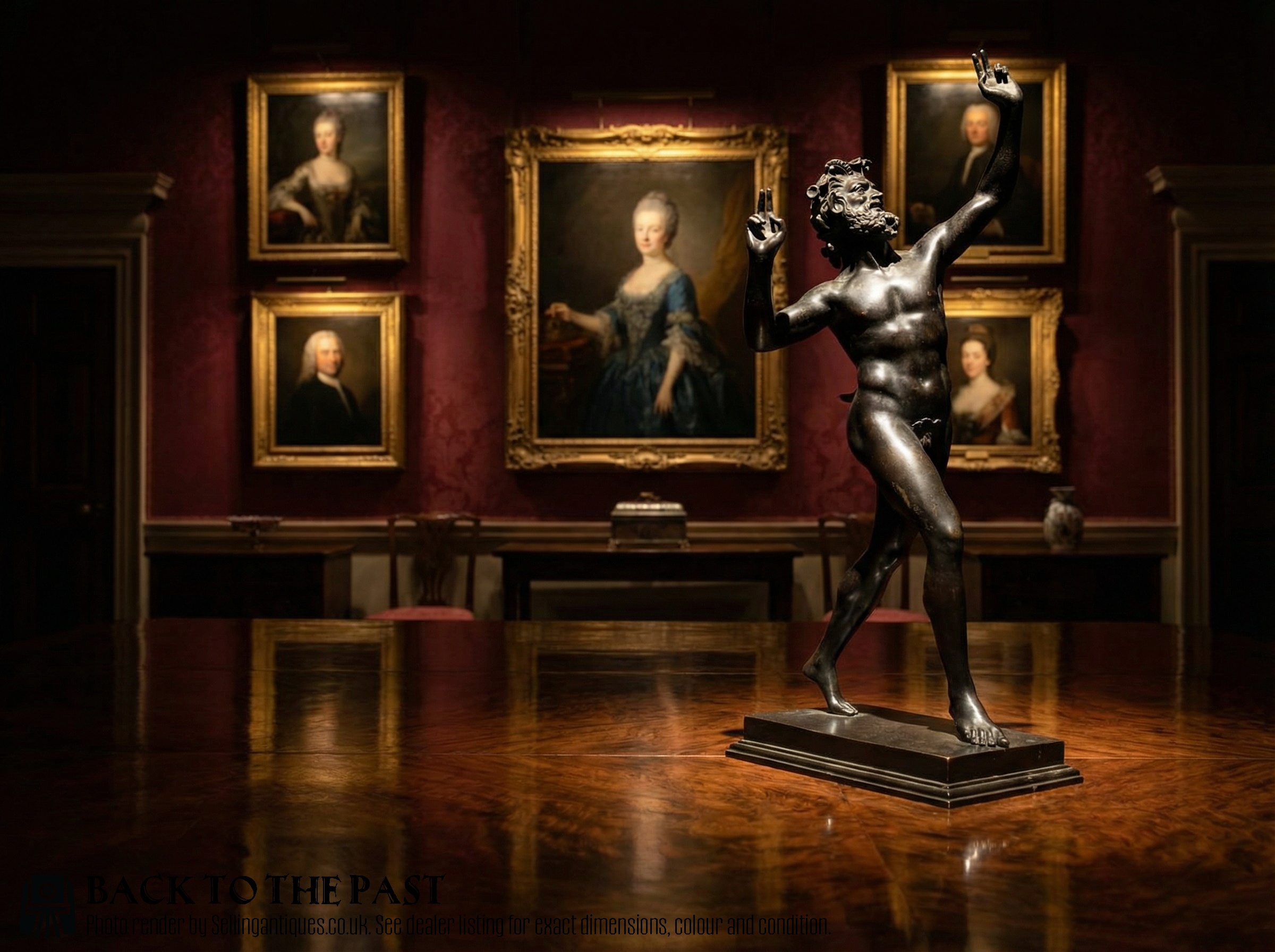
Foundries utilised the lost-wax casting method to render intricate details in solid bronze, capturing flowing drapery and musculature. Artisans then applied various chemical patinas, silvering, or gilding to achieve specific surface finishes.
Many figures from the interwar period paired cast bronze or spelter with heavy natural stone bases such as marble and onyx. These contrasting materials provided stability and architectural weight to dynamic, slender compositions.
Base materials recorded in the evidence include green-veined marble, black onyx, and plain circular bronze plinths.
What varies in quality
The depth and consistency of the patination indicate the care taken during production. Superior examples display subtle tonal variations across the bronze surface rather than a flat, uniform coating.
Demetre Chiparus·Josef Lorenzl·Pierre le Faguays·Bruno Zach·Clodion
The Bronze Dancing Figure Glossary
- Patina
- The surface coloration or sheen developed naturally over time or applied chemically by the foundry. This finish protects the metal and defines the visual texture of the sculpture.
- Grand Tour
- A cultural journey undertaken by wealthy Europeans in the eighteenth and nineteenth centuries. Souvenirs purchased on these trips often included small bronze reductions of classical antiquities.
- Spelter
- A zinc alloy commonly utilised as a cost-effective alternative to bronze during the Art Deco period. These figures were usually painted or electroplated to simulate the appearance of genuine bronze.
- Lost-wax casting
- A traditional method where a wax model is melted out of a mould to leave a cavity for molten metal. This technique allows for high levels of sculptural detail and undercut forms.
Bronze Dancing Figure: Frequently Asked Questions
How do I clean a bronze sculpture?
Dust the figure gently with a soft, dry brush to prevent the accumulation of grit in crevices. Avoid using water, household cleaners, or abrasive cloths that can strip the original patina.
Apply a very thin coat of microcrystalline wax periodically if the metal appears dry. Buff the surface lightly with a clean cloth to maintain a protective barrier against atmospheric moisture.
How can I tell bronze from spelter?
Examine the underside or any areas of wear for the underlying metal colour. Spelter typically shows a dull grey or silvery tone beneath the surface finish, whereas bronze reveals a warm golden-brown copper alloy.
Bronze feels noticeably heavier and colder to the touch than spelter. Spelter is also softer and more brittle, making it prone to bending or snapping at thin structural points.
What is a Grand Tour souvenir?
These were small-scale bronze copies of famous classical statues purchased by travellers visiting Italy and Greece. Artisans in Naples and Rome cast these reductions to satisfy the demand for portable classical art.
Subjects frequently included dancing fauns and mythological figures discovered at Pompeii. These souvenirs offer a direct link to nineteenth-century collecting habits and classical revival tastes.
Where should I display my figure?
Place the sculpture on a sturdy, level surface away from direct sunlight and sources of heat. Wooden or marble mantelpieces, bookcases, and dedicated display tables provide stable environments.
Ensure the piece is positioned where accidental knocks are unlikely, particularly for figures with delicate outstretched limbs or heavy stone bases. Good ambient lighting helps reveal the subtle tones of the patination.