

Art Deco Cabinet
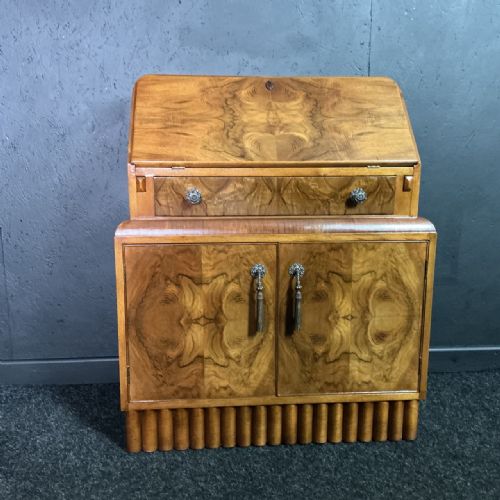
An art deco cabinet brings geometric line and figured timber into a room, serving as a storage piece defined by the interwar years.
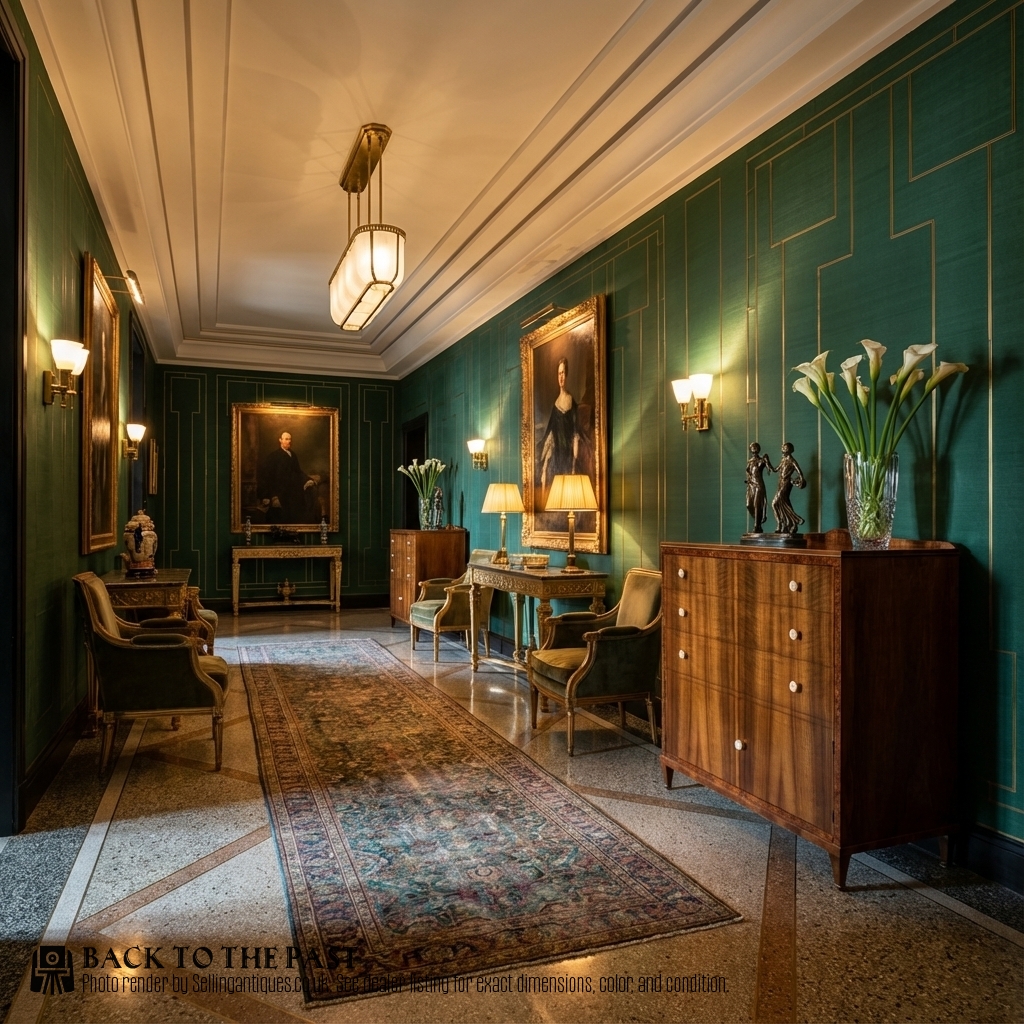
Art Deco Cabinet
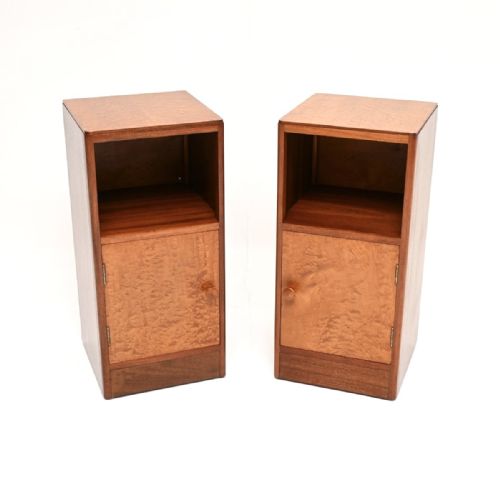
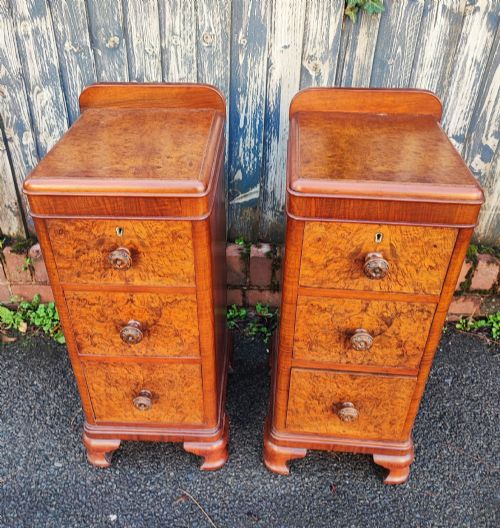
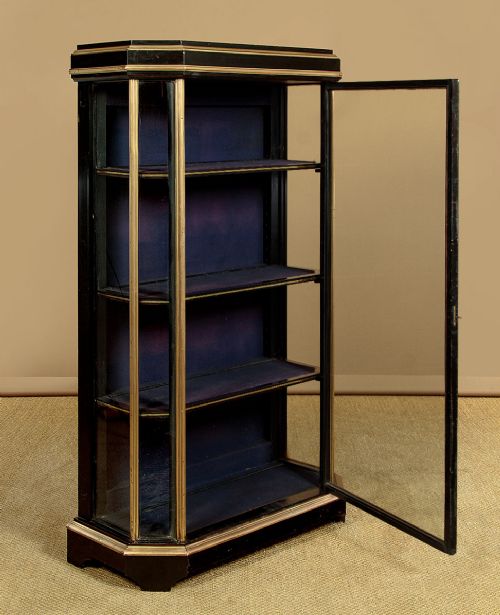
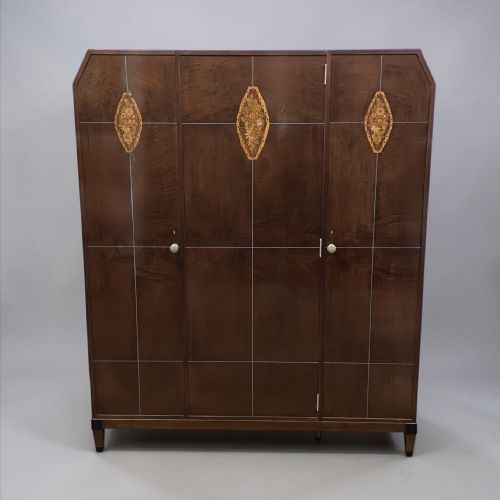
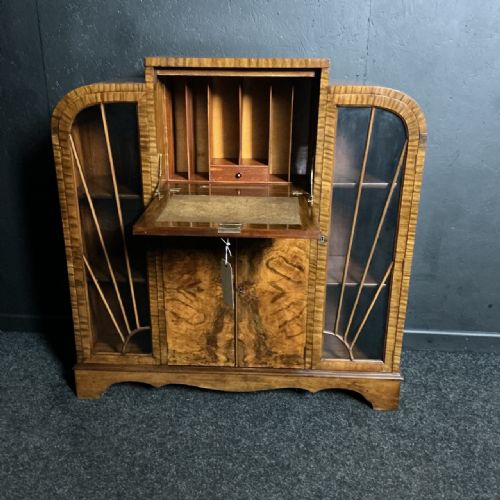
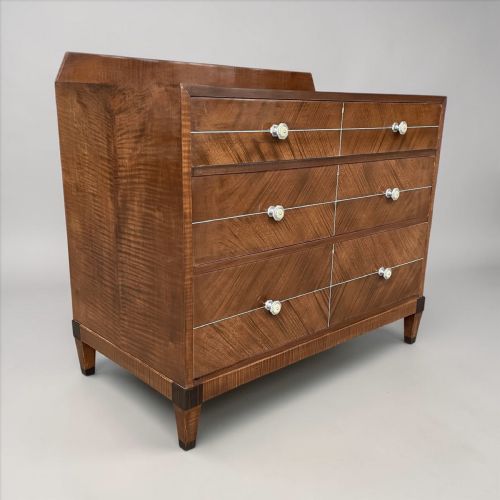
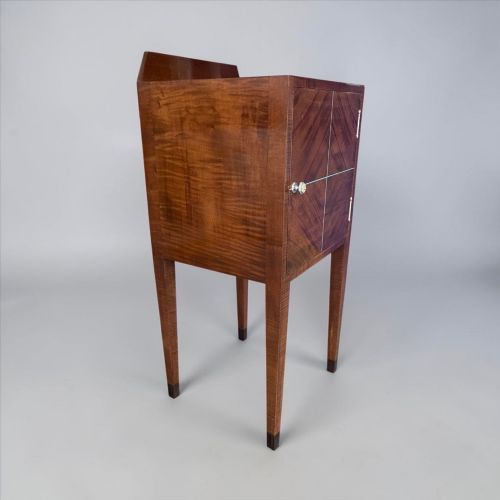
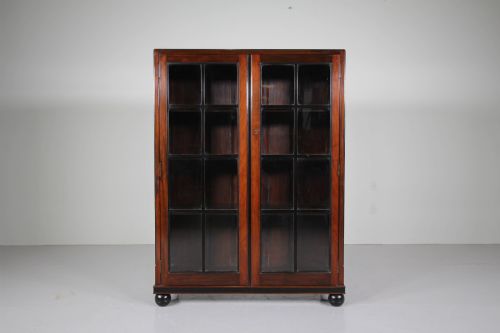
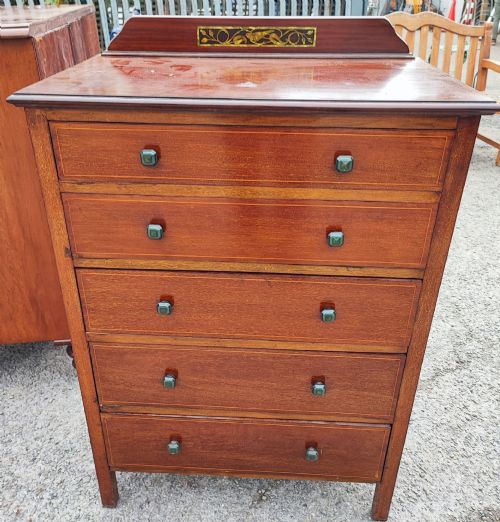
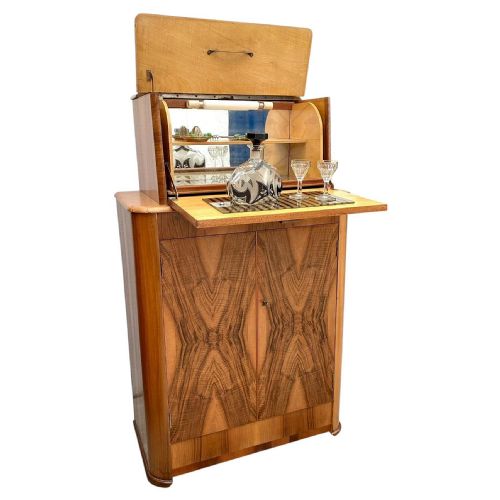
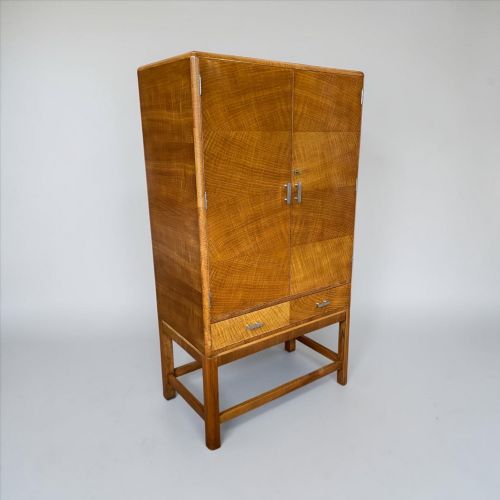
An art deco cabinet encompasses a varied group of storage furniture, most frequently seen here as sideboards, cocktail cabinets, and display pieces originating primarily from the 1920 and 1930 periods. These items range from French glazed display cases to British sideboards and bedside tables, reflecting the broader design movements of the interwar decades.
How they were made
Makers constructed these cabinets using a foundation of solid woods such as oak and mahogany, overlaid with decorative veneers including burr walnut, figured walnut, and maple. These timber surfaces were frequently paired with contrasting secondary woods like sycamore and satin birch to highlight geometric panels and curved silhouettes.
Metal components played a structural and decorative role, with brass and chrome handles, hinges, and strips accentuating the exterior. Glass was integrated into doors for display cabinets and bookcases, while leaded glass and mirrored sections appeared on specific sideboards and cocktail units.
Art Deco Cabinet Retail Price Guide 2026
Typical asking prices for art deco cabinet among the pieces listed under this phrase on Sellingantiques today, from the lower quarter to the upper quarter. They describe what is for sale here now, not the wider market.
The listings span the Edwardian era, 1920, 1930, and 1940, incorporating walnut, oak, mahogany, satin birch, chrome, and brass.
What varies in quality
The choice of timber veneer dictates much of the distinction in these pieces, particularly the grain selection seen in figured walnut and burr walnut surfaces. Finer examples display carefully matched grain patterns across multiple doors and drawers, demonstrating precise planning by the cabinet maker.
Hardware and secondary materials also separate standard production from more ambitious work, visible in the weight of brass or chrome mounts and the complexity of fitted internal compartments for drinks or storage. The integration of contrasting woods like sycamore further distinguishes the execution of individual pieces.
Maurice Adams·Bruno Zach·Harry and Lou Epstein·Gomme
The Art Deco Cabinet Glossary
- Burr walnut
- A wood veneer taken from the wart-like growth on a walnut tree, prized for its swirling, intricate grain patterns. It forms the primary decorative surface on many interwar sideboards and cocktail cabinets.
- Tallboy
- A tall piece of furniture combining a wardrobe and drawers, or a chest of drawers stacked high. These items maximise vertical storage space in bedrooms.
- Sycamore
- A pale hardwood often used for contrasting interior details or stringing within cabinet construction. Its light tone complements darker veneers like walnut.
Art Deco Cabinet: Frequently Asked Questions
What is an art deco cabinet used for?
These pieces serve practical storage roles throughout the home, functioning as sideboards for dining rooms, bookcases for studies, and bedside tables for bedrooms. Fitted cocktail variants specifically accommodate glassware and bottles behind lockable doors.
Many examples also provide display space behind glass panels for collectibles and decorative objects, combining enclosed storage with visual exhibition.
How do I identify a 1930s cabinet?
Pieces from this decade typically feature geometric silhouettes, stepped cornices, and symmetrical arrangements of figured wood veneers. Common materials include walnut and oak accented with chrome or brass hardware.
Design influences range from French modernism to British interwar styles, often avoiding the heavy ornamentation of earlier periods in favour of clean, streamlined lines.
Are these cabinets made of solid wood?
Many items utilise a combination of solid structural timbers, such as oak or mahogany, covered with decorative wood veneers on the exterior surfaces. Burr walnut and figured walnut veneers were standard for creating patterned front panels.
Internal elements and secondary structures frequently incorporate solid secondary woods like sycamore, maple, or ash alongside the primary framing materials.