


Art Deco Barware Set
An art deco barware set brings together the spirited design of the interwar years to elevate mixing and serving drinks.
Art Deco Barware Set
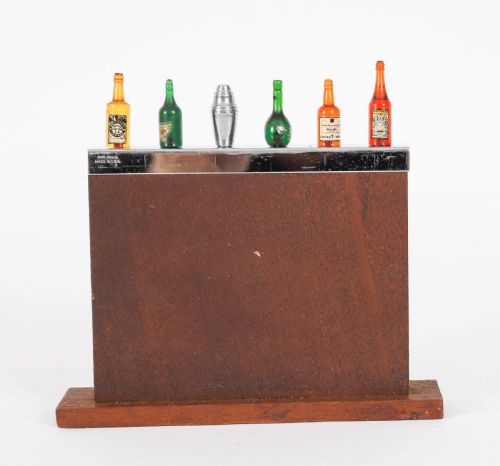
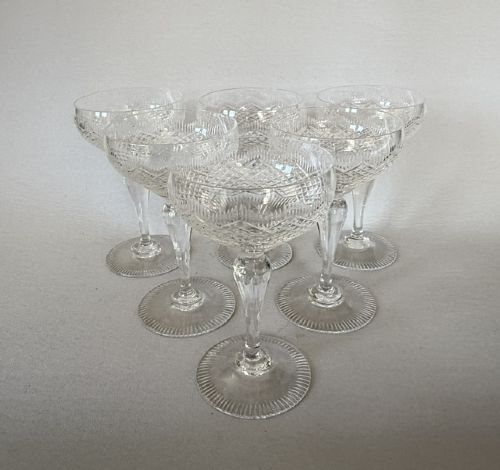
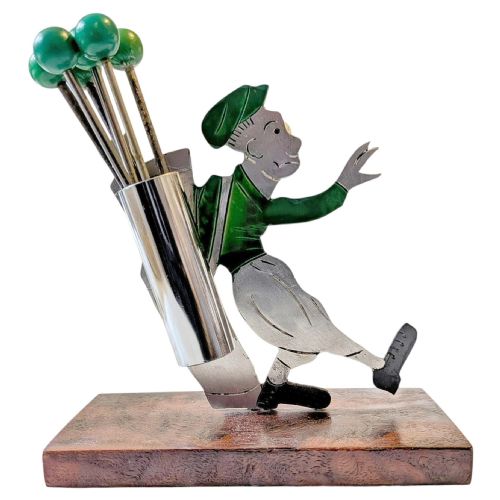
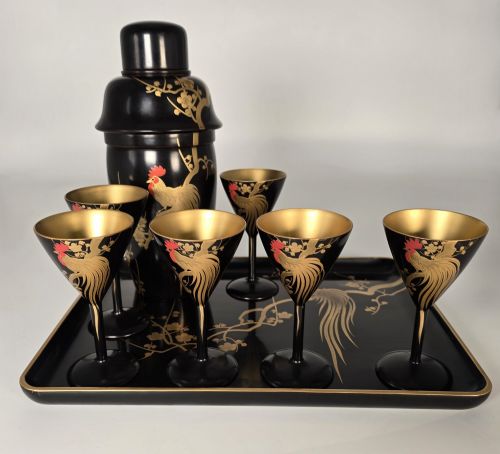
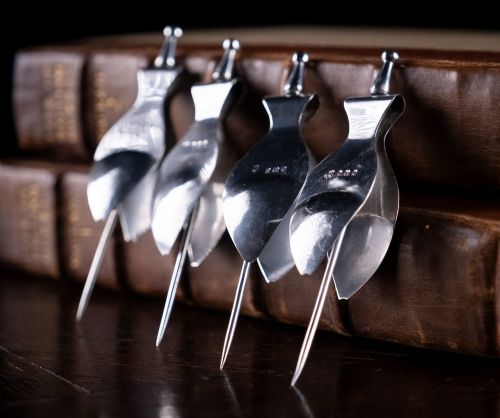
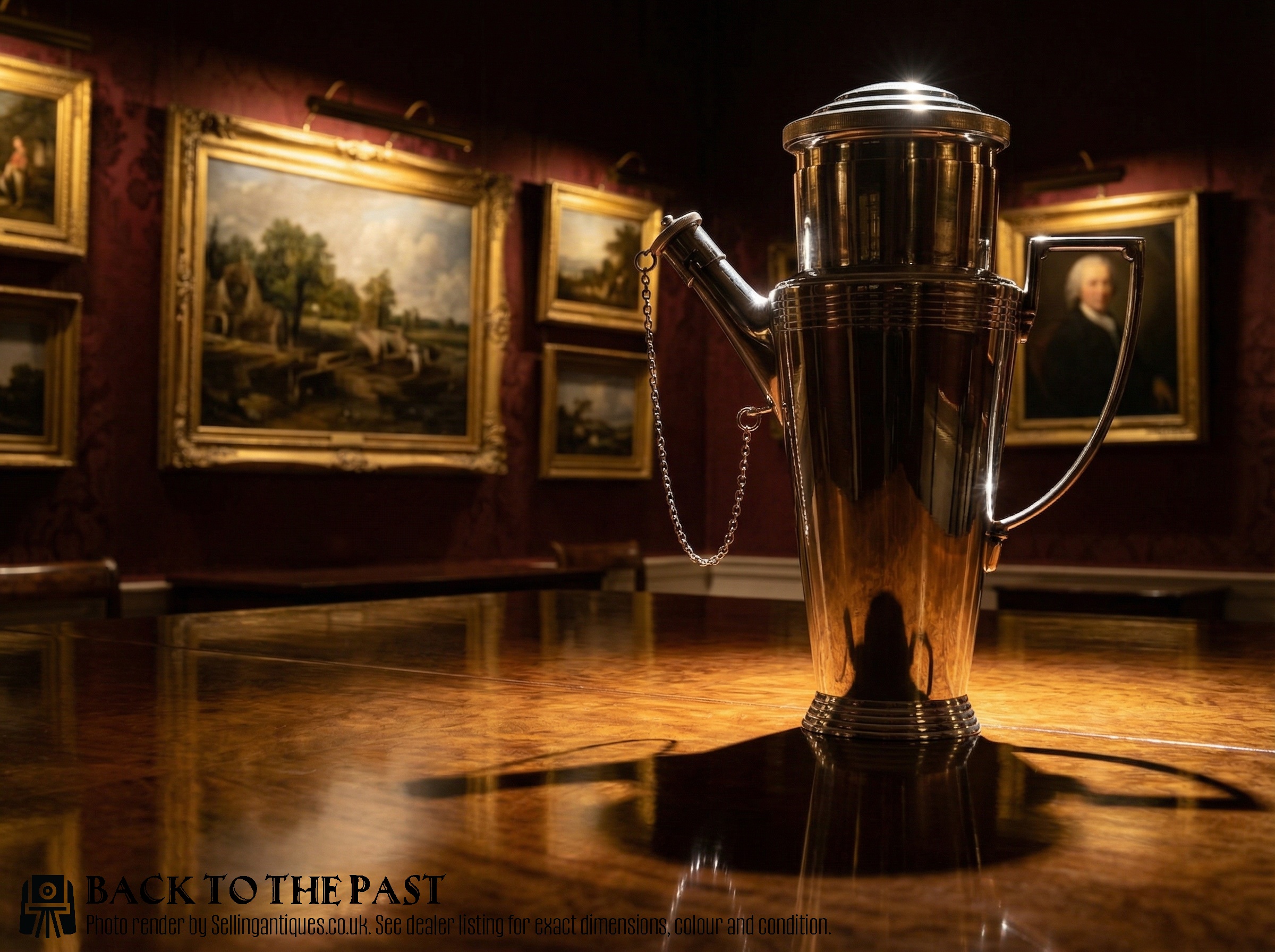
When you search for an art deco barware set, you encounter matched groups of drinking vessels, decanters, and cocktail shakers designed for entertaining during the 1920s, 1930s, and 1940s. The most common manifestations on this page are comprehensive decanter sets with matching glasses, cocktail shaker sets complete with beakers, and novel collections of cocktail picks.
Many examples originate from France, England, and Bohemia, showcasing the international reach of modernist design trends. These groupings often incorporate specialised accessories like ice buckets, lemon squeezer sets, and intricate holders for appetiser sticks.
The aesthetic leans heavily into geometric forms, stylised figures, and streamlined metalwork typical of the period. Whether configured for spirits or mixed cocktails, these assemblies capture the social habits of the early twentieth century.
Materials and construction methods
Manufacturers combined metals such as chrome, silver plate, and sterling silver with glass, cut crystal, and early plastics like Bakelite. Shakers and frames frequently utilised silver plating over base metal, sometimes finished with engine-turned geometric patterns.
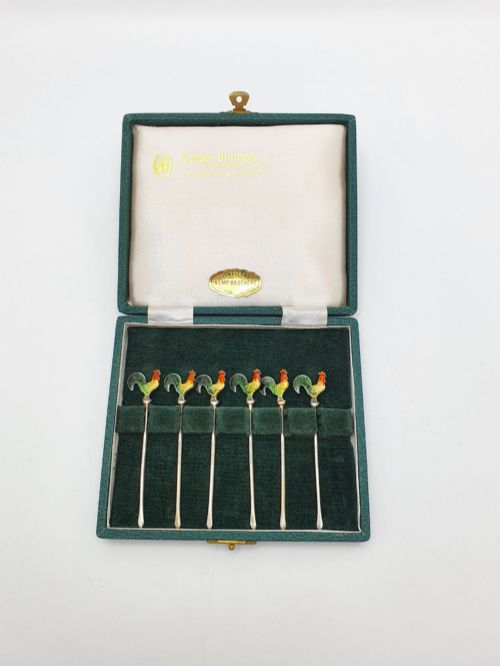
Glass components range from plain blown forms to hand-enamelled lead crystal and heavy cut glass liners. Coloured enamel work frequently decorates both the glassware and the detailed figural cocktail picks produced by Parisian and regional workshops.
Art Deco Barware Set Retail Price Guide 2026
Typical asking prices for art deco barware set among the pieces listed under this phrase on Sellingantiques today, from the lower quarter to the upper quarter. They describe what is for sale here now, not the wider market.
Listings span the 1920s, 1930s, and 1940s, featuring materials from sterling silver and cut glass to Bakelite and enamel.
Distinguishing quality across the range
Quality rests on the integrity of the materials and the precision of the execution by recognised makers and workshops. Pieces produced by prominent glasshouses or silversmiths display superior weight, crisper enamel detailing, and more robust mechanical joints.
The sophistication of the design execution separates standard utility items from high-end presentation sets. Intricate figural casting on novelty items and harmonious matching between decanters and their drinking glasses indicate higher workshop standards.
Sudre·Richard Comyns·Val Saint Lambert·Jacques Adnet·Karl Palda·Maison Barra·Mappin & Webb·Keith Murray·St. Medard·Mosey
The Art Deco Barware Set Glossary
- Tantalus
- A locking wooden or metal frame that holds decanters securely while exposing their contents to view. This device prevented guests or servants from helping themselves to the spirits inside.
- Engine-turned
- A decorative technique involving precise geometric patterns engraved mechanically onto metal surfaces. This method adds texture and light reflection to silver-plated shakers.
- Bakelite
- An early synthetic thermosetting plastic frequently utilised for handles, knobs, and bases on interwar bar accessories. Its rich colours and durability suited modernist manufacturing.
- Champagne coupe
- A broad, shallow-bowled stemmed glass designed originally for sparkling wine but frequently employed for serving cocktails. These vessels define the silhouette of many period drinking services.
- Swizzle stick
- A utensil utilised for stirring carbonated drinks to reduce effervescence. These small rods appear in solid silver and plated metal configurations.
Art Deco Barware Set: Frequently Asked Questions
What is included in a decanter set?
A decanter set typically comprises a central glass vessel accompanied by a matching number of small drinking glasses or beakers. Some configurations also rest upon a dedicated matching tray.
These groupings were designed to hold and serve spirits or liqueurs elegantly during gatherings.
How do I identify period cocktail picks?
Period cocktail picks often feature enamelled decoration or cast figural terminals depicting human figures, animals, or abstract motifs. They are frequently housed in matching cut glass or metal stands.
Materials commonly include sterling silver, chrome, and painted enamel characteristic of the interwar decades.
Were these sets used daily?
Interwar barware served both functional roles in domestic cocktail culture and decorative purposes on sideboards or trolleys. The introduction of home cocktail making led to specialised equipment for mixing and garnishing.
Many surviving sets reflect the growing popularity of spirits and mixed drinks during the 1920s and 1930s.
How do I care for silver-plated barware?
Silver-plated items require gentle cleaning with non-abrasive cloths to preserve the metallic finish without wearing through the plating. Harsh chemical dips can damage applied enamel work or early plastics like Bakelite.
Hand washing in warm soapy water ensures that glass and metal components remain secure and undamaged.