



Art Deco Cocktail Set
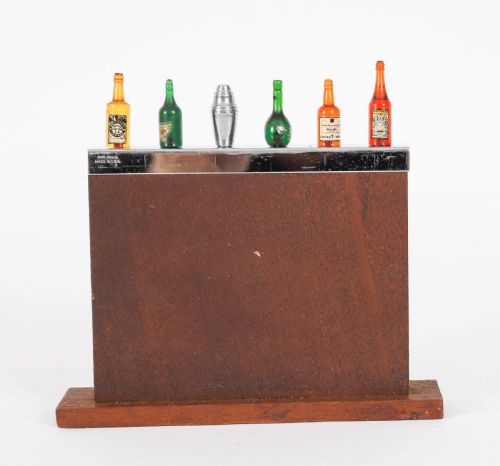
An art deco cocktail set brings immediate theatrical flair to home entertaining with period-authentic shaker suites and novelty stirrers.
Art Deco Cocktail Set
An art deco cocktail set comprises matched drinking vessels, shakers, decanter suites, and novelty barware accessories designed during the interwar years. These groupings reflect the rising popularity of mixed drinks and home hosting across the nineteen-twenties and nineteen-thirties.
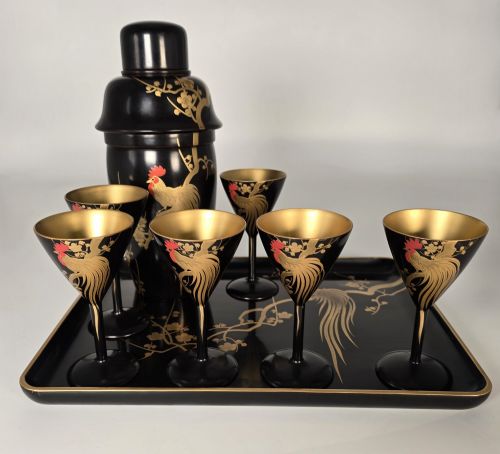
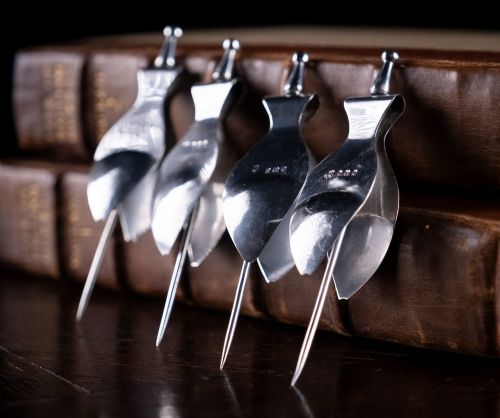
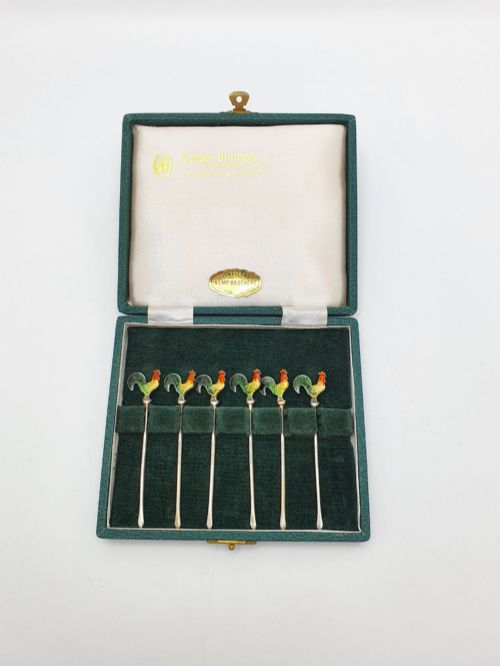
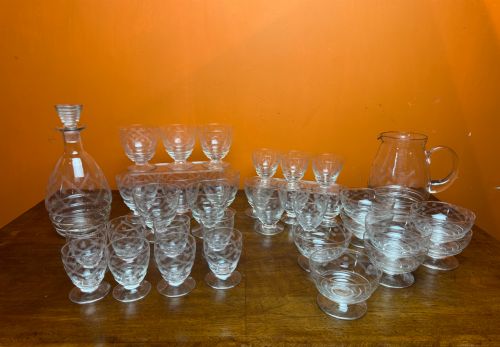
Collectors encounter diverse configurations on this page, ranging from complete silver-plated trays with matching beakers to specialised cased sets of sterling silver cocktail sticks. French and English examples dominate, often featuring distinct figural motifs or geometric glassware.
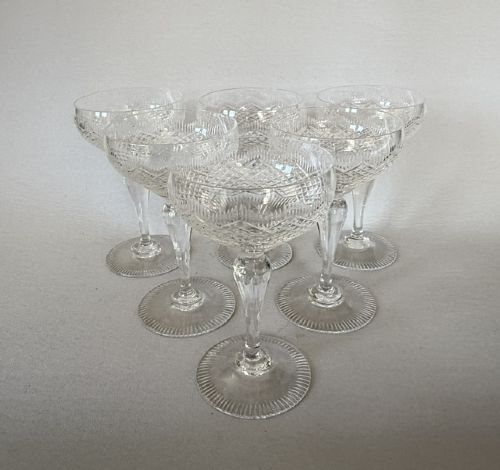
Beyond traditional shakers and suites, the category extends to ice buckets with cut glass liners, lemon wedge squeezers, and champagne bowls. Each component serves the distinct rituals of period mixology while showcasing signature period craftsmanship.
Materials and construction
Silversmiths and manufacturers utilised solid sterling silver, silver plate, and chrome alongside high-grade cut glass and crystal for vessels and holders. Many metal components display precise engine-turned decoration, hammering, or smooth polished finishes characteristic of the era.
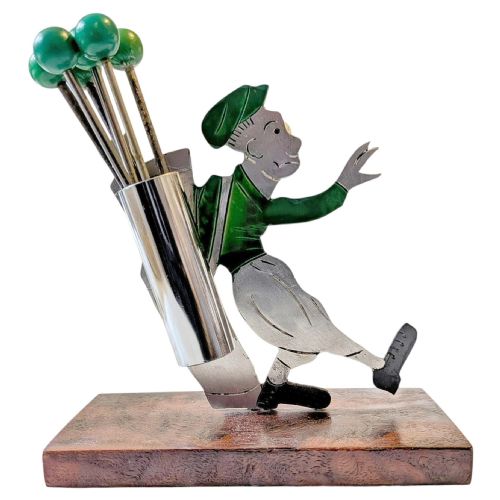
Enamel work frequently provides vibrant colour accents on silver cocktail sticks, often shaped as cockerels, cherries, or novelty figures. Bakelite, lacquer, and walnut also appear, introducing contrasting textures and tones to barware accessories and stands.
Listings feature items spanning the Edwardian period through the nineteen-sixties, with a strong concentration of nineteen-twenties and thirties silver, glass, and enamel pieces.
Assessing quality and craftsmanship
Superior examples distinguish themselves through the crispness of casting and the weight of the metal utilised in shakers and stands. Finer sterling silver pieces bear clear hallmarks and retain intact, undamaged enamel work on intricate novelty motifs.
The integration of materials also dictates overall standard, such as the clarity of cut glass liners paired with properly fitted silver or plated mounts. Complete cased sets retaining their original fitted presentation boxes command greater interest from collectors.
Sudre·Richard Comyns·Asprey·A. Scott·The Adie Brothers·Herbert Jenkins·The Barker Brothers·Gerrard and Co·Elkington and Co·Mappin and Webb·St. Medard·Daum Nancy·Deakin and Francis
The Art Deco Cocktail Set Glossary
- Cocktail shaker
- A vessel used to mix ingredients with ice before straining, often found in silver plate, chrome, or glass suites.
- Barware accessory
- Ancillary items designed for drink preparation and service, including lemon squeezers, tongs, and ice buckets.
- Enamel
- A decorative fused glass coating applied to metal surfaces, frequently seen in brightly coloured decorative accents on stirrers.
- Engine-turned
- A mechanical engraving technique producing intricate geometric patterns across metal surfaces.
- Cut glass
- Glassware shaped and patterned through abrasive wheel cutting, utilised for decanters, bowls, and ice bucket liners.
Art Deco Cocktail Set: Frequently Asked Questions
What items belong in a complete set?
A standard serving suite typically combines a central shaker or decanter with matching goblets, beakers, or champagne bowls arranged on a shared tray.
Smaller groupings focus purely on bar accessories, such as cased sets of silver and enamel cocktail sticks accompanied by a dedicated holder.
How were these cocktail items used?
Hosts utilised these specialised vessels and tools to prepare, serve, and garnish mixed drinks during private gatherings and cocktail parties.
Novelty sticks allowed guests to easily retrieve garnishes from glasses while adding a decorative conversation piece to the home bar.
How do I care for silver and enamel pieces?
Gentle hand washing with mild soap and warm water protects delicate enamel work and older silver surfaces from harsh detergents.
Avoid abrasive polishes on plated items and store cased sets away from direct sunlight to preserve the original presentation materials.
How do I identify period materials?
Examine the metal components for traditional hallmarks, purity stamps such as sterling or silver plate designations, and manufacturing patination.
Look for period-specific elements like early plastics, hand-cut crystal structures, and distinctive geometric silhouettes characteristic of interwar design.