
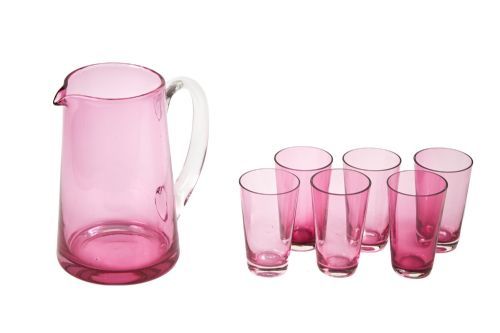


Vintage Glass Water Jug
A vintage glass water jug brings heft and sparkle to a table, combining practical service with historical craftsmanship.
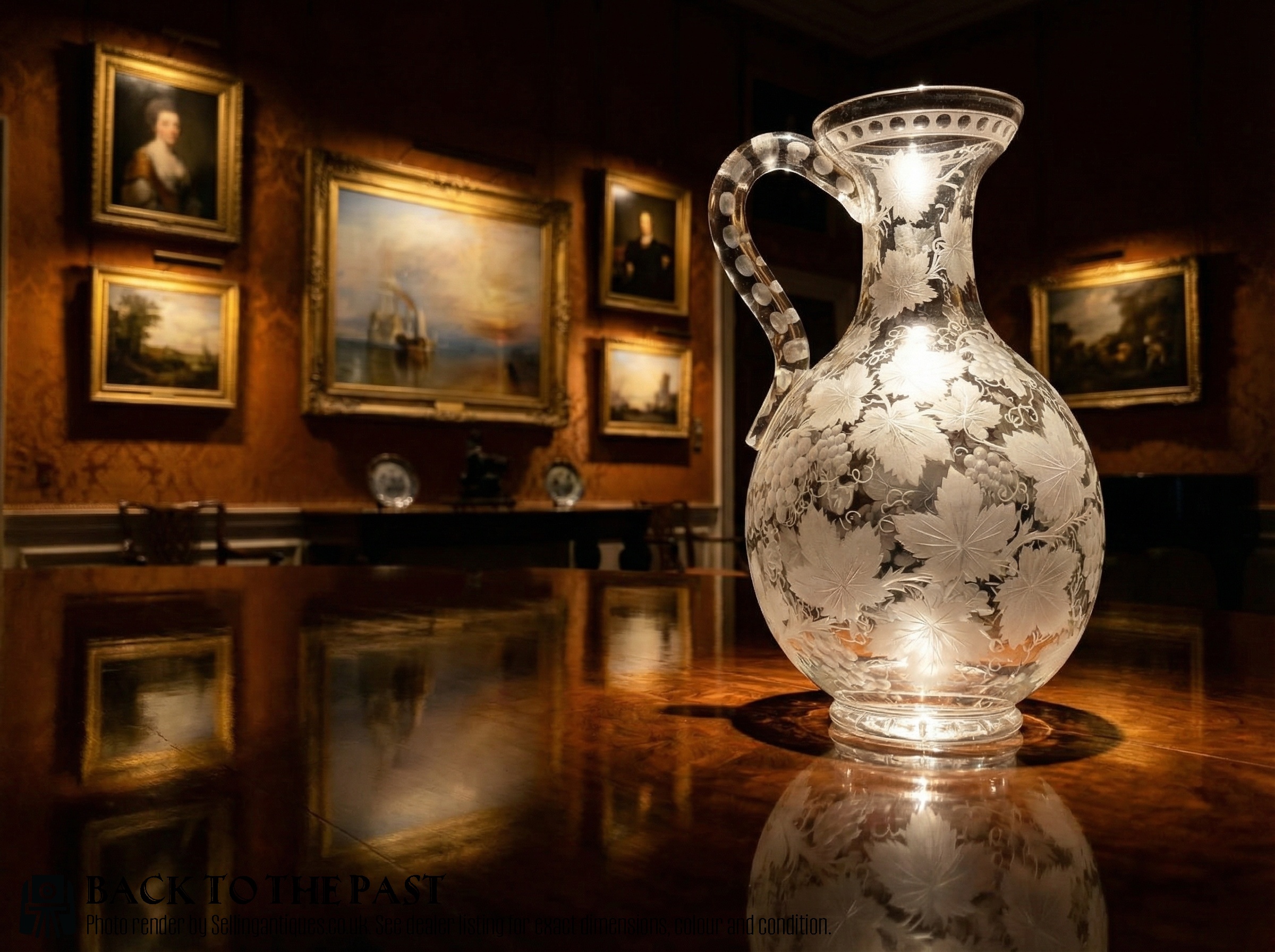
Vintage Glass Water Jug
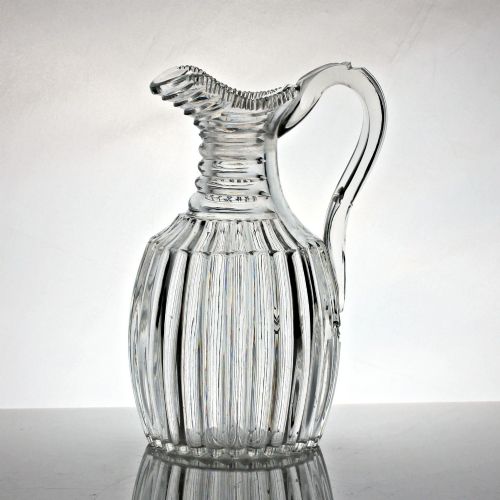
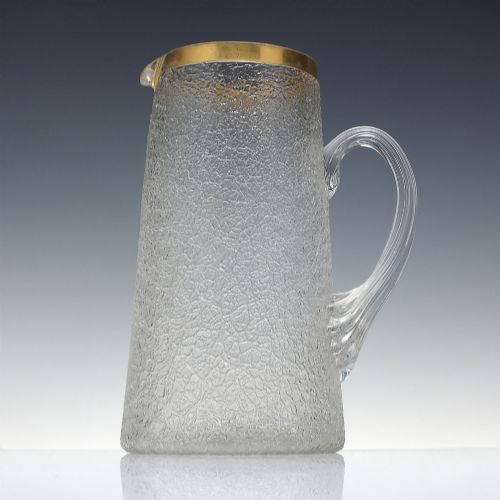
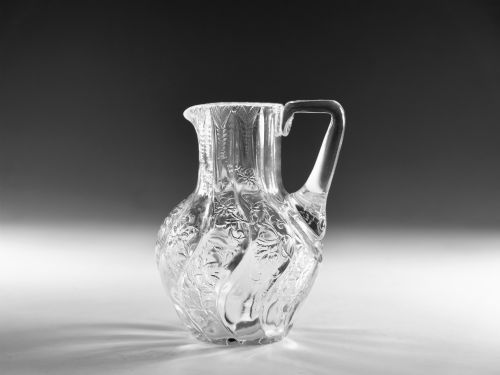
A vintage glass water jug appears in forms ranging from heavy nineteenth-century cut crystal ewers to twentieth-century moulded pitchers. When searching for a vintage glass water jug, collectors encounter pieces spanning the Victorian and Edwardian eras alongside later Art Deco and mid-century designs. These vessels function primarily as pitchers for water, claret, lemonade, or punch during formal dining and entertaining.
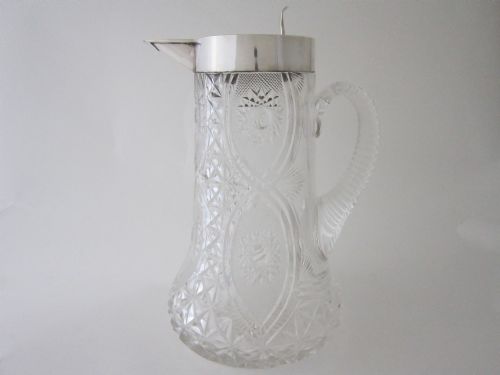
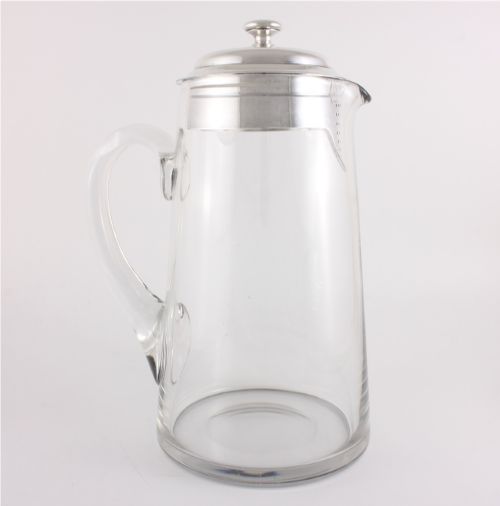
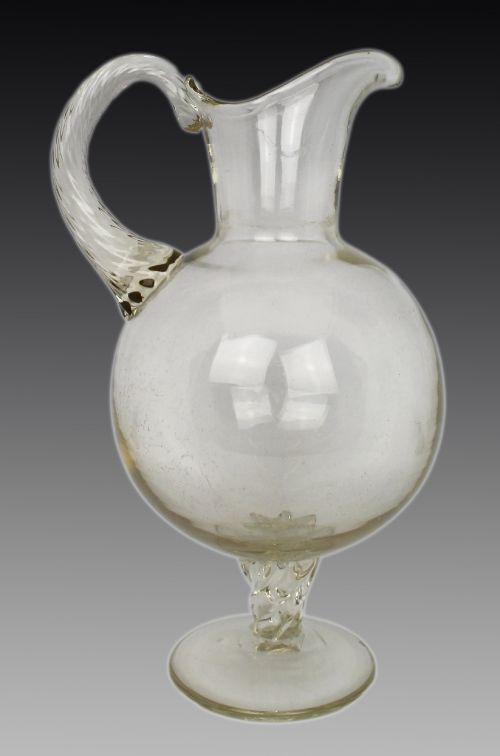
The assortment on this page includes tall ewers, footed jugs, and vessels fitted with sterling silver or silver-plated mounts. Makers and periods vary from Georgian and Regency cut glass through to French, Italian, and Austrian examples. Many feature integrated ice tubes, engraved motifs, or applied handles that distinguish them from standard domestic glassware.
Materials and construction
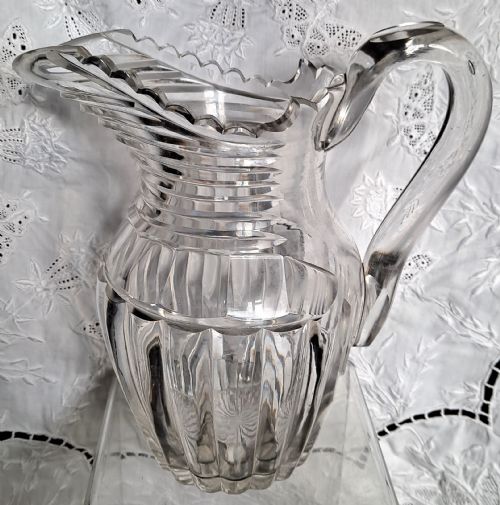
Production relies heavily on lead crystal, clear glass, and coloured variants such as cranberry and green glass shaped by hand-blowing or moulding. Artisans applied wheel-cutting, intaglio engraving, and etching to create geometric facets or pictorial motifs like grapes, vines, and dolphins. Molten glass was gathered, blown into shape, and often combined with applied handles and spouts.
Metal components involve sterling silver and silver plate, which craftsmen mounted to rims, collars, and hinged lids. Enamel painting and gilding provide surface decoration on specific Victorian and Continental pieces, while internal ice tubes require soldered metal inserts housed within the glass body.
Listings feature periods spanning from the nineteenth century through to mid-century modern designs, incorporating both clear crystal and coloured glass.
Assessing quality and execution
The distinction between standard items and superior examples lies in the depth and crispness of the glass-cutting and engraving. Sharp facets catch the light cleanly, whereas softer mould lines indicate lower-tier production. Weight and balance also signal excellence, particularly in heavier lead crystal and silver-mounted pieces.
The quality of the metal mounts matters greatly, especially when makers incorporate hinged silver lids or internal ice chambers. Maker attribution, such as signed glass or fully hallmarked silver mounts, elevates a piece above unmarked domestic ware.
Stevens and Williams·Christofle·Webb Corbett·Richardsons·Mappin and Webb·Elkington and Co·Tiffany·Valenti·Lobmeyr·Whitefriars
The Vintage Glass Water Jug Glossary
- Ewer
- A large jug with a wide spout and an ornate handle, often standing on a small footed base. Ewers originated in antiquity and were later revived in Victorian glass designs.
- Claret Jug
- A specialised vessel designed specifically for serving red wine at the table. These frequently incorporate silver-plated mounts and hinged lids.
- Intaglio
- A technique where designs are sunk below the surface of the glass by abrasive wheel-cutting. This creates a frosted, low-relief carved effect.
- Over-shot Glass
- Glass decorated with fine threads or trails of molten glass wound around the exterior body. This creates a textured surface finish.
- Ice Tube
- A metal cylinder inserted down the centre of the jug to chill liquids without diluting them. They are typically found in Victorian lemonade and Pimms jugs.
Vintage Glass Water Jug: Frequently Asked Questions
Can I use these jugs for serving drinks?
Most sturdy nineteenth and twentieth-century vessels remain fully functional for serving water, juice, or wine at the modern table.
Take care with antique glass when pouring very hot liquids or filling ice chambers to prevent thermal shock.
How do I date a silver-mounted jug?
Examine the metal mounts for British silver hallmarks, which indicate the exact assay office and year of manufacture.
Stylistic cues in the glass cutting and handle shape also help narrow down the production period.
What is cranberry glass?
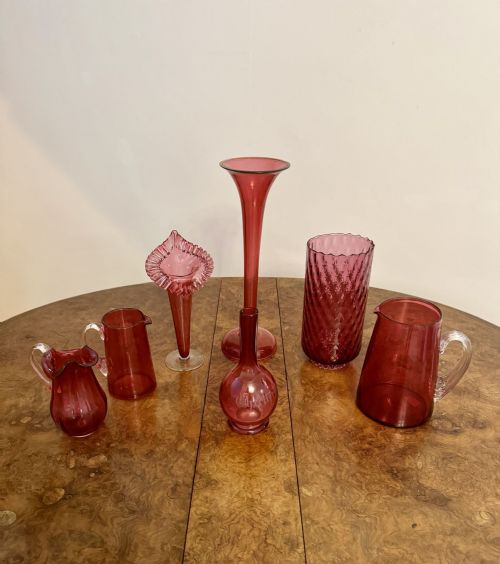
Cranberry glass is a pinkish-red decorative material created by adding gold chloride to the molten glass mixture during production.
It gained immense popularity during the Victorian era for table services and decorative water jugs.