
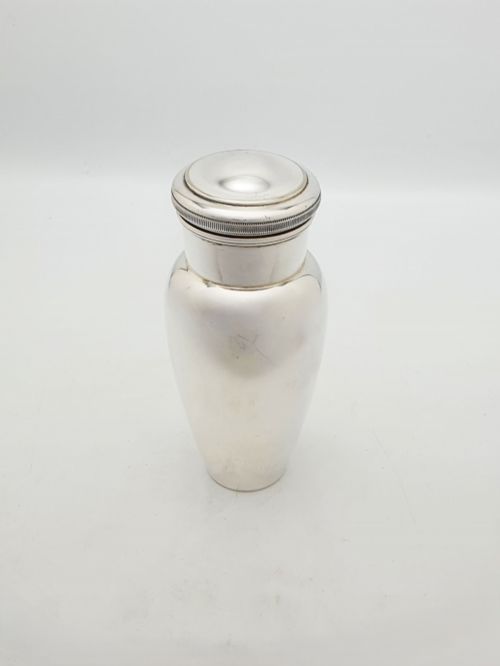


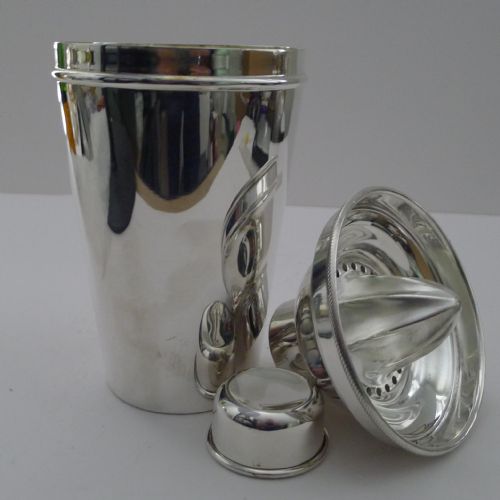


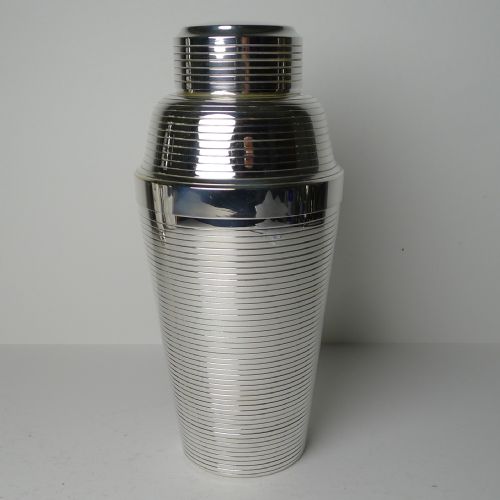
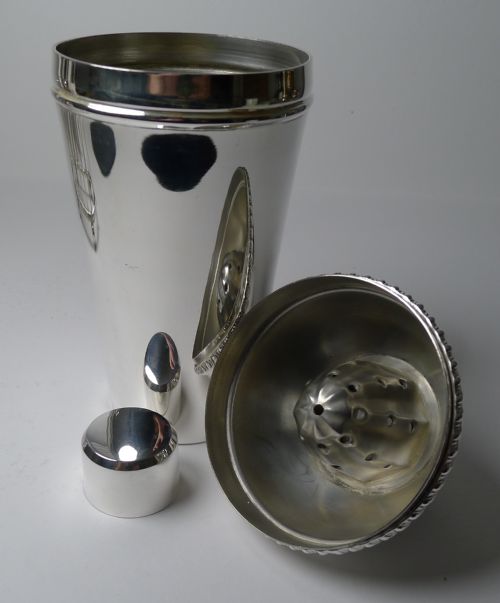
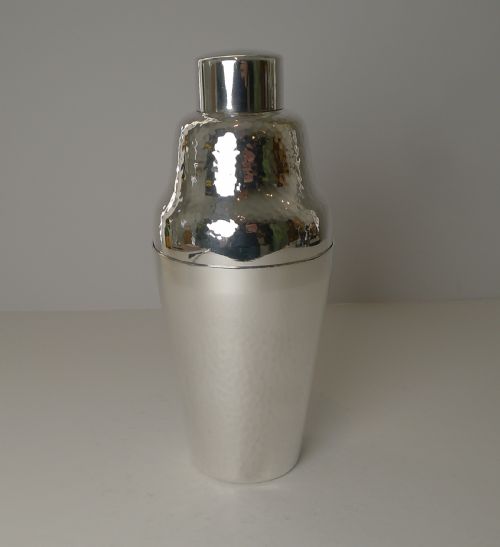

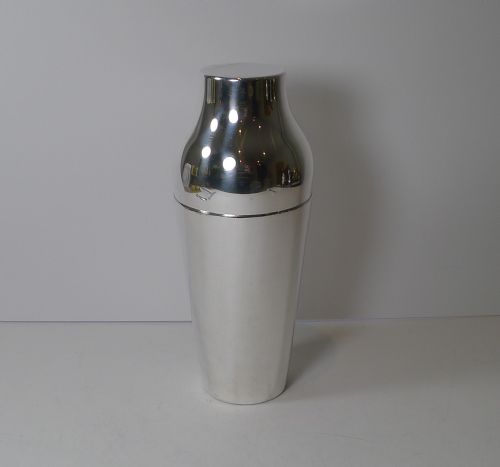
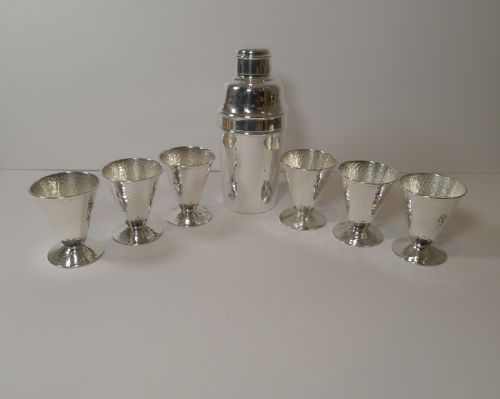


Vintage Metal Cocktail Shaker
These vintage metal cocktail shaker pieces are sharp barware essentials from the early twentieth century that bring unmistakable style to any home bar.
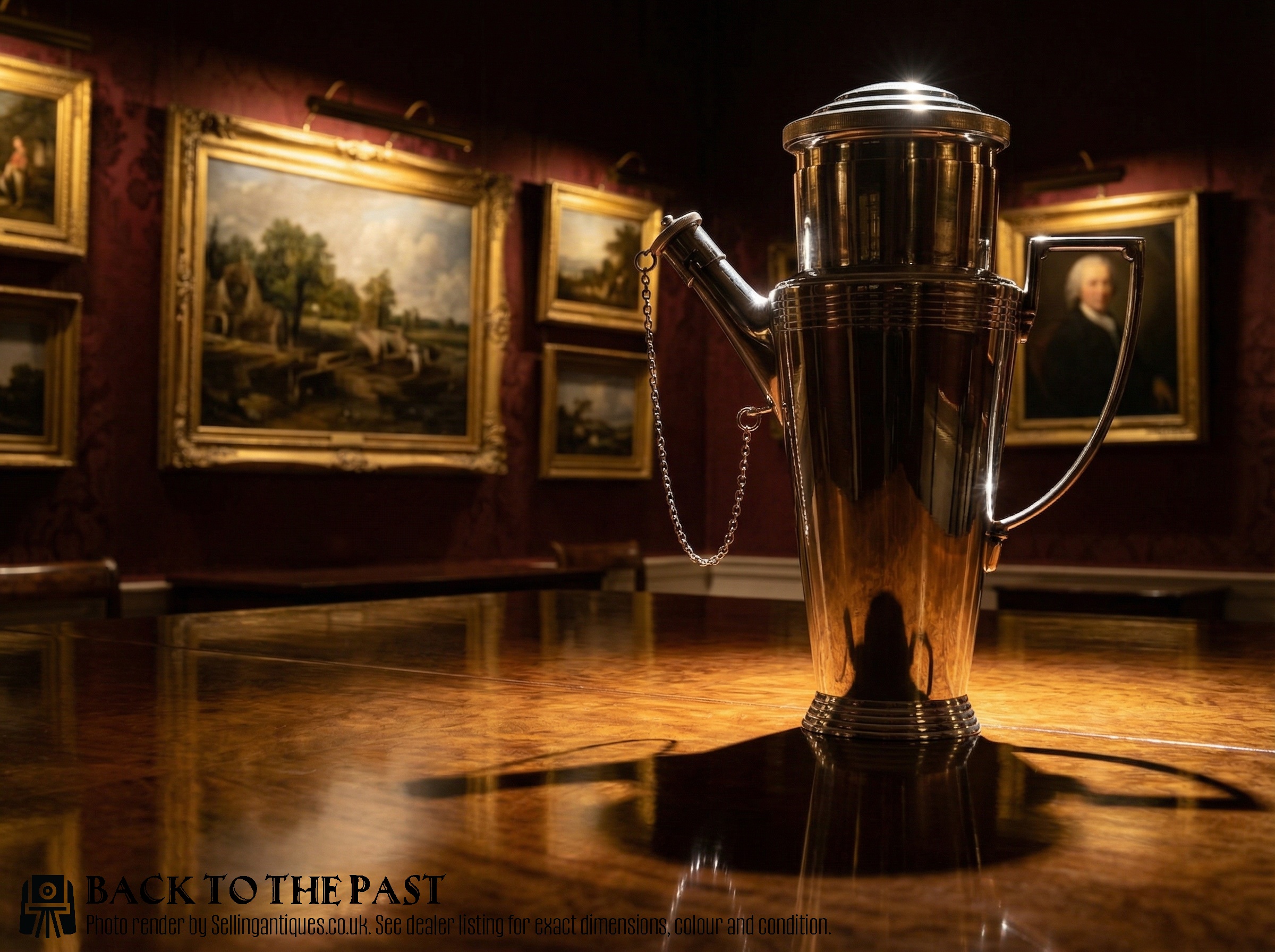
Vintage Metal Cocktail Shaker
When you search for a vintage metal cocktail shaker, you encounter functional barware primarily originating from the nineteen twenties up to the nineteen sixties. The selection includes examples styled in Art Deco, Italian Modernism, and Modernist designs.
The origins span English, German, French, and Italian workshops, reflecting international shifts in drinking culture and design aesthetics. These pieces range from simple two-part vessels to sophisticated cased sets equipped for entertaining.
How they were made
Makers utilised silver plate over base metal or electroplated nickel silver to achieve a bright reflective surface suitable for domestic hospitality. Some items also employ gilt metal accents to contrast with the polished exterior.
Techniques varied from smooth rolled plating to distinct hammered finishes that captured the light during cocktail preparation. Construction often involved multi-part assemblies designed to fit tightly together during vigorous shaking.
Listings span four distinct decades, stretching from the nineteen twenties through to the nineteen sixties across European workshops.
What varies in quality
The distinction between standard production items and finer examples often lies in the weight of the metal and the precision of the fitting parts. Heavier silver-plated walls and well-engineered seals indicate superior manufacturing standards.
Design attribution also separates ordinary barware from pieces bearing distinct studio or factory signatures. Items showing integrated mechanical elements like rotating recipes or lemon squeezers demonstrate higher initial craftsmanship.
Keith Murray·J. B. Chatterley and Sons·Gaskell and Chambers·Carl Deffner·Mappin and Webb·Orfèvrerie Christofle·St. Medard
The Vintage Metal Cocktail Shaker Glossary
- Silver Plate
- A thin layer of silver applied to a base metal core such as nickel silver or brass. This method provided the appearance of solid silver at a more accessible cost for household barware.
- Electroplated Nickel Silver
- A copper, nickel, and zinc alloy coated with a layer of pure silver through an electrical process. It serves as a durable foundation for twentieth-century metal vessels.
- Art Deco
- A design movement prevalent in the nineteen twenties and thirties characterised by sleek geometric lines and stylised motifs. It heavily influences the silhouette of many metal cocktail shakers.
- Modernist
- A style focusing on minimalism, clean geometry, and functional utility rather than applied ornamentation. This aesthetic appears in mid-century barware designs.
- Base Metal
- An inexpensive metal such as brass, copper, or iron that forms the structural body beneath a plated exterior. It gives the shaker proper weight and rigidity.
Vintage Metal Cocktail Shaker: Frequently Asked Questions
What materials are these shakers made from?
The listings consist primarily of silver plate, electroplated nickel silver, and base metal constructions. Gilt metal details occasionally appear alongside the standard silver-plated finishes.
These materials provided both durability and the bright aesthetic required for contemporary cocktail culture.
How do I identify an Art Deco shaker?
Art Deco shakers typically display geometric symmetry, stepped profiles, or clean cylindrical lines popular during the nineteen twenties and thirties. Many incorporate hammered textures or streamlined handles.
Designers of the period favoured functional elegance over excessive ornamentation.
Did these shakers include recipes?
Several examples feature engraved text or rotating dials displaying classic cocktail recipes and menus directly on the body. This allowed the host to mix drinks quickly without consulting a separate guide.
These functional additions make specific models particularly engaging for display and use.
Where were these cocktail shakers manufactured?
The pieces originate from workshops across England, Germany, France, and Italy. Prominent silversmiths and metalworking firms produced them for an international market.
Each region brought distinct stylistic interpretations to the standard cocktail shaker form.
How should I clean a silver-plated shaker?
Silver-plated barware requires gentle cleaning with non-abrasive polishes formulated specifically for plated metals. Avoid harsh scrubbing that could wear away the thin silver layer over the base metal.
Rinsing and drying thoroughly after use prevents tarnishing and preserves the finish.