






Arita Porcelain Wall Plate
An arita porcelain wall plate brings centuries of kiln artistry into a room, offering rich colours and decorative designs that catch the eye.
Arita Porcelain Wall Plate
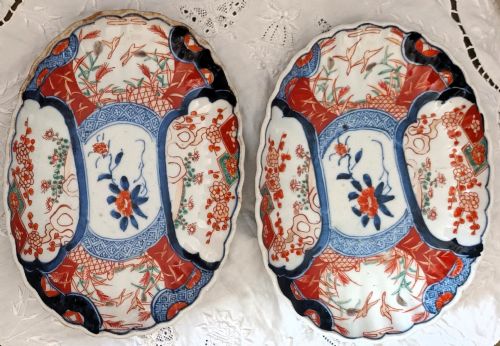
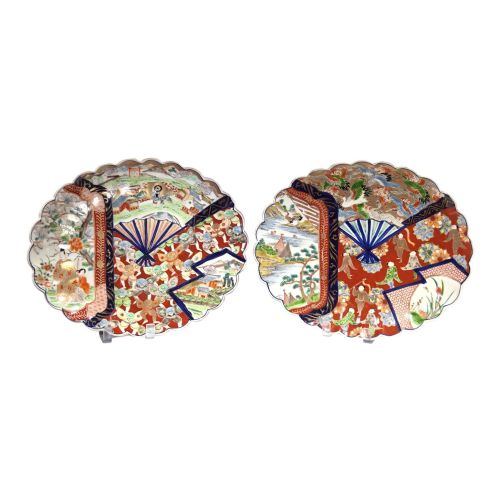
When you search for an arita porcelain wall plate, you are looking at items shaped by centuries of Japanese ceramic traditions. These pieces often arrive from the Meiji period and the nineteenth century, though earlier examples appear from the seventeenth century.
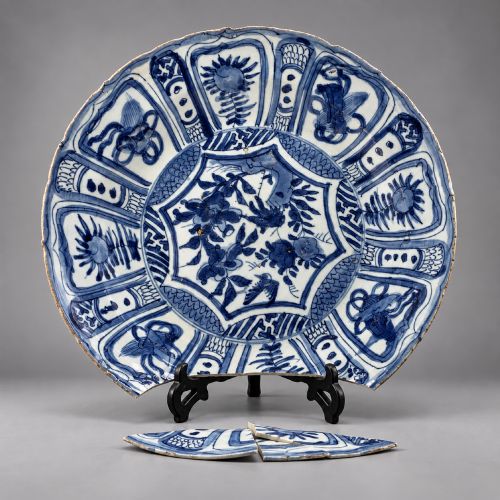
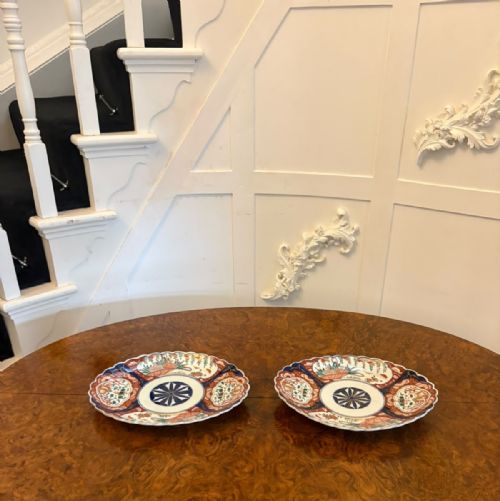
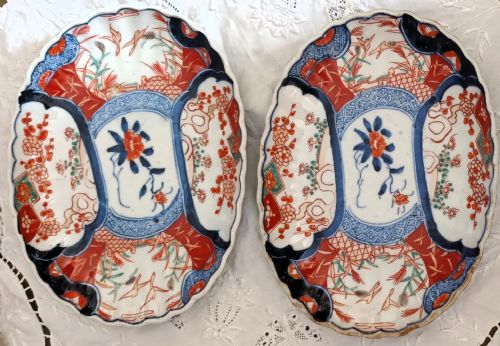
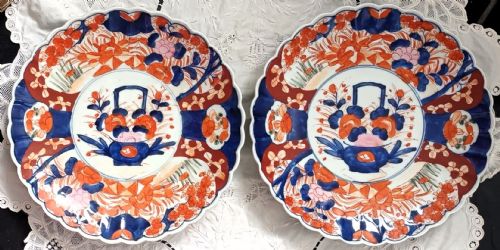
The most common form on this page is the large charger or decorative dish, frequently finished in the Japanese Imari palette. Collectors also encounter round, square, hexagonal, octagonal, fan-shaped, and ribbon-edged plates.
Many items display traditional blue and white schemes or contrasting cobalt underglaze combined with enamel and gold leaf. These variations define the visual character of the category across different production decades.
Materials and production methods
Production relies on refined ceramic and porcelain bodies fired at high temperatures to create a durable base. Artisans then apply cobalt underglaze beneath a clear protective finish.
Hand painting brings individual detail to each surface, using enamel pigments alongside gold gilt and gold leaf to accent motifs like exotic birds and koi carp.
Listings feature porcelain pieces spanning from the seventeenth-century Edo period through to Victorian times and the early twentieth century.
Factors influencing quality
The precision of the hand-painted decoration determines the visual appeal of an arita porcelain wall plate. Finer pieces demonstrate careful brushwork in complex motifs such as koi carp and exotic birds.
Form and shape also separate standard examples from notable ones. Scalloped edges, square formats, and unusual silhouettes require advanced moulding and trimming skills from the potter.
The Arita Porcelain Wall Plate Glossary
- Imari
- A traditional Japanese style originating from the port of Imari, known for its distinct palette of cobalt blue, iron red, and gold. This decorative scheme dominates nineteenth-century production.
- Charger
- A large decorative plate or platter intended primarily for display rather than dining use. These pieces often measure significantly wider than standard tableware.
- Meiji
- The period in Japanese history spanning from eighteen sixty-eight to nineteen twelve, associated with extensive export ceramics. Many surviving decorative dishes date from this era.
- Cobalt Underglaze
- A blue pigment applied to the raw ceramic body before glazing and firing, ensuring the colour remains permanent and protected beneath the glass layer.
- Aka-e
- A style of Japanese overglaze decoration featuring red as the dominant accent colour, often combined with gold on porcelain dishes.
Arita Porcelain Wall Plate: Frequently Asked Questions
How do I hang an arita porcelain wall plate safely?
Displaying these chargers on a wall requires a specialist spring-loaded plate hanger that grips the rim securely without causing damage. Ensure the fixing in the wall is rated to hold the weight of the ceramic piece.
Position the plate away from direct sunlight and heavy foot traffic to protect the enamel and gold leaf details from accidental knocks.
Are these plates meant for daily dining use?
Antique decorative dishes and chargers serve primarily as ornamental items rather than functional tableware. Their historic glazes and hand-painted enamel surfaces are best preserved through careful display.
Gentle dusting with a soft, dry cloth keeps the surface clean without risking abrasion to the delicate gilding or painted pigments.
How can I tell a Meiji period plate from an earlier one?
Meiji period items frequently exhibit bright enamels, dense patterns, and consistent export-quality porcelain bodies dating from the late nineteenth century. Earlier pieces from the seventeenth century display different potting characteristics and iron-rich clays.
Examining the foot ring and the tone of the cobalt underglaze provides further clues regarding the production era and regional kiln source.
What is the difference between a charger and a plate?
Chargers are substantially larger than standard dining plates, specifically made to act as central decorative focal points on tables or walls. They offer a wider canvas for complex pictorial designs.
Plates in this category generally measure smaller and were produced both as individual display items and as part of larger matching collections.