


Aristocratic Oil Painting
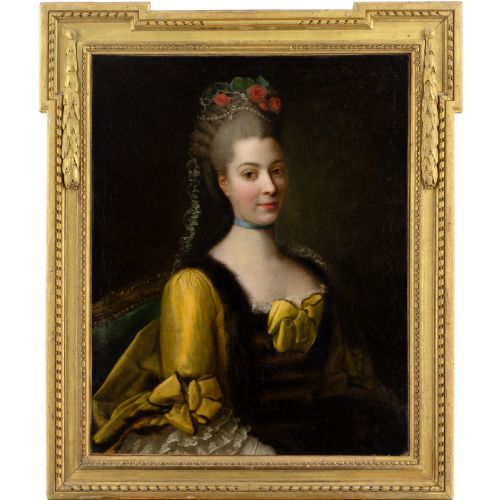
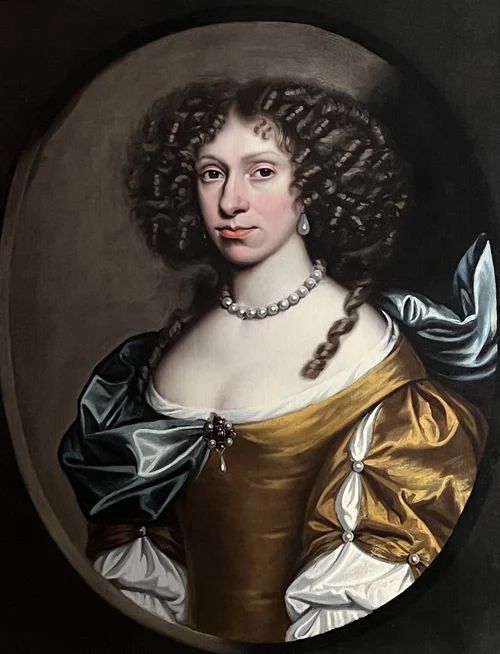
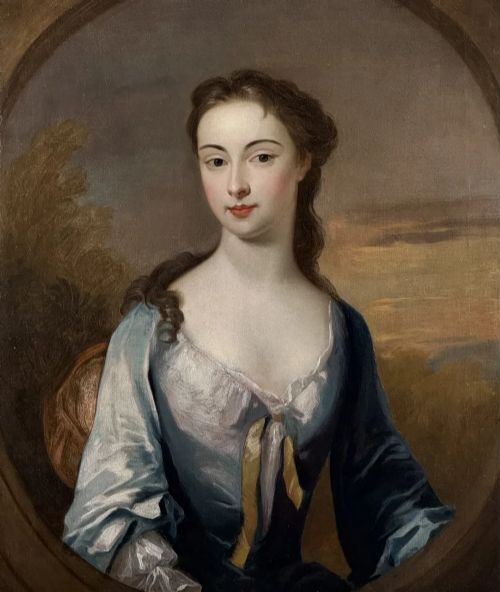
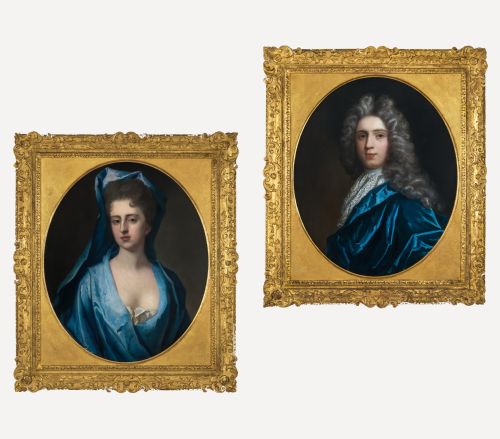
When searching for an aristocratic oil painting, collectors encounter centuries of portraiture depicting nobility, landed gentry and figures of high social standing.
Aristocratic Oil Painting
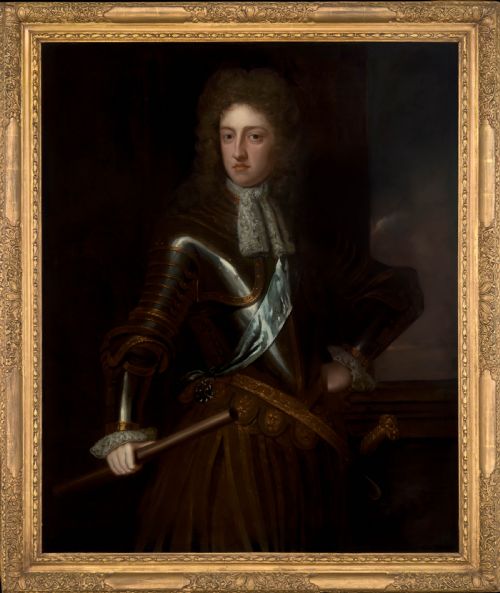
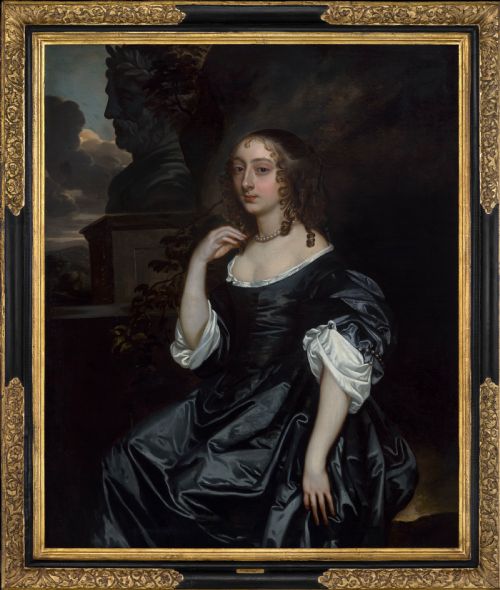
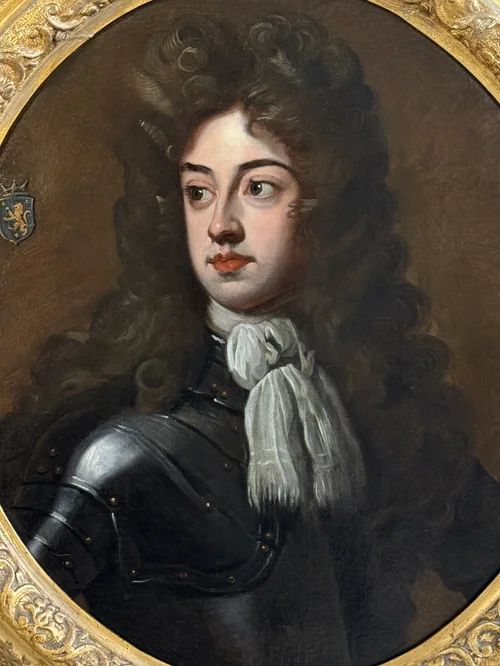
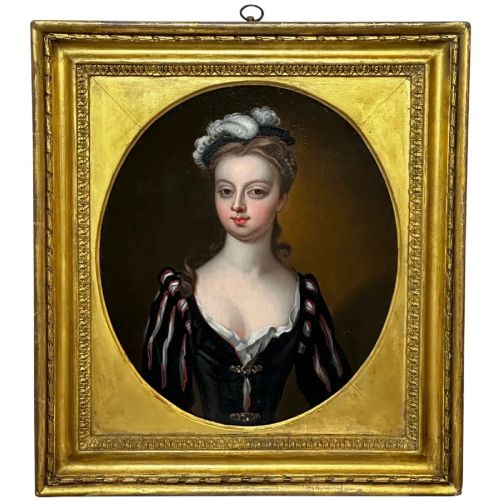
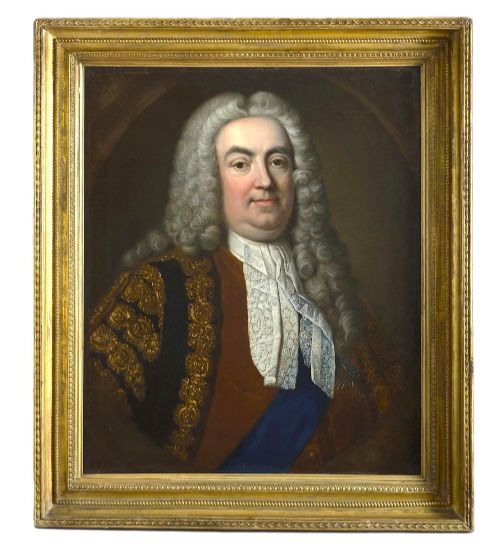
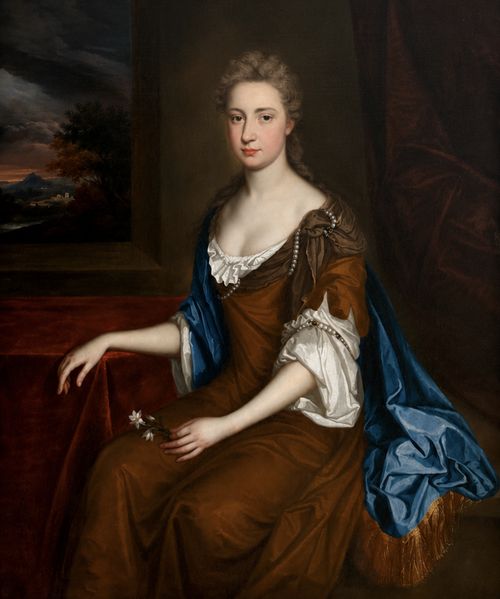
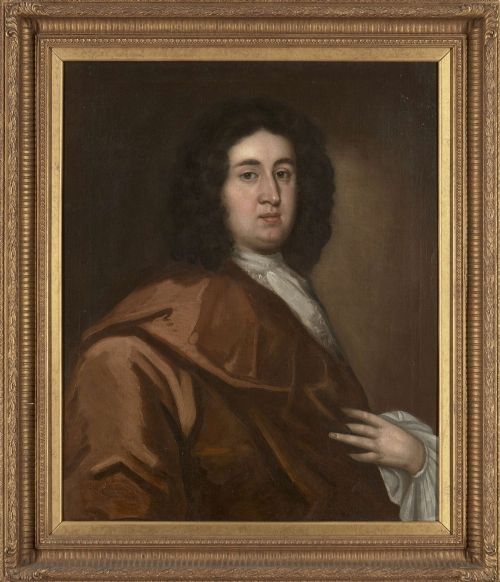
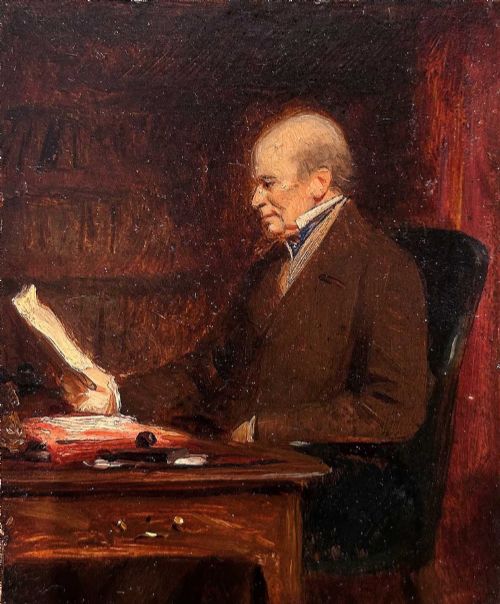
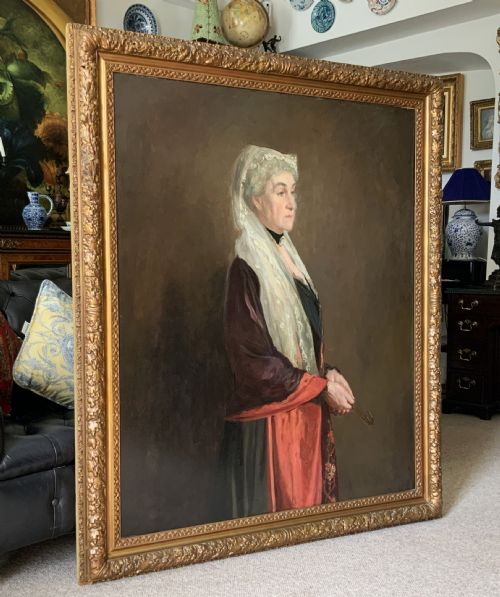
An aristocratic oil painting primarily takes the form of a portrait, depicting identifiable nobility, monarchs, earls, countesses and figures of high social standing from the seventeenth, eighteenth and nineteenth centuries. These works record lineage, status and political influence through formal dress, armour, velvet drapery and heraldic accessories.
The versions most frequently encountered on this page originate from British, French, German and Dutch schools, spanning the Baroque, Georgian and Victorian periods. Subjects range from large studio pieces representing major historical figures to intimate portrayals of lesser-known gentlefolk and children.
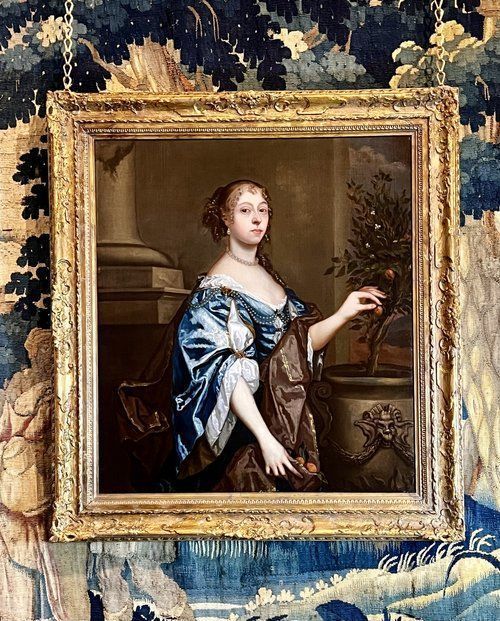
Compositions often incorporate symbolic elements such as oranges, pearls, spinning tops or architectural backgrounds to signify wealth, virtue and lineage. Whether produced by prominent court painters or regional workshops, these canvases preserve the likeness and status of historical elites.
How they were made
The physical foundation of these works typically consists of oil paint applied to woven canvas, though occasional examples utilise oak panels. Canvases were prepared with grounds before artists built up layers of pigment to render flesh tones, fabrics and intricate lace.
Many historical frames utilise carved and gilded wood, often featuring gold leaf applied over gesso to complement the grandeur of the painted subjects. These frames form an integral part of the piece, often contemporary with the canvas itself.
Several noble sitters chose to be immortalised holding oranges, a quiet botanical flex indicating profound seventeenth-century wealth.
What varies in quality
The distinction between workshop production and major master output lies in the handling of facial expression, hands and textiles. Superior examples display subtle tonal gradations in skin and luminous rendering of silks and satins, whereas lesser pieces can exhibit stiffness in posture and formulaic drapery.
Condition also plays a significant role in assessing works from this category, encompassing the stability of the original canvas, the presence of old retouching and the preservation of the underlying pigment layers. Original gilded wood frames carrying period characteristics further elevate the standing of a painting.
David Scougall·John Hayls·Charles Jervas·Michael Dahl·Thomas Murray·Sir Godfrey Kneller·Pieter Borsseler·Sir Peter Lely·John Vanderbank·Jean Baptiste Van Loo·John Closterman·Stephen Pearce·Trajan Hughes·Joseph Vivienne·Allan Ramsay·James Maubert·Nicolas De Largilliere·Sir Anthony van Dyck·Franz Xaver Winterhalter·Robert Edward Morrison·Philip Mercier·Pieter Nason·Mary Beale
The Aristocratic Oil Painting Glossary
- Oil on Canvas
- A painting medium where pigments bound in drying oils are applied to a stretched fabric support. This method allowed artists to achieve rich colours and subtle blending.
- Giltwood
- Wood that has been coated with a thin layer of gold leaf or metal powder. It is commonly found on decorative frames accompanying historical portraits.
- Studio of
- A designation indicating a work produced in the workshop of a master artist, often under their direct supervision or following their established compositions.
- Oak Panel
- A rigid wooden support used for paintings before canvas became dominant. It provides a stable surface that requires careful environmental control to prevent warping.
Aristocratic Oil Painting: Frequently Asked Questions
What is an aristocratic oil painting?
These works are historical portraits depicting members of the nobility, landed gentry and royal courts from the seventeenth century onwards.
They serve as visual records of lineage, power and fashion across periods such as the Georgian and Victorian eras.
How do I identify the period of a portrait?
Dating relies primarily on the style of clothing, hair, lace collars and armour worn by the sitter, combined with the painting technique.
Reference to known sitters, recorded family provenances and stylistic markers associated with specific centuries also help establish precise chronology.
Who painted these aristocratic portraits?
Canvases originate from major court painters, prominent studio circles and regional portraitists working within British and European traditions.
Works were produced either by the master's own hand or within active workshops following established compositional formats.
How should I care for an antique oil painting?
Preservation requires maintaining stable room temperatures and avoiding direct sunlight, which can fade pigments and damage canvas supports.
Frames and canvas backs should be inspected periodically for dust and environmental humidity changes without using chemical cleaners.