
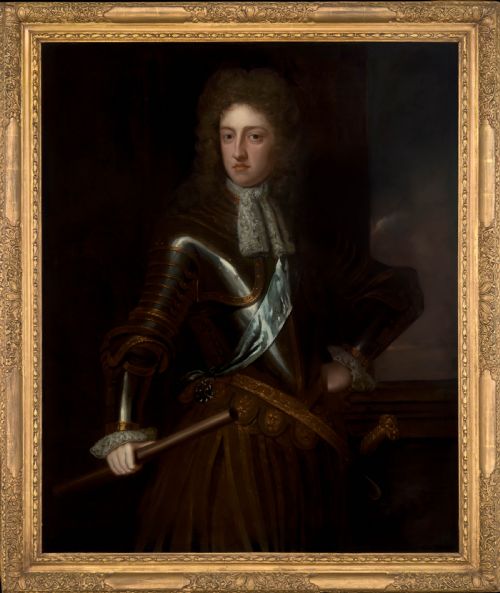
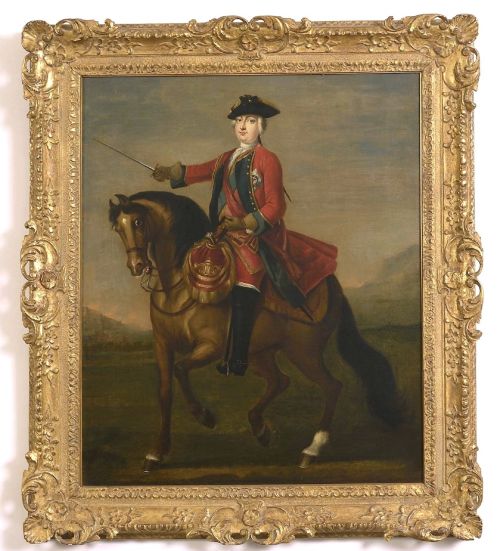
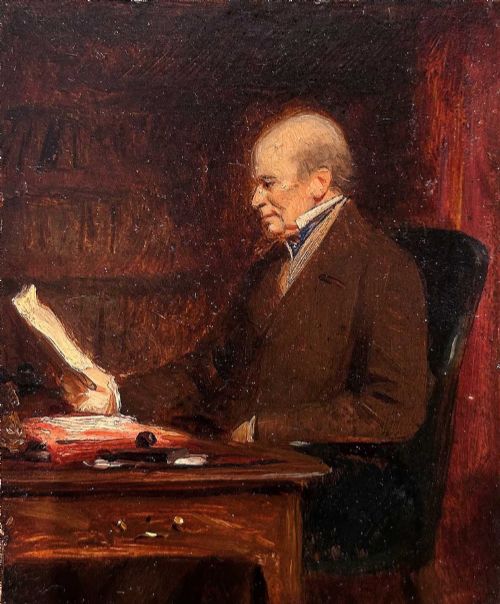


Duke Portrait Oil Painting
These duke portrait oil painting works bring centuries of noble lineage into a room through oil on canvas.
Duke Portrait Oil Painting
A duke portrait oil painting captures aristocrats, royals, and military commanders rendered in oil on canvas across multiple centuries.
Buyers meet works stretching from the seventeenth century through the eighteenth and nineteenth centuries up to the mid-twentieth century.
The subjects wear ceremonial robes, military uniforms, and armour, framed in period giltwood or gilded wood.
How They Were Made
Artists applied oil paint to canvas support, building up rich colours for garments such as blue robes with fur trim and garter robes.
The completed canvases sit within substantial wooden frames, many finished in giltwood or gilded wood to match the grandeur of the sitter.
Materials across these listings include oil on canvas, giltwood, and gilded wood across seventeenth, eighteenth, and nineteenth-century periods.
What Varies in Quality
Execution ranges from finished studio pieces by notable portraitists to contemporary studies and works created after established painters.
The handling of details like armour, medals, sashes of the Imperial Order of St Andrew, and facial likeness dictates the standing of the piece.
Sir Godfrey Kneller·John Wootton·Thomas Hudson·Stephen Pearce·John Closterman·George Clint·John Laviers Wheatley·George Dawe·Jean-Baptiste Santerre·William Salter·Henry Wyatt·Sir Peter Lely·Sir Thomas Lawrence·Cornelius Jansen
The Duke Portrait Oil Painting Glossary
- Oil on Canvas
- Pigment mixed with drying oil applied to a stretched woven fabric support. This method allowed artists to achieve deep tones and subtle gradations in portraiture.
- Giltwood
- Wood carved and covered with a thin layer of gold leaf or gold paint. Frames treated this way provide a reflective border suited to formal paintings.
- Baroque
- An artistic style spanning the seventeenth and early eighteenth centuries characterised by drama and movement. Portraits from this period often feature rich drapery and imposing poses.
- Regency
- A period in British history covering the early nineteenth century known for specific architectural and artistic developments. Works from this time display distinct tailoring and softer lighting.
- Garter Robes
- Ceremonial garments associated with the Order of the Garter, featuring distinct insignia. Sitters of high rank frequently wore these robes for formal commissions.
Duke Portrait Oil Painting: Frequently Asked Questions
What periods do these oil paintings cover?
The works span from the seventeenth century through the eighteenth and nineteenth centuries into the mid-twentieth century.
Styles shift accordingly from Baroque formality through Georgian and Regency depictions to Victorian and mid-century British portraiture.
How should I care for a canvas oil painting?
Keep the painting away from direct sunlight, excessive heat sources, and damp environments to protect both the canvas and the oil pigments.
Dust the surface gently with a soft, dry brush and avoid using water or cleaning agents on the paint or frame.
Are original frames always included with the paintings?
Many works retain their period wooden frames, such as giltwood or gilded wood surrounds that complement the age of the canvas.
Framing styles vary from ornate seventeenth-century mouldings to simpler nineteenth-century profiles.