

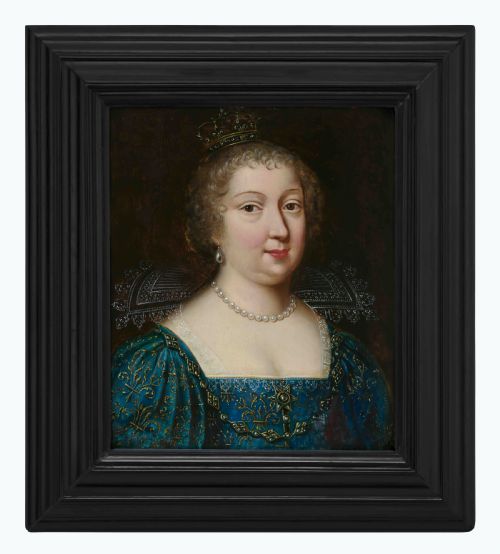


European Portrait Painting
When you explore european portrait painting, you encounter centuries of individual likenesses captured by regional masters across the continent.
European Portrait Painting
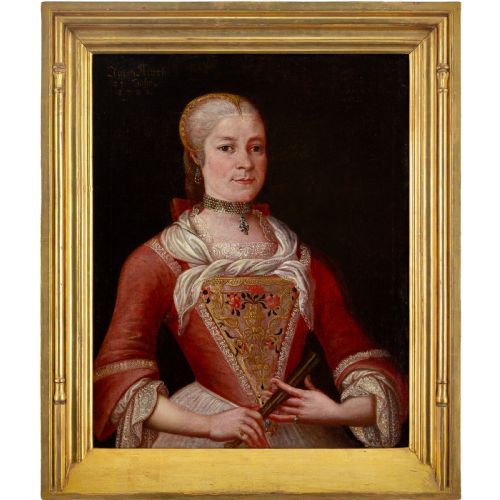
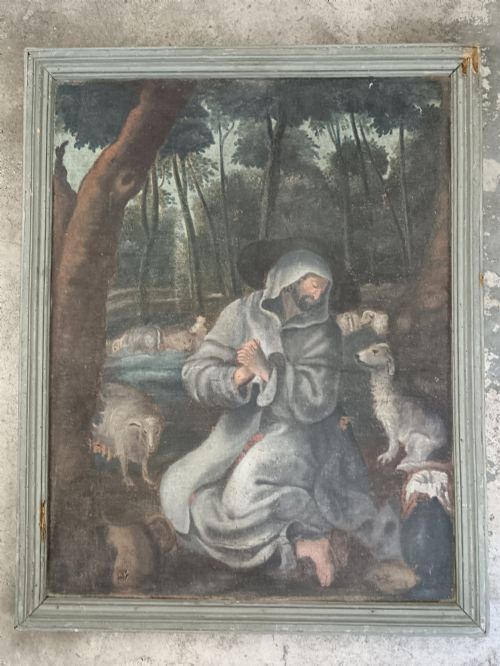
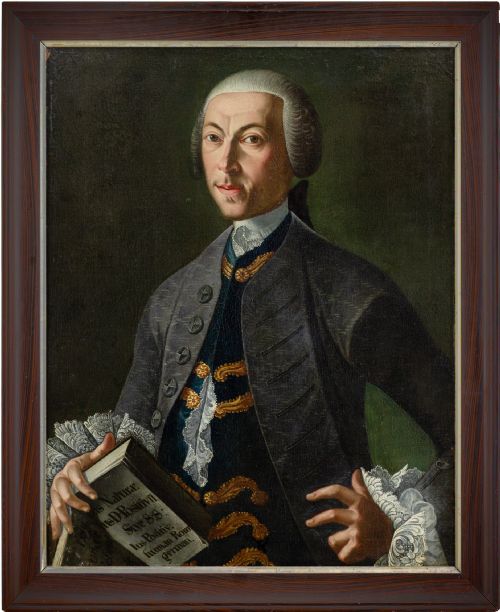
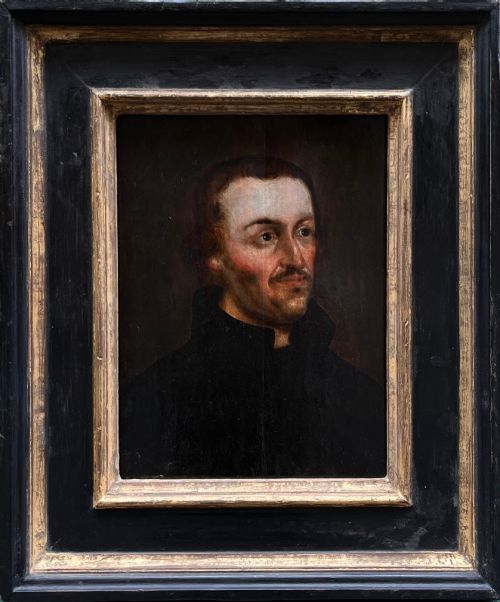
European portrait painting encompasses centuries of individual likenesses, ranging from formal aristocratic commissions to regional depictions of everyday figures. Buyers searching for european portrait painting frequently encounter works attributed to continental schools from the seventeenth, eighteenth, and nineteenth centuries.
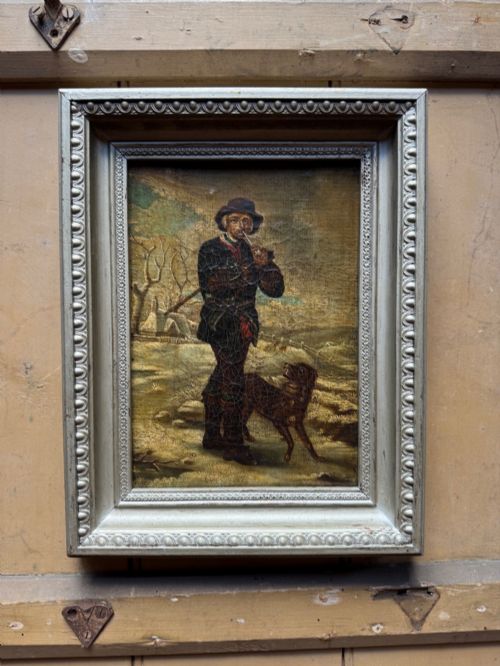
The subjects span nobility, clergy, children, and anonymous peasants, rendered with varying degrees of academic precision or naive charm. These works appear primarily as framed oils on canvas, though panels and tin supports also occur within the regional varieties.
What varies in quality
The mastery of facial anatomy, hand articulation, and the rendering of textiles dictates the upper tier of execution. Stronger works demonstrate a confident handling of light and shadow, particularly in the modeling of skin tones and facial expressions.
Lesser examples often display stiff postures, flat drapery, or formulaic backgrounds produced by provincial workshops or followers working at a distance from major artistic centres.
The documented works span multiple centuries, ranging from seventeenth-century northern European schools to mid-twentieth-century avant-garde compositions.
Max Kaltenmoser·Louis Charles Verwee·Frans Gailliard·Jules Rambo·Jean Hippolyte Marchand·Wilhelm Alexander Meyerheim·Johan Horner
The European Portrait Painting Glossary
- Pentimento
- A visible trace of an earlier painting, placement, or stroke that the artist has painted over, indicating a change of mind during the composition process. This occurrence often authenticates older hand-painted canvases.
- Giltwood
- Wood that has been treated with a thin layer of gold leaf or gold paint, commonly used for ornate period picture frames. Such frames help house and accentuate the central canvas.
- Continental School
- A broad designation applied to artworks originating from mainland Europe rather than Britain, spanning various regional traditions and centuries. This term groups together artists trained within shared continental academic or workshop practices.
- Luminism
- An nineteenth-century style emphasising the effects of light on landscape and figures, characterised by careful tonal gradations. Works bearing this influence pay close attention to illumination across the subject.
- Ruff
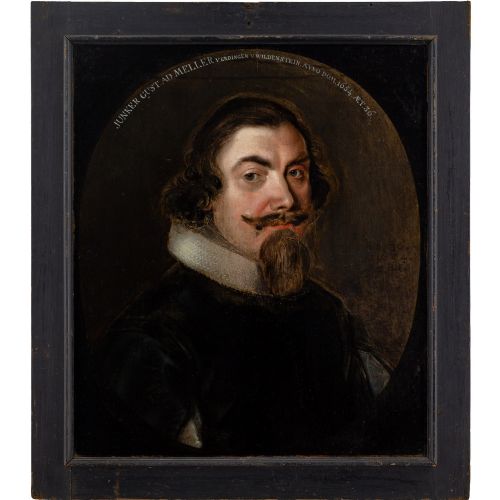
- A projecting starched frill worn around the neck during the sixteenth and seventeenth centuries, frequently recorded in elite portraiture. Its intricate pleating tested an artist's ability to render crisp white linen.
European Portrait Painting: Frequently Asked Questions
What is a european portrait painting?
A european portrait painting is an artwork capturing the likeness of an individual created by an artist trained or working within continental European traditions. These pieces span multiple centuries and include both formal studies of nobility and informal depictions of everyday people.
They reflect the shifting aesthetic priorities of various regional schools, from seventeenth-century Dutch and German portraiture to nineteenth-century continental realism.
How were these portraits displayed?
Historically, portraits of this scale hung within domestic interiors, municipal buildings, or galleries, often mounted in ornate giltwood frames designed to project status or preserve the canvas.
The frames served both a structural purpose and an aesthetic one, visually anchoring the subject to the wall space of the room.
How do I live with antique portraits?
Living with these works involves placing them away from direct sunlight and excessive moisture fluctuations to protect the oil paint and canvas substrate. Adequate wall lighting helps illuminate darker backgrounds typical of seventeenth and eighteenth-century palettes.
Pairing traditional portraiture with modern interiors creates a striking visual contrast that highlights the distinct character of the individual depicted.
How do I tell different periods apart?
Period identification relies on examining costume details, hair styling, framing styles, and the specific handling of paint and canvas preparation. Seventeenth-century subjects frequently feature distinct collars or armour, while eighteenth-century sitters often display powdered wigs or elaborate silks.
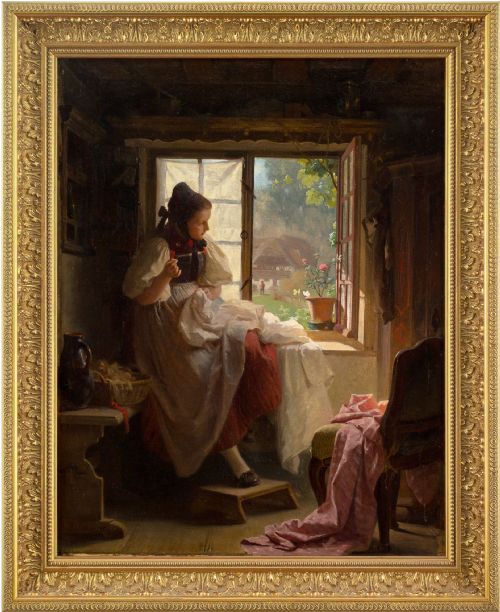
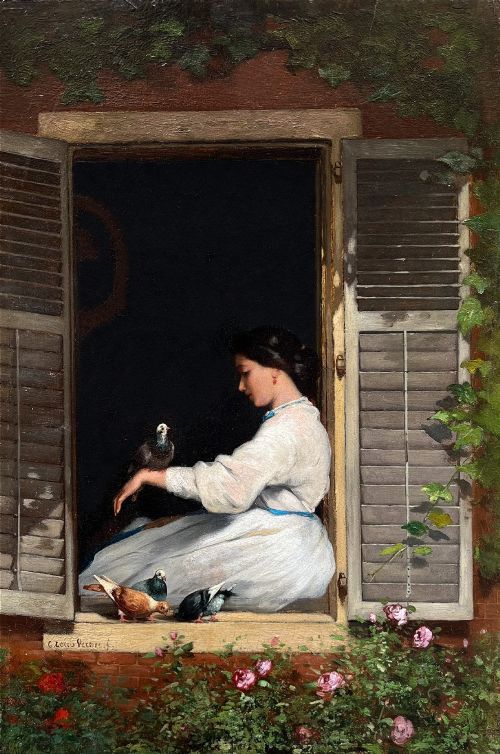
Nineteenth-century examples tend toward greater naturalism in lighting and softer clothing textures, reflecting the broader evolution of continental painting techniques.