



Architectural Timber Plaque
Architectural timber plaque examples bring substantial historic relief carving and panelwork indoors as wall art, offering centuries of craftsmanship for interior schemes.
Architectural Timber Plaque
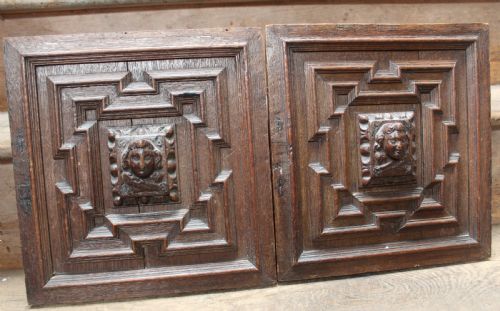
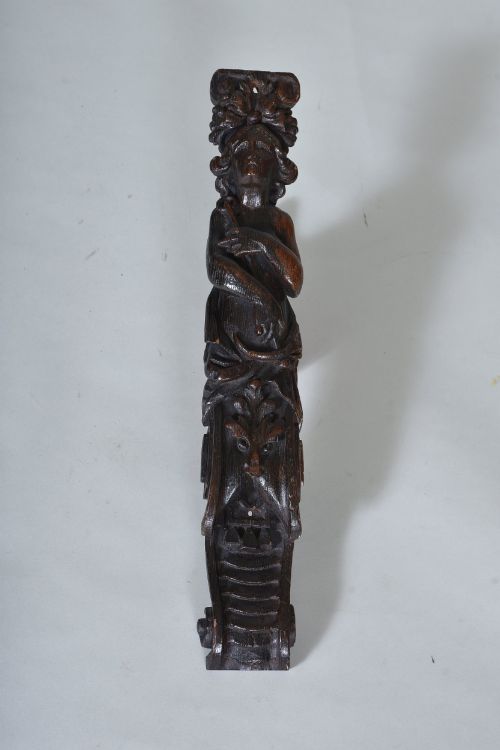
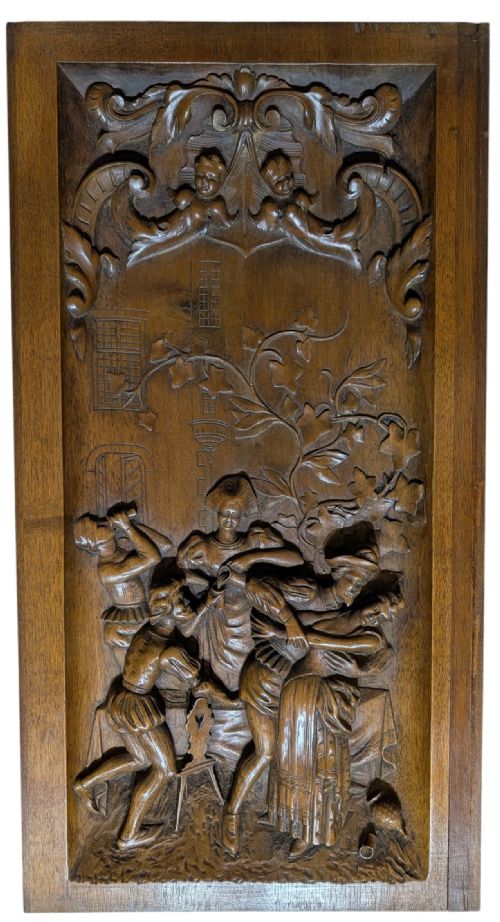
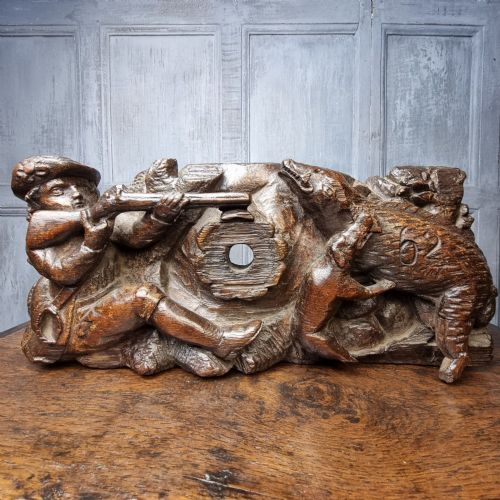
An architectural timber plaque encompasses carved wooden panels, wall reliefs, and salvaged architectural elements originating from periods spanning the sixteenth century to the early twentieth century. Buyers seeking an architectural timber plaque encounter works executed in oak and mixed woods, frequently functioning as wall art or decorative wall plaques.
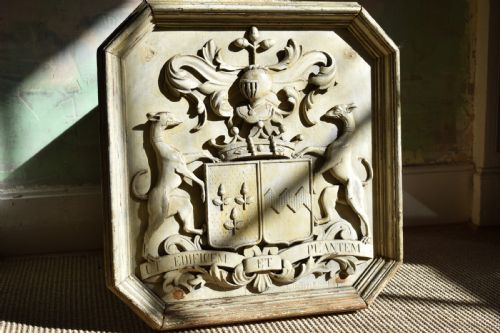
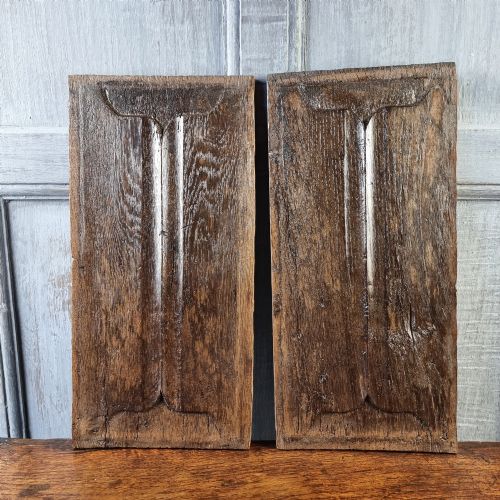
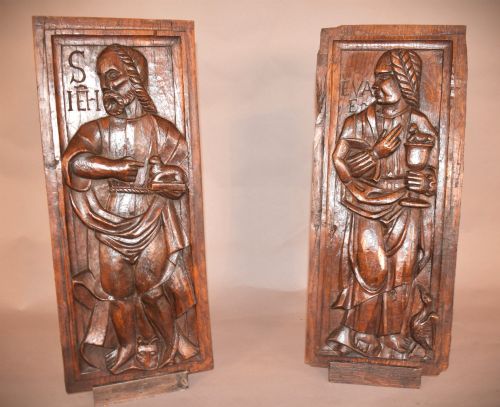
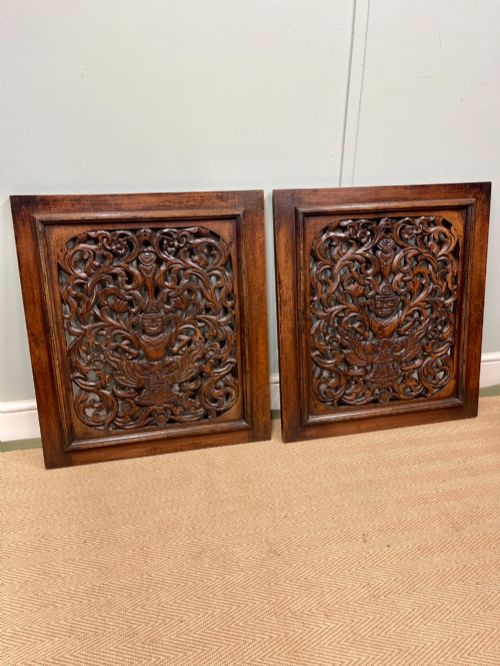
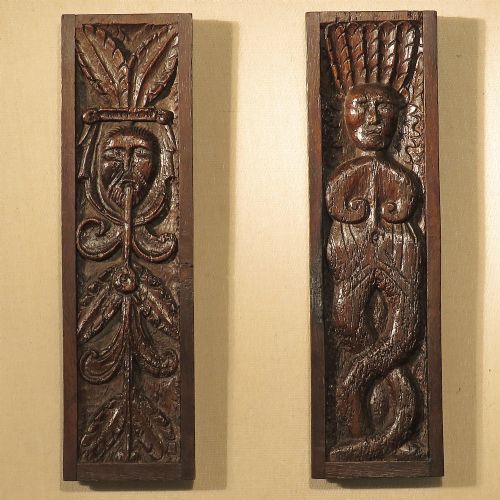
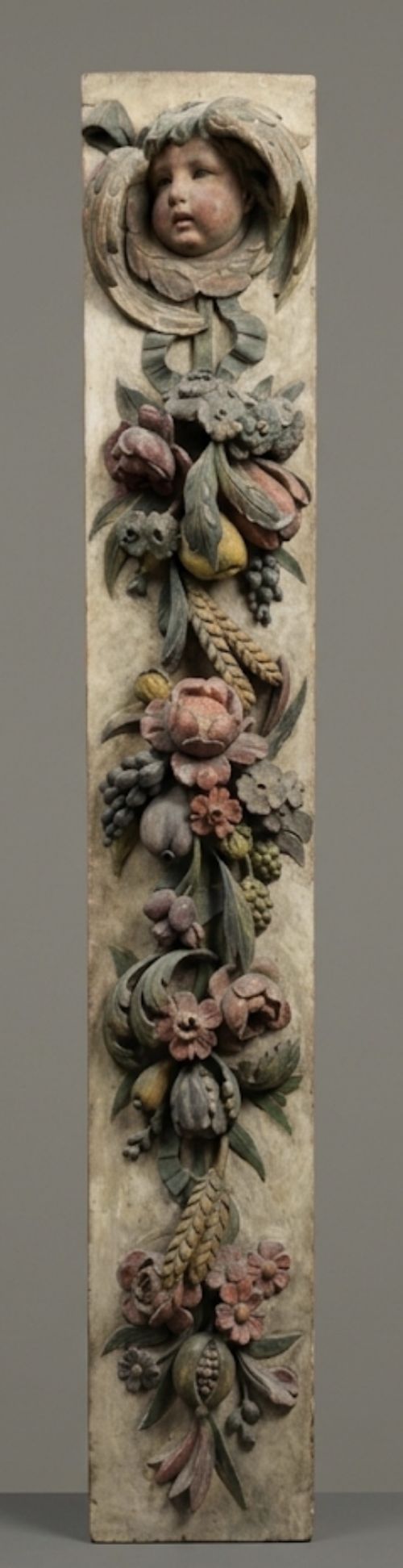
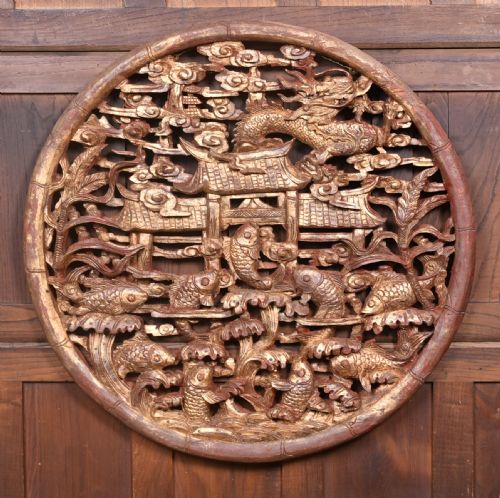
The selection ranges from sixteenth-century linenfold and Green Man panels to seventeenth-century Baroque pierced carvings and eighteenth-century polychrome examples. Nineteenth-century interpretations include armorial plaques, Chinese carved wooden plaques, and pairs of decorative panels.
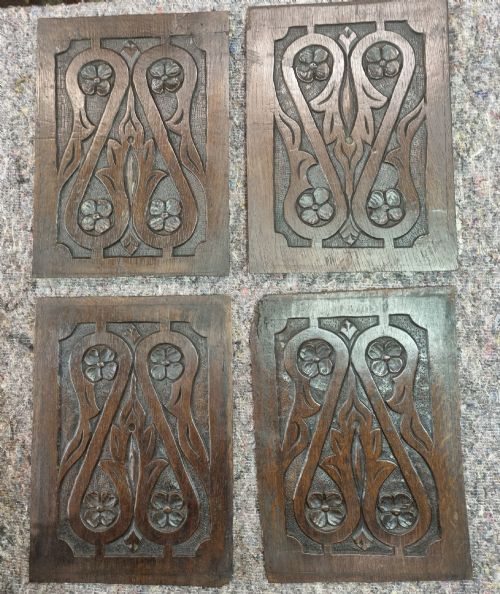
Regional diversity appears across European workshops, including Flemish, German, Dutch, and British examples, alongside Burmese and Chinese wooden panels. Forms span single carved panels, pairs, sets of four, and larger architectural salvage pieces such as cart doors.
What varies in quality
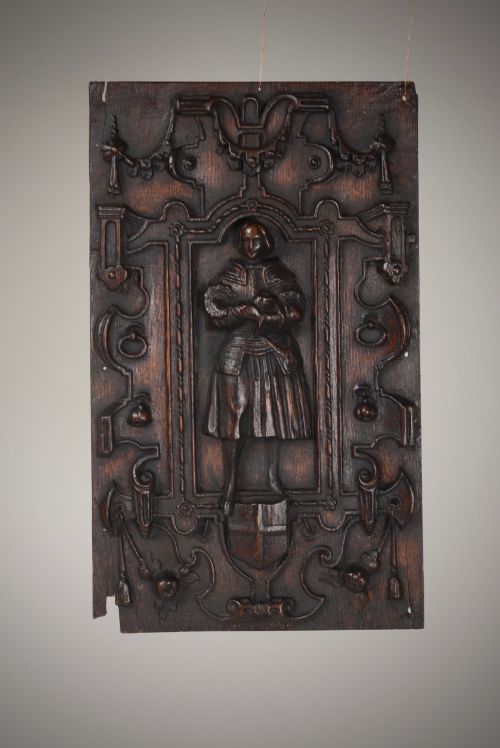
The distinction between tiers rests upon the depth, crispness, and artistic ambition of the carving itself. Relief work featuring high-relief figures, such as allegorical subjects or Green Man masks, demonstrates superior sculptural skill compared to simpler linear decoration.
The integrity of the original timber and the retention of early or original surface finishes, including polychrome paint and gilding, influence the character of the piece. Integrated sets and pairs maintain greater visual cohesion than assembled groupings.
Architectural Timber Plaque Retail Price Guide 2026
Typical asking prices for architectural timber plaque among the pieces listed under this phrase on Sellingantiques today, from the lower quarter to the upper quarter. They describe what is for sale here now, not the wider market.
The Architectural Timber Plaque Glossary
- Linenfold
- A style of wood carving that mimics vertical folds of fabric, popular on sixteenth-century panels. This treatment creates a textured surface resembling folded cloth across the face of the timber.
- Green Man
- A sculptural motif depicting a face carved from or entwined with leaves and vines. It symbolises rebirth and appears frequently in early architectural wood carvings.
- Polychrome
- Decorated in multiple colours, referring to painted wooden surfaces. This technique adds vibrant hues directly to the carved timber relief.
- Acanthus
- A classical ornamental motif based on the foliage of the acanthus plant. Carvers rendered these scrolling leaves in deep relief on Baroque panels.
- Armorial
- Relating to heraldry and coat of arms displays. Armorial plaques signify familial lineage and official heraldic achievements.
Architectural Timber Plaque: Frequently Asked Questions
What is an architectural timber plaque?
An architectural timber plaque is a carved wooden panel, wall relief, or salvaged element removed from historic buildings and adapted for display as wall art.
These pieces showcase traditional craftsmanship, ranging from early linenfold designs to Baroque figural carvings and nineteenth-century armorial plaques.
How were these wooden panels used?
Historically, these carvings functioned as structural and decorative components within domestic interiors, wall panelling, doors, and institutional buildings.
Today, collectors mount them directly onto walls as standalone artworks or decorative wall plaques to introduce historic texture into modern rooms.
How do I date a carved wooden panel?
Dating relies on stylistic clues, including the presence of linenfold motifs for sixteenth-century pieces, acanthus scrolls for Baroque works, and specific joinery methods.
Examining the wood species, such as dark oak, and the nature of the tool marks helps differentiate between early periods and nineteenth-century revival pieces.