
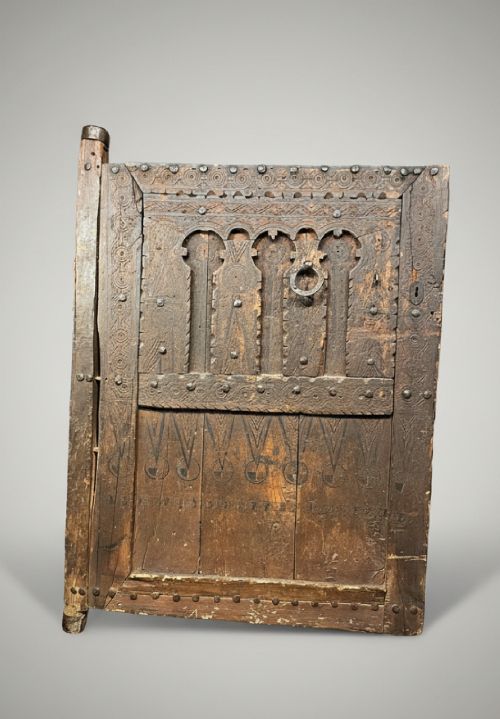
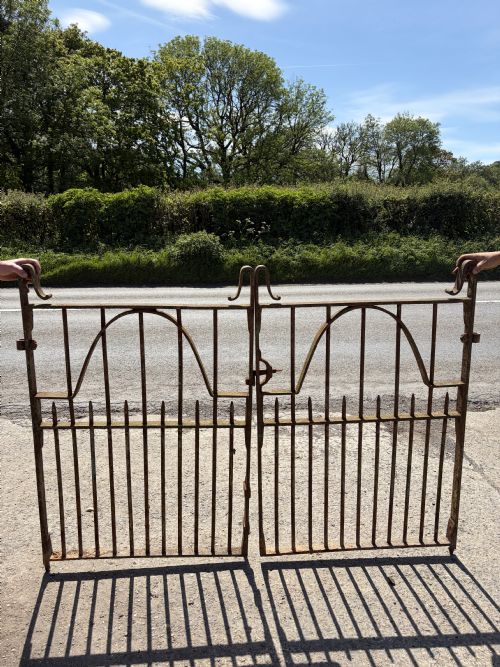
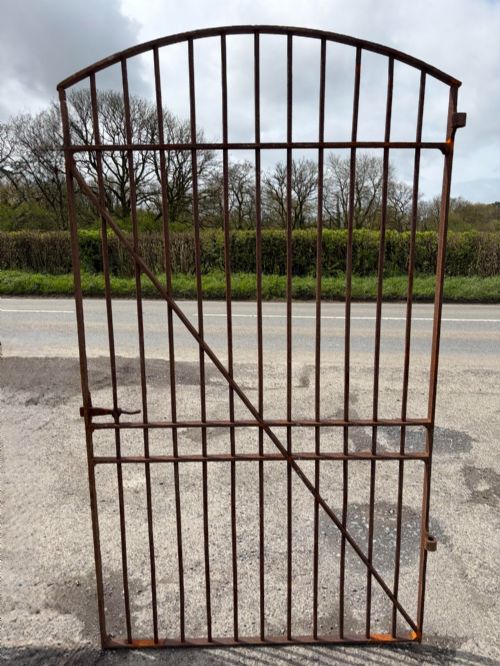
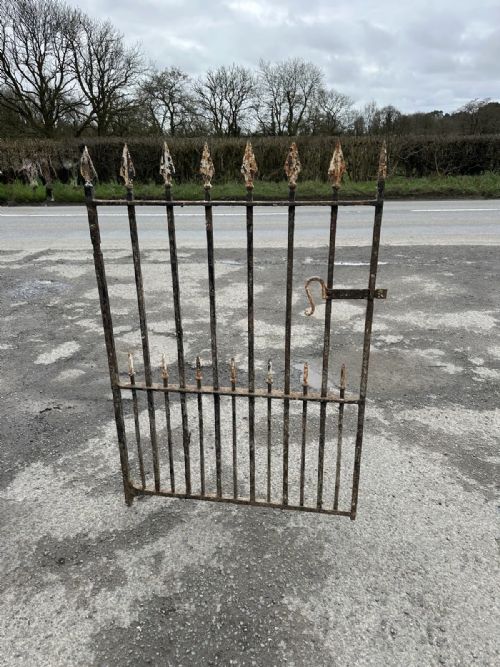


Architectural Salvage Gate
An architectural salvage gate brings solid historic character and robust security to any garden boundary.
Identifying architectural salvage gate examples
An architectural salvage gate encompasses sturdy entrance barriers reclaimed from historic properties, estates and gardens. These pieces span periods from circa 1800 through the Victorian era and into the early twentieth century.
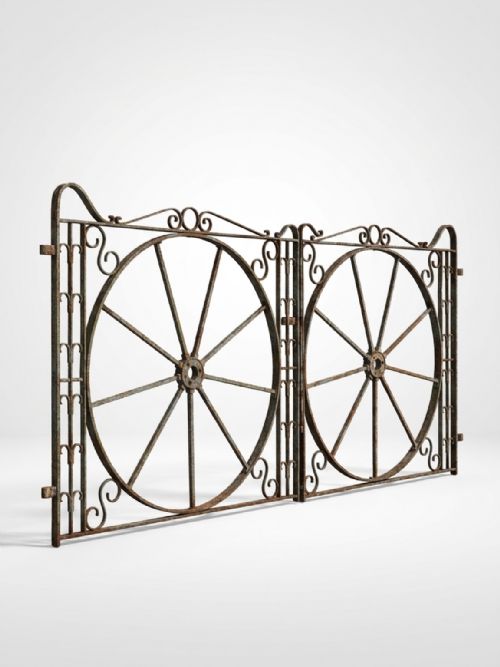
Buyers encountering this category will frequently discover tall estate gates, garden gates and specialised kissing gates. Each form reflects the robust functional requirements of its original setting.
Materials and construction methods
Every piece listed in this category utilises wrought iron as the sole structural material. Blacksmiths shaped these durable bars by hand to form rigid boundaries designed to withstand decades of outdoor exposure.
Construction techniques include traditional strapwork and heavy riveting. These methods created flexible yet resilient barriers capable of supporting large spans like eight foot estate gates.
Retail Price Guide 2026
Typical UK retail prices for architectural salvage gate, calculated from the Sellingantiques database of over a million retail prices indexed since 2003. This retail price guide relies exclusively on Sellingantiques data; no external sources or auction records are used, so the figures do not describe the wider market.
A blacksmith circa 1800 hammered your gate into shape while listening to village gossip.
Assessing quality and craftsmanship
Quality in these iron structures rests upon the complexity of the blacksmith's work and the intricacy of the design. Simpler farm structures differ markedly from elaborate estate pieces featuring decorative strapwork or trident finials.
The integrity of the original metalwork dictates the overall standing of an example. Heavy gauge wrought iron shaped with precise riveting represents the highest standard of period production.
The Architectural Salvage Gate Glossary
- Wrought iron
- A tough, malleable form of iron easily heated and worked by a blacksmith into decorative and structural bars. This material resists rust better than modern cast steel and patinates richly over time.
- Strapwork
- A decorative pattern made from flat strips of metal intersecting in geometric or strap-like designs. It provides both structural bracing and visual appeal on estate barriers.
- Kissing gate
- A type of pedestrian gate that opens within a small enclosure, allowing one person through at a time while keeping livestock contained. These typically swing on a central pivot post.
- Trident detail
- A decorative finial shaped like a three-pronged spearhead welded to the top rails of a barrier. This motif adds height and a formal defensive appearance to Victorian garden entrances.
Frequently Asked Questions
How are architectural salvage gates installed?
These heavy metal barriers require secure mounting into stone piers or heavy timber posts. Professional installation ensures the substantial weight of the wrought iron hangs level and swings freely without sagging.
Buyers must check the load-bearing capacity of existing gateposts before hanging tall estate or garden entrances.
How do I maintain wrought iron outdoors?
Regular inspection for surface rust helps preserve the historic metalwork against damp weather conditions. Applying specialised protective paint or wax coatings safeguards the original blacksmith finish.
Keeping the base clear of soil and leaf debris prevents moisture retention at ground level.
How do I date an iron gate?
Dating relies on examining the construction marks, rivet styles and overall design characteristics. Pieces from circa 1800 often display distinct blacksmith forging traits, whereas Victorian examples frequently feature more ornate strapwork and trident details.
Comparing the structural proportions and joining techniques helps place an object within the nineteenth or early twentieth century.