

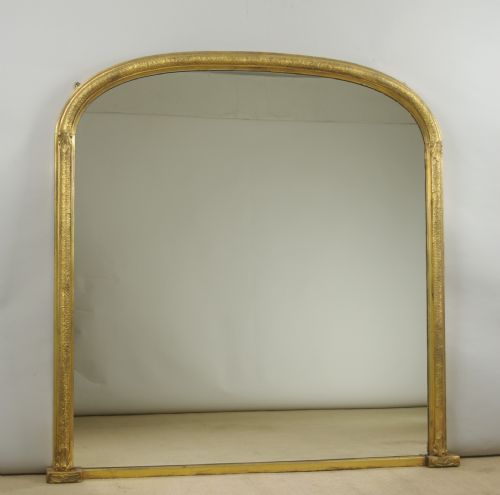
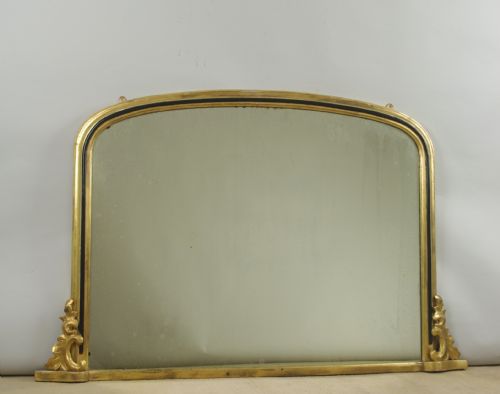
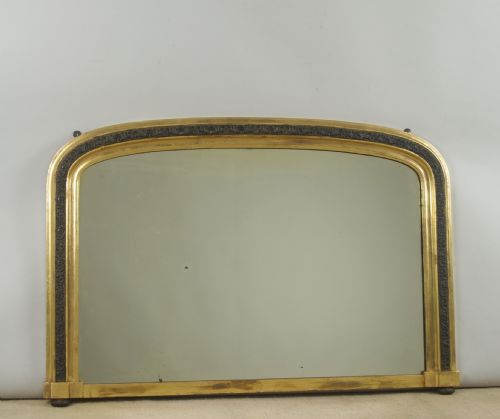
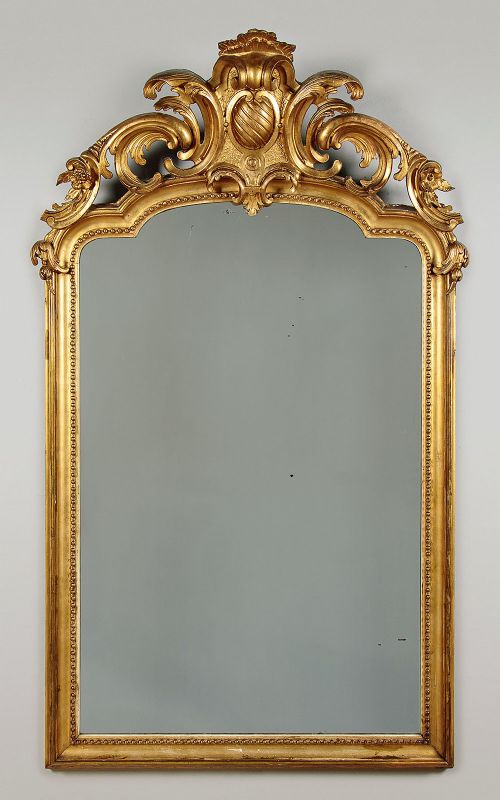
Arched Overmantle Mirror
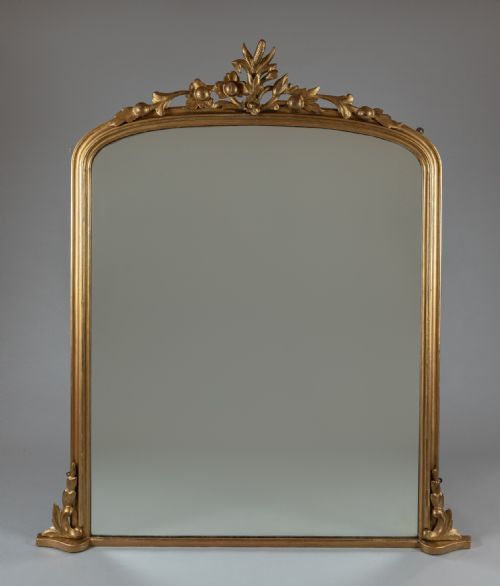
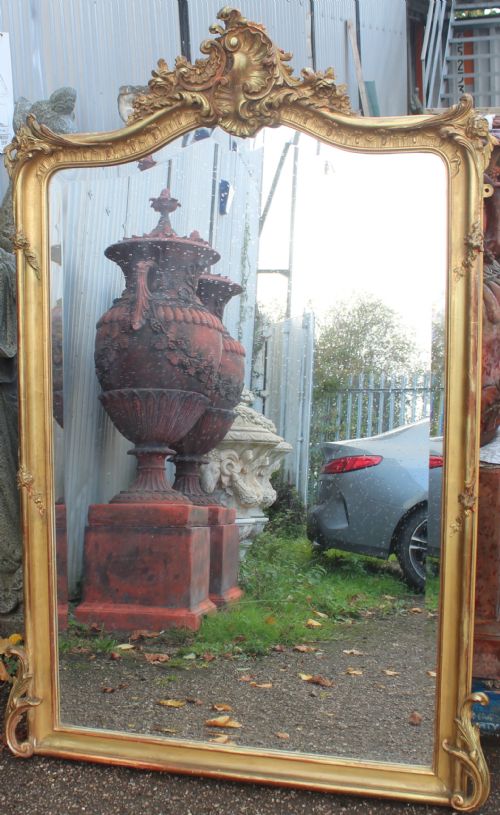
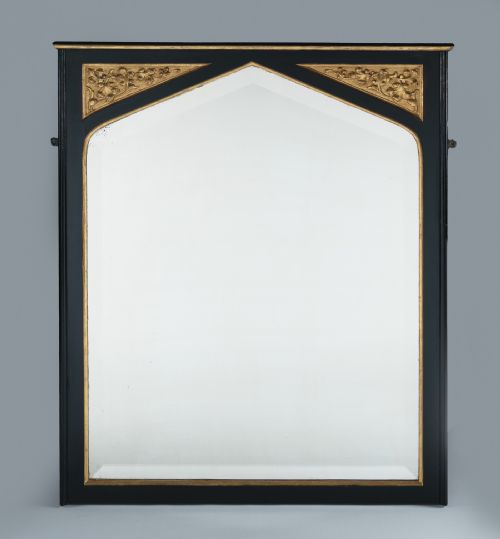
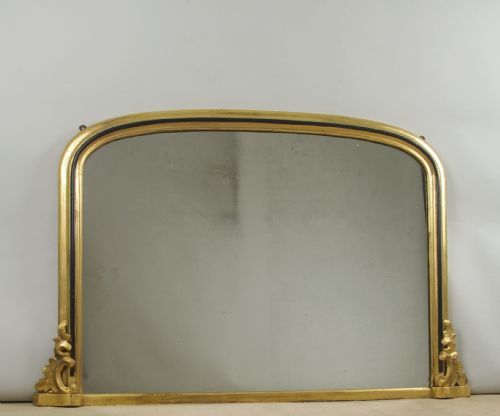
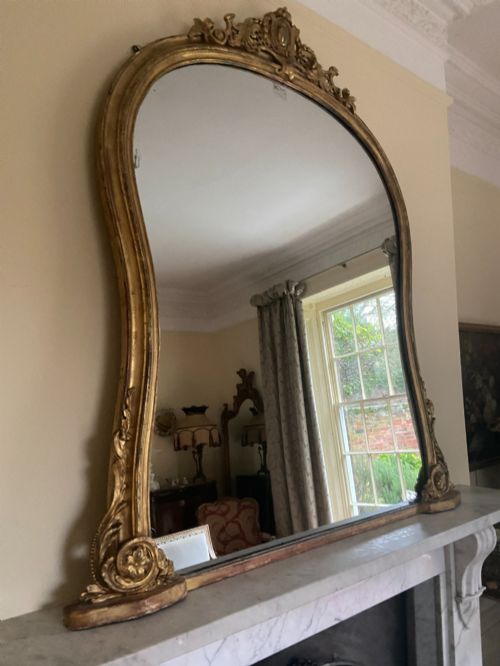
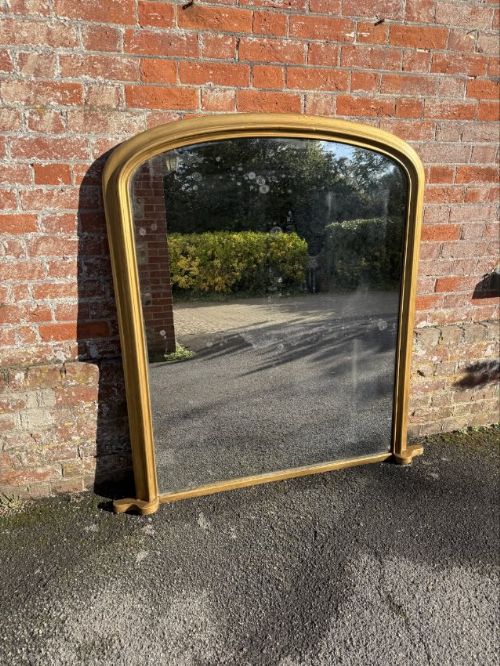
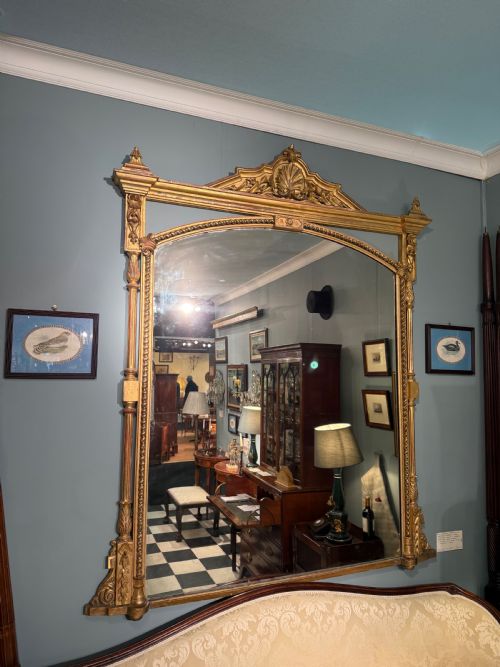
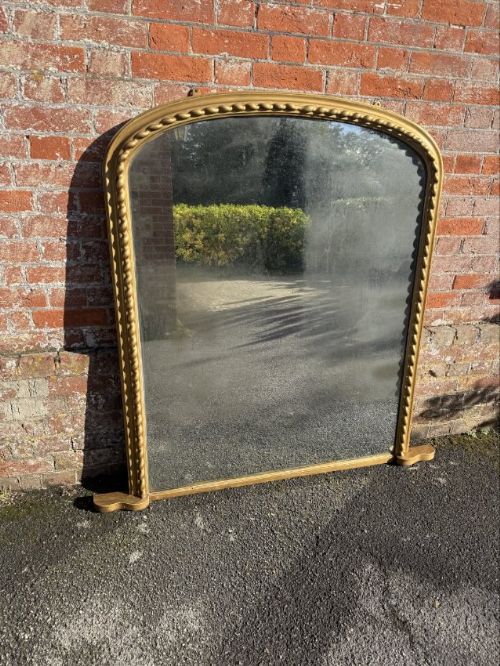
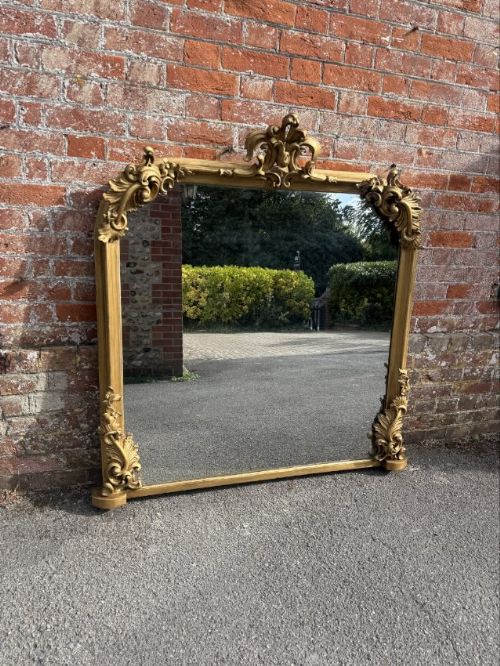
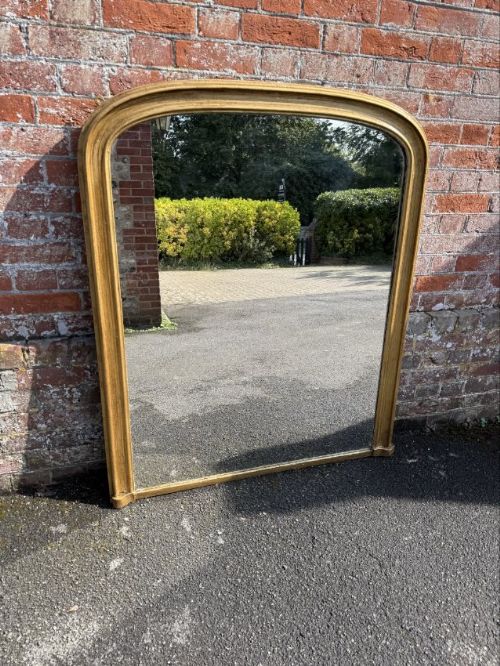
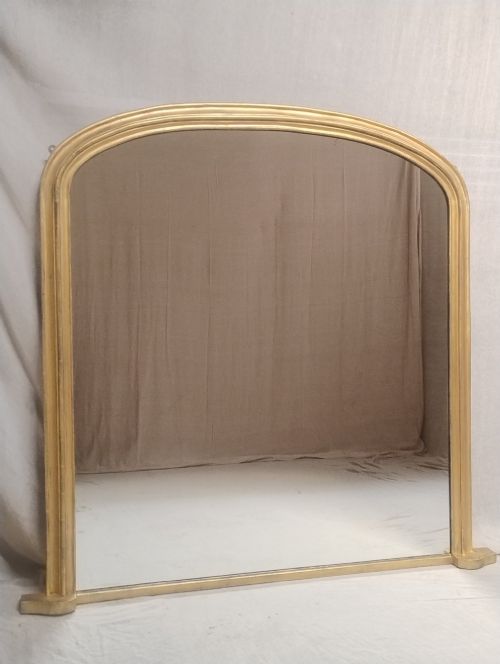
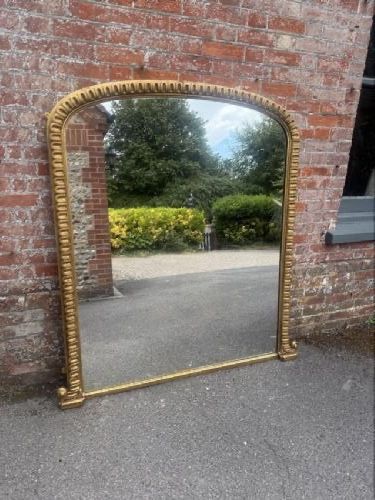
These large nineteenth-century pieces, known as an arched overmantle mirror, anchor a room above a fireplace by reflecting light and space.
Arched Overmantle Mirror
An arched overmantle mirror is a substantial wall-hanging glass piece specifically proportioned to sit above a domestic fireplace. Most examples found here date from the Victorian era, spanning the mid to late nineteenth century, reflecting the period's domestic scale and interior design priorities.
The primary form is defined by an arched or shaped top designed to draw the eye upward toward the mantelpiece and ceiling. These large proportions made them the visual anchor of principal reception rooms in English homes.
How They Were Made
Traditional construction relies on a carved wooden base built to support significant weight. Artisans applied layers of gesso and composition over the timber substrate to create raised decorative mouldings.
Surfaces were then gilded with gold leaf or painted, frequently utilising techniques like rope twist, ribbed, or tulip framing to add depth and texture to the border.
Arched Overmantle Mirror Retail Price Guide 2026
Typical asking prices for arched overmantle mirror among the pieces listed under this phrase on Sellingantiques today, from the lower quarter to the upper quarter. They describe what is for sale here now, not the wider market.
The listings show nineteenth-century pieces spanning the 1850s to the 1900s, constructed from wood, gesso, and mirror glass.
What Varies in Quality
Quality rests in the crispness of the carved wood and gesso ornamentation applied to the frame. Superior examples display deeply defined details in motifs like rope twists or floral patterns rather than soft, worn contours.
The integrity of the original gilding and the preservation of the antique mirror glass itself dictate the distinction between standard and exceptional pieces.
The Arched Overmantle Mirror Glossary
- Gesso
- A plaster-like mixture applied to wood frames to provide a smooth base for gilding. It is built up in layers before being carved or stamped with decorative motifs.
- Giltwood
- Timber that has been coated with a thin layer of gold leaf. This finish gives the frame its characteristic metallic sheen and protection against tarnish.
- Overmantel
- The architectural space directly above a fireplace mantel. Mirrors designed for this placement are proportioned to match the width of the fireplace surround below them.
- Composition
- A moulded material made from whiting, linseed oil, resin, and glue, pressed into decorative ornaments for frames. It allowed makers to produce intricate relief details more efficiently than direct carving.
Arched Overmantle Mirror: Frequently Asked Questions
Where should I hang an overmantle mirror?
These pieces are traditionally hung directly above a fireplace mantelpiece, where their scale balances the hearth below. They can also be mounted on primary drawing room walls to bounce natural light around the space.
Ensure the wall construction and fixings can securely hold the considerable weight of a large wooden and gesso frame.
How do I date a Victorian mirror?
Dating relies on examining the framing materials, backing boards, and the characteristics of the mirror glass itself. Mid-nineteenth-century examples often feature heavier carved wood and gesso frames with distinct floral or architectural motifs.
Later Victorian and turn-of-the-century pieces may show subtle shifts in proportion and framing styles, such as rope twist or ribbed borders.
Are the mirror plates original?
Many nineteenth-century frames retain their original mirror glass, which often exhibits gentle foxing and age spots. These natural imperfections confirm the age and authenticity of the piece.
Some mirrors have undergone professional restoration or plate replacement over the decades to maintain a clearer reflection.
How do I clean a gilded frame?
Dust the carved wood and gesso surfaces gently with a soft, dry brush to remove settled particles. Avoid using liquid cleaners, polishes, or damp cloths, as moisture can damage fragile gold leaf and composition ornaments.