


Arched Glazed Display Cabinet
An arched glazed display cabinet holds books and porcelain behind glass, offering a clear view of possessions while keeping them safe from dust.
Arched Glazed Display Cabinet
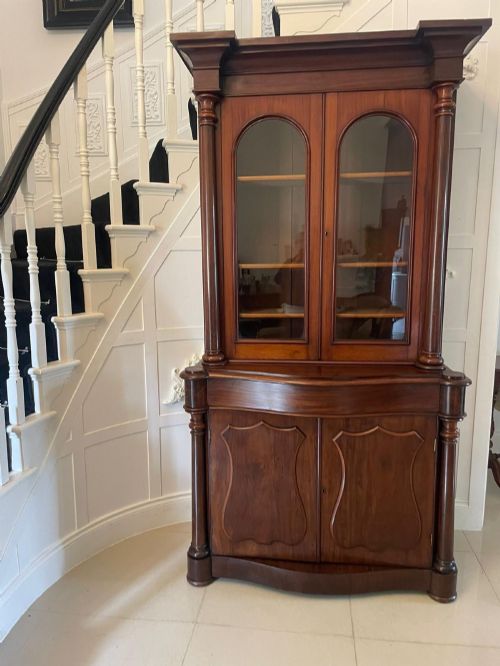
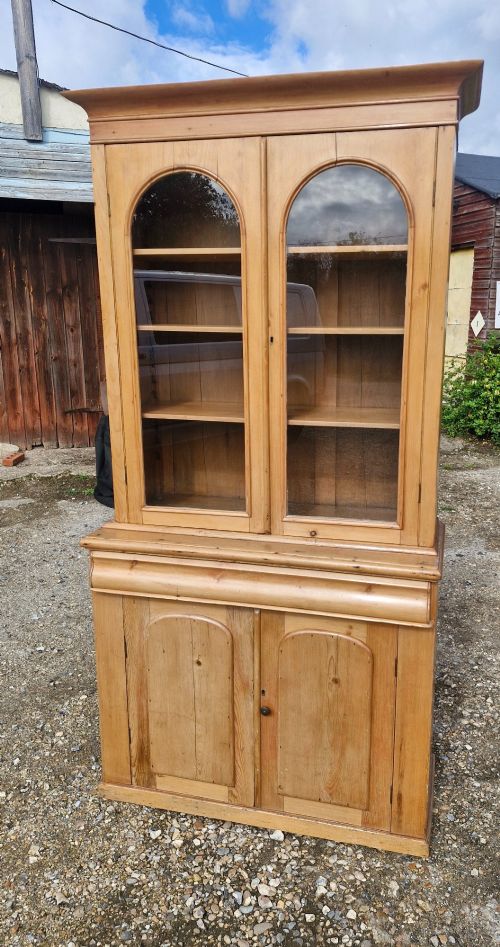
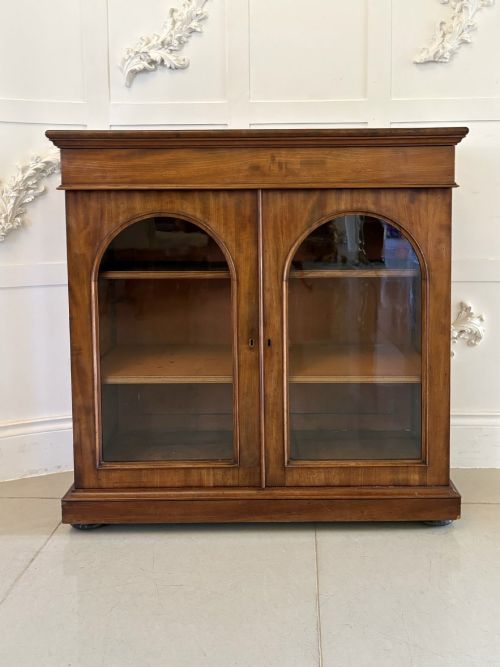
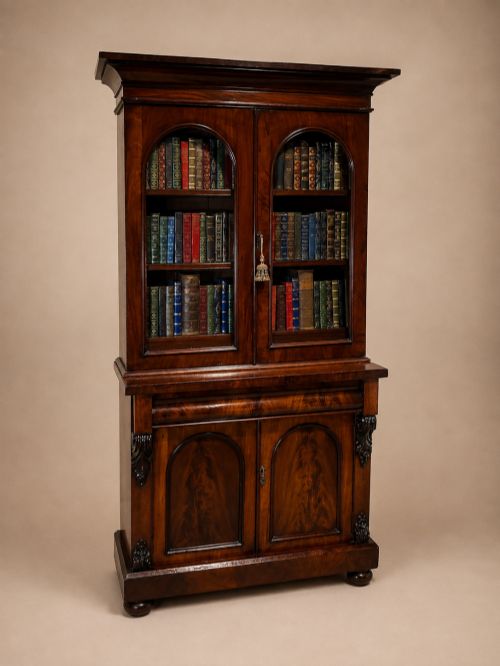
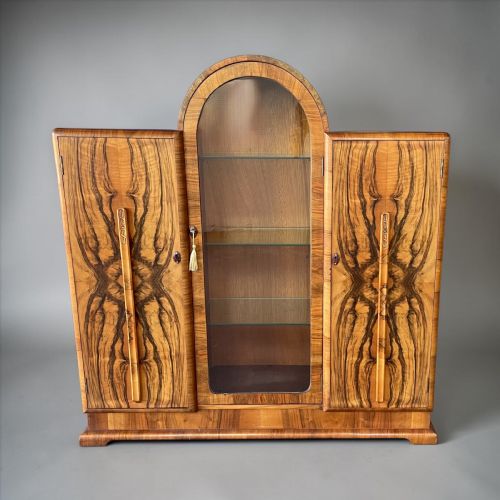
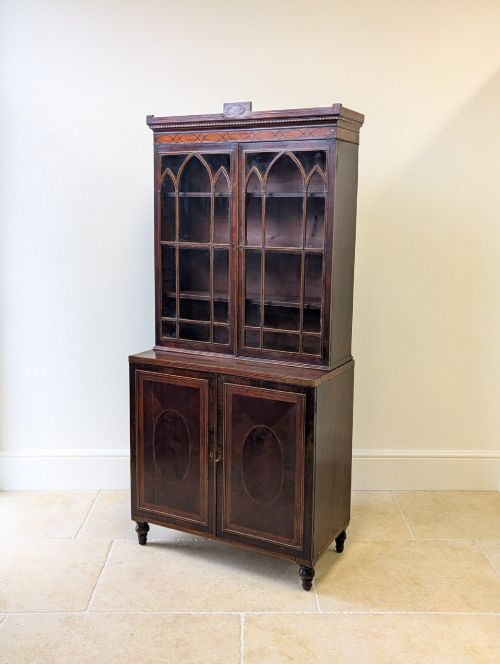
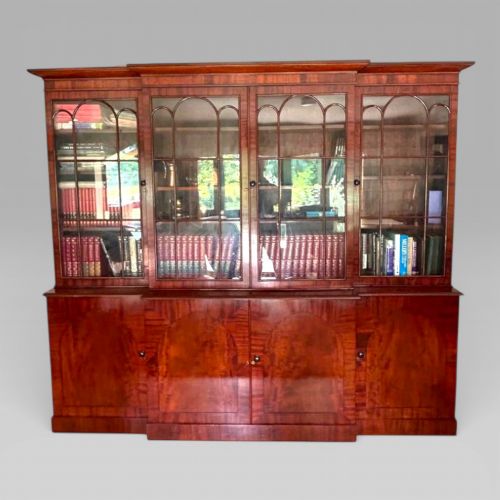
An arched glazed display cabinet serves as a storage piece for books, ceramics and decorative objects, using transparent glass doors to reveal the interior contents. When searching for an arched glazed display cabinet, buyers encounter forms ranging from tall upright bookcases and corner units to breakfront designs and kitchen dressers.
The pieces originate across several centuries, with examples appearing from the eighteenth, nineteenth and early twentieth centuries. Makers constructed these cabinets in styles such as Georgian, Victorian, Regency, Gothic Revival, French Provincial and Art Deco.
Most items combine timber shelving with glass panelling set into doors, sometimes featuring lower wooden cupboards or drawers beneath the display section. Corner cupboards and freestanding breakfront libraries populate the selection alongside standard single and double door upright cabinets.
How they were made
Cabinet makers utilised solid timbers and veneers including mahogany, walnut, oak, pine, rosewood and burr walnut for the primary carcases and frames. Glass formed the viewing panels within doors, while brass provided hardware such as hinges, escutcheons and locks.
Joinery techniques involved traditional framing for glazed doors, housing joints for shelving, and occasionally decorative inlays such as Tunbridgeware or marquetry. Painted wood finishes also appear on specific regional pieces alongside polished timber surfaces.
Secretarial desks hide behind glass doors and falling panels, proving that nineteenth-century Victorians enjoyed writing letters while staring at their own bookshelves.
What varies in quality
The choice of primary timber and secondary wood dictates the baseline quality, with figured mahogany and burr walnut sitting above standard pine or painted utility pieces. Grain selection, bookmatching on veneers and the crispness of carved details or inlaid motifs separate standard workshop production from finer cabinet work.
Proportion and architectural execution define the upper tier of these pieces, particularly in the shaping of the arched glazing bars and the integration of breakfront cornices. Original glass panes, intact brass fittings and sound structural joinery preserve the integrity of the original design.
The Arched Glazed Display Cabinet Glossary
- Glazed
- Fitted with glass panels rather than solid timber doors, allowing visibility of the interior shelving. This term defines any cabinet designed to display books or objects.
- Breakfront
- A piece of furniture where the central section projects forward from the flanking outer sections. This architectural arrangement creates depth and visual interest on larger bookcases.
- Vitrine
- A glass-sided display cabinet intended specifically for porcelain, curiosities and small decorative objects. The term often applies to French and continental exhibition pieces.
- Marquetry
- Decorative patterns formed by inserting thin pieces of wood, shell or ivory into a veneered surface. Craftsmen used this technique to adorn cabinet doors and drawer fronts.
- Escutcheon
- A flat plate of brass or other metal placed around a keyhole to protect the surrounding wood from wear. These fittings often display subtle engraving or shaping characteristic of their period.
Arched Glazed Display Cabinet: Frequently Asked Questions
What is an arched glazed display cabinet used for?
These cabinets provide secure storage and display space for libraries, fine china, glassware and collections of small ornaments. The glass doors protect delicate items from household dust while keeping them fully visible.
Historically, tall bookcases and breakfronts sat in libraries and drawing rooms to house leather-bound volumes and family porcelain. Smaller corner cabinets utilised awkward room angles for decorative display.
How do I identify the period of a glazed cabinet?
Dating relies on observing the timber choices, construction methods, glazing bar thickness and prevailing stylistic motifs. Georgian pieces often feature glazing bars with fine geometric lead or timber muntins, whilst Victorian examples frequently employ heavier mahogany framing.
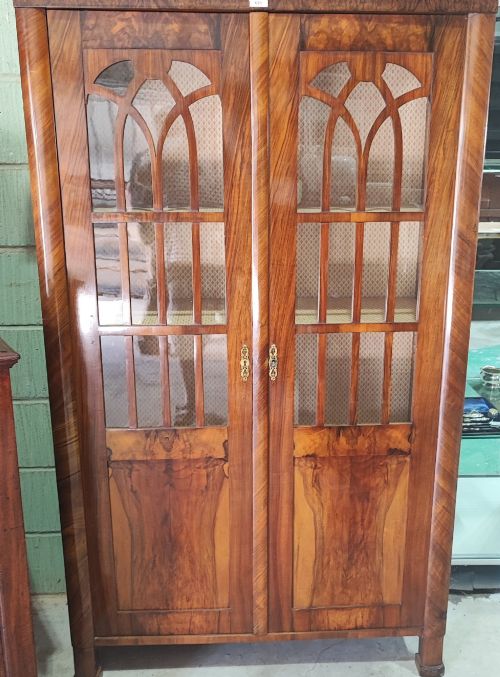
Later nineteenth-century and Edwardian pieces sometimes incorporate revival styles such as Gothic arches or French marquetry. Examining the interior secondary woods and backboards provides further clues regarding age.
Are these cabinets suitable for small rooms?
Compact options including corner cabinets and single-door wall or floor units fit efficiently into restricted spaces without dominating a room. Corner cupboards make effective use of unused junctions between walls.
Tall upright bookcases with slender proportions offer vertical storage capacity whilst occupying minimal floor area. Selecting lighter timbers such as pine or painted finishes also helps smaller interiors feel open.
Can I adjust the shelves inside?
Many antique cabinets feature fixed shelving dictated by the original construction of the interior carcase. Some later nineteenth- and twentieth-century examples incorporate adjustable rack systems for shelf placement.
Buyers planning to store oversized books or specific collection heights should verify internal clearances before purchase. Fixed wooden shelves contribute to the overall structural rigidity of older carcases.