
1930s Art Deco Bookcase
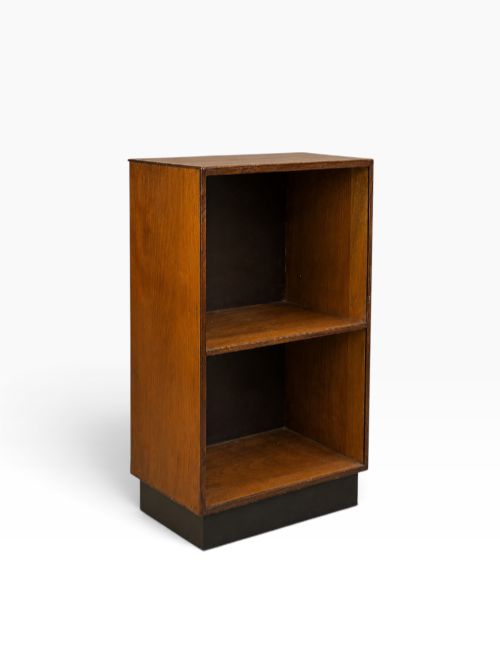
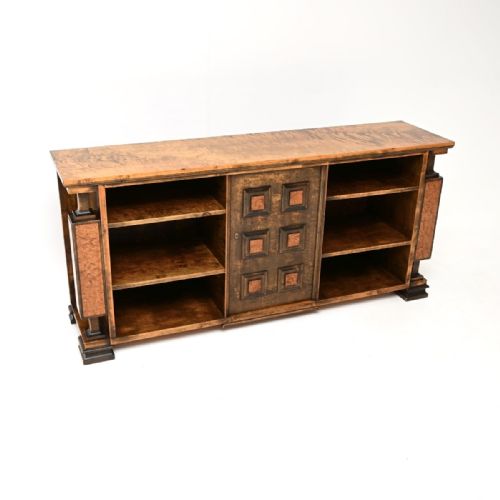
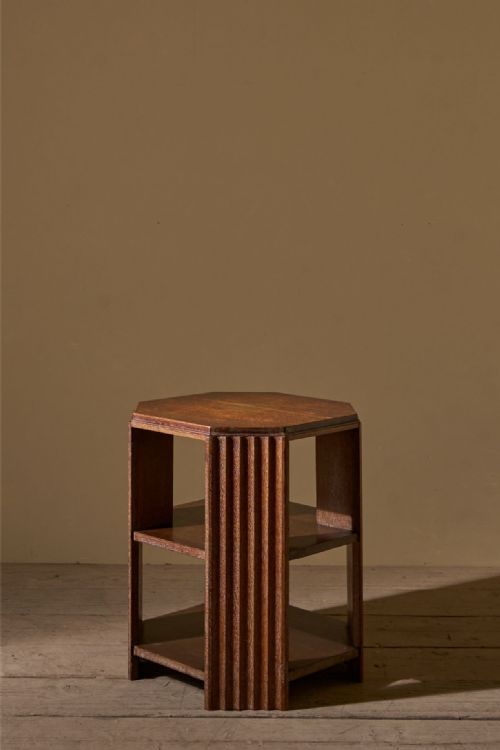
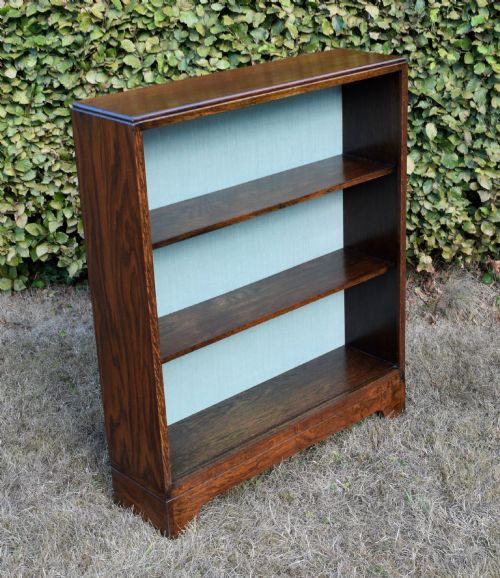
A 1930s art deco bookcase brings architectural ambition to a room, offering linear geometry and rich figured timbers to hold a library.
1930s Art Deco Bookcase
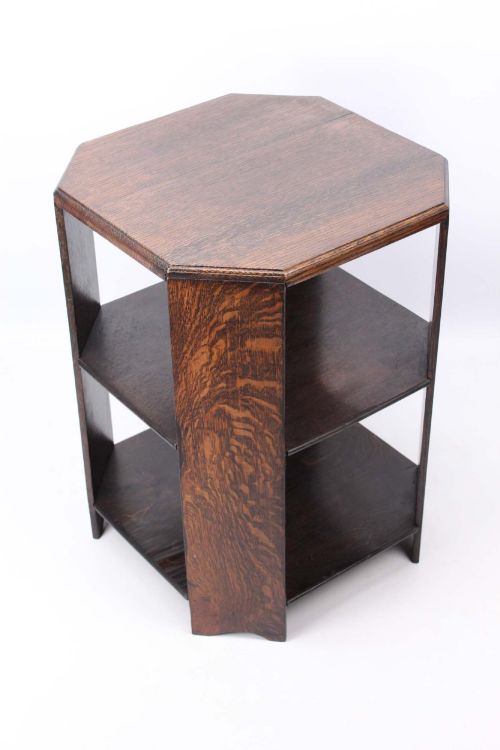
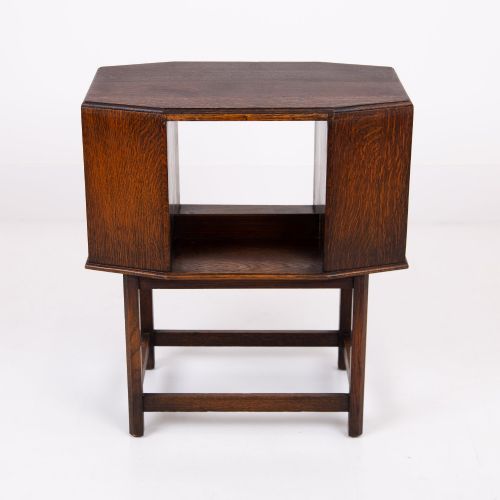
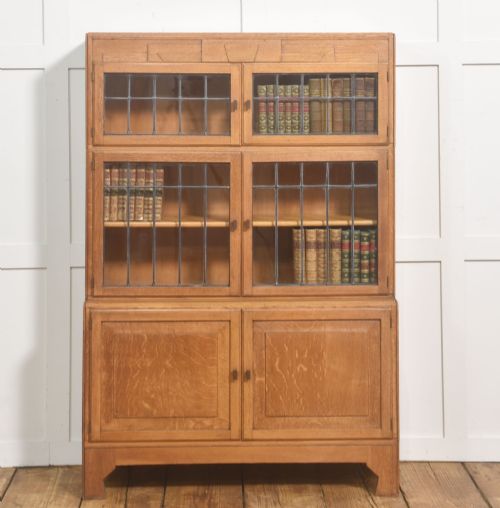
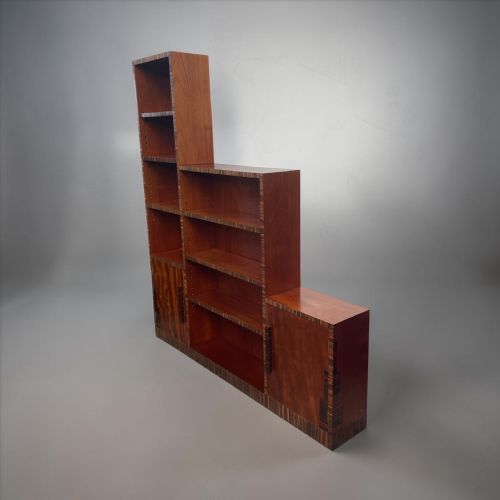
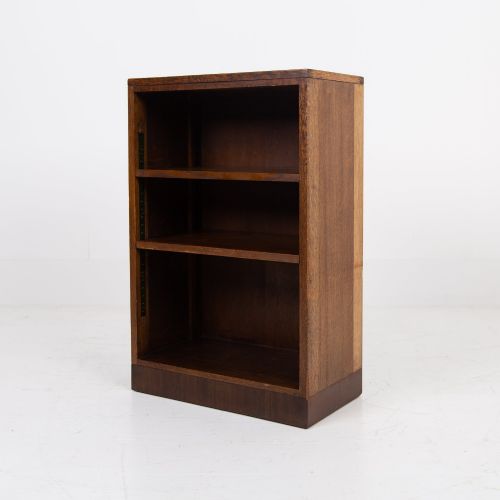
A 1930s art deco bookcase represents an era of bold geometric forms, stepped profiles, and purposeful storage designed for interwar domestic spaces. When searching for a 1930s art deco bookcase, buyers encounter pieces that function as both open shelving units and enclosed display cabinets with glazed doors.
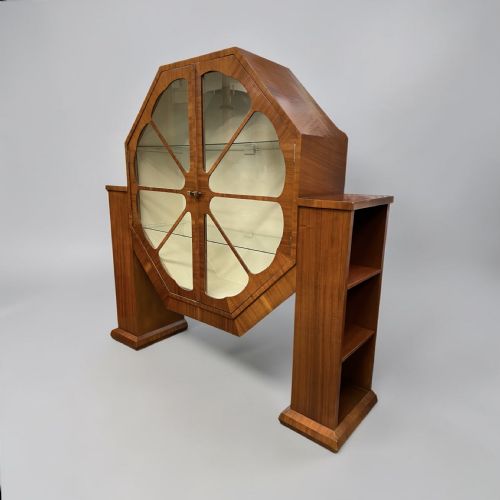
The selections span from solid English oak and limed oak configurations to pieces shaped from walnut, burr walnut veneer, satin birch, and ash. Many examples merge storage with display, integrating leaded glass panels, curved vitrine shapes, and side table attachments into the overall carcass.
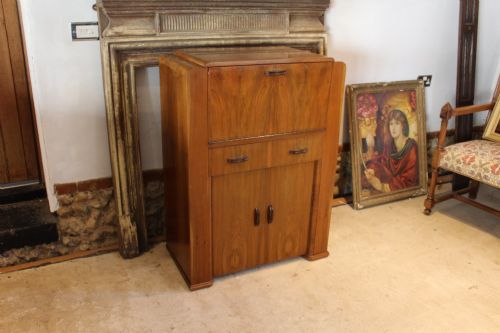
While the dominant period is the 1930s, forms occasionally cross into Edwardian traditions or borrow Queen Anne revival cues alongside modernist interpretations. Buyers regularly find these items designated as display cabinets, bureaus, or library tables alongside standard upright shelving.
How they were made
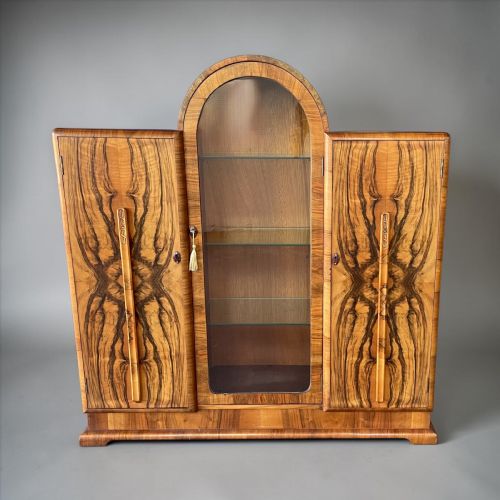
Cabinet makers of the period utilised solid hardwoods like oak alongside complex veneering techniques on carcases of walnut, burr walnut, and satin birch. The application of selected veneers allowed craftsmen to create symmetrical grain patterns across curved doors and stepped frontages.
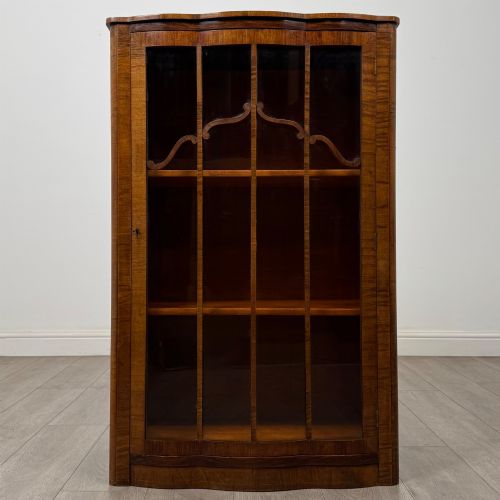
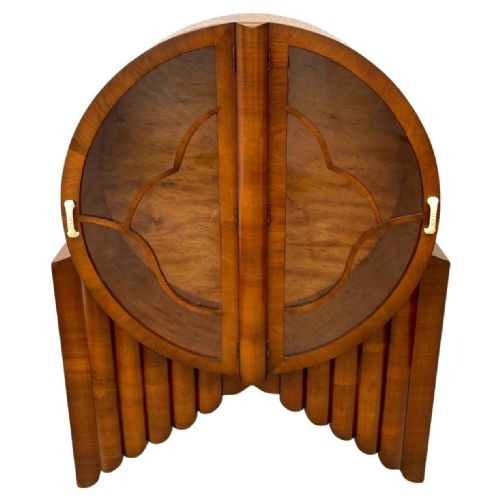
Glazing methods varied from leaded glass panes set into wooden lattices to large curved glass fronts on circular or rocket-shaped display cabinets. Brass hardware, leather top insertions, and subtle surface liming completed the construction of these interwar furnishings.
Materials span from solid English oak and ash to decorative burr walnut, satin birch, brass, and leaded glass.
What varies in quality
The distinction between standard production items and top-tier examples rests in the selection of timber veneers and the ambition of the silhouette. Pieces executed in figured burr walnut, satin birch, or sycamore with deliberate stepped profiles demonstrate a higher level of design execution.
Attribution to known workshops or named makers elevates the standing of a piece above anonymous commercial production. The precision of the joinery, the integrity of the curved or leaded glass, and the preservation of the original polished surface finish determine the lasting standing of the cabinet.
F.H. Marshall & Co·Heals·Betty Joel·Maurice Adams·Rurka·Epstein
The 1930s Art Deco Bookcase Glossary
- Burr Walnut
- A figured wood grain taken from the wart-like growth on a walnut tree, highly prized for its swirling patterns. It is typically applied as a veneer across cabinet doors and drawer fronts.
- Vitrine
- A glass-fronted display cabinet designed to showcase books or decorative objects. These units often feature curved glass or upright vertical proportions.
- Stepped Bookcase
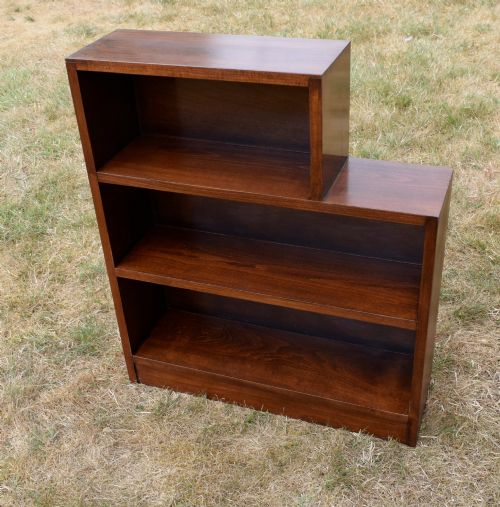
- A shelving unit featuring profiles that ascend or descend in geometric tiers. This silhouette is a defining characteristic of interwar modernist design.
- Limed Oak
- Timber treated with a specialised white-pigment finish that highlights the open grain of the oak. The technique creates a lighter, softened surface tone.
- Leaded Glass
- Small panes of glass held together within a framework of lead cames. It is frequently utilised on the glazed doors of period display cabinets.
1930s Art Deco Bookcase: Frequently Asked Questions
What defines a 1930s art deco bookcase?
These pieces are characterised by geometric lines, stepped architectural forms, and the prominent use of figured timbers like walnut and oak.
They combine practical shelving with display functions, often incorporating glass doors or integrated side tables.
How do I identify a walnut veneer?
Veneer involves thin slices of decorative wood applied over a stable secondary timber carcass to achieve striking symmetrical grain patterns.
Burr walnut variants display intricate swirling figures across the flat surfaces of cabinet doors.
Were these bookcases made only of oak?
While solid and limed oak were common materials for interwar shelving, makers also utilised walnut, satin birch, ash, and sycamore.
Exotic veneers were frequently selected to accentuate the modernist aesthetic of the cabinets.
What is a rocket cabinet?
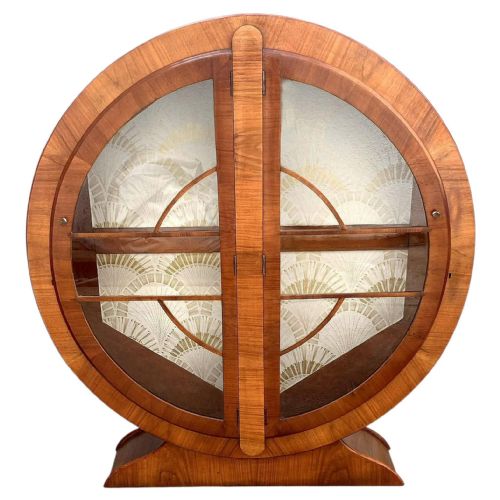
A rocket cabinet is an upright circular or curved display vitrine engineered during the 1930s to maximise vertical presence.
These pieces feature curved glass doors and specialised internal shelving designed for prominent placement in a room.