

Arched Glass Mirror
An arched glass mirror brings height and a reflective sweep to a room, drawing the eye upwards with its curved apex.
Arched Glass Mirror
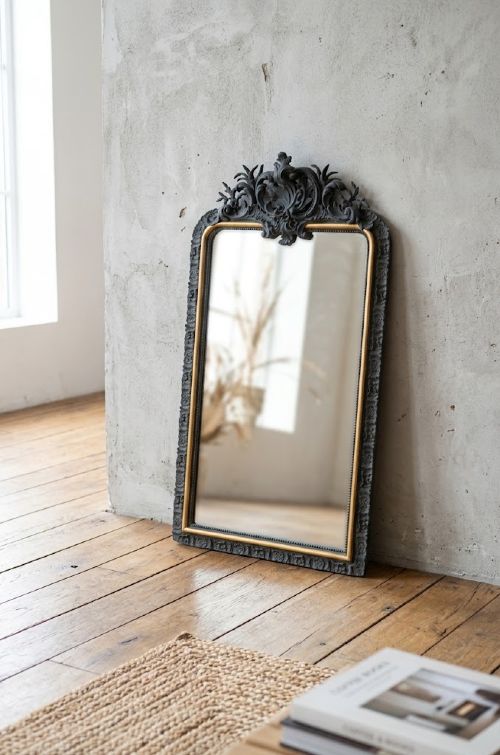
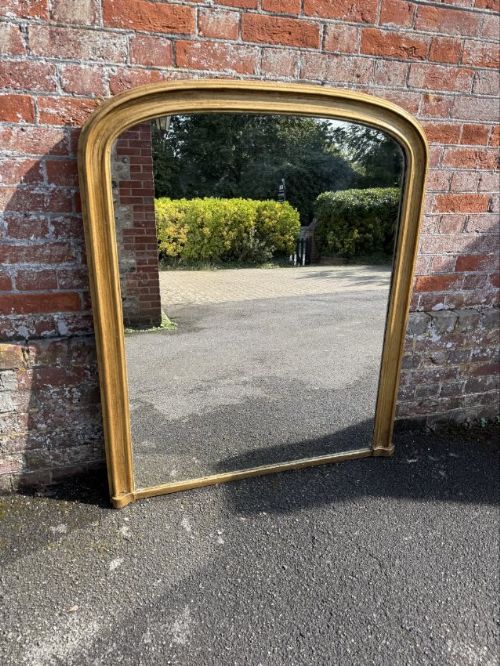
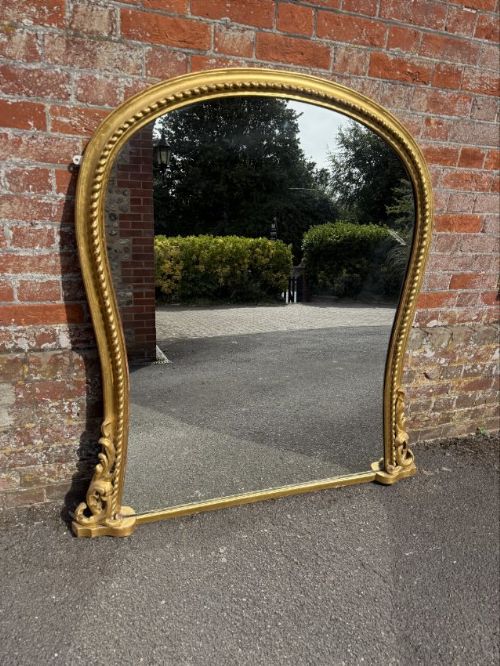
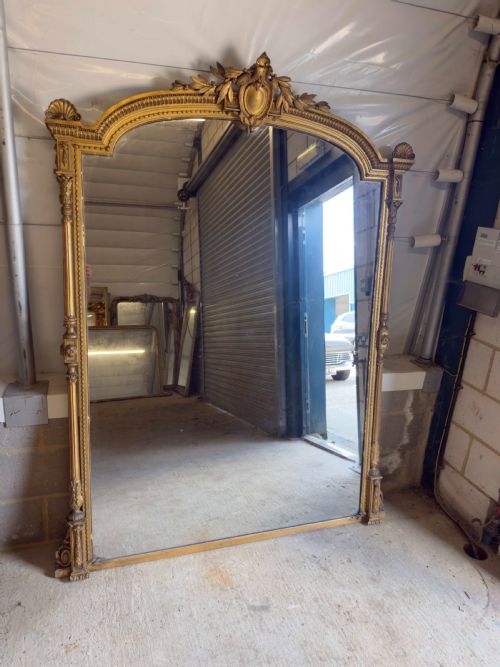
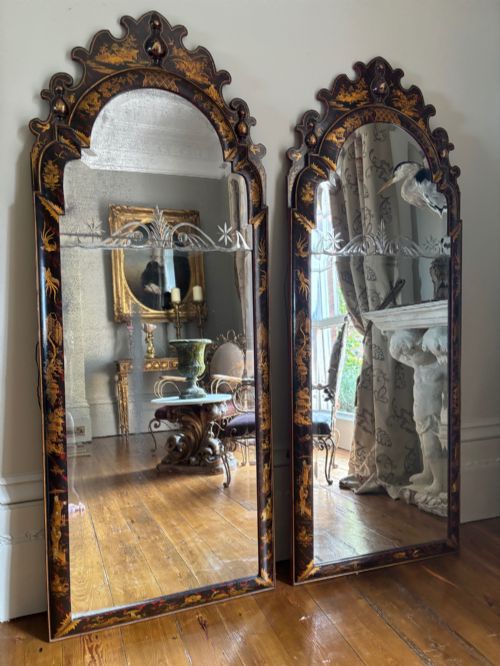
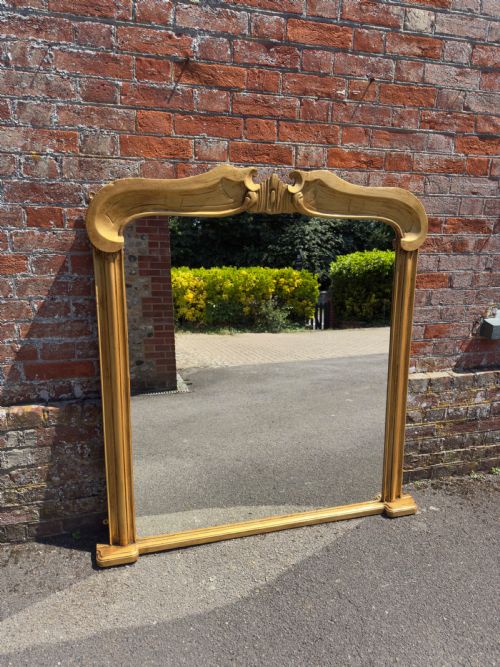
When you search for an arched glass mirror, you encounter a variety of forms designed to hang on walls or stand upon the floor, with overmantel mirrors and wall mirrors dominating the selection. These pieces frequently date from the nineteenth century, including Victorian examples alongside French Louis Philippe designs, while early twentieth-century and Art Deco pieces also appear.
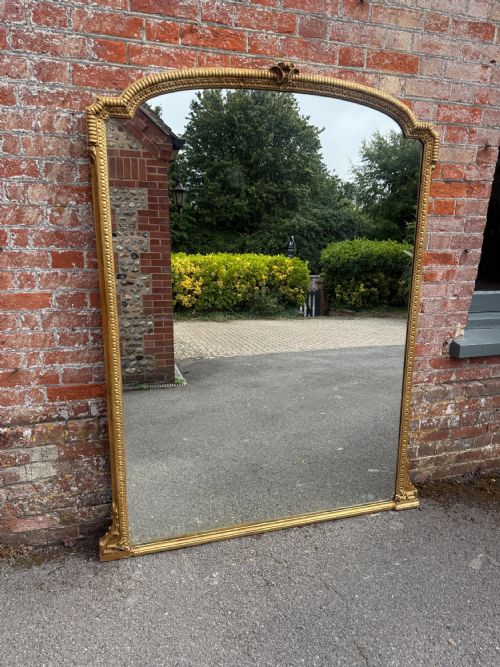
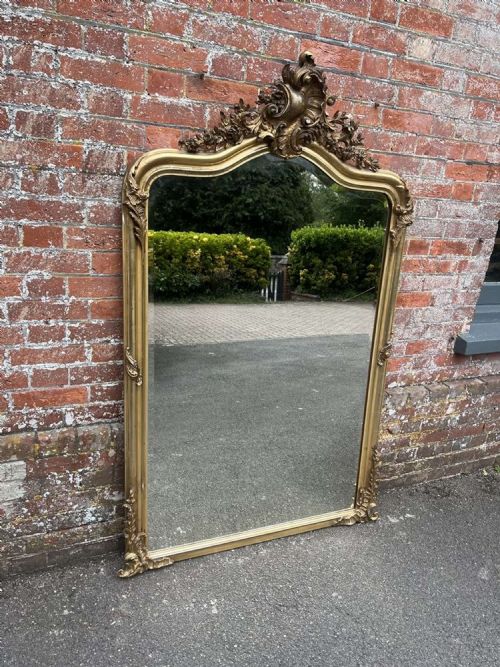
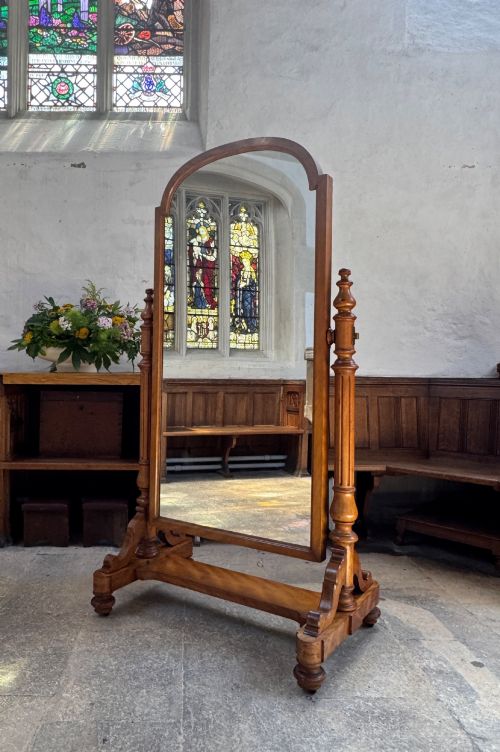
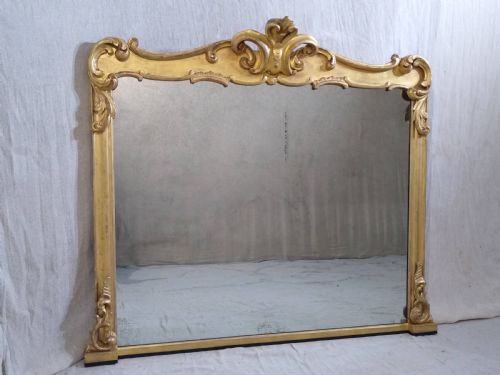
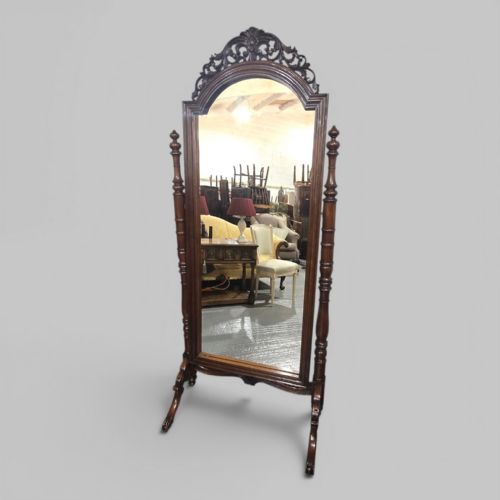
The selection ranges from large giltwood overmantels meant to anchor a chimney breast to smaller dressing table mirrors, cheval mirrors, and pier mirrors. Originating from English and French workshops, they span styles from Rococo Revival and French Empire to Edwardian and Art Deco.
How they were made
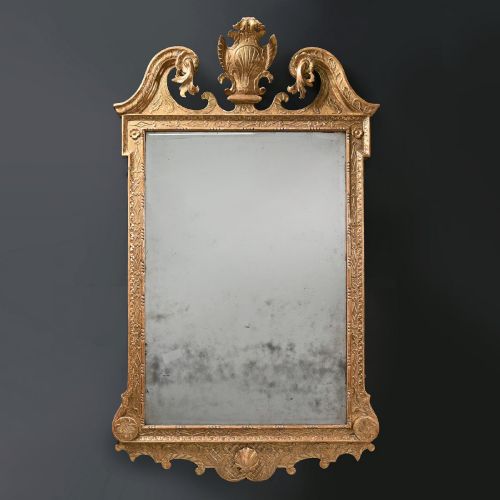
Maker's hands shaped these pieces using wood and gesso as the foundational base, applying gold leaf, paint, or silvering to the carved surfaces. Frames combine materials such as carved wood, mahogany, oak, satin birch, and brass.
Glass plates are set within these frames, sometimes utilising bevelled edges, mercury glass, or peach and cobalt-coloured glass to achieve specific visual effects. Carved details range from rope twist patterns and ribbed columns to elaborate rococo scrolls.
Listings feature woods like mahogany, oak, satin birch, and giltwood across nineteenth-century and early twentieth-century periods.
What varies in quality
The distinction between tiers rests upon the crispness of the wood carving and the depth of the gesso work beneath the gilding. Superior examples display carefully proportioned frames where applied ornament integrates seamlessly with the primary structure.
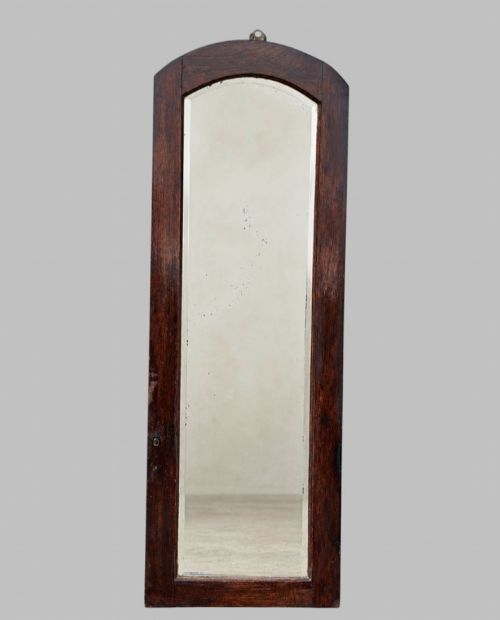
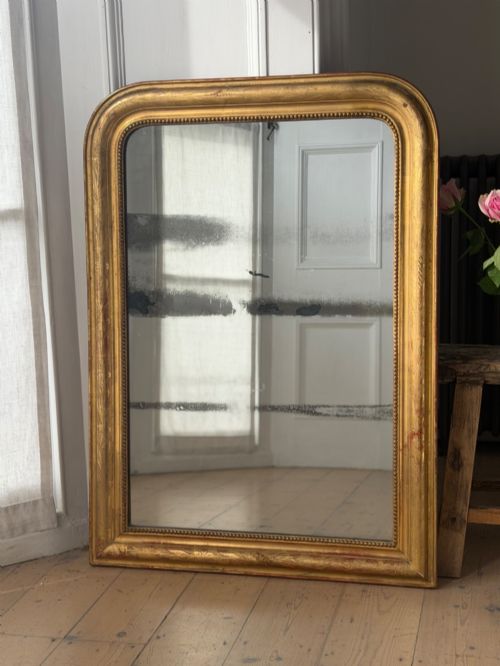
The glass itself contributes to the standard, as original mercury plates with natural foxing or clean bevelled edges command greater interest than plain modern replacements. Cohesion between the glass plate and the arched wooden frame dictates the visual success of the piece.
Heal & Sons
The Arched Glass Mirror Glossary
- Overmantel mirror
- A large mirror specifically designed to hang on the wall directly above a fireplace mantelpiece. These typically feature landscape orientations or tall arched tops suited to domestic interiors.
- Gesso
- A plaster-like mixture applied to wooden frames as a smooth base for gilding or painting. It allows craftsmen to model intricate relief ornamentation.
- Mercury glass
- An early type of mirror glass created by pouring a liquid mercury and tin amalgam between two panes of glass. It produces a mottled, dark reflective surface known as foxing.
- Cheval mirror
- A full-length mirror suspended in a frame on pivots, allowing the glass to tilt back and forth. They generally stand on four legs or feet.
- Pier mirror
- A tall, narrow mirror designed to hang on the wall space between windows, often placed above a matching pier table.
Arched Glass Mirror: Frequently Asked Questions
Where should I hang an overmantel mirror?
These large pieces traditionally hang centrally above a fireplace mantelpiece, where their height reflects the room and balances the hearth below. They also work effectively on expansive blank walls in reception rooms to create a sense of increased space.
Ensure the wall fixings match the weight of the heavy wood and gesso frame, securing the piece safely to the masonry or studs.
What is foxed glass?
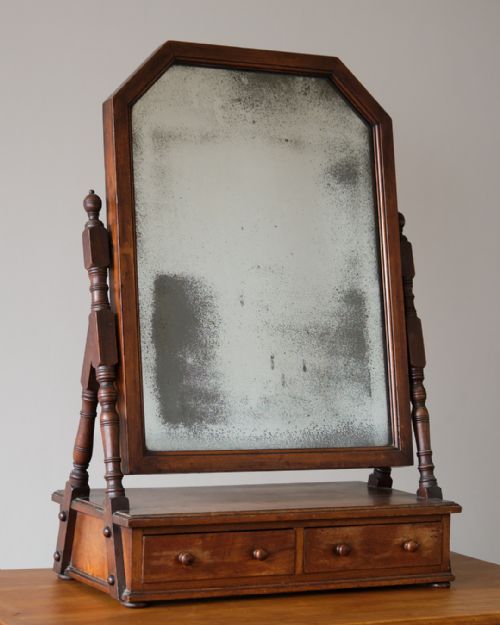
Foxed glass refers to the speckled, aged appearance that occurs when the reflective backing of older mirrors degrades over time. This creates dark patches and a misty silver quality prized by collectors for its authentic antique character.
It differs from modern mirror plates by offering a softer, less clinical reflection.
How do I identify a Louis Philippe mirror?
French Louis Philippe mirrors generally feature a subtle arched top with rounded upper corners and clean, understated frames. They often incorporate beaded inner borders or simple gilt finishes without heavy ornamentation.
This mid-nineteenth-century style suits both traditional and contemporary interiors due to its restrained elegance.
Can I use a cheval mirror in a bedroom?
Cheval mirrors function well in bedrooms and dressing areas because their pivoting design allows you to adjust the angle for full-length viewing. Their freestanding nature means they require floor space rather than wall mounting.
Pairs or single examples in mahogany or satin birch bring period warmth to dressing spaces.