
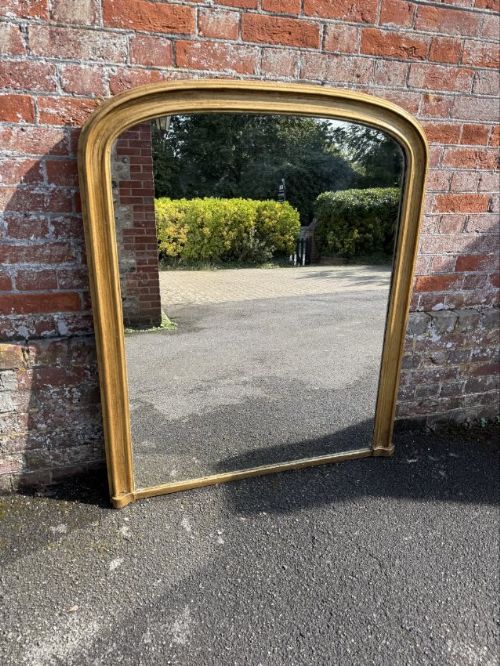
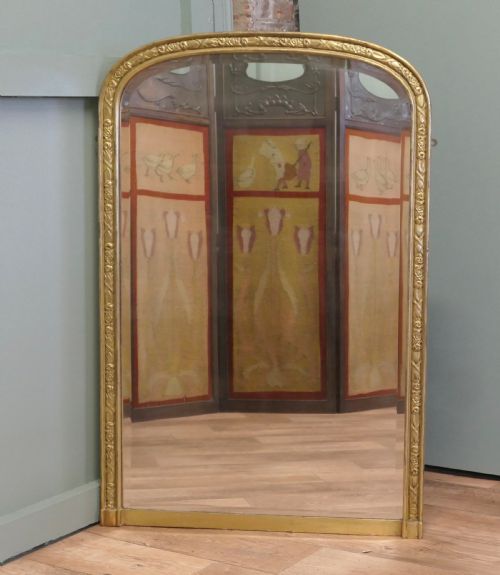


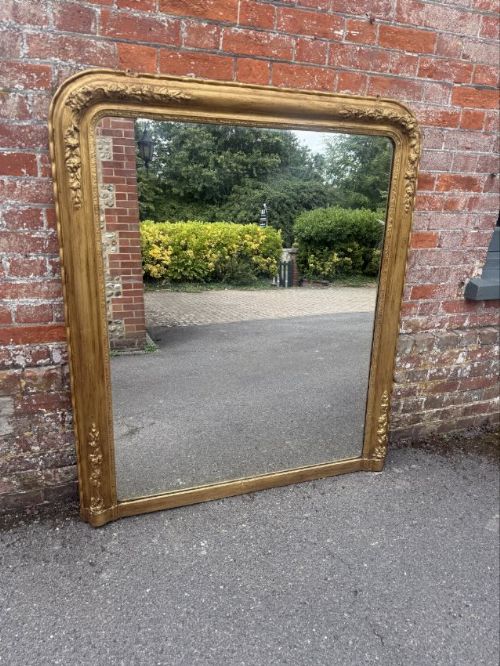
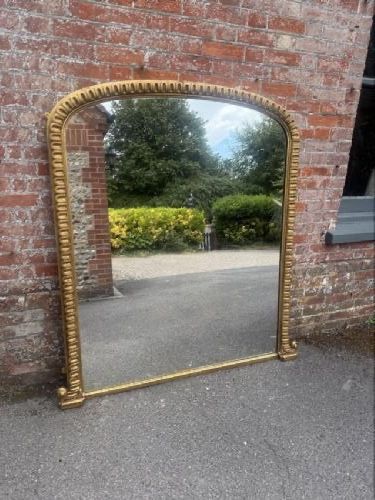
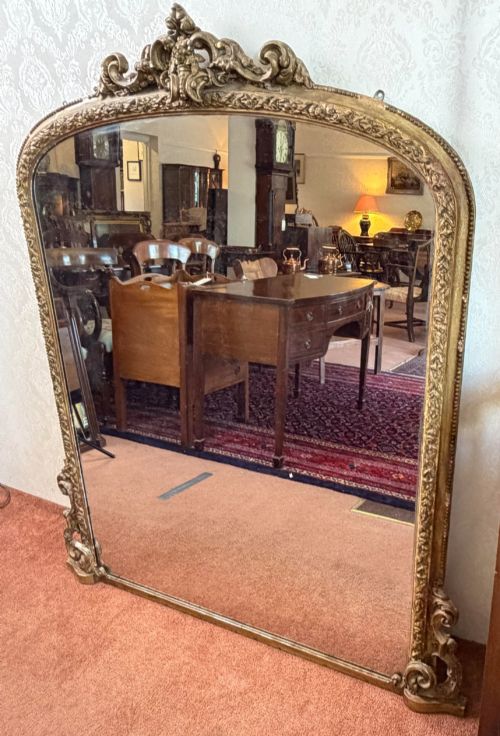
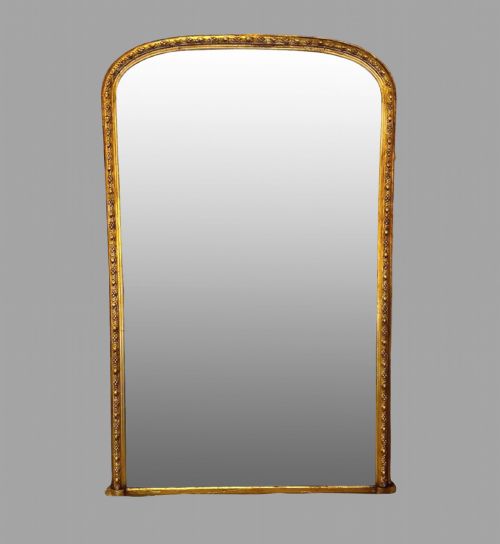
Arched Gilt Wall Mirror
An arched gilt wall mirror brings luminous height and classic architectural grace to a room, framing light with gilded splendour.
What an arched gilt wall mirror is
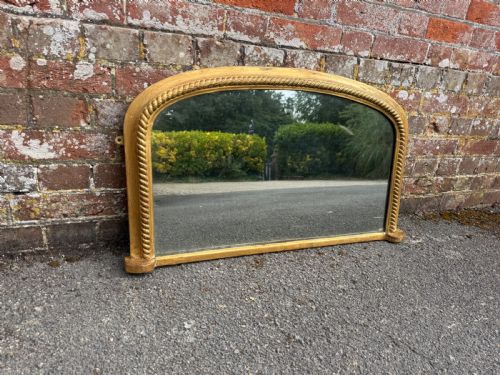
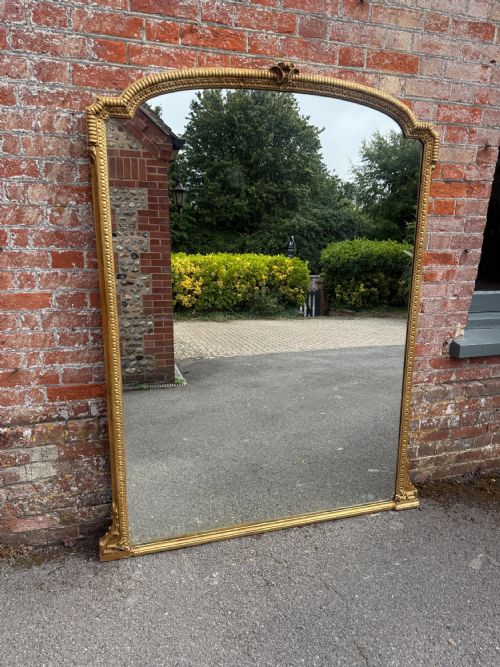
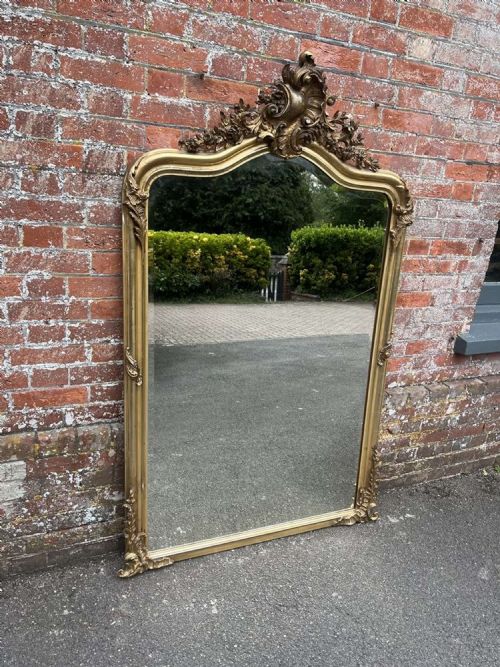
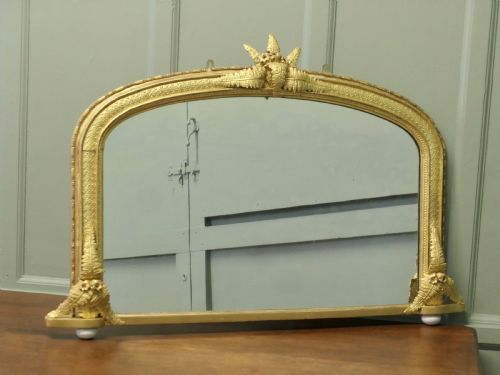
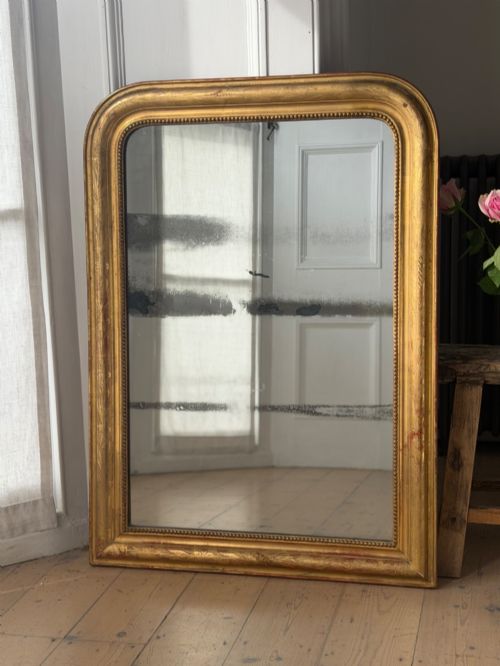
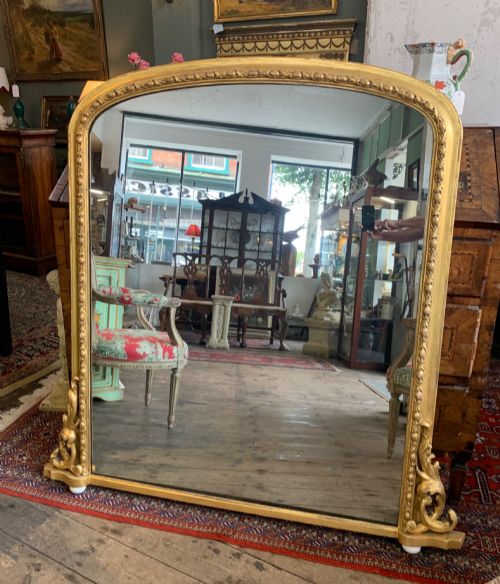
An arched gilt wall mirror combines a curved upper profile with a gilded frame, designed to hang upon a wall or rest above a fireplace as an overmantel piece. These items span Victorian, Regency, and Georgian periods, originating from English and French workshops.
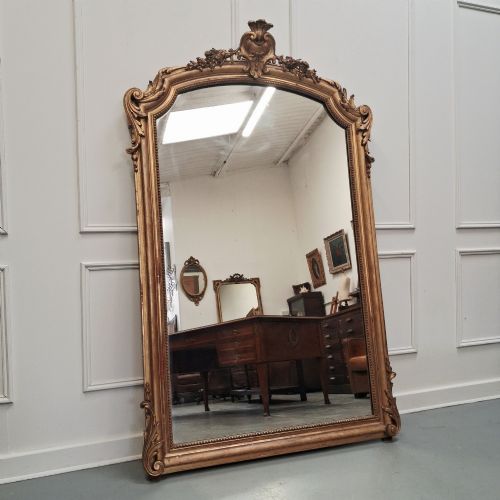
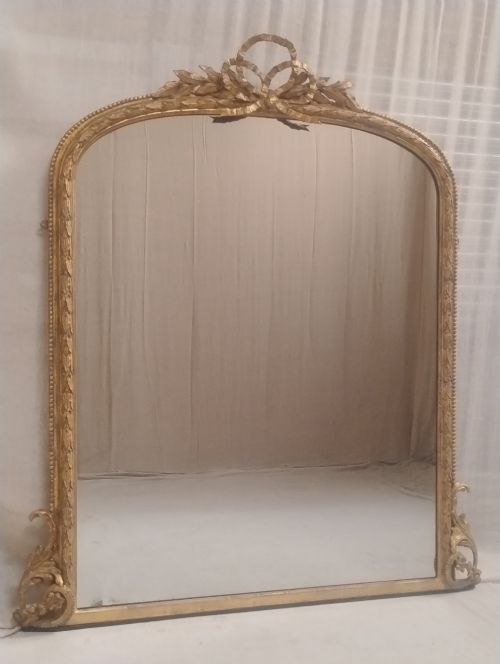
The dominant form on this page is the large nineteenth-century carved wood and gesso overmantel mirror, often featuring distinctive rope twist details or ornate crests. Pier mirrors and full-height wall mirrors also appear, alongside earlier walnut examples featuring parcel gilt accents.
Buyers seek these objects to amplify natural light and introduce traditional decorative presence into domestic interiors. The combination of the arched apex and the gilded finish creates a strong focal point within any reception room or hallway.
How they were made
The foundational structure relies on timber such as wood and walnut, providing a sturdy carcass for the decorative elements. Carved wood and moulded gesso build up the complex surface reliefs, creating the architectural profiles and rope twist borders.
Giltwood, gold leaf, and silvered finishes provide the reflective metallic surface of the frames, sometimes paired with painted canvas, red, and cream pigments. Skilled artisans applied thin layers of leaf or pigment over prepared gesso grounds to achieve the characteristic sheen.
Retail Price Guide 2026
Typical UK retail prices for arched gilt wall mirror, calculated from the Sellingantiques database of over a million retail prices indexed since 2003. This retail price guide relies exclusively on Sellingantiques data; no external sources or auction records are used, so the figures do not describe the wider market.
Some nineteenth-century French mirrors sport unexpected splashes of red beneath the cream paint, proving that even formal decor loves a hidden secret.
What varies in quality
Quality rests in the crispness of the carved wood and gesso ornament, where deeper relief and sharper floral mouldings distinguish superior examples from simpler production. The handling of the giltwood and gold leaf layer dictates the richness of the visual impact.
The integration of structural elements, such as rope twist borders and crested tops, reveals the maker's hand and ambition. Finer pieces maintain harmonious proportions between the arched glass plate and the surrounding frame ornamentation.
The Arched Gilt Wall Mirror Glossary
- Gesso
- A plaster-like mixture applied to wood frames to create a smooth surface for gilding or painting. Artisans carved intricate decorative motifs directly into this dried compound.
- Giltwood
- Timber that has been coated with gold leaf or metal leaf. This material defines the bright, reflective borders characteristic of these mirrors.
- Overmantel Mirror
- A large horizontal or vertical mirror designed specifically to sit on the chimney breast above a fireplace. These pieces frequently utilise arched tops to echo architectural doorways or windows.
- Pier Mirror
- A tall, narrow wall mirror traditionally hung on the pier of wall between two windows. They maximise available daylight in period reception rooms.
- Parcel Gilt
- A decorative treatment where only specific portions of an object are gilded, leaving other areas of wood or paint exposed. This technique highlights particular carved details against a contrasting background.
Frequently Asked Questions
How do I hang a heavy overmantel mirror?
Large nineteenth-century pieces require secure fixings into structural wall studs or masonry using heavy-duty brackets. The substantial weight of timber, gesso, and glass demands professional installation.
Distributing the load evenly across the frame prevents warping of the timber structure over time. Consulting a specialist ensures the mirror remains safe and stable on the wall.
Where should I place a wall mirror?
Positioning a mirror opposite a window maximises reflected daylight and brightens darker corners of a room. Overmantel placements above a fireplace follow traditional interior arrangements.
Ensuring the height reflects surrounding furniture creates a balanced composition within the space. Smaller pier mirrors suit narrower wall sections between architectural openings.
How do I clean a gilded frame?
Dusting gently with a soft, dry brush preserves the delicate gold leaf and gesso surfaces. Moisture and modern chemical cleaners damage historical gilding.
Avoiding abrasive cloths prevents the flaking of metallic leaf from the underlying preparation layers. Regular light maintenance keeps the antique finish intact.
What is the difference between French and English styles?
French mirrors from the period often feature ornate crests, polychrome painted canvas elements, and cream or red grounds. English versions lean toward carved wood and gesso with rope twist borders.
Comparing the decorative moulding details reveals regional preferences in nineteenth-century design. Both traditions utilise arched profiles to create height and elegance.