



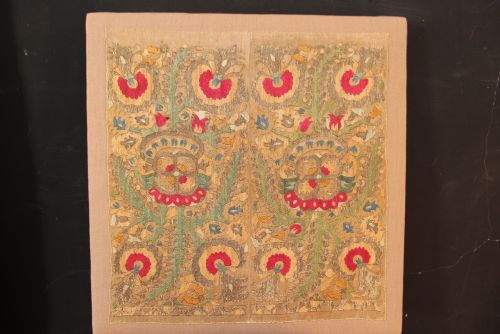
Antique X Frame Ottoman
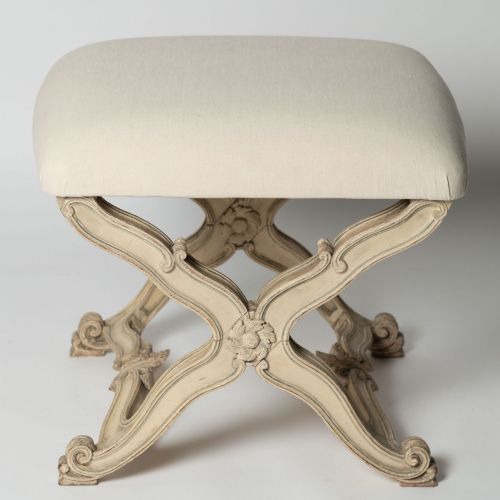
These antique x frame ottoman pieces bring architectural cross-brace geometry and tactile upholstery into a room.
Antique X Frame Ottoman
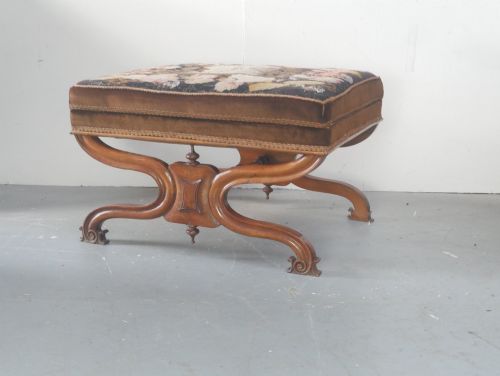
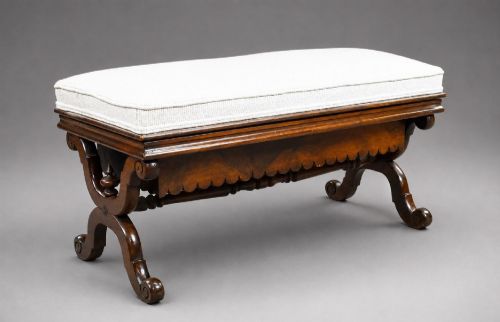
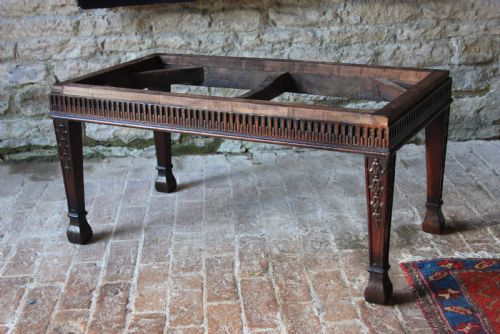
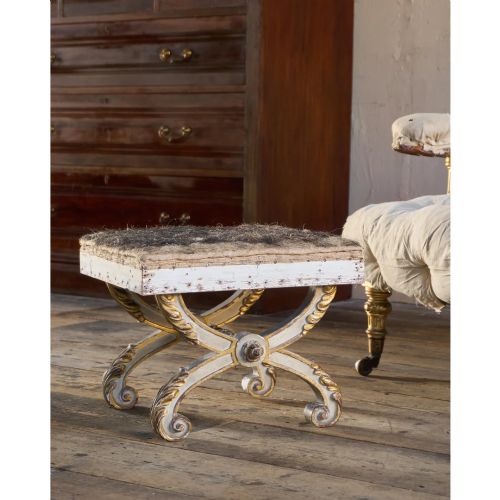
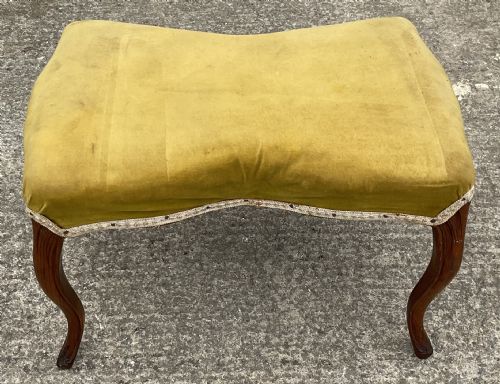
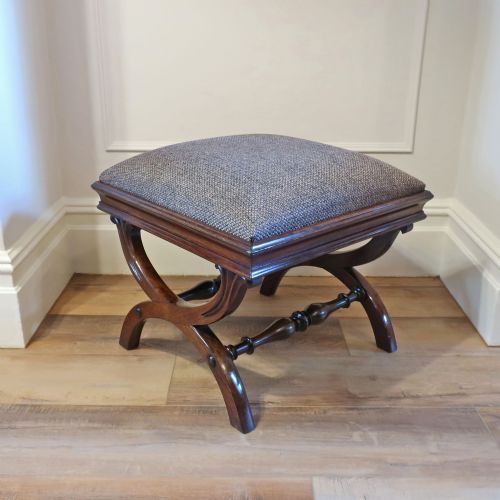
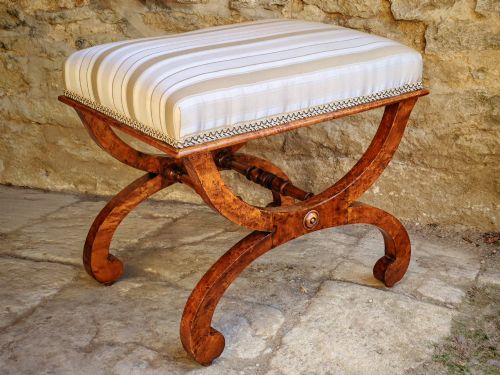
An antique x frame ottoman takes the form of a stool, bench, or curule seat supported by intersecting structural members beneath the upholstery. Buyers searching this phrase encounter variations spanning the Georgian, Regency, William IV, and Victorian periods, often framed in mahogany, walnut, or rosewood.
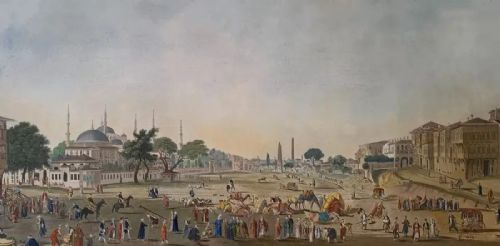
The cross-frame silhouette draws on classical curule inspiration, sometimes described through Chippendale Revival, Italian neo-classical, or Syrian Savonarola influences. Alongside traditional seating, the material evidence also records textile panels, embroideries, and regional items originating from the Ottoman sphere.
On this page, the most frequent survivals are nineteenth-century mahogany and rosewood stools featuring leather, hide, kilim, or silk coverings. These pieces function readily as footstools or accent seating within traditional and modern interiors alike.
Materials and construction methods
Frames are constructed from dense timbers such as mahogany, walnut, rosewood, and oak, frequently shaped through turning, carving, or giltwood application. Structural rigidity relies on precise joinery at the intersecting x-braces, which support the top weight without distorting the frame.
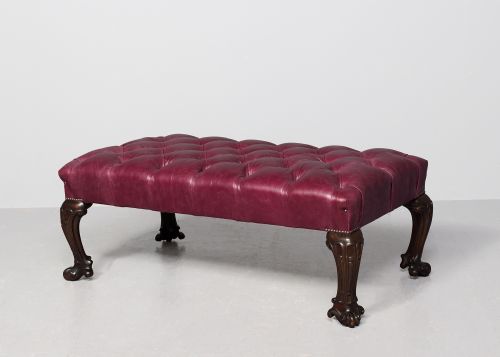
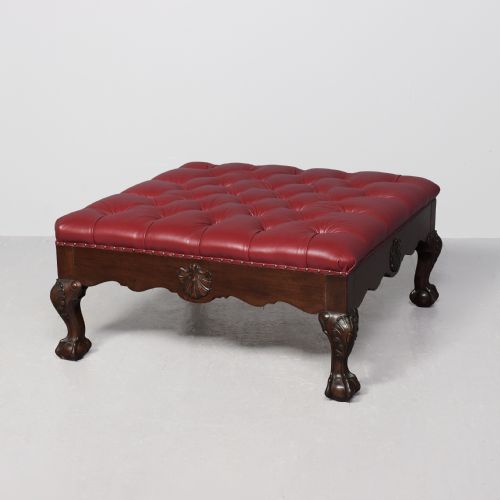
Upholstery materials range from traditional horsehair and webbing beneath burgundy hide, leather, and velvet to historic kilim fragments and silk embroidery. Brass accents and mother-of-pearl inlay appear on specific regional variants, adding fine decorative detail to the timber framework.
Among the seating and textiles, a ceremonial camel saddle and a brass four-poster bed made for an Ottoman prince wait quietly in the ranks.
Distinctions in construction and finish
Quality rests in the crispness of the timber carving and the architectural proportion of the intersecting frame. Subtle details like fluted legs, spiral turning, or giltwood and gesso enrichment elevate a piece beyond standard utilitarian seating.
The integrity of the original wood structure and the appropriateness of the textile covering dictate the tier of the piece. Retaining period hide, kilim, or hand-woven embroidery rather than modern replacement fabric adds historical weight to the furniture.
Miles & Edwards·R W Winfield
The Antique X Frame Ottoman Glossary
- Curule stool
- An ancient Roman magistrate seat shape featuring crossed legs forming an X curve. This classical form was revived repeatedly during the Regency and Victorian eras.
- Kilim
- A flatwoven carpet or tapestry used historically for floor coverings and domestic furnishings. Surviving fragments frequently reappear repurposed as upholstery on nineteenth-century footstools.
- Giltwood
- Timber coated with a thin layer of gold leaf over a gesso base. This luminous finish appears on neo-classical frames designed for formal reception rooms.
- Bobbin leg
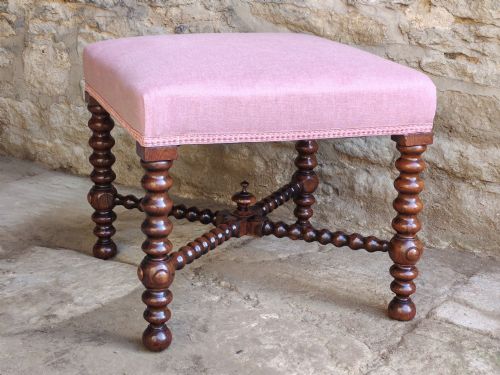
- A support turned on a lathe to resemble a string of beads or bobbins. This decorative turning style characterises specific mid-nineteenth-century walnut and rosewood stools.
- Savonarola chair
- A folding wooden armchair formed from multiple intersecting curved slats. The designation derives from the famous fifteenth-century Florentine frieze style.
Antique X Frame Ottoman: Frequently Asked Questions
Where should I place an antique x frame ottoman?
These compact seats suit placement at the foot of a bed, beside a fireside armchair, or beneath a console table. Their low profile allows them to sit neatly without crowding a living space.
Because the intersecting frame creates visual interest from every angle, they work particularly well in open room layouts where the structural base remains fully visible.
How do I care for the antique timber frame?
Maintain the wood by applying a quality microcrystalline wax sparingly and buffing gently with a soft cloth. Avoid placing timber furniture near direct heat sources or strong sunlight, which causes wood and leather to dry out.
Inspect the joints periodically to ensure the cross-braced structure remains stable under normal daily weight.
What periods do these ottomans come from?
The listings span from the eighteenth century through the Victorian era and into the early twentieth century. Regency and William IV iterations often feature bold mahogany frames, while mid-nineteenth-century examples frequently utilise rosewood and walnut.
Stylistic revivals mean a nineteenth-century piece may emulate earlier Georgian or classical Roman designs.
Can I reupholster an antique stool?
Many pieces arrive with historic leather, hide, or textile coverings that show authentic age, while others require new upholstery to suit domestic use. Professional reupholstery using traditional horsehair and webbing preserves the internal integrity of period frames.
Consider matching replacement textiles to the historical origin of the piece, such as using antique kilim or period-appropriate leather.