



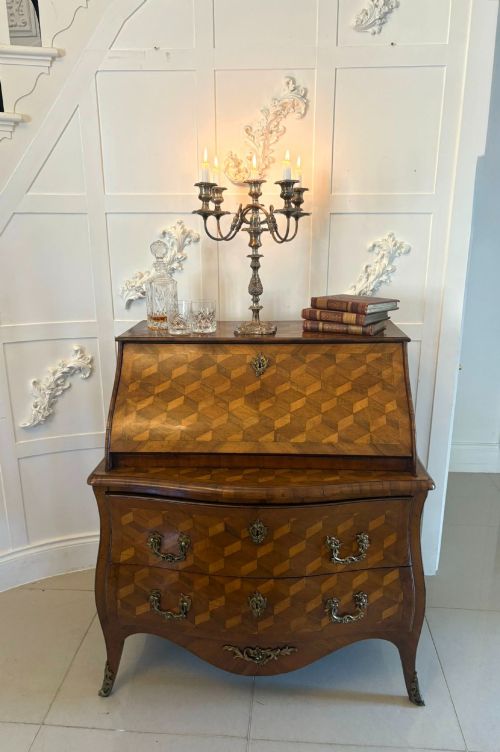
Antique Writing Desk Chest
An antique writing desk chest combines drawer storage with a fitted writing surface, offering a practical workspace shaped by centuries of cabinetmaking.
Antique Writing Desk Chest
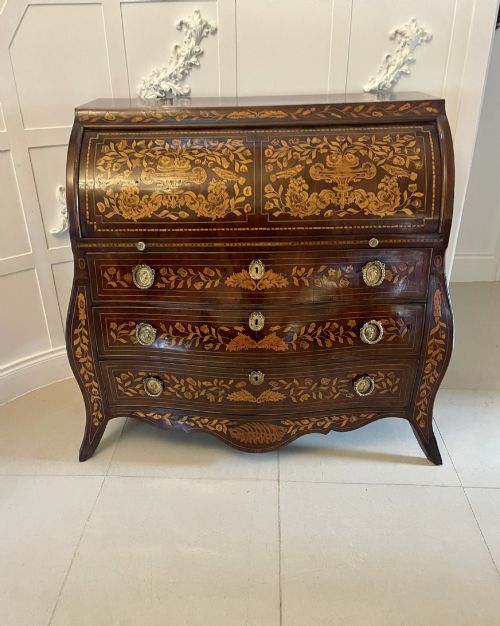
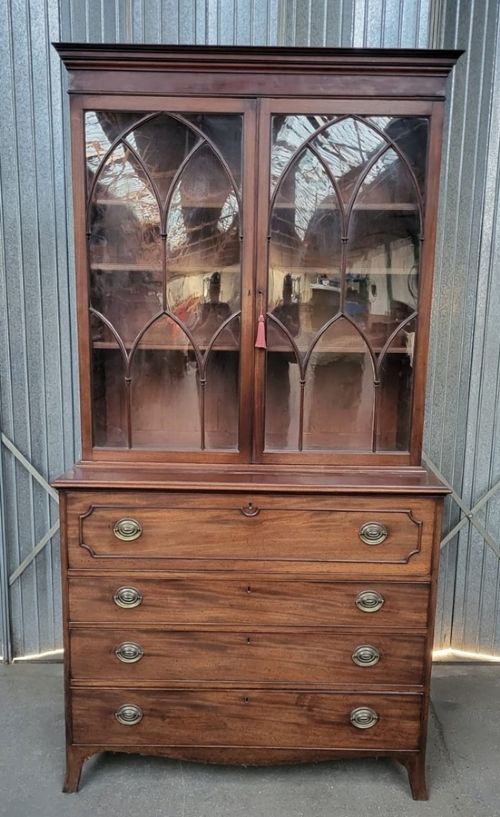
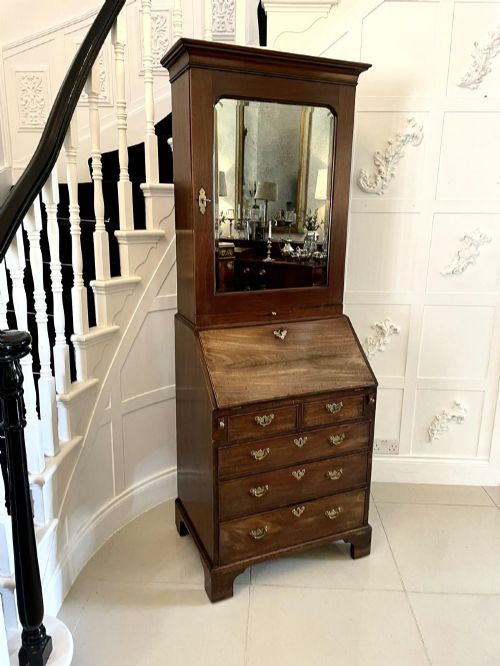
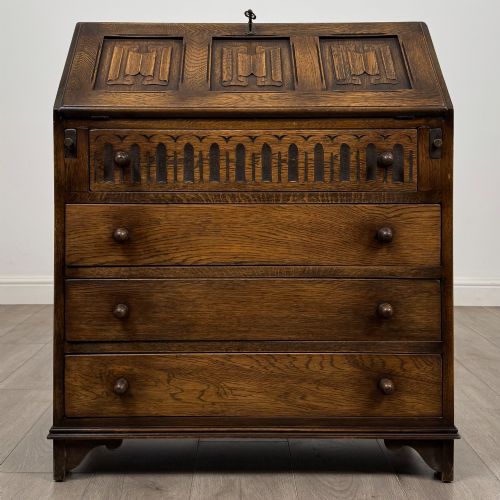
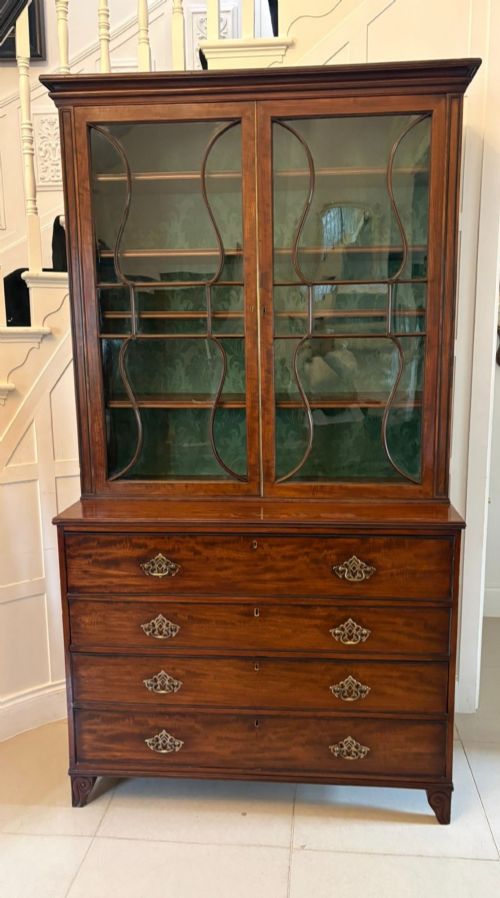
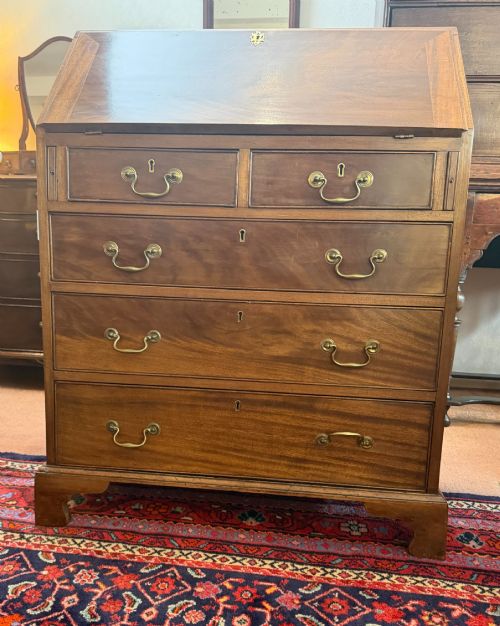
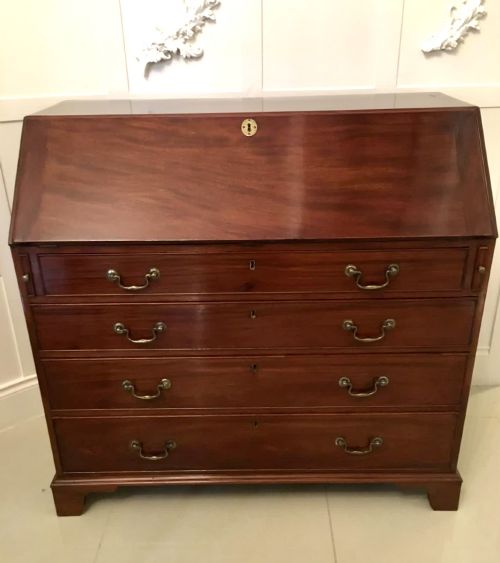
An antique writing desk chest brings together the utility of a chest of drawers and a dedicated writing surface. Buyers searching for this phrase encounter forms ranging from drop-front bureaux and fall-front writing desks to secretaire chests and tall escritoires.
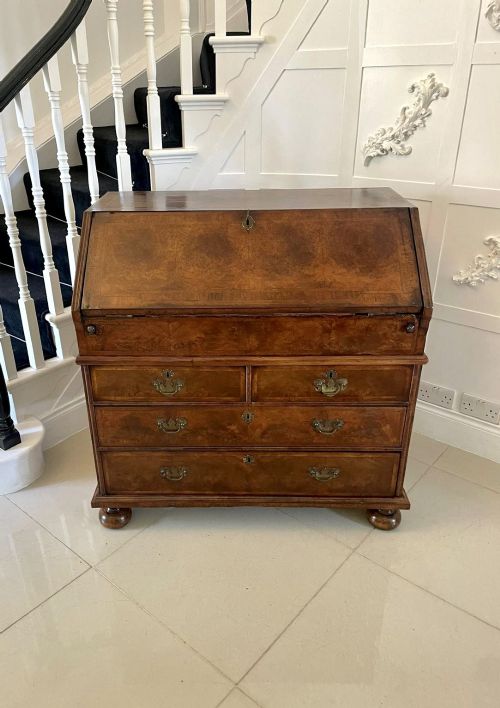
The pieces appearing on this page span several centuries, with prominent representation from the Georgian and 18th century periods alongside later Regency, Victorian, and Edwardian examples. Woods like mahogany, oak, walnut, and burr walnut dominate the construction, often enhanced by marquetry or parquetry.
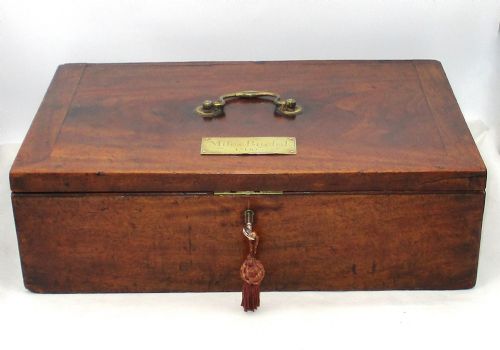
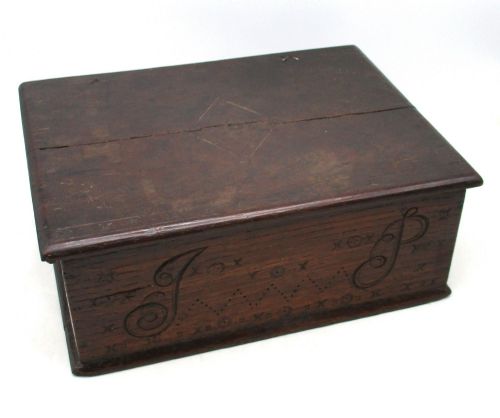
Forms vary from compact document boxes and bachelor chests to large bureau bookcases and secretaire military chests. Oak and walnut examples anchor the earlier 17th and 18th century periods, while mahogany and rosewood define many of the later Georgian and Regency iterations.
Materials and construction methods
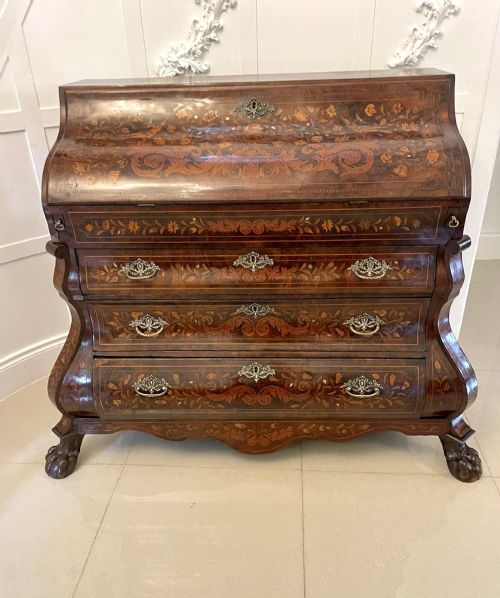
Cabinetmakers utilised solid timbers and veneers of mahogany, oak, walnut, and burr walnut, applying herringbone and floral marquetry inlays for decorative contrast. Secondary woods like oak provided sturdy internal framing for drawers and writing compartments.
Brass hardware, including drop handles, escutcheons, and hinges, functioned both as structural support and visual enhancement. Leather inserts frequently lined the fall-front or pull-out writing surfaces to provide a durable writing plane.
Joinery techniques involved precise dovetailing for drawer construction and panel framing to accommodate wood movement over time. Secondary details incorporated glass doors on bookcase tops and fitted internal pigeonholes with small secret drawers.
Form variations include document boxes, bureau bookcases, tambour desks, and military chests with integrated writing compartments.
Markers of distinction and craftsmanship
Quality rests in the selection of timber figures, such as highly figured mahogany, burr walnut, and rosewood veneers matched across drawer fronts. The crispness of hand-cut inlay work, marquetry, and carved details separates standard utility pieces from exceptional commissions.
Internal organisation dictates refinement, where fitted writing interiors feature finely constructed pigeonholes, small drawers, and concealed compartments. Original brasses, intact leather writing surfaces, and balanced proportions further elevate a piece.
The integrity of the structural joinery, including hand-dovetailed drawer boxes and smooth-operating fall-front mechanisms, demonstrates the maker's skill. Exceptional examples retain their original surface patination and finish rather than heavy modern restorations.
George Oakley·Maison Krieger
The Antique Writing Desk Chest Glossary
- Bureau
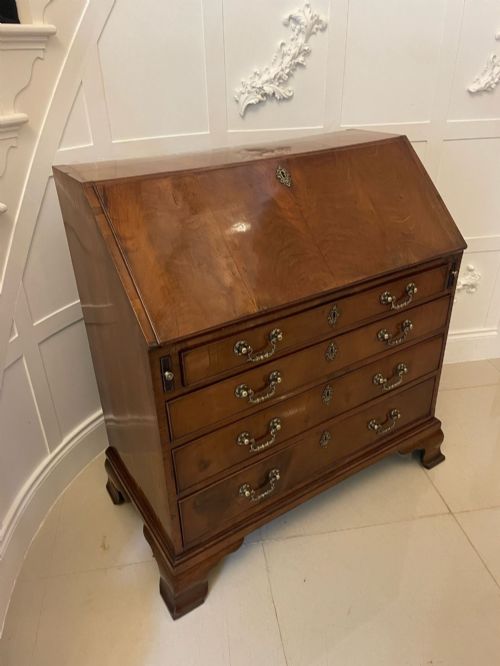
- A desk with a sloping hinged lid that drops down to form a writing surface, typically concealing fitted interior pigeonholes and small drawers.
- Secretaire
- A piece of furniture incorporating a drawer or compartment that pulls or drops down to reveal a writing desk fitted with small drawers and pigeonholes.
- Escritoire
- A tall writing cabinet or desk, often featuring a fall-front writing flap and internal compartments, originating in the late 17th and early 18th centuries.
- Marquetry
- Decorative veneer work formed by pieces of various woods, bone, or mother-of-pearl assembled into pictorial or geometric patterns on a surface.
- Bombe
- A swollen or convex curving shape characteristic of continental furniture styles, notably seen on Dutch and French walnut or marquetry bureaux.
Antique Writing Desk Chest: Frequently Asked Questions
What is a secretaire chest?
A secretaire chest looks like a standard chest of drawers from the exterior, but the top drawer pulls or drops forward to reveal a fitted writing desk.
This clever dual-purpose design allowed people to manage correspondence and paperwork without needing a separate standalone desk in smaller rooms.
How do I use a bureau desk?
You open a bureau by releasing small side supports or letting the hinged fall-front slope rest at a horizontal angle to create a writing surface.
Inside, you will find small drawers, shelves, and pigeonholes designed to hold letters, inkwells, and stationery supplies.
How do I date an antique writing chest?
Dating relies on examining construction methods, timber choices, hardware styles, and overall proportions. Earlier 17th and 18th century pieces frequently utilise oak or walnut with hand-cut dovetails, while later Georgian and Victorian examples lean toward mahogany and rosewood.
Secondary wood types and the style of brass escutcheons or feet provide further clues to the decade of manufacture.
Where should I place a bureau in my home?
A bureau fits well in a living room, study, or bedroom because its compact footprint provides both surface workspace and enclosed drawer storage.
Keep wooden pieces away from direct sunlight and strong heat sources to protect the veneers and leather writing surfaces from drying out.