




Campaign Furniture Drawers
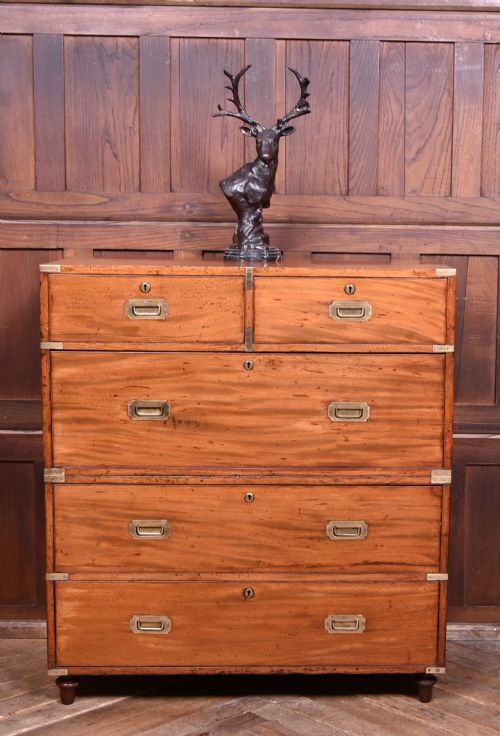
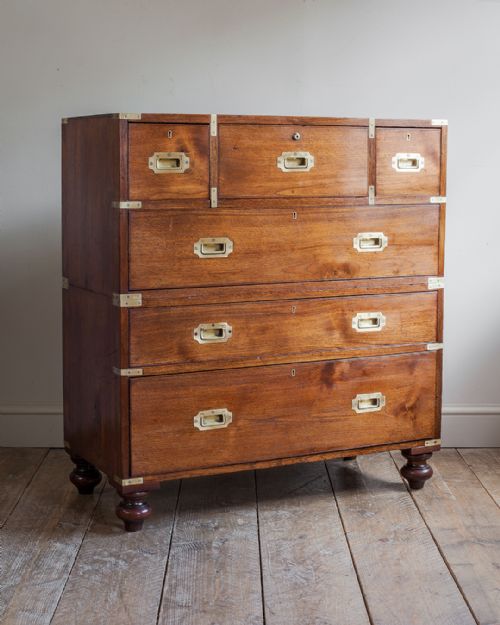
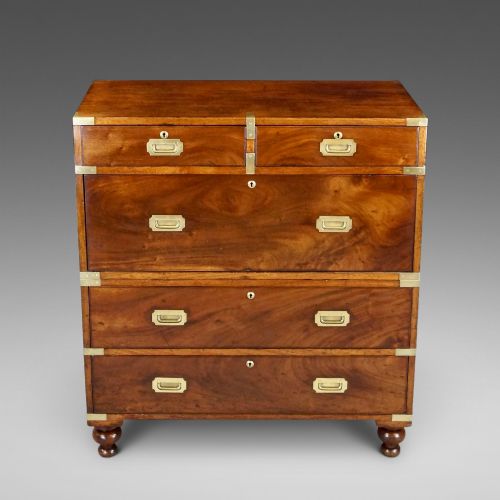
Campaign furniture drawers are modular pieces built for travel, offering utilitarian storage in dense timbers fitted with flush brass handles.
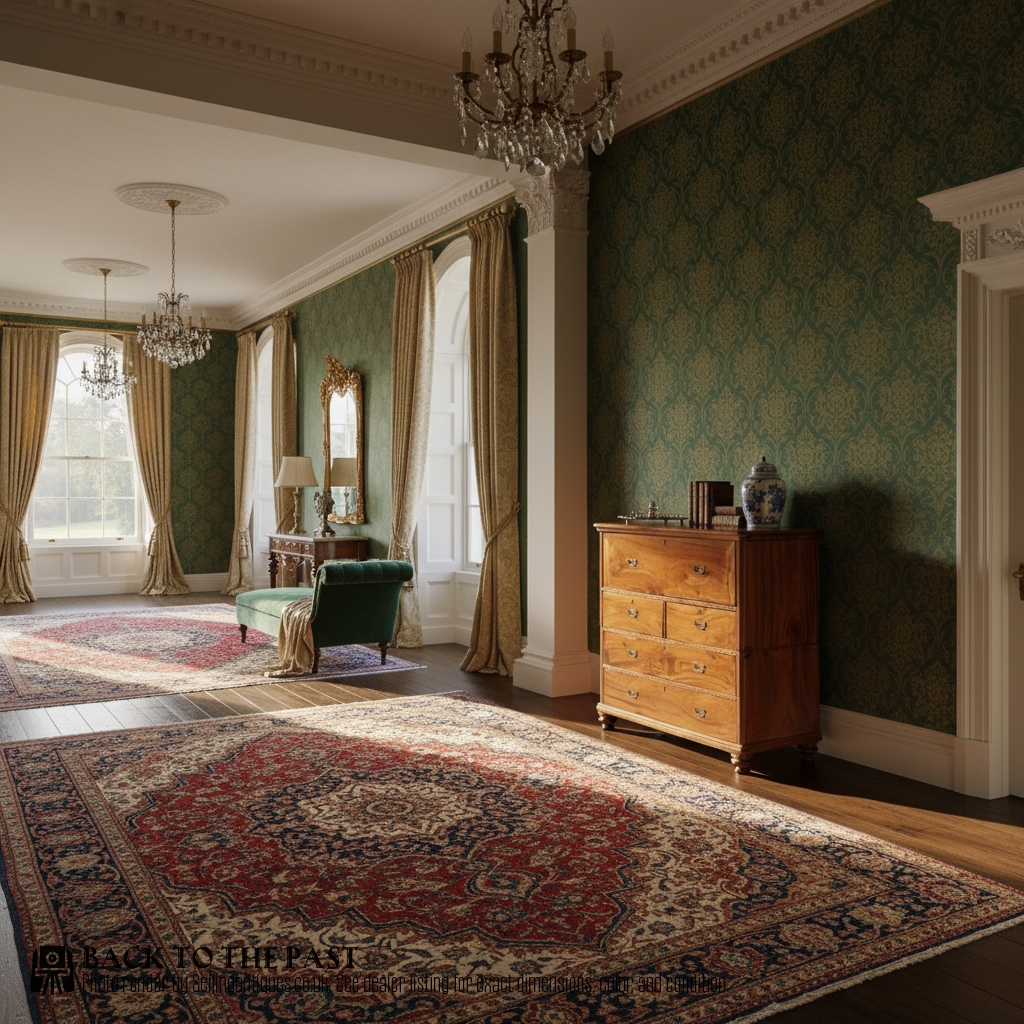
Campaign Furniture Drawers
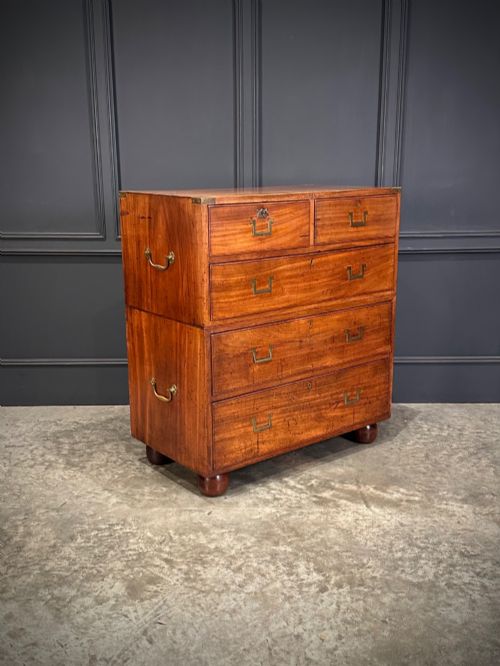
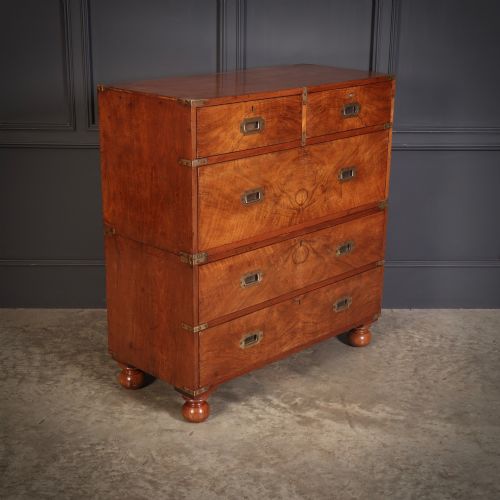
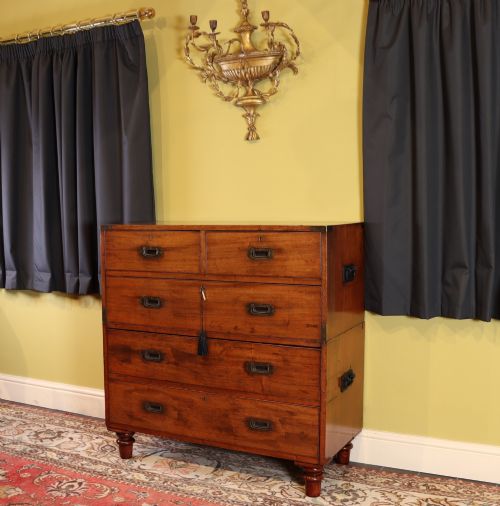
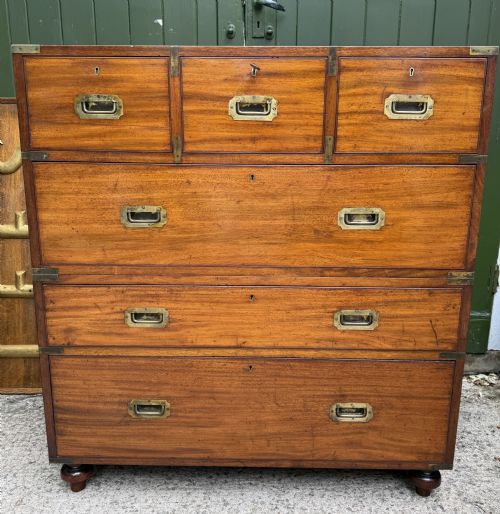
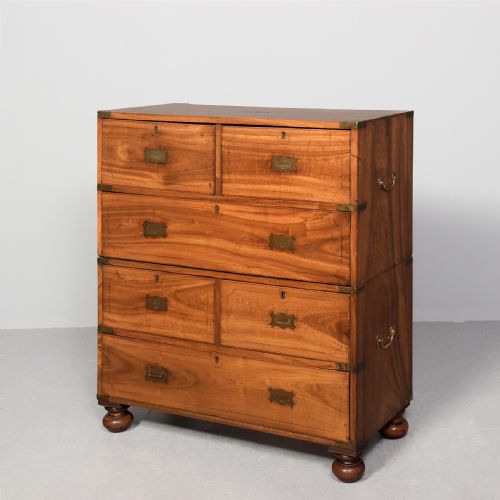
When you search for campaign furniture drawers, you encounter portable storage units engineered for transit by officers and regiments during the eighteenth and nineteenth centuries. These pieces divide into two distinct sections to ease movement on campaign and feature recessed brass corners to prevent damage during transit.
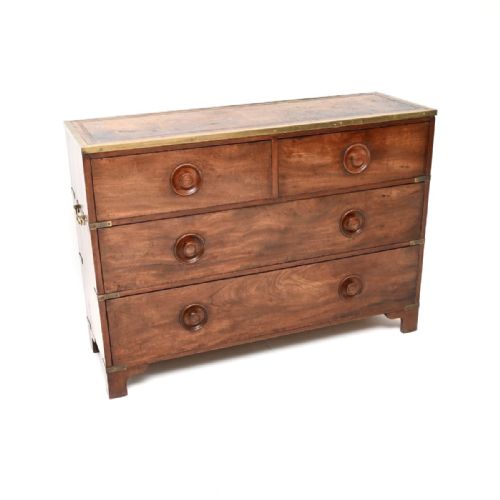
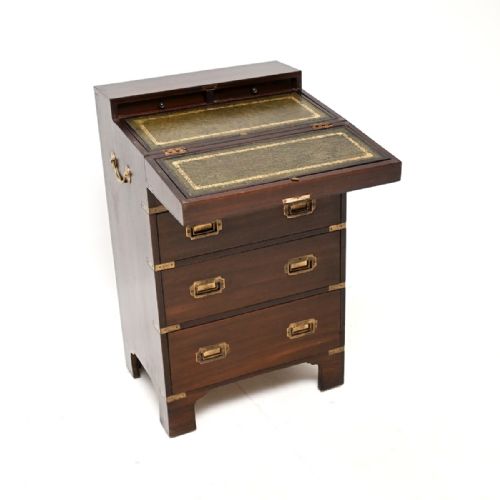
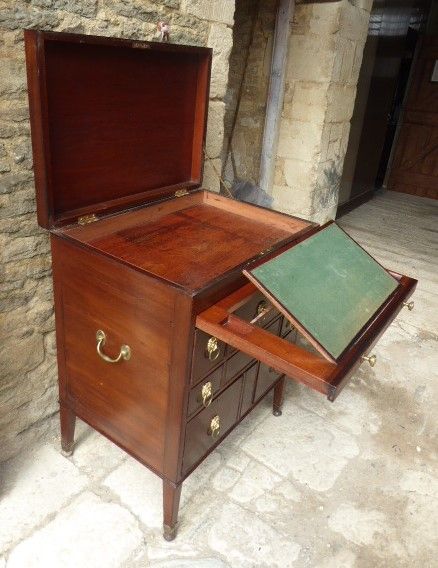
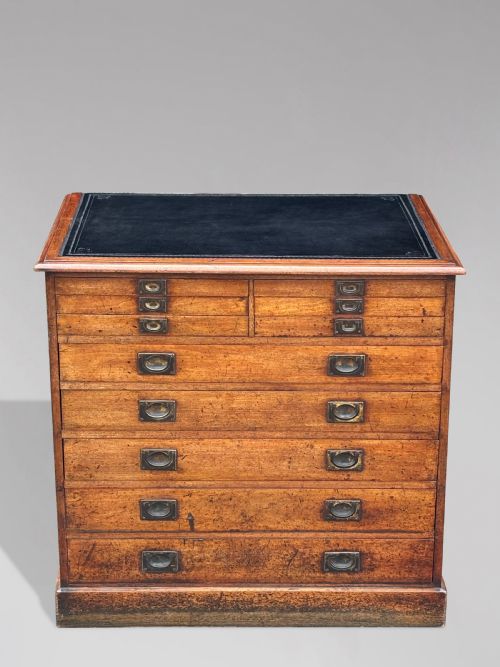
Mahogany and teak dominate the selection, often arranged as a chest of drawers or a secretaire bureau containing a fitted writing drop-front. You will also find camphor wood and teak examples alongside smaller desktop variations and filing cabinets.
The aesthetic bridges utilitarian necessity and domestic elegance, utilising flush handles and bound edges that double as structural reinforcement. Pieces span from the Georgian period through the Victorian era into early twentieth-century interpretations.
How they were made
Cabinetmakers utilised dense timbers such as mahogany, teak, and camphor wood to withstand tropical climates and rough journeys without warping or splitting. These woods were chosen for their durability and stability under adverse conditions.
Brass fittings, including strapwork corners, flush-folding drop handles, and escutcheons, were countersunk directly into the wood to present a smooth exterior surface. This technique eliminated projections that could catch or snag during loading.
Construction relies heavily on a two-part stacking carcase held together by internal brass pins or side hooks, allowing a tall chest to separate into manageable single boxes. Drawers themselves incorporate tight dovetail joints to endure constant dismantling and movement.
Listings span the eighteenth, nineteenth, and early twentieth centuries, featuring mahogany, teak, camphor wood, walnut, and pitch pine.
What varies in quality
The integrity of the original brass hardware and the precision of its countersinking set superior examples apart from later commercial adaptations. High-grade items integrate heavy-gauge brass secured with original slotted screws rather than modern replacements.
Timber selection dictates the finish and weight, with figured mahogany, burr walnut, and dense camphor wood representing the more refined end of production. Grain matching across the sectional break demonstrates meticulous workshop planning.
Internal secondary woods and the complexity of the fitted secretaire drawer reveal the original maker's intent, distinguishing utilitarian regimental issue from bespoke officer commissions.
S. W. Silver & Co. London & Liverpool·Ross & Co.·Army & Navy
The Campaign Furniture Drawers Glossary
- Secretaire
- A cabinet or chest containing a pull-out writing drawer with pigeonholes and small drawers inside. It converts the storage piece into a portable desk.
- Flush handle
- A folding pull handle let into the drawer face so it does not project beyond the wood. This prevents snagging when items are packed tightly together.
- Two-part chest
- A modular cabinet comprising an upper and lower box that stack and lock together. Metal brackets or pins secure the sections during use.
- Camphor wood
- An aromatic timber frequently used for campaign chests due to its insect-repellent properties. It is often found in Anglo-Chinese pieces.
Campaign Furniture Drawers: Frequently Asked Questions
What is a campaign chest?
A campaign chest is a modular piece of furniture designed to split into separate stacking sections for military transport.
These chests use recessed brass hardware to protect corners and allow tight packing during travel.
Why do campaign drawers have brass corners?
Brass corners provide structural reinforcement to vulnerable wooden edges during frequent loading and transit.
They also prevent splitting when the modules are stacked and handled in rugged conditions.
What woods were used for campaign furniture?
Cabinetmakers selected durable hardwoods such as mahogany, teak, and camphor wood to resist humidity and rough handling.
Figured walnut and yew wood also appear in later or more decorative interpretations.
What is a secretaire campaign chest?
A secretaire campaign chest incorporates a dedicated writing drawer fitted with small compartments and a drop-front leather surface.
This allowed officers to manage correspondence and paperwork while on active service.