
Antique Woven Hanging
An antique woven hanging brings rich textile history directly onto the wall, turning tribal bags, horse covers and European tapestries into striking focal points.
Antique Woven Hanging
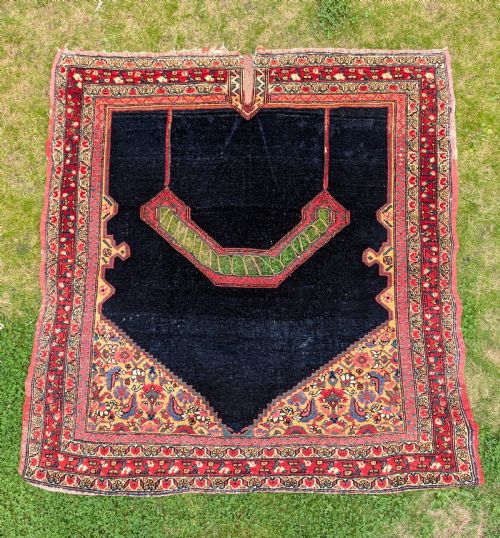
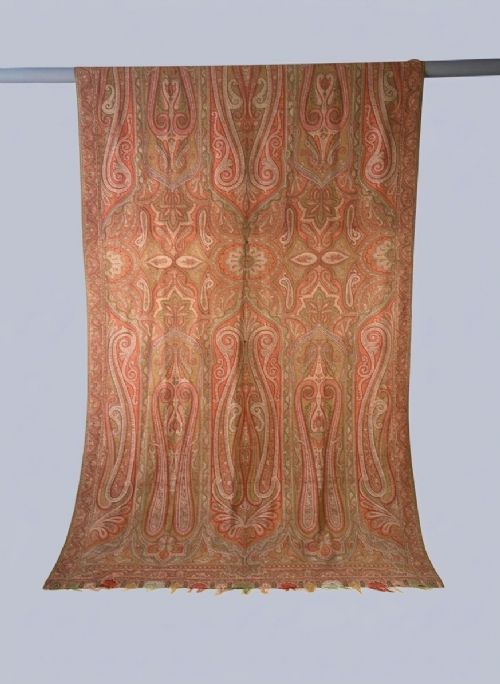
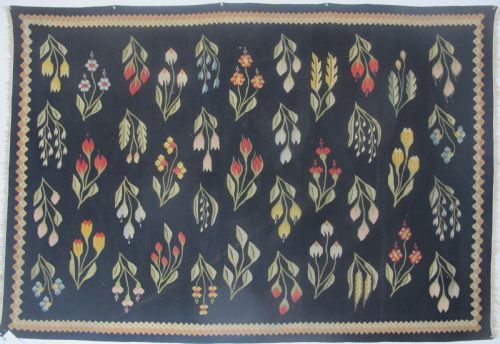
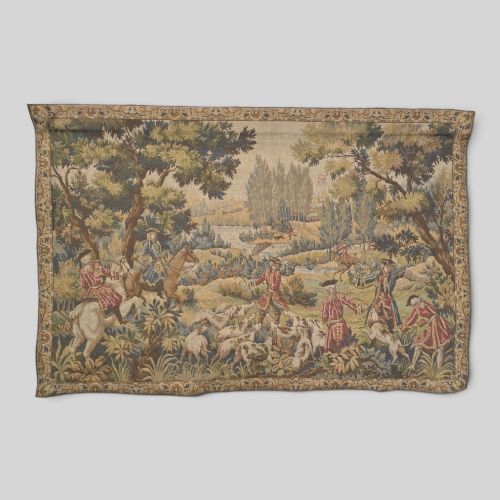
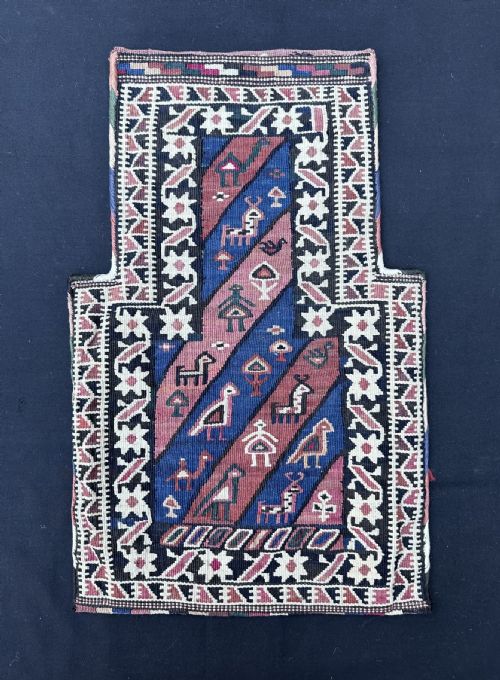
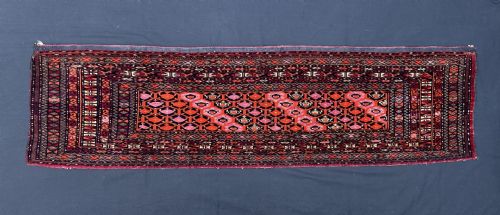
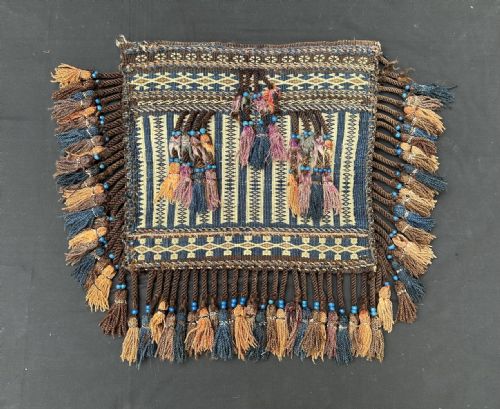
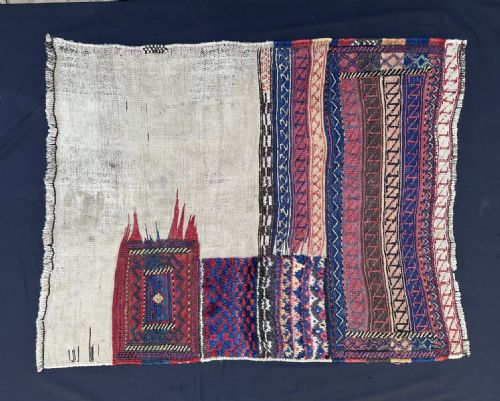
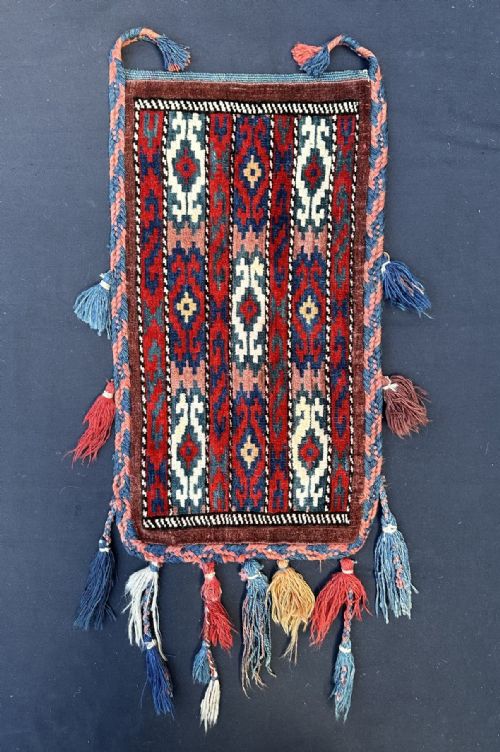
An antique woven hanging encompasses a diverse group of textile forms originating from nomadic tribal regions in Persia, Central Asia, and Afghanistan, alongside European tapestries and French needlework.
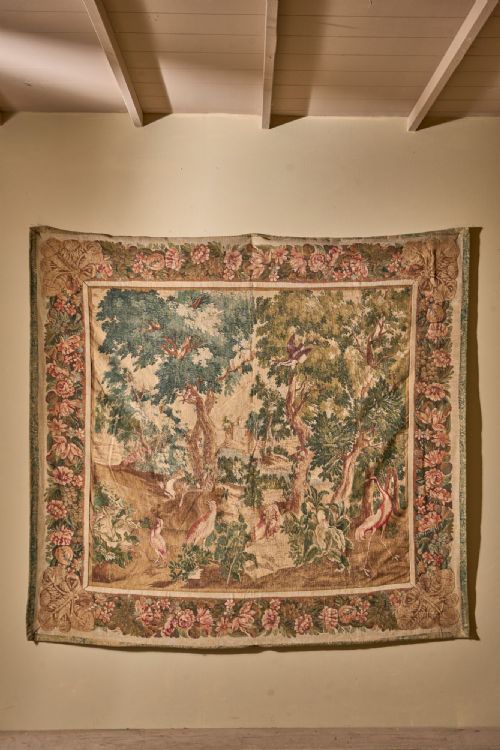
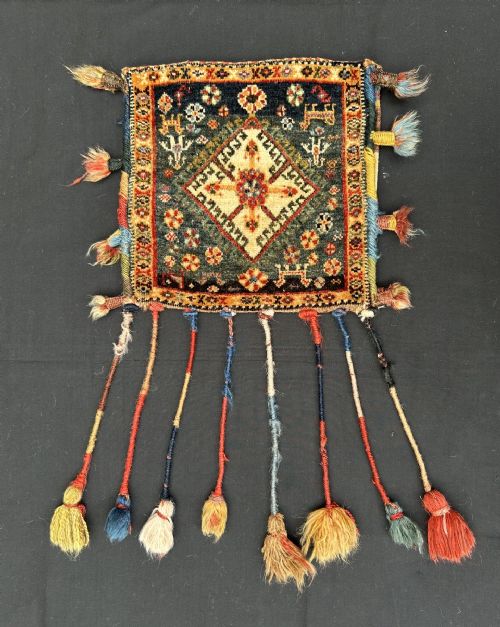
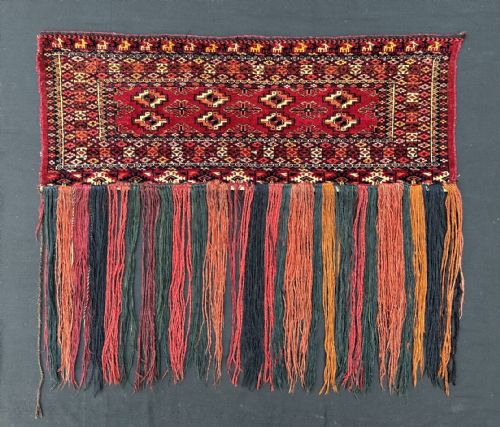
Buyers encounter everything from detailed Turkmen asmalyks and Qashqa'i bagfaces to large verdure landscapes, each offering a distinct cultural narrative woven through traditional techniques.
How they were made
These textiles rely on natural materials such as hand-spun wool, cotton, linen, and silk, often coloured using natural dyes that yield deep, enduring tones over decades of ageing.
Nomadic pieces employ intricate weaving structures suited to portable life, while European examples incorporate dense needlework and tapestry weaves mounted to linen for structural stability.
Listings combine nineteenth-century Persian tribal bagfaces with eighteenth-century European verdure tapestries and Central Asian horse covers.
What varies in quality
Quality rests upon the fineness of the weave, the complexity of the tribal or pictorial design, and the integrity of the natural dyes used across the surface.
The preservation of original borders, tassels, and structural edges distinguishes superior examples from heavily restored or fragmented textiles.
The Antique Woven Hanging Glossary
- Asmalyk
- A ceremonial camel trapping produced by Yomut and other Turkmen tribes, traditionally hung on the flank of a bride's wedding camel.
- Verdure tapestry
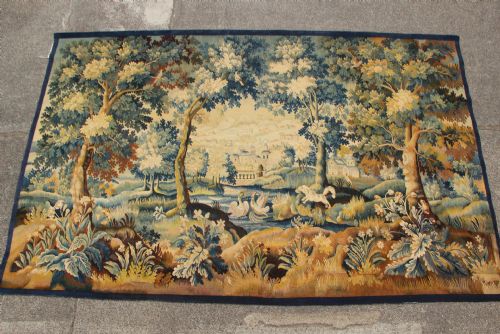
- A European wall hanging dominated by lush foliage, trees, and landscape scenes, frequently produced in French and Flemish weaving centres.
- Bagface
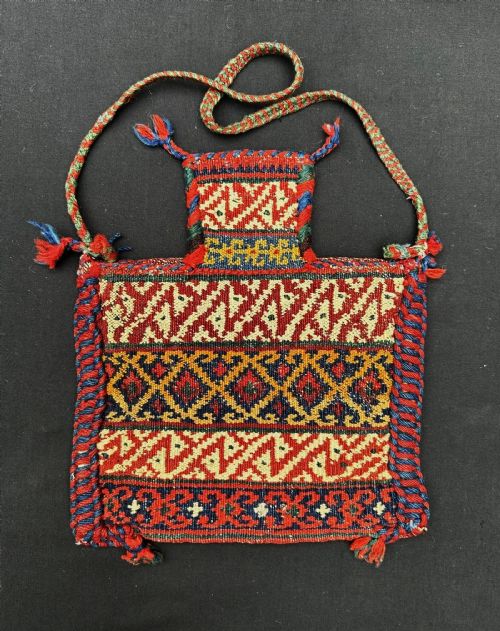
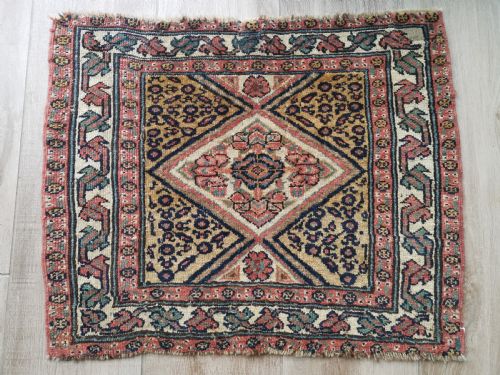
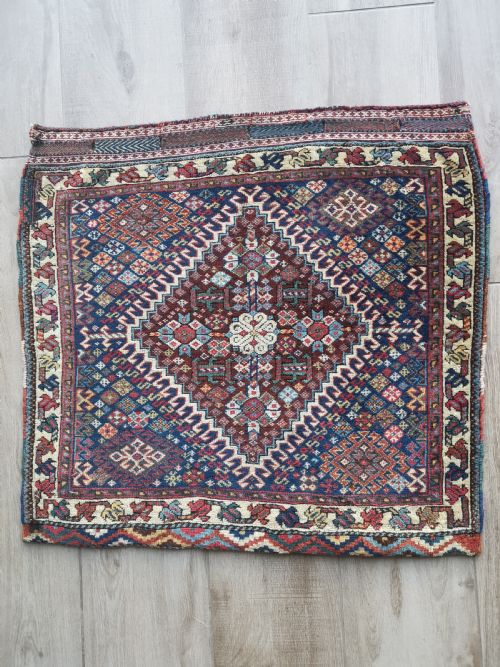
- The decorated front panel of a nomadic storage bag or saddlebag, separated from the plain back panel for display as an independent hanging.
- Natural dyes
- Organic colorants derived from plants, insects, and minerals before the widespread adoption of synthetic alternatives in the late nineteenth century.
- Jollar
- A wide tent-band or storage bag face originating from Turkmen groups, recognised by repeated guls and geometric motifs.
Antique Woven Hanging: Frequently Asked Questions
How do I hang a textile safely?
Support heavy woven pieces by stitching a supportive cotton sleeve across the top edge and sliding a padded wooden batten through it. This distributes the weight evenly and prevents stress on the ancient threads.
Keep textiles away from direct sunlight and damp environments to protect the natural wool and dyes from fading or degrading over time.
What is a tribal bagface?
Nomadic groups wove durable storage bags for domestic use, utilising intricate pile or flatweave designs on the front face. Collectors often display these panels independently as compact wall hangings.
These pieces showcase the concentrated skill and regional motifs of weavers from Persia, Afghanistan, and Central Asia in a manageable format.
How do I identify European verdure tapestries?
Verdure tapestries depict stylized forests, gardens, and foliage, often populated by birds or distant châteaux. European workshops in France and Flanders specialised in these botanical themes during past centuries.
They generally employ wool and silk threads to create layered tonal greens and browns that mimic the depth of natural woodland scenes.