

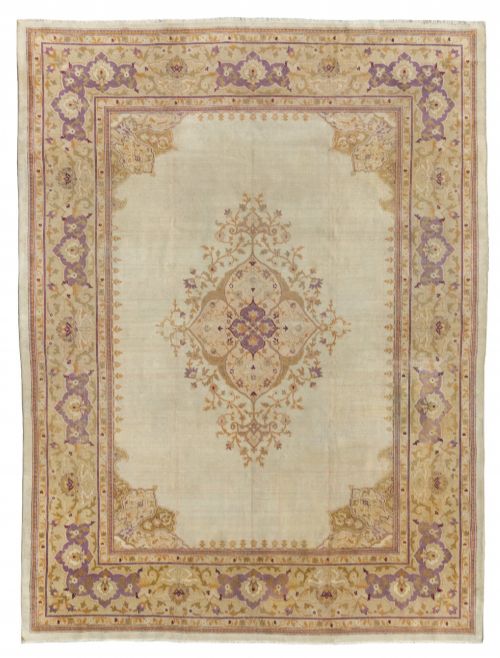


Antique Woven Floor Mat
An antique woven floor mat brings grounded texture and rich pattern to a room through centuries of textile tradition.
Antique Woven Floor Mat
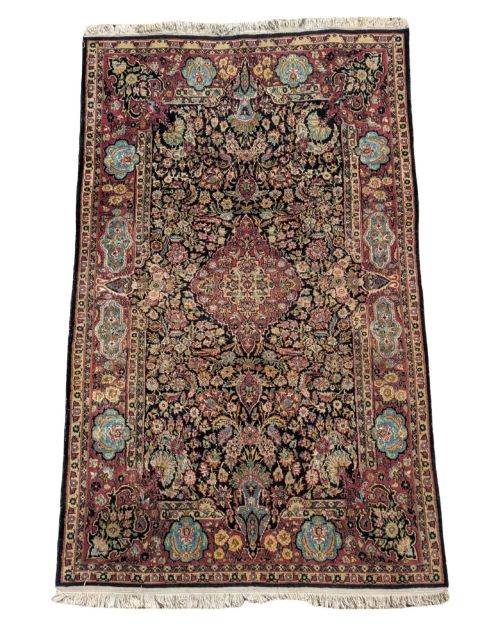
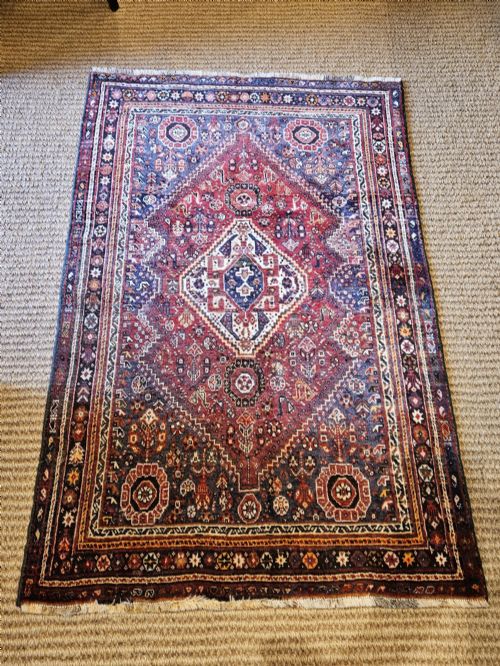
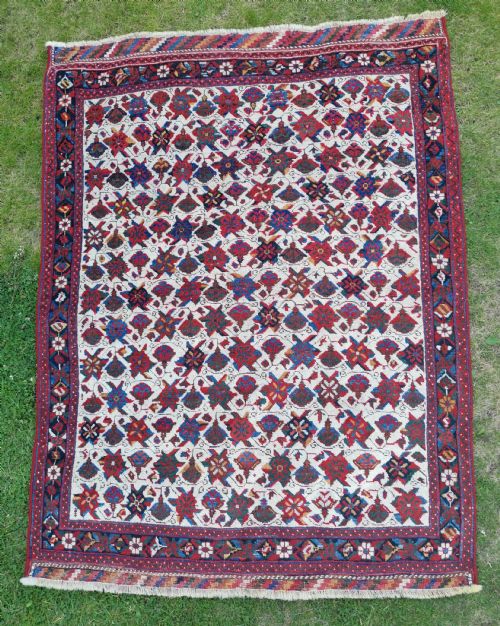
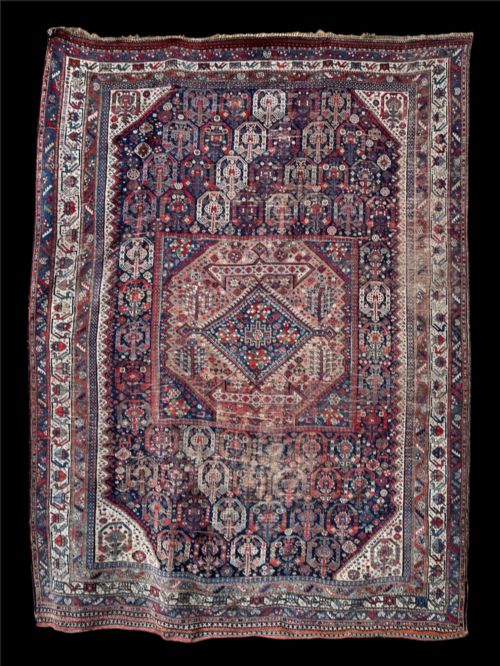
When searching for an antique woven floor mat, buyers encounter a diverse array of hand-knotted and flatwoven textiles originating from Persia, the Caucasus, Central Asia, and Turkey. These floor coverings range from compact village rugs and hallway runners to substantial carpets and functional saddlebags created during the nineteenth and early twentieth centuries.
Buyers will find formats varying from square Tibetan pieces to long hallway runners and large carpets featuring medallion designs or repeated guls. Each textile serves as a practical floor covering that brings historical depth and patterned warmth to interior spaces.
Materials and construction
Weavers constructed these textiles primarily using wool, cotton, and occasional silk highlights spun by hand and knotted or woven onto sturdy foundations. Natural dyes imparted rich hues of red, blue, and ivory that developed a deep patina over decades of use.
The structural techniques encompass intricate pile knotting in village carpets as well as flatwoven Soumak and kilim constructions found in nomadic work. These resilient textile methods ensured the mats could withstand daily use on floors while retaining their structural integrity.
Listings feature pieces dated from the 1870s through the 1930s, utilising wool, cotton, and silk.
Assessing quality and character
Quality in these floor coverings rests upon the precision of the weave, the depth and clarity of the natural dyes, and the integrity of the wool foundation. Finer knot density and well-executed geometric or floral motifs distinguish master village and city workshops from standard utility pieces.
The harmony of the colour palette and the balance of the overall design contribute significantly to visual success. Pieces retaining their original kilim ends and crisp border details command greater appreciation among collectors and interior designers alike.
The Antique Woven Floor Mat Glossary
- Gul
- A repeating octagonal or medallion motif commonly found in Turkmen and Central Asian carpet designs. These repeating symbols often identify the specific tribal group that wove the textile.
- Soumak
- A flatweaving technique that creates a durable fabric with a braided texture on the face and loose threads on the reverse. This method produces crisp geometric patterns without a pile.
- Kilim
- A tapestry-woven carpet or rug made without a pile, resulting in a lightweight and flat textile. These versatile mats were traditionally used for floor coverings and hanging partitions.
- Prayer rug
- A small rug featuring a mihrab or arch design at one end, oriented towards Mecca during Islamic daily prayers. The niche design serves as the primary identifier for this specialised form.
- Medallion
- A large central ornamental design positioned in the middle of the carpet field. This focal motif anchors the surrounding botanical or geometric patterns.
Antique Woven Floor Mat: Frequently Asked Questions
How do I clean an antique woven floor mat?
Gentle surface vacuuming without a beater bar removes loose dirt from the pile safely. Professional textile cleaning is necessary for deep washing to protect the natural dyes.
Harsh chemical detergents and excessive water damage historic wool and cotton foundations. Consult a specialist familiar with antique Oriental carpets before attempting stain removal.
Where were these floor mats made?
The pieces originate across a broad geographic expanse including Persia, Turkey, the Caucasus, and Central Asia. Nomadic tribes and village communities produced the majority of these utilitarian textiles.
Urban workshops in centres such as Isfahan, Tabriz, and Ushak also manufactured refined carpets for domestic use and export. Each region imparted distinct regional wools, palettes, and weaving structures.
Are these rugs suitable for high traffic areas?
Dense wool construction and sturdy cotton foundations allow many of these antique textiles to handle regular foot traffic. Placing a quality underlay beneath the rug prevents sliding and cushions the fibres against wear.
Delicate silk highlight pieces or very fine older fragments require placement in low traffic spaces to preserve their condition. Hallway runners and thicker village carpets naturally endure hallway and living room use well.
How can I tell the age of a rug?
Structural analysis of the foundation yarns, fringe wear, and dye types provides reliable indicators of period manufacture. Natural dyes used prior to the introduction of synthetic colours in the late nineteenth century create characteristic soft tones.
Stylistic conventions and specific tribal drawing styles also help narrow down the decade of production. Comparing the knotting technique against documented regional examples confirms the historical timeline.