


Antique Afshar Carpet
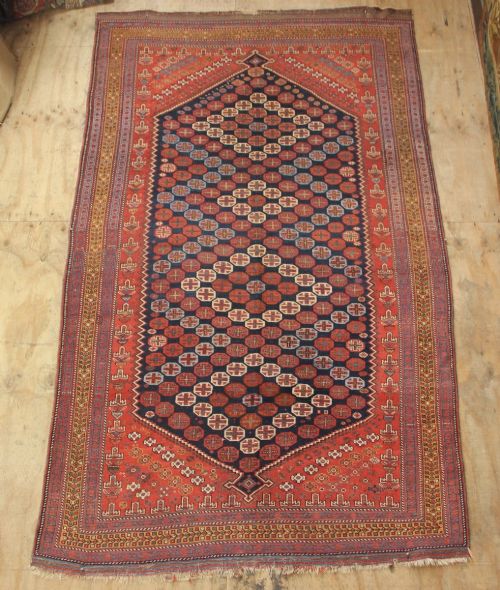
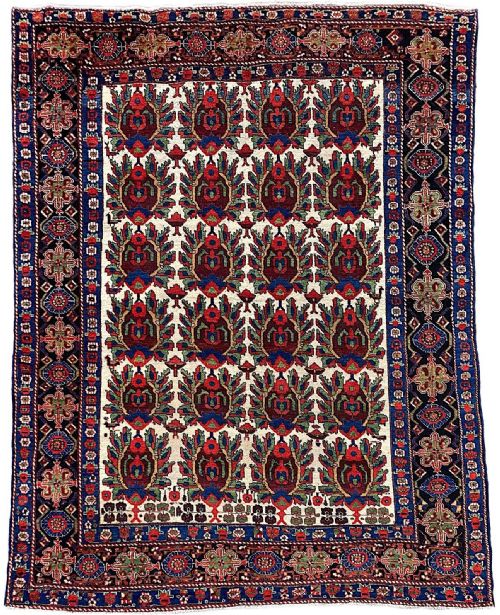
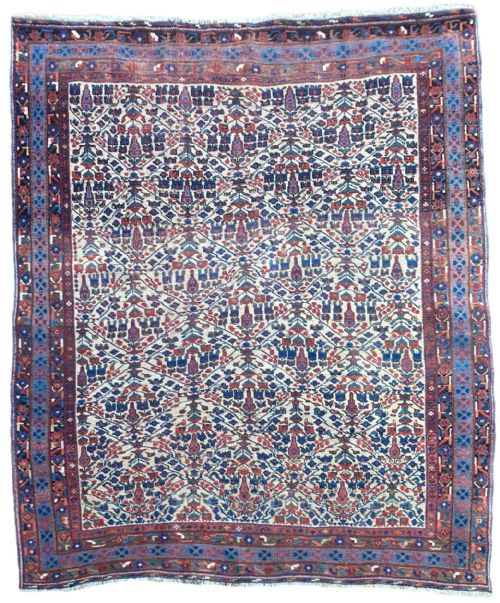
An antique afshar carpet brings the bold geometric motifs and rich vegetable dyes of South Persian nomadic weaving directly into domestic rooms.
Antique Afshar Carpet
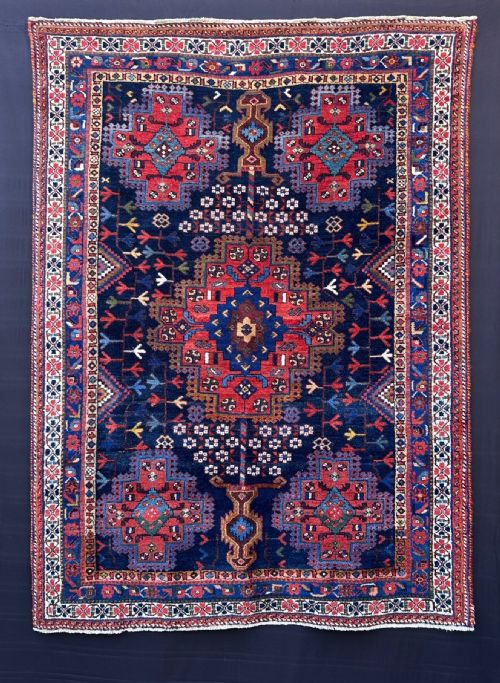
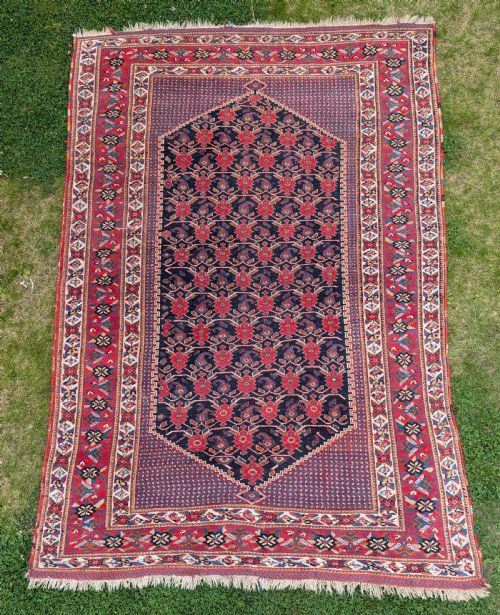
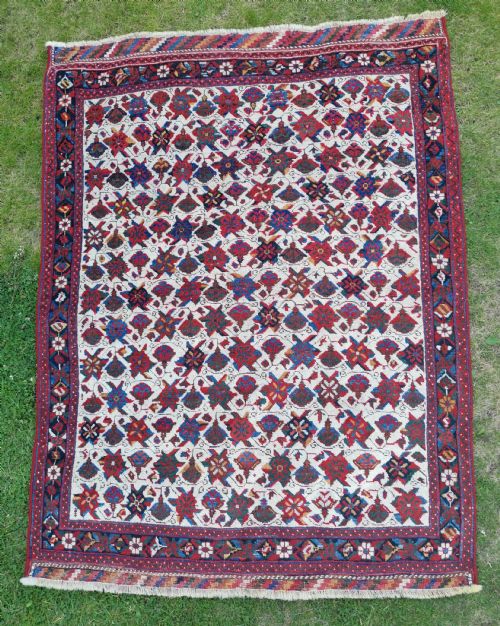
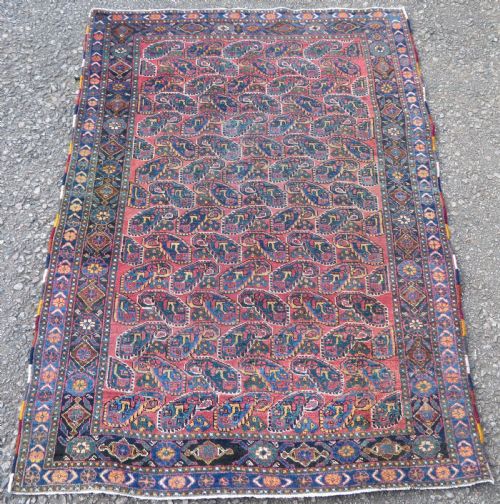
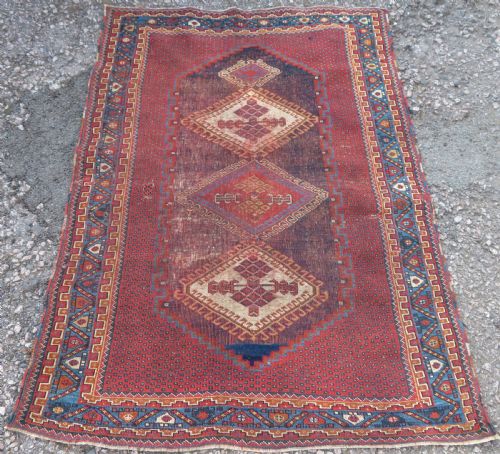
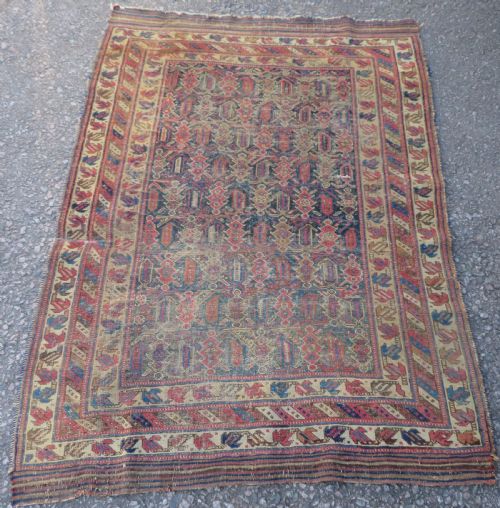
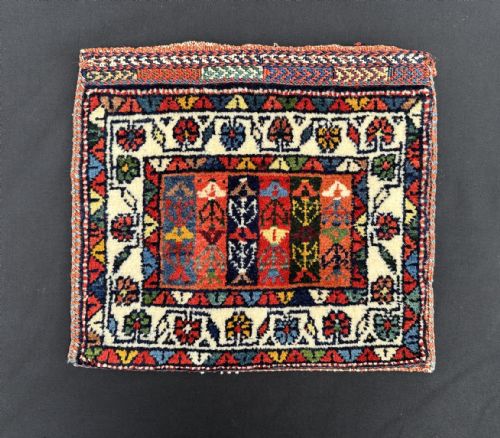
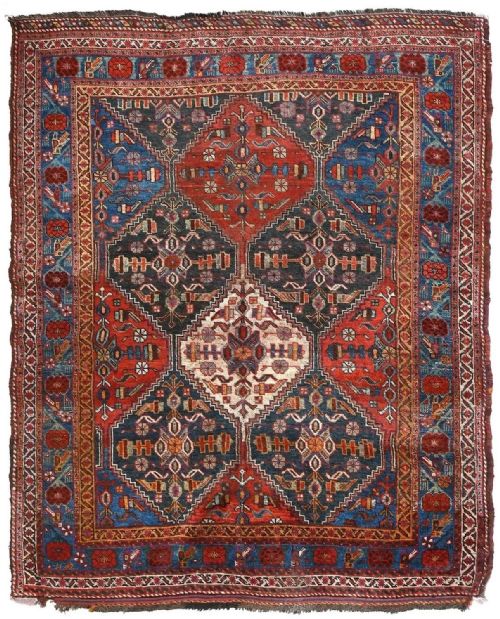
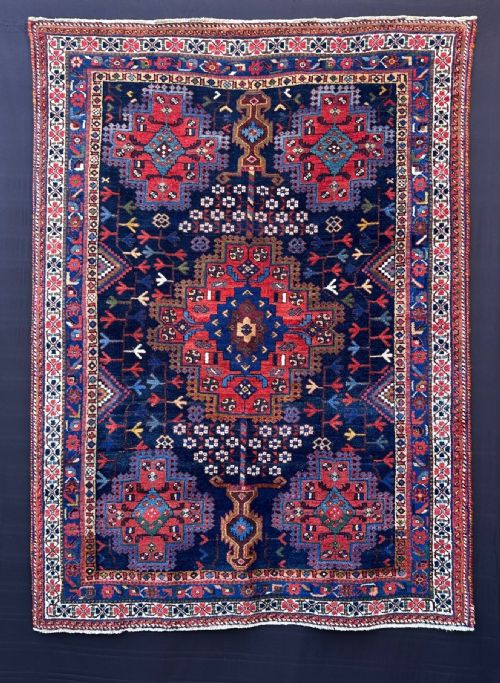
An antique afshar carpet represents the tribal and village artistry produced by the Afshar nomadic groups primarily centered in the Kerman province of southern Persia. These textiles range from compact utility bags and scatter rugs to room-sized carpets and elongated runners.
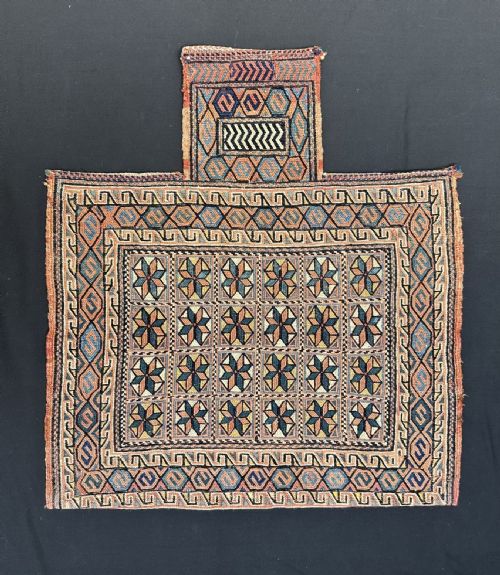
Originating predominantly across the nineteenth and early twentieth centuries, these hand-knotted pieces reflect the traditional repertoire of South Persian tribal makers. Their formats encompass area rugs, long runners, and utilitarian items like salt-bags and vanity-bags.
Materials and Construction
The construction relies fundamentally on wool pile tied onto cotton foundations, a pairing that provides both resilience and structural stability for nomadic and village floor coverings. Master weavers utilised natural dyes to achieve deep indigo blues, madder reds, and ivory grounds that patinate gracefully over generations.
Techniques range from standard pile knotting to specialised flatweave structures like Soumak work seen in tribal bags and utility textiles. The integration of local dyestuffs ensures the palette maintains its harmonic intensity through decades of light exposure and wear.
Some tribal weavers tucked miniature animal figures and stray geometric amulets directly into the borders of their carpets for good fortune.
Assessing the Weaving Standard
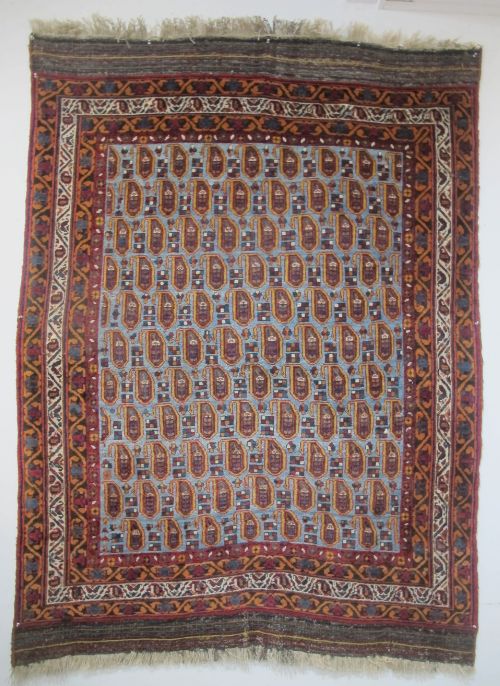
Quality in these South Persian textiles rests upon the precision of the knotting and the crispness of the geometric drawing. Denser foundations allow intricate motifs like boteh repeats and medallion edges to maintain sharp definition rather than blurring across the field.
The depth and vibrancy of the natural dyes dictate visual success, with superior pieces displaying rich tonal variation within individual strands. Secondary elements, such as the condition of the original selvedges and ends, further distinguish masterwork rugs from standard village production.
The Antique Afshar Carpet Glossary
- Boteh
- A stylised almond or pear-shaped motif of Persian origin, frequently repeated across the field of tribal carpets. This ancient symbol represents fertility, cypress trees, or eternal life.
- Soumak
- A flatweave technique where supplementary pattern threads wrap horizontally over the warp threads to create a textured, durable surface. It appears on bags and specialised textile pieces rather than standard pile rugs.
- Natural Dyes
- Organic colorants derived from plants, roots, and insects, utilised before the introduction of synthetic aniline dyes. They impart nuanced hues that mellow harmoniously over time.
- Neiriz
- A specific region within the Kerman province associated with distinct tribal rug production. Pieces from this area often feature deep indigo fields and sharp geometric medallion schemes.
- Herati
- A repeating floral lattice pattern composed of a central rosette framed by curved leaves. It forms a balanced all-over design system common in Persian village and tribal weaving.
Antique Afshar Carpet: Frequently Asked Questions
How do I identify an antique afshar carpet?
Look for dense wool pile, sturdy cotton foundations, and characteristic South Persian motifs like angular medallions or repeating boteh patterns. Regional signatures often include rich navy grounds and saturated madder red accents.
Examination of the back reveals the knot density and structural regularity typical of nomadic and village workshops in the Kerman province.
Where were these textiles originally made?
These pieces originate from the tribal and village communities of South Persia, particularly the Kerman province and surrounding districts like Neiriz and Bardsir. The weavers were historically nomadic or semi-nomadic Afshar tribes.
Production spanned the nineteenth and early twentieth centuries, reflecting the distinct cultural motifs carried through generations of pastoral life.
Are these rugs suitable for high traffic areas?
The durable wool pile and sound cotton foundations make these floor coverings resilient enough for regular domestic use. Traditional nomadic construction methods prioritized practical strength alongside decorative beauty.
Placing a quality underlay beneath the textile prevents slippage and reduces friction against hard flooring surfaces.
How should I clean and maintain my rug?
Routine maintenance requires gentle vacuuming without the beater bar to protect the wool pile and historical foundations. Professional cleaning tailored to antique vegetable-dyed wools ensures safe removal of embedded grit.
Avoiding direct, prolonged exposure to harsh sunlight preserves the natural dyes and prevents localized fading across the field.