

Antique Wooden Wall Panel
An antique wooden wall panel brings centuries of architectural history and hand-carved detail directly into a modern interior.
Antique Wooden Wall Panel
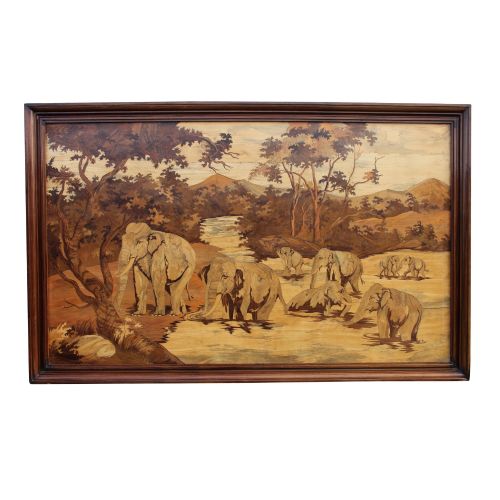
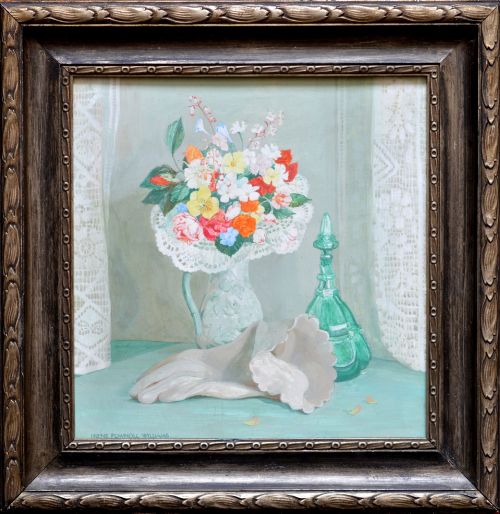
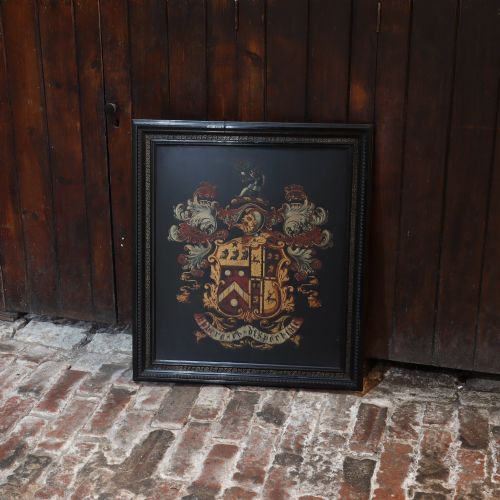
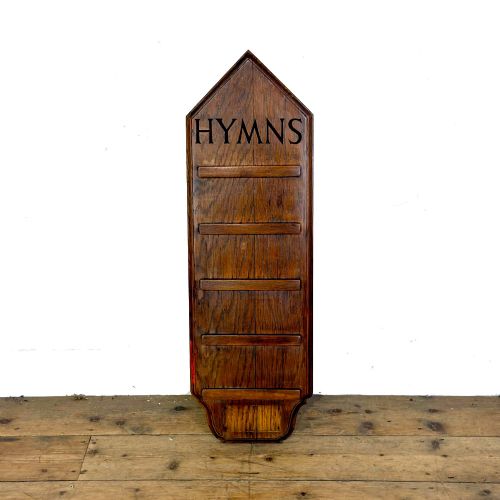
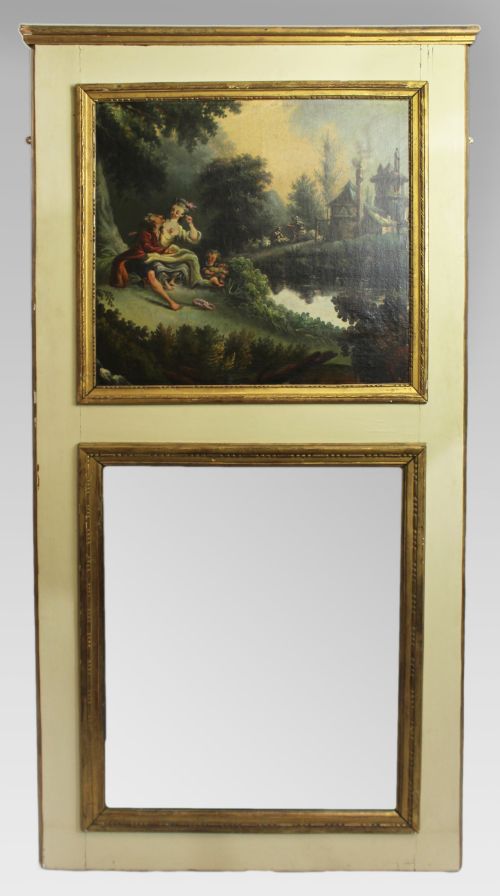
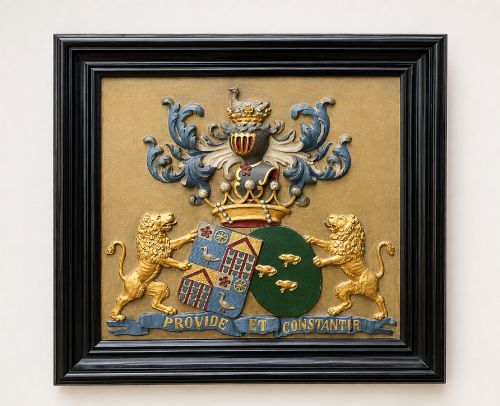
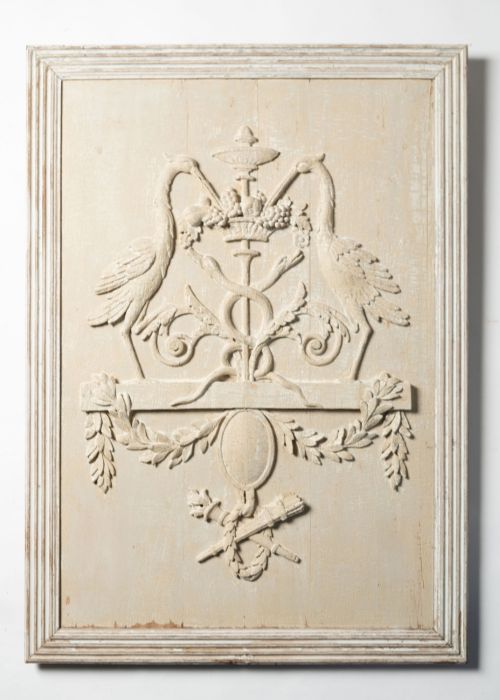
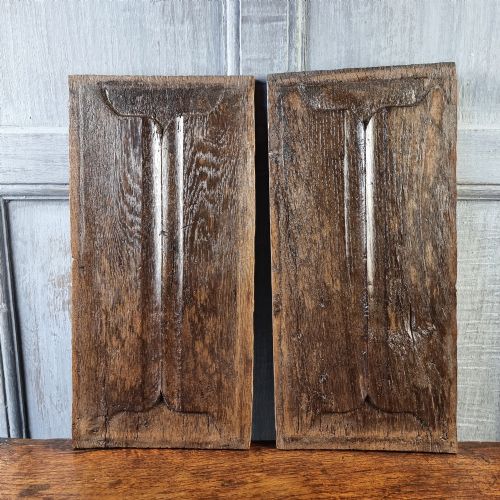
An antique wooden wall panel encompasses architectural salvage, hand-carved plaques, painted surfaces and overmantels originating from domestic and ecclesiastical interiors. When searching for an antique wooden wall panel, buyers encounter diverse forms ranging from medieval linenfold designs to Georgian heraldic panels and French trumeau mirrors. These pieces function as striking focal points in contemporary spaces, preserving centuries of craftsmanship on timber.
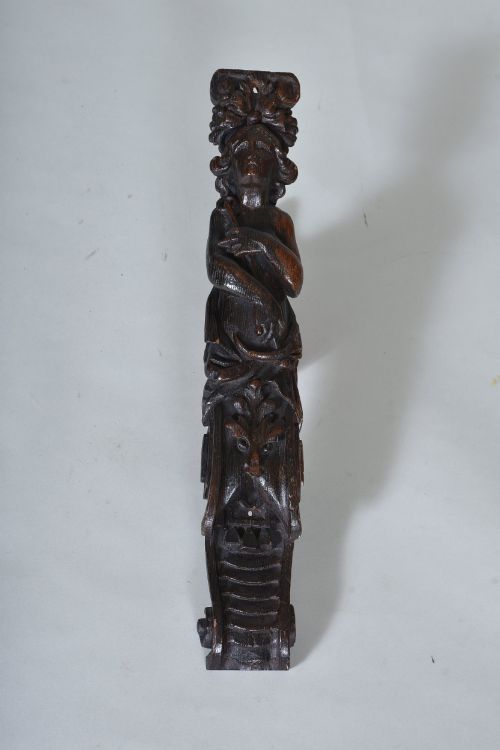
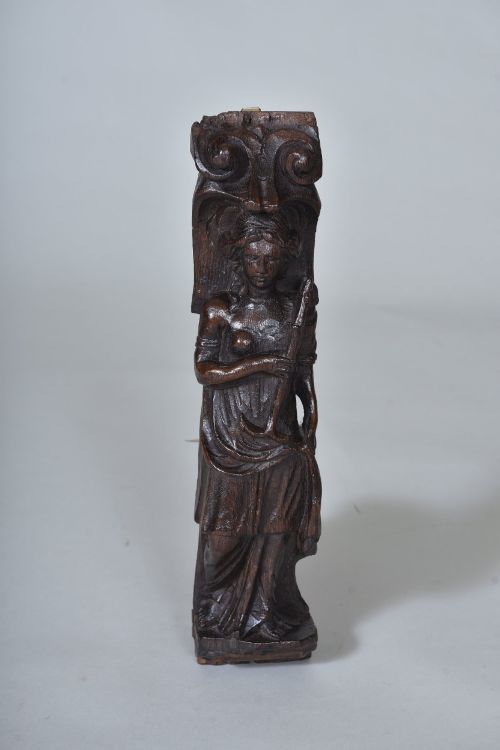
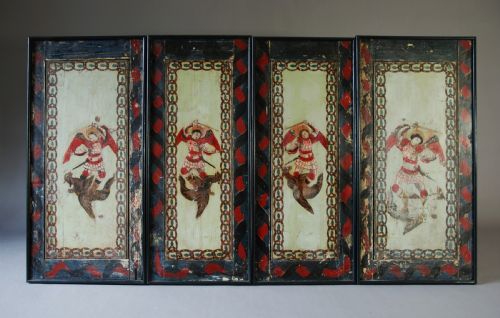
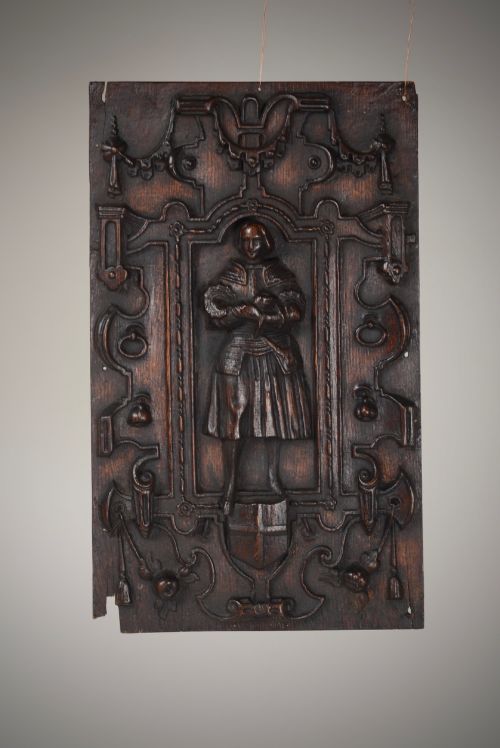
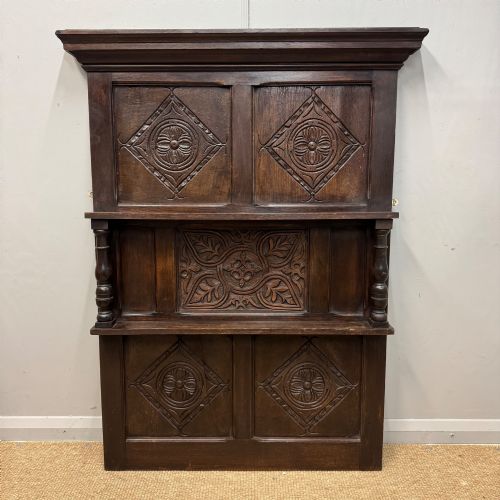
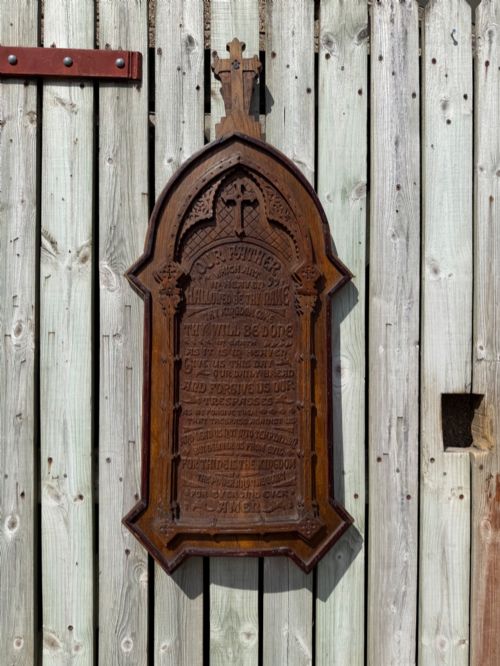
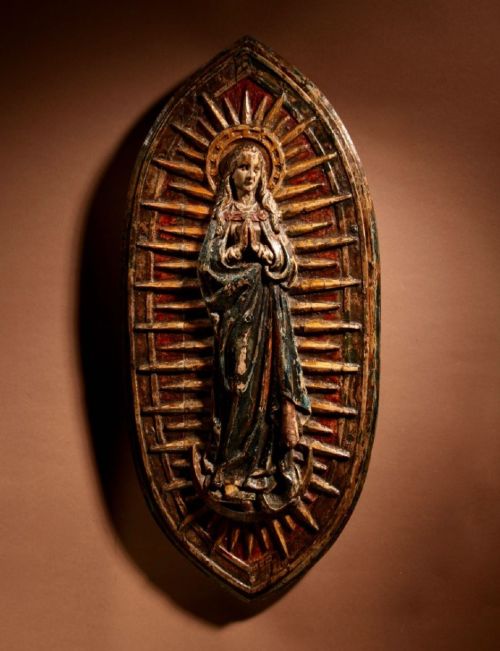
The selections span multiple centuries, with 17th-century oak carvings and 18th-century painted surfaces forming a significant portion of the available stock. Pieces frequently incorporate figural carvings, biblical scenes, and coats of arms derived from domestic interiors, altarpieces, and coach panels. Buyers also find architectural elements such as temple pediments, cupboard doors, and overdoor carvings repurposed for wall display.
Materials and construction
Carpenters and artisans relied primarily on native timbers such as oak, walnut, chestnut, and mahogany, shaping the wood with hand chisels and gouges. Relief carving, linenfold folds, and geometric mouldings define the structural execution of these panels, often joined using traditional pegged mortise and tenon joints.
Many surfaces received decorative treatments including gesso, gold leaf, paint, and polychrome finishes to enhance figural scenes and heraldic coats of arms. Over centuries, these layered materials acquire a distinct natural patina that reflects their age and working history.
Assessing quality
Quality rests in the crispness and depth of the hand carving, where skilled depth of relief separates fine figural work from simpler geometric decoration. The integrity of the timber, the retention of original painted or gilded surfaces, and the depth of the natural patina determine the standing of an individual piece.
Provenance and historical context elevate certain examples, particularly panels depicting identifiable heraldry, religious narratives, or specific historical periods. Alterations, later additions, and the survival of original mounting frames or hinges also influence the overall character of the work.
The Antique Wooden Wall Panel Glossary
- Linenfold
- A style of wood carving that imitates folded linen, commonly seen on 16th-century panels. This treatment gives flat wooden surfaces a textured, textile-like appearance.
- Overmantel
- A decorative panel or mirror designed to be positioned directly above a fireplace mantel. These pieces frequently feature large heraldic motifs, landscape paintings, or intricate architectural carvings.
- Gesso
- A plaster-like mixture applied to wood as a base for paint or gold leaf gilding. It provides a smooth surface for detailed polychrome decoration.
- Trumeau
- A decorative wall mirror featuring an oil painting or carved panel positioned above the glass. This French form dates frequently to the 19th century.
- Polychrome
- Decorated in multiple colours, often found on older wooden carvings and religious panels. This technique adds vibrant life to figural representations.
Antique Wooden Wall Panel: Frequently Asked Questions
How do I hang a heavy wooden panel safely?
Heavy carved timber panels require secure fixings into structural wall studs or masonry rather than standard plasterboard anchors. Use appropriate metal brackets or integrated hanging battens designed to bear the substantial weight of old oak and walnut.
Professional framing or mounting consultation ensures the panel remains stable without placing undue stress on historic wood joinery or original decorative surfaces.
What periods do these panels represent?
The available pieces span from the 16th century through to the early 20th century, covering major stylistic movements like Tudor, Baroque, Georgian, and Gothic Revival. Earlier examples often feature heavy oak linenfold or religious motifs, while later 19th-century works include painted panels, mirrors, and architectural salvage.
Stylistic markers and construction techniques help distinguish seventeenth-century joined work from later Victorian revivals and Continental imports.
How should I clean and maintain an antique panel?
Maintain antique timber by dusting gently with a dry, soft cloth to prevent abrasive particle buildup. Avoid using modern chemical polishes, water, or solvents that can damage original wax finishes, gesso, and paint.
Keep panels away from direct heat sources and strong sunlight to prevent the old wood from drying out, warping, or cracking over time.
Are these panels from original architectural settings?
Many items originate as architectural salvage from historic buildings, dismantled furniture, church altarpieces, and noble estates. These pieces served as wall plaques, cupboard doors, overmantels, or coach panels before entering the decorative market.
Subsequent adaptation is common, as older panels were frequently repurposed into new configurations or mounted for wall display during later centuries.