




Brown Walnut Framed Artwork
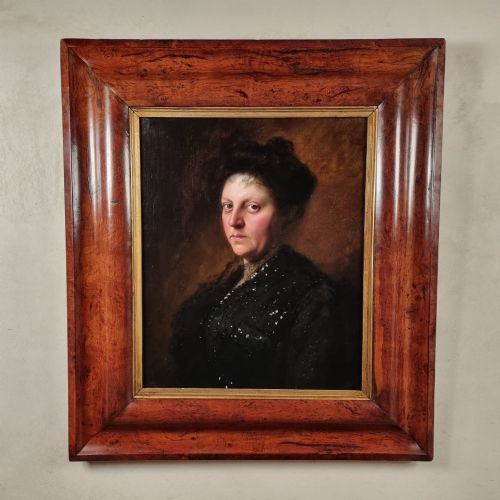
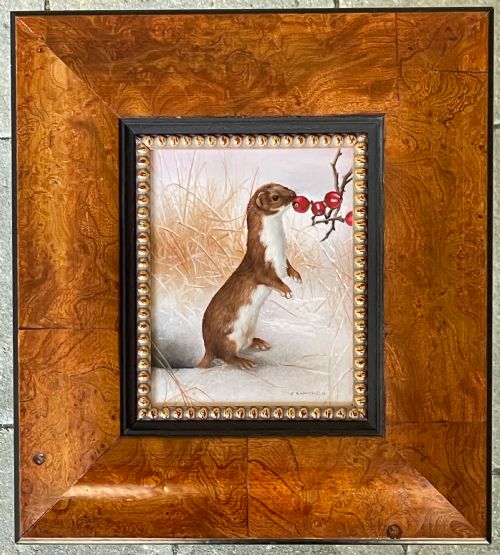
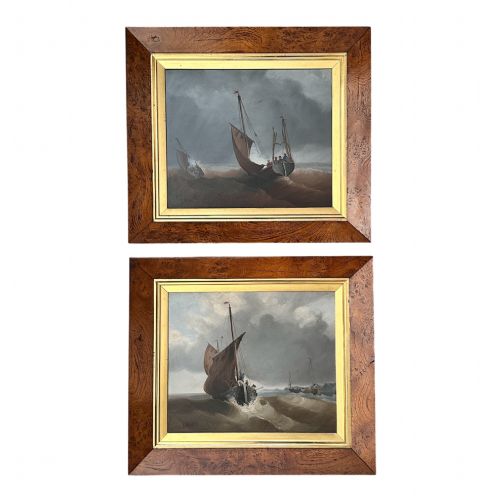
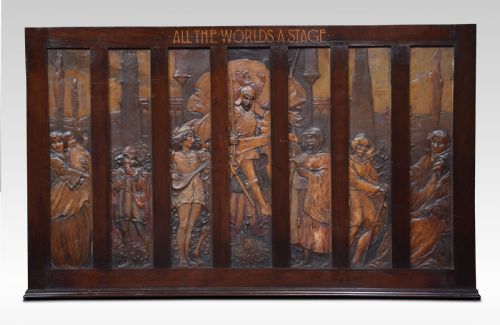
These brown walnut framed artwork selections bring historic portraits, marine scenes and engravings into rooms through warm timber borders.
Brown Walnut Framed Artwork
When you search for brown walnut framed artwork, you encounter pictures and objects held within timber surrounds across multiple centuries. The selection spans 17th Century baroque engravings, Regency views, Edwardian chalk drawings, and mid-century oil paintings.
You meet various forms on this page, including oil paintings, coloured prints, copper engravings, wall plaques, and chalk drawings. These items bring together historic imagery and traditional framing materials from British naturalism, marine art, and neoclassical styles.
How they were made
Makers utilised wood, burr walnut, and gilt wood to construct the frames that house these works. Glass protects fragile paper elements like copper engravings, chalk drawings, and coloured prints.
Artists applied oil paint to canvas and wood panels, while others worked with ink on paper for engravings. Carpenters fashioned timber into distinct moulded profiles to complement the paintings and prints within.
Listings feature works spanning from the 17th Century to 1960, utilising walnut, burr walnut, canvas, and copper engravings.
What varies in quality
The standard of execution in the painted canvas or engraved paper dictates the visual strength of the piece. Finer works display controlled brushwork, sharp plate impressions, and detailed draughtsmanship.
Frame construction also plays a central role, with burr walnut veneers and well-preserved timber mouldings elevating the overall object. Pieces that retain their period glass and original mountings demonstrate superior preservation.
Carl Whitfield·John Moore of Ipswich·Cecil Charles Windsor Aldin·Alessandro Mocchetti
The Brown Walnut Framed Artwork Glossary
- Engraving
- A printmaking process where an artist cuts lines into a metal plate to hold ink. Copper was frequently utilised for this detailed method.
- Chalk drawing
- An artwork created using dry chalk sticks on prepared paper. These works require glass protection to prevent smudging.
- Burr walnut
- A prized timber harvested from walnut tree growths, displaying swirling grain patterns. It is often applied as a veneer on fine frames.
- Gilt wood
- Carved timber coated with a thin layer of gold leaf or metallic paint. This finish enhances specific framing details.
- Baroque
- An ornate artistic style prominent in the seventeenth century. It emphasises dramatic composition and rich ornamentation.
Brown Walnut Framed Artwork: Frequently Asked Questions
How do I date these frames?
Frame styles shifted over the centuries, moving from simple seventeenth-century mouldings to elaborate Edwardian and Victorian profiles. Timber selection and construction techniques offer clear clues to the period of manufacture.
Comparing the construction methods of the walnut surround with known historical periods helps confirm the date. Timber shrinkage and hand-cut joinery provide reliable indicators of age.
Are oil paintings on canvas or wood?
Artists used both canvas and wooden panels as supports for oil paint across the represented eras. Each base responds differently to environmental changes over time.
Canvas offers flexibility, whereas wooden panels provide a rigid surface for detailed brushwork. Both materials appear frequently in historical maritime and portrait works.
How should I hang these artworks?
Hang these framed pieces away from direct sunlight and moisture to protect the walnut timber and painted surfaces. Stable indoor conditions prevent warping in the wooden frames.
Ensure wall fixings match the weight of the timber frame and glass combination. Secure hanging wire supports the structural integrity of the piece over time.
What is a copper engraving?
A copper engraving is a printed image transferred from an inked metal plate bearing incised lines. This technique allowed for high levels of detail in historical prints.
Master printmakers used burins to carve the design directly into the copper sheet before pressing it onto paper. These prints often featured architectural views or classical subjects.