




Edwardian Carved Wall Panel
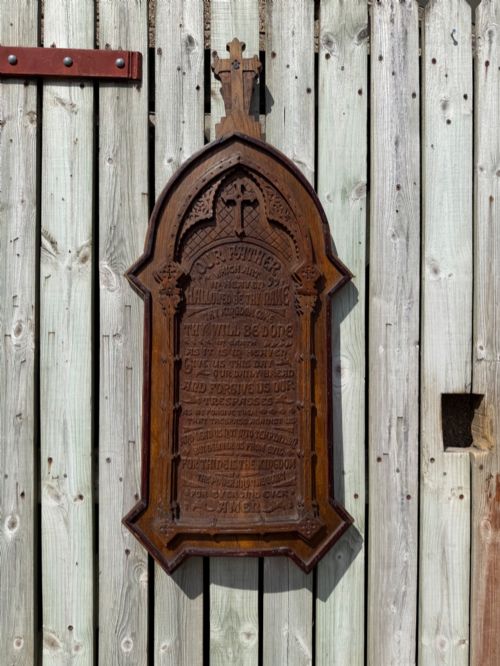
These edwardian carved wall panel examples bring texture and depth to an interior through substantial woodwork and period detail.
Edwardian Carved Wall Panel
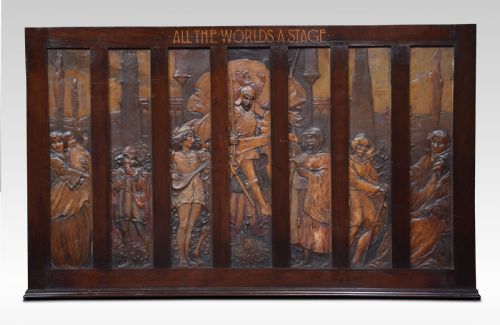
An edwardian carved wall panel brings historical character to a room through dense woodwork, relief carving, and traditional joinery. These architectural elements transform plain plaster walls into surfaces with focal points and distinct period presence.
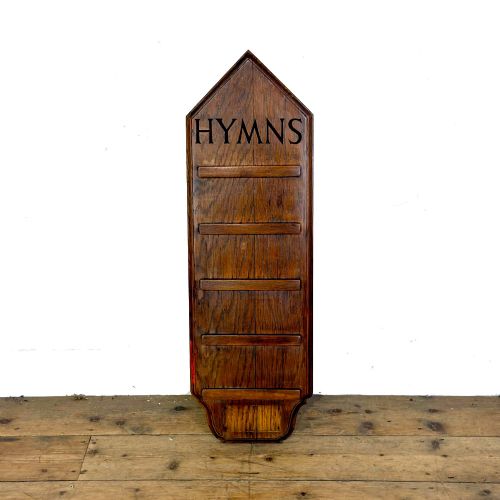
The pieces listed on this page span several decades around the turn of the twentieth century, mixing Edwardian examples with Victorian predecessors and later items. Alongside carved wooden panels, the selection includes related wall hangings, mirrors, and architectural salvage.
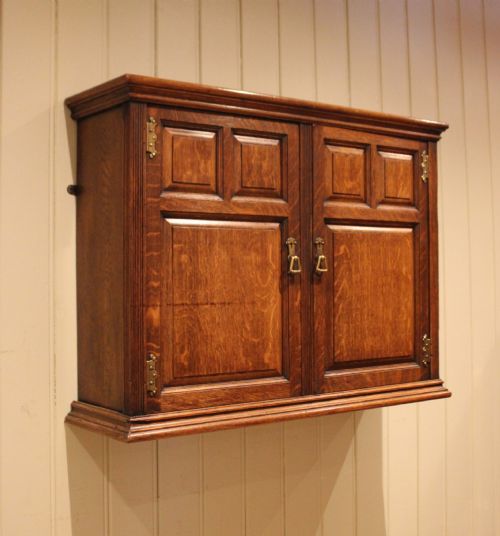
Buyers will find that many items combine decorative carving with functional forms such as wall cabinets and overmantel mirrors. The varied origins range from domestic interiors to fairground rides and gallery workshops.
How they were made
Makers relied primarily on solid hardwoods such as oak, mahogany, walnut, and rosewood for structural stability and fine carving definition. These timbers were selected for their grain patterns and ability to hold crisp relief work over decades of use.
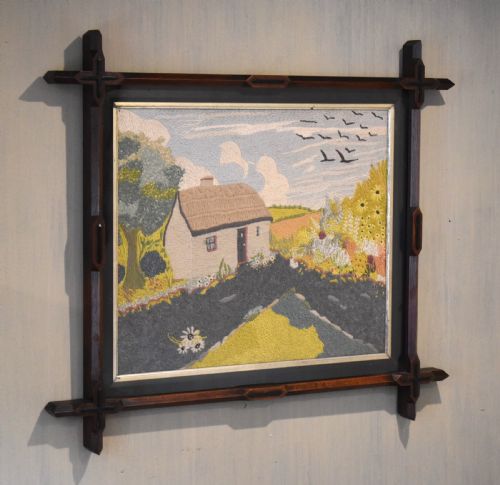
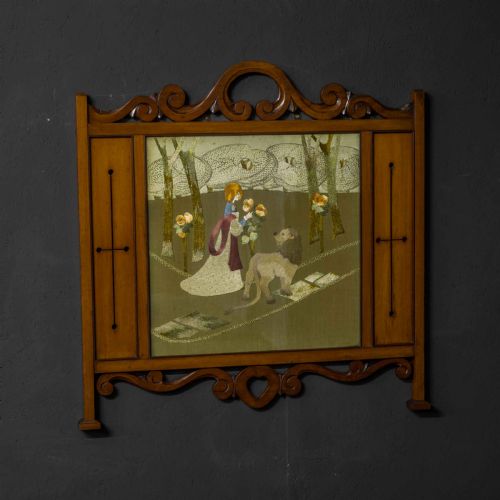
Surface decoration frequently combined hand chiselling with painted elements, gilt accents, and inserted glass or brass fittings. Textile elements like wool needlework and tapestry occasionally appear set into wooden frames.
Construction methods followed traditional cabinetmaking practices, utilising solid boards joined to withstand the movement of timber in domestic environments. Carved details were executed directly into the main body of the wood or applied in separate sections.
Listings span periods from the nineteenth century through the 1930s, featuring oak, walnut, mahogany, and wool materials.
What varies in quality
The depth and clarity of the chisel work distinguish standard production from exceptional craftsmanship. Sharper, more confident relief carving creates stronger shadow lines and greater visual complexity across the surface.
The selection of timber grade and the preservation of original finishes affect the overall integrity of the piece. Timbers with well-figured grain and minimal structural intervention retain their historical honesty.
Proportion and balance within the carved composition determine how successfully the panel integrates into a modern interior wall scheme. Strong architectural framing elevates simpler decorative panels.
The Edwardian Carved Wall Panel Glossary
- Overmantel mirror
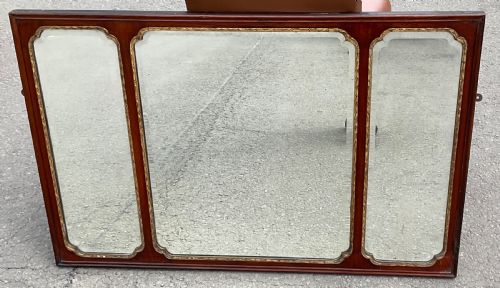
- A large mirror designed to hang directly above a fireplace mantelpiece. They often feature elaborate wooden frames with carved details or multiple glass panels.
- Architectural salvage
- Building elements and decorative fixtures rescued from older structures for reuse. These items preserve historical craftsmanship that would otherwise be lost.
- Arts and Crafts
- A design movement that prioritised traditional handcraft methods and natural materials over mass production. It is represented here through expressive woodwork and needlework pictures.
- Fairground folk art
- Decorative panels and boards produced for amusement rides and fairground attractions. They display bold, hand-painted designs and robust carving suited to public spaces.
- Needlework picture
- A decorative textile work created using yarn or thread on a canvas ground. These are commonly framed behind glass to protect the wool fibres.
Edwardian Carved Wall Panel: Frequently Asked Questions
How do I hang a heavy carved wooden panel safely?
Heavy wooden panels require secure fixings attached directly into wall studs or masonry using appropriate wall anchors. The weight distribution across the back frame dictates the placement of hanging brackets.
Consulting a professional installer ensures the piece remains stable and safe against the wall surface over time.
Can these panels be used in modern interiors?
These pieces provide a textural contrast against neutral, contemporary walls and minimalist spaces. Placing a single carved panel or mirror anchors a room and introduces historical depth.
Scale is the main consideration when matching a panel to a specific wall proportion in a modern home.
How do I clean an antique carved panel?
Dusting with a dry, soft bristle brush removes particles from deep within the carved recesses without damaging the wood surface. Avoid using wet cloths or liquid polishes that can seep into untreated grain.
Periodic application of appropriate wax feeds the timber and maintains the natural lustre of the finish.
What is the difference between an overmantel mirror and standard wall art?
Overmantel mirrors are traditionally proportioned to span the width of a fireplace, combining reflective glass with substantial wooden frames. Standard wall art focuses entirely on visual imagery or carved relief without glass.
Both serve to draw the eye, but overmantels introduce light and space into a room.