





Walnut Wall Plaque
These walnut wall plaque examples bring deep relief carving and rich timber grain into a room, offering immediate focal points for panelled walls or hallways.
Walnut Wall Plaque
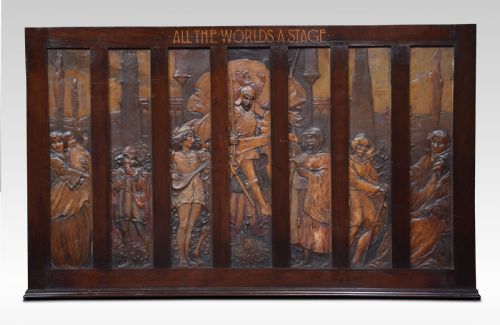
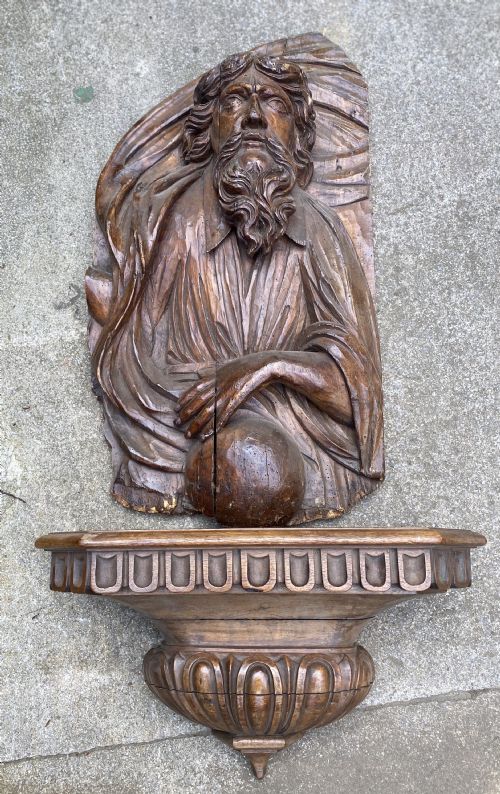
When you search for walnut wall plaque, you encounter carved timber panels, relief carvings, armorial plaques, and framed architectural elements designed to hang directly on vertical surfaces. The items span various historical epochs, ranging from seventeenth-century French panels depicting religious scenes to nineteenth-century Black Forest animal carvings and twentieth-century marquetry works.
You are most likely to meet nineteenth-century Black Forest pieces and Victorian decorative carvings on this page, alongside earlier seventeenth-century figurative panels. These objects frequently portray hunting scenes, birds of prey, tigers, lions, and classical figures rendered in rich walnut timber.
The assortment includes wall mirrors, wall sculptures, and relief panels that demonstrate the versatility of walnut as a medium for detailed sculptural work. Makers utilised the natural properties of the wood to create depth and shadow across diverse styles such as Arts and Crafts, Renaissance Revival, and Louis XIII.
How they were made
Craftsmen shaped these items primarily from solid walnut, occasionally incorporating oak, satinwood, ebony, and burr walnut veneers to achieve tonal contrast within marquetry panels. Timber selection depended on the desired intricacy, with dense walnut allowing for crisp chisel work and deep undercut relief.
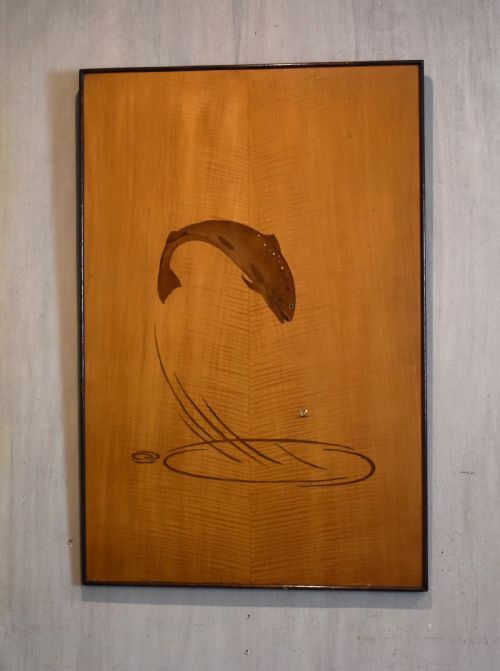
Carving techniques ranged from high-relief figurative sculpture to flat pictorial marquetry using various wood veneers to depict subjects like leaping salmon. Surface finishes typically rely on traditional wax or polish to protect the timber while highlighting the natural grain and colour variations inherent in walnut and associated woods.
Listings feature walnut alongside oak, ebony, and satinwood, spanning the seventeenth to the twentieth centuries.
What varies in quality
The standard of a walnut wall plaque depends on the depth and precision of the carving, where sharply defined feathers, musculature, and facial expressions distinguish superior works from simpler decorative items. Finer panels exhibit confident chisel control that brings three-dimensional realism to figures and animals without mechanical stiffness.
Timber selection and grain matching further separate basic items from exceptional examples, particularly in marquetry pieces where precise veneer cutting creates convincing pictorial depth. The harmony between the original frame or mounting structure and the central panel also indicates the overall integrity of the piece.
The Walnut Wall Plaque Glossary
- Black Forest
- A style of wood carving originating from the mountainous region of central Europe, famous for naturalistic depictions of animals and foliage rendered in walnut. Pieces often feature bears, birds of prey, and detailed hunting motifs.
- Marquetry
- The art of applying small pieces of wood veneer to a structure to form decorative patterns and pictorial scenes. Craftsmen utilise the natural grain and colour of different timbers like walnut and ebony to create contrast without paint.
- Relief
- A sculptural technique where the figures project from a flat background plane, varying from low relief to high relief. This method gives wall panels a three-dimensional quality ideal for interior display.
- Armorial
- Relating to heraldry and family coats of arms, often carved into wood panels to display lineage or civic identity. These walnut plaques frequently incorporate shields, crowns, and symbolic beasts.
- Louis XIII style
- A French design aesthetic from the seventeenth century characterised by heavy, robust proportions and architectural ornamentation. Walnut panels in this style often display bold mouldings and deeply carved religious or mythological figures.
Walnut Wall Plaque: Frequently Asked Questions
How do I hang a heavy carved walnut plaque?
Heavy wooden wall plaques require secure fixings anchored directly into wall studs or heavy-duty masonry plugs to support the substantial weight of dense walnut timber.
Many antique pieces feature original hanging loops or brackets, but supplemental flush-mount mirror plates or sturdy picture wire attached to the structural frame ensure safe vertical display.
What is the difference between a wall plaque and a panel?
A wall plaque generally refers to a decorative object created specifically for standalone display, whereas a panel may have originally formed part of a larger architectural scheme, cabinet, or room lining.
Both items serve similar decorative functions on interior walls, though salvaged architectural panels often retain structural rebates or edges from their original fitted context.
How should I clean and maintain antique walnut wood?
Maintain antique walnut by dusting gently with a dry, soft cloth to prevent particulate accumulation in the crevices of deep relief carvings. Avoid modern silicone sprays and excessive moisture, applying traditional beeswax sparingly only when the timber appears dry to preserve the surface patina.
How can I tell a nineteenth-century carving from an earlier one?
Nineteenth-century revival pieces often emulate seventeenth-century styles like Louis XIII or Renaissance Revival, making stylistic context and tool marks vital indicators of age. Earlier seventeenth-century items typically display hand-tool signatures, oxidised timber patina, and construction methods consistent with period joinery rather than later machine assistance.