


Antique Wooden Vanity
An antique wooden vanity brings together practical dressing furniture and period craftsmanship, offering a functional centrepiece for the bedroom.
Antique Wooden Vanity
An antique wooden vanity covers a range of domestic forms designed for personal grooming and preparation, including dressing tables, toilet mirrors, washstands, and fitted jewellery boxes. When searching for an antique wooden vanity, buyers encounter pieces spanning the Georgian, Victorian, Edwardian, and Regency periods, alongside later Arts and Crafts and Art Deco examples.
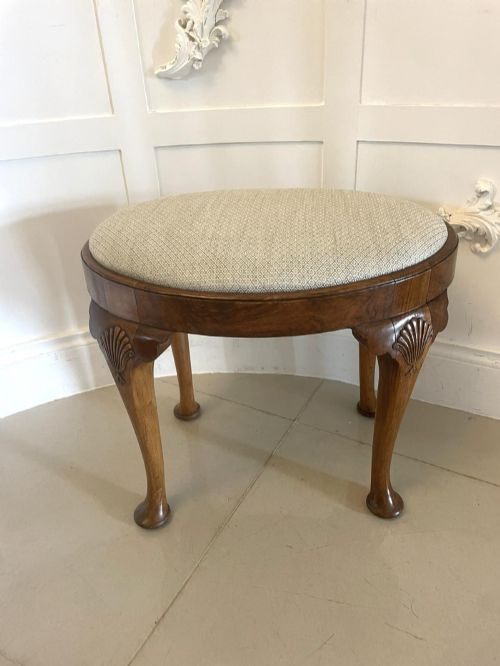
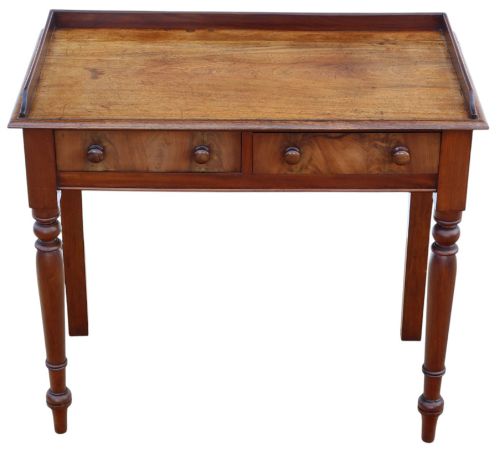
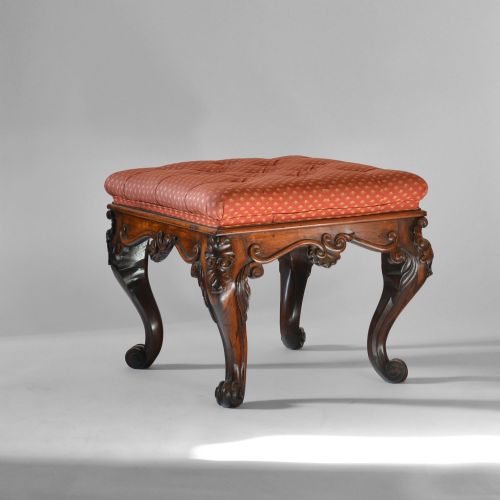
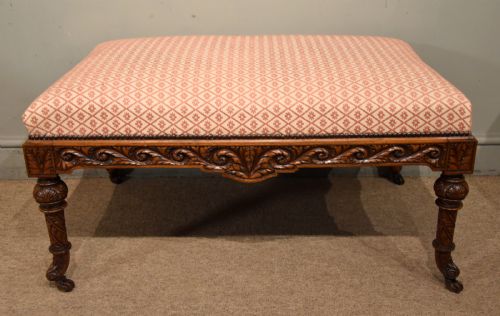
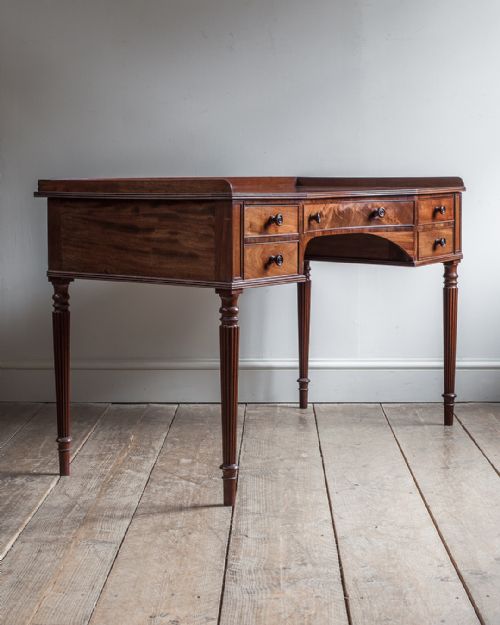
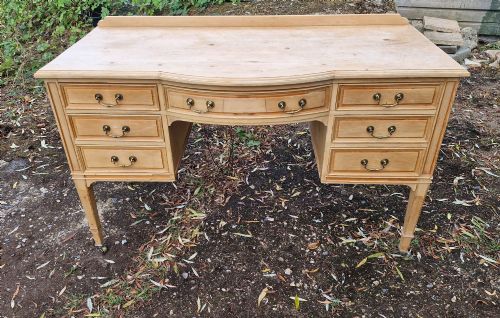
The selection on this page leans heavily towards mahogany, walnut, and rosewood dressing tables, alongside oak and pine washstands, alongside smaller tabletop dressing mirrors and compact vanity boxes. Stools upholstered in silk or fabric frequently accompany these tables, completing the traditional dressing arrangement.
Materials and construction
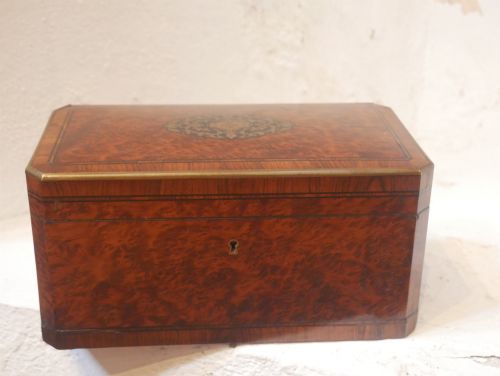
Cabinet makers utilised dense hardwoods such as mahogany, walnut, rosewood, and oak, often applying veneers like flame mahogany, oyster cuts, and burr walnut over secondary timbers. Inlaid details in tulipwood and other contrasting species frequently decorate the surfaces of boxes and tables.
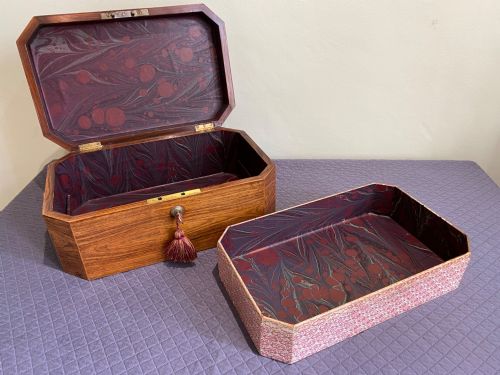
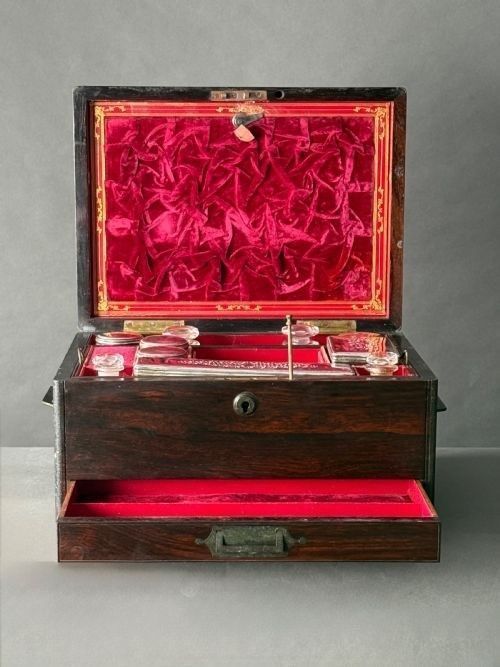
Structural integrity relies on traditional joinery techniques, complemented by brass fittings, glass mirrors, and carved wooden supports. Interiors of jewellery boxes and vanity cases often feature fitted compartments lined with leather or fabric.
The listings span eight distinct periods, from the 18th century through to the 1930s Art Deco era.
Assessing quality in period pieces
The standard of a piece rests upon the crispness of its carving, the selection of figured wood veneers, and the integrity of its internal construction. Superior examples retain original brass hardware, clear mirror glass, and tightly fitted interior dividers rather than replaced elements.
Proportion and balance distinguish finer workshop output from simpler provincial items. Subtle details such as dovetailed drawer linings, refined cabriole legs, and undisturbed patination elevate the standing of a dressing table or mirror.
Tahan Paris·P and MA Nicholson·Heal and Sons
The Antique Wooden Vanity Glossary
- Toilet mirror
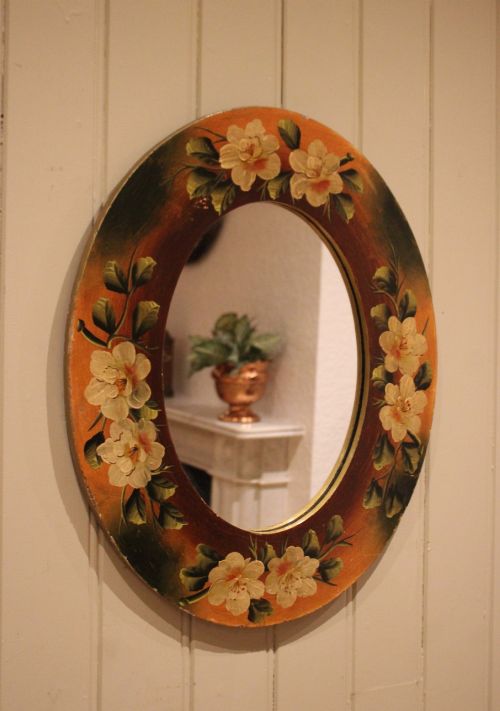
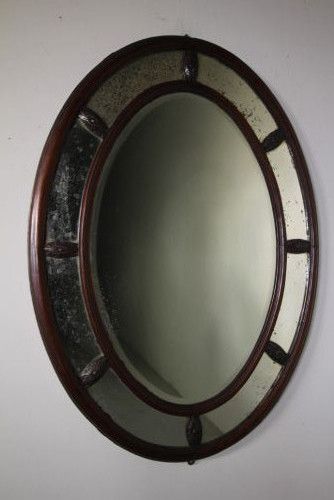
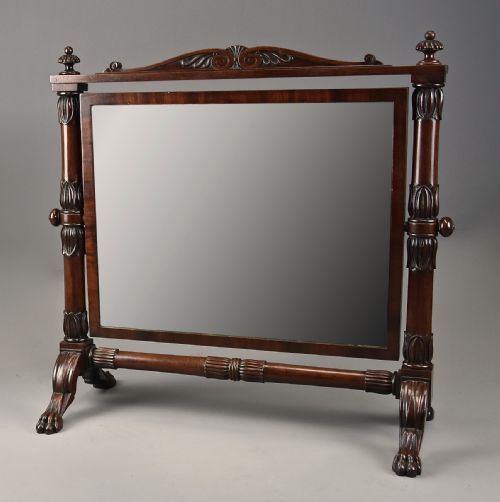
- A smaller tabletop mirror, often mounted on a swing frame with small drawers beneath, designed to sit atop a chest of drawers or dressing table.
- Washstand
- A wooden stand designed to hold a basin and ewer for washing, frequently fitted with marble tops or splashbacks.
- Cheval glass
- A full-length dressing mirror suspended on a vertical swivelling frame, allowing the glass to tilt to various angles.
- Veneer
- A thin slice of figured wood applied to a primary timber surface to create decorative patterns and visual depth.
- Serpentine front
- A furniture front curved with a convex centre flanked by concave wings, creating a flowing undulating outline.
Antique Wooden Vanity: Frequently Asked Questions
What is the difference between a toilet mirror and a dressing mirror?
A toilet mirror is specifically designed to sit on top of a separate surface, such as a chest or table, and usually includes small storage drawers in its base. A dressing mirror often refers to larger cheval styles or complete standalone pieces.
Both serve the same grooming function but occupy different spaces within a period bedroom setting.
How do I care for wooden vanity surfaces?
Maintenance requires avoiding direct sunlight and excessive moisture, which can damage polished wood and antique mirror silvering. Regular dusting with a soft, dry cloth preserves the finish.
Applying quality wax polish occasionally nourishes the timber without building up a heavy residue.
Are these pieces suitable for daily modern use?
Many period dressing tables, mirrors, and vanity boxes remain entirely functional for everyday routines. Their solid construction and compartments accommodate modern cosmetics and jewellery.
Care should be taken with antique mirror glass and delicate veneer surfaces during use.
How do I identify the period of a wooden vanity?
Period identification relies on observing the prevailing style, construction methods, and secondary woods used in the carcass. Georgian and Regency pieces show distinct classical proportions, while Victorian and Edwardian examples often feature heavier carving or lighter inlaid decorations.
Comparing hardware and drawer dovetails provides further clues to the date of manufacture.