
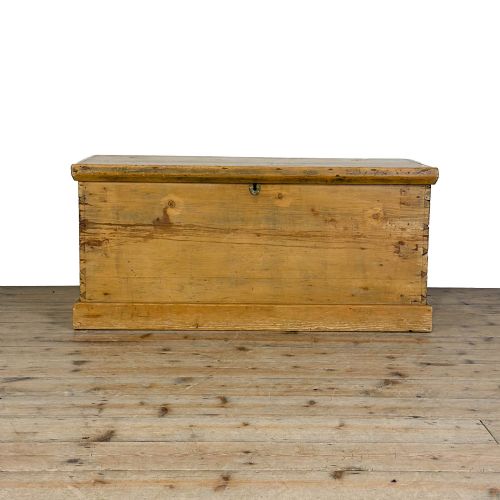
Antique Wooden Toy
An antique wooden toy carries the hand of a past maker and the wear of a nursery floor.
Antique Wooden Toy
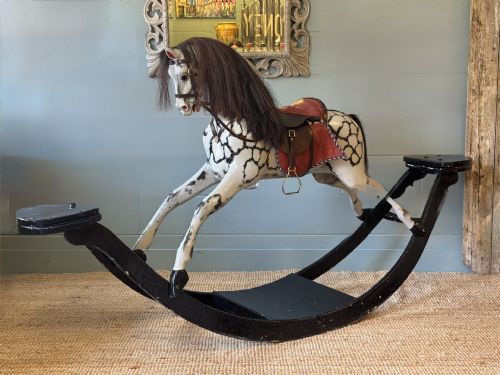
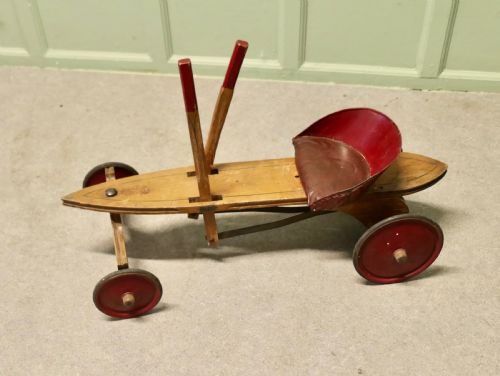
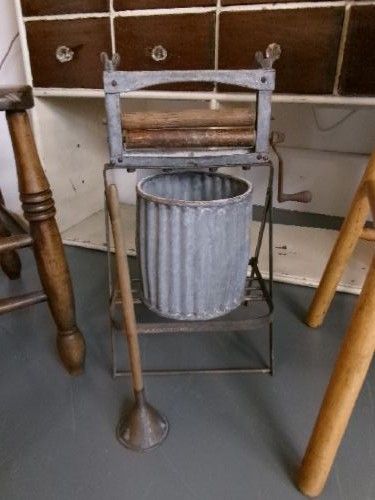
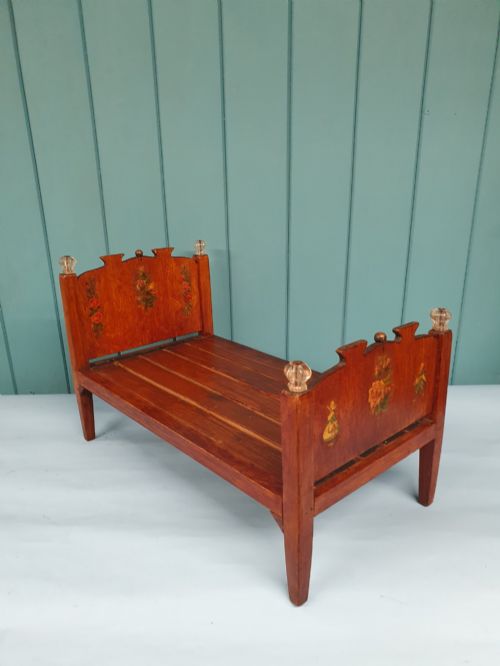
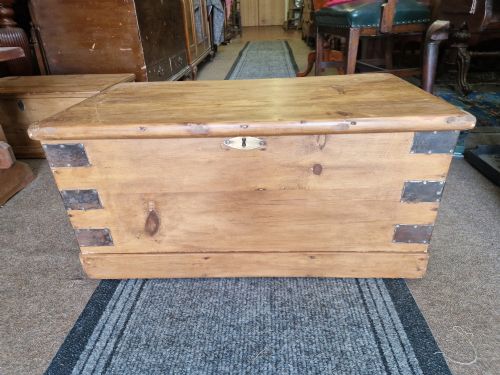
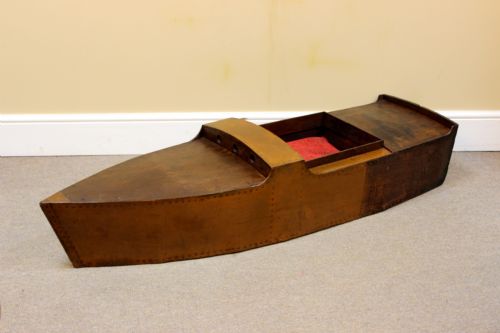
When you search for an antique wooden toy, you encounter survivors of nineteenth-century playrooms, including rocking horses, model boats, pull-along animals, and miniature furniture. These pieces span periods from the Georgian era through the Edwardian years and into the 1930s, reflecting the domestic past through items made for children.
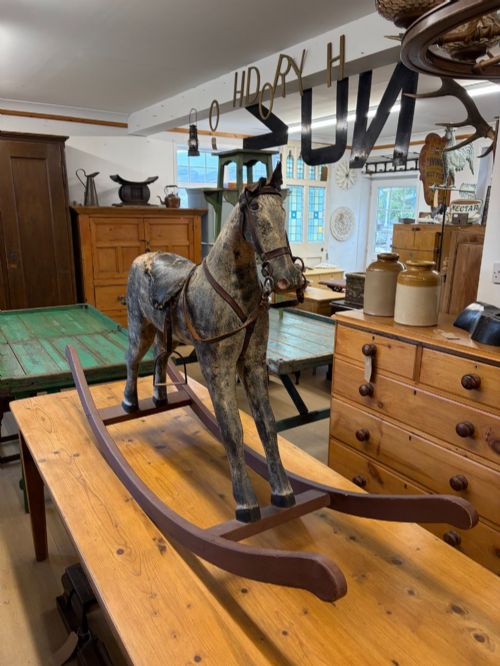
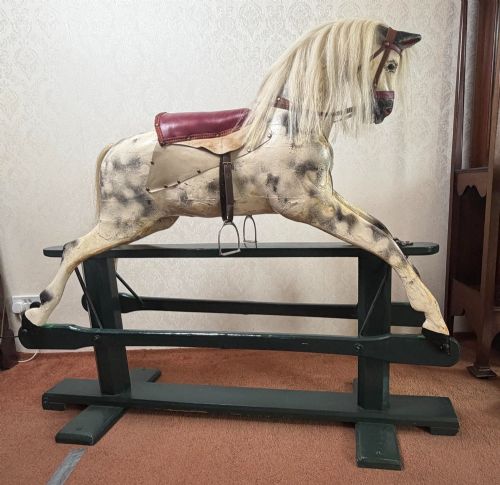
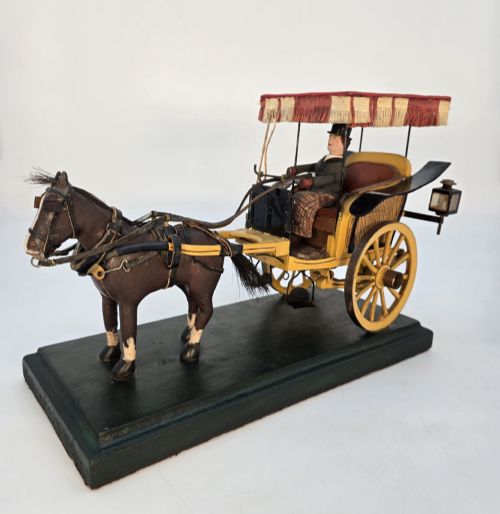
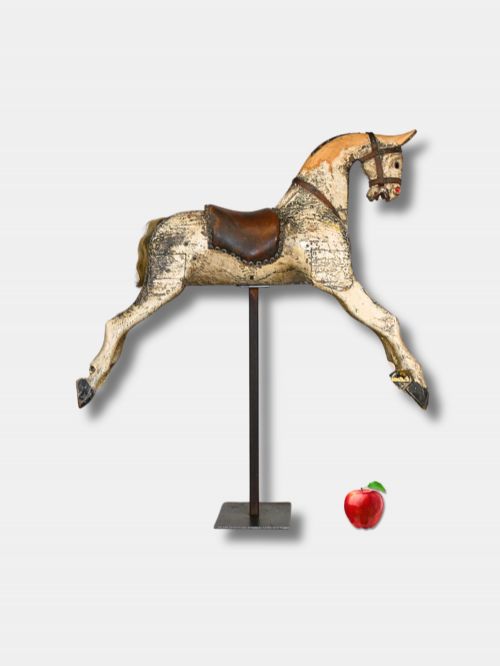
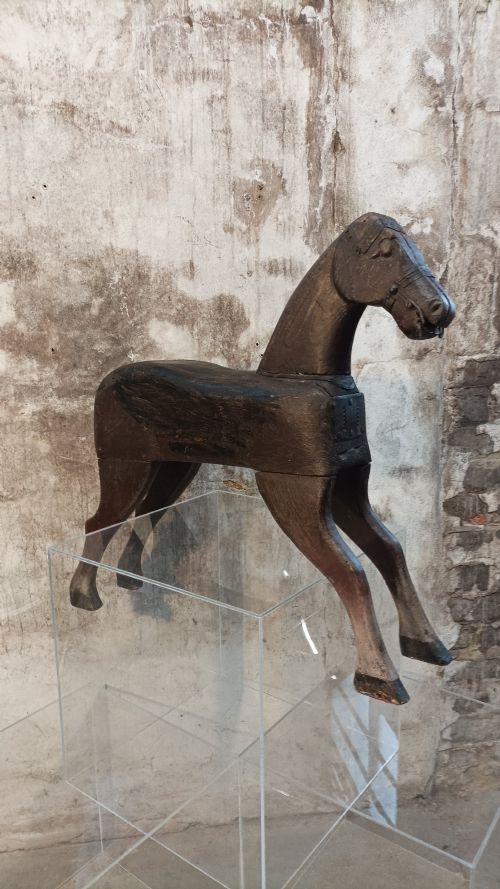
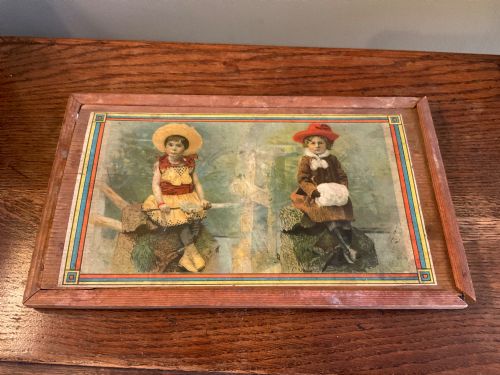
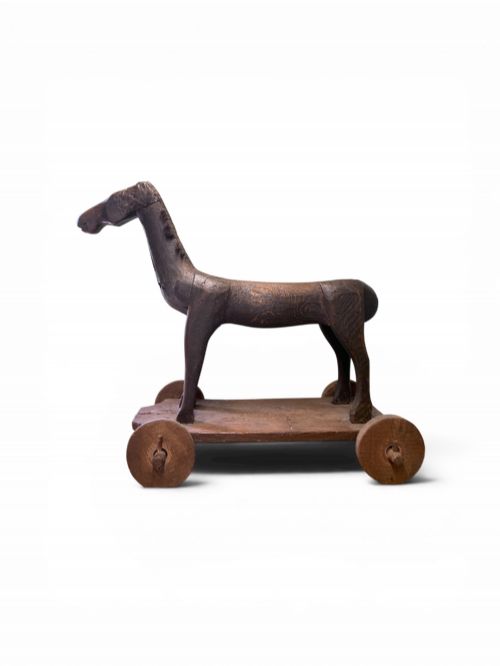
The most common forms on this page are large rocking horses on stands and smaller push-along or pull-along horses mounted on wheels. Alongside these equine figures appear architectural models like stables, watercraft such as pond yachts, and functional miniature items like toy beds and alphabet boxes.
Materials range from simple pine and elm to denser carved wood supplemented by iron axles, leather harnesses, and horsehair manes. Many retain traces of original paint or folk art decoration applied by hand before entering the toy chest.
Materials and Construction
Makers relied on readily available timbers such as pine, elm, and various hardwoods, shaping them with saws, chisels, and carving knives. Larger structures like rocking horses often combine carved wooden bodies with iron components for stability and movement.
Surfaces received treatments ranging from plain wax to layers of oil paint, sometimes enhanced with horsehair for manes and tails and leather for tack. Joinery methods varied from simple primitive nailing in folk art pieces to more precise pegged or jointed construction in workshop-produced items.
Antique Wooden Toy Retail Price Guide 2026
Typical asking prices for wooden toy among the pieces listed under this phrase on Sellingantiques today, from the lower quarter to the upper quarter. They describe what is for sale here now, not the wider market.
Some nineteenth-century rocking horses retain their original horsehair manes, having survived generations of enthusiastic nursery gallops.
Distinctions in Quality
Quality rests upon the originality of surface treatment and the vitality of the carving. Pieces retaining their early or original paint schemes hold greater character than those stripped to bare wood or heavily refinished.
The distinction between workshop production and folk art carving creates a wide spectrum of charm. While stamped works by known makers exhibit refined proportion, naive pieces carved by local hands display an expressive, direct interpretation of form.
G & J Lines of London·F.H. Ayres·Collinson·Periclès
The Antique Wooden Toy Glossary
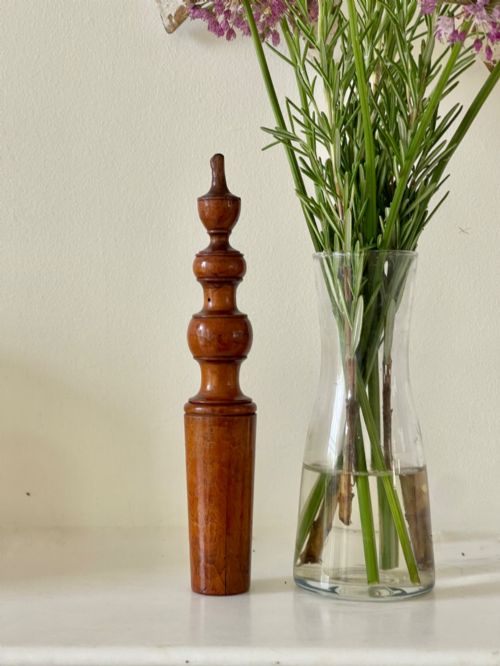
- Treen
- Small wooden utilitarian objects made by turning or carving. These items range from small domestic wares to miniature playthings.
- Folk Art
- Objects created by self-taught makers working outside academic traditions. These pieces often prioritise expressive form over strict anatomical accuracy.
- Bilboquet
- A traditional cup and ball game. Players use a handle to catch a tethered ball in a cup or on a spike.
- Pond Yacht
- A sailing model designed to be launched on open water. Larger examples feature complex rigging and lead-weighted keels to maintain balance.
Antique Wooden Toy: Frequently Asked Questions
How do I date an antique rocking horse?
Dating relies upon construction methods, shoe styles, and the shape of the safety stand. Earlier nineteenth-century examples often feature bolted bow rockers, while later Edwardian and 1930s models utilise swinging safety stands.
Paint history also offers clues, as original dapple finishes or early oil paint layers distinguish Victorian production from later twentieth-century revivals.
Are these toys safe for modern children?
Antique playthings serve primarily as decorative objects or collection pieces rather than modern nursery items. Older painted surfaces may contain lead, and structural joints can weaken over decades of use.
Collectors generally display these objects on shelves, in cabinets, or upon stable floor placements away from active play.
What is the difference between folk art and workshop toys?
Workshop toys emerge from commercial firms employing specialised carvers and standardised patterns. These pieces often feature maker stamps or consistent proportions suited to Victorian retail.
Folk art items stem from individual makers working independently, resulting in unique proportions and primitive charm that reflect personal interpretation.
How should I clean a painted wooden toy?
Maintenance requires gentle dusting with a dry microfibre cloth to protect fragile nineteenth-century pigments. Moisture and modern cleaning chemicals can lift original paint layers or damage aged wax finishes.
Consulting a conservator is advisable before attempting any intervention on pieces with flaking surface decoration.