

Antique Wooden Tea Stand
An antique wooden tea stand brings solid practicality and rich grain to a room, serving as a neat surface for cups or a display point for lamps.
Antique Wooden Tea Stand
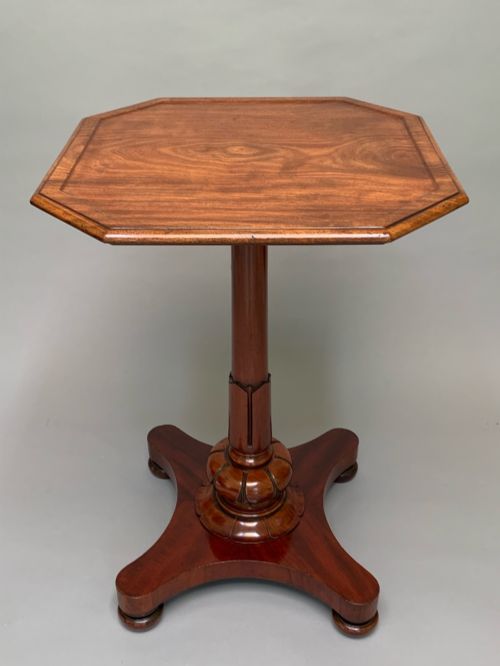
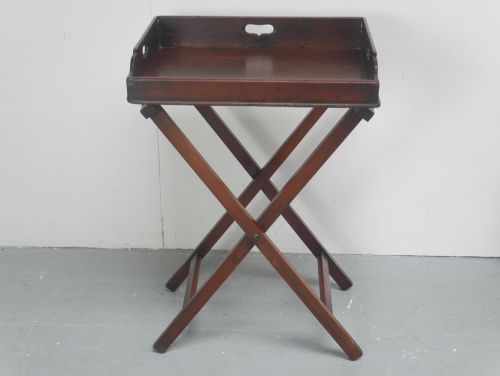
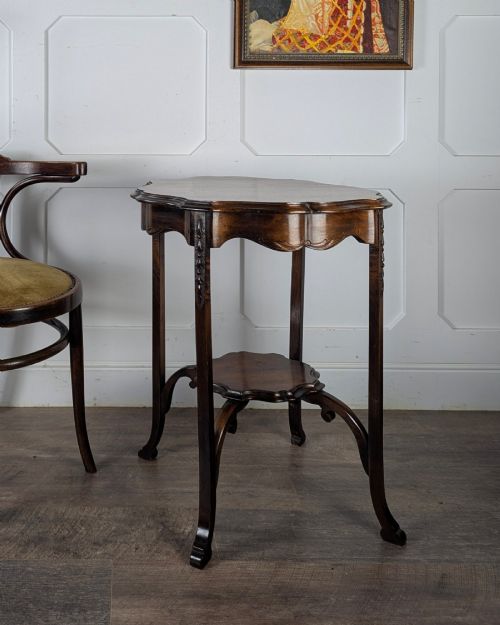
An antique wooden tea stand covers a varied group of domestic furniture designed to hold tea service items, lamps, or small display pieces. These include side tables, occasional tables, cake stands, butlers tray tables, teapoys, and urn stands spanning from the 18th century through the early 20th century.
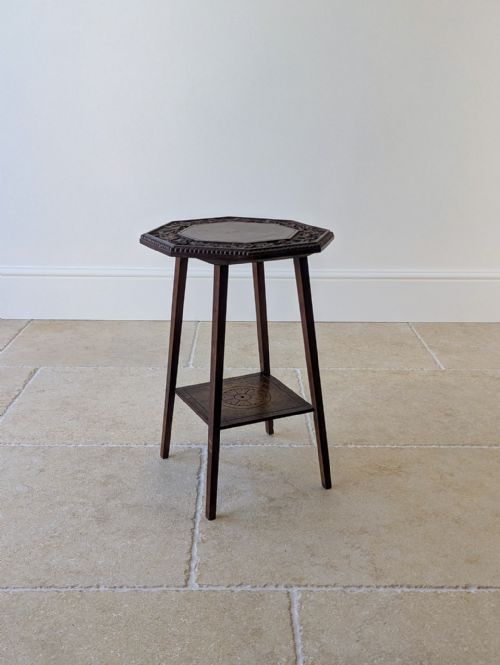
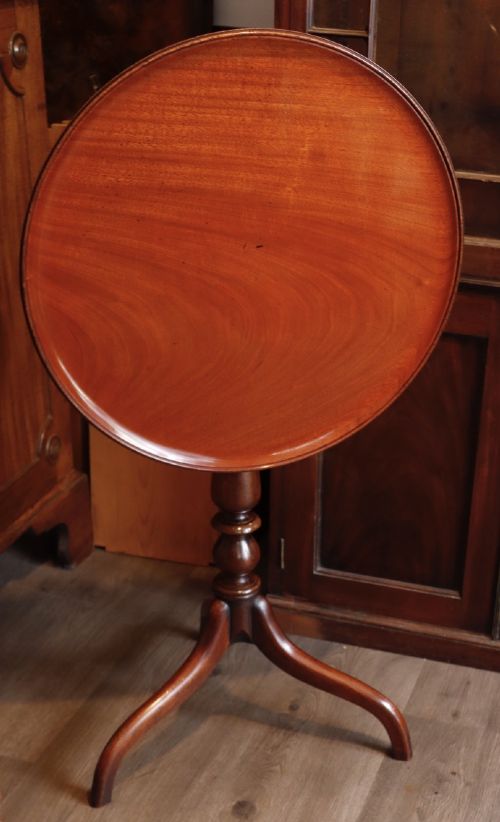
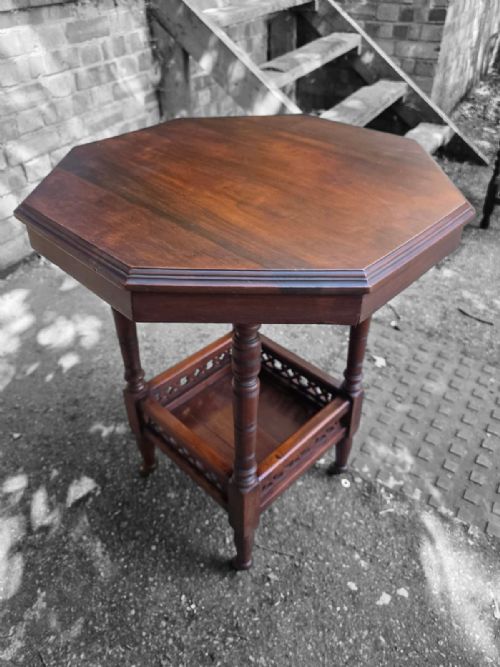
Buyers meet examples shaped in the Georgian, Victorian, and Edwardian periods, alongside regional styles such as Anglo-Indian, Moorish Revival, and Arts & Crafts. The forms range from simple tripod tilt-top tables and multi-tiered cake stands to octagonal tables and specialised boxes on stands.
Woods span widely across mahogany, oak, walnut, rosewood, teak, padauk, and hardwood, often augmented with brass or inlay. Pieces appear in formats suitable for small corners, beside seating, or as folding structures for flexible use.
Materials and Construction
Cabinetmakers built these pieces using dense timbers such as mahogany, oak, walnut, and rosewood, selected for both structural strength and decorative grain patterns. Regional makers also utilised teak, padauk, and various hardwoods, frequently combining woods like oak and beech within a single frame.
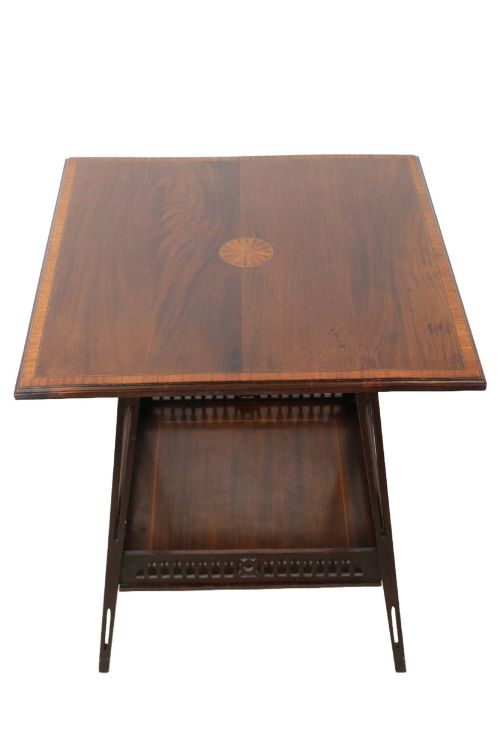
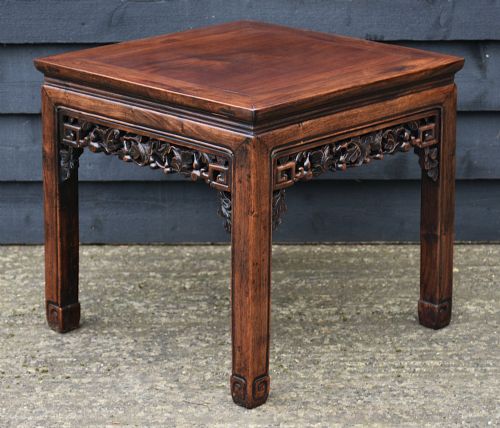
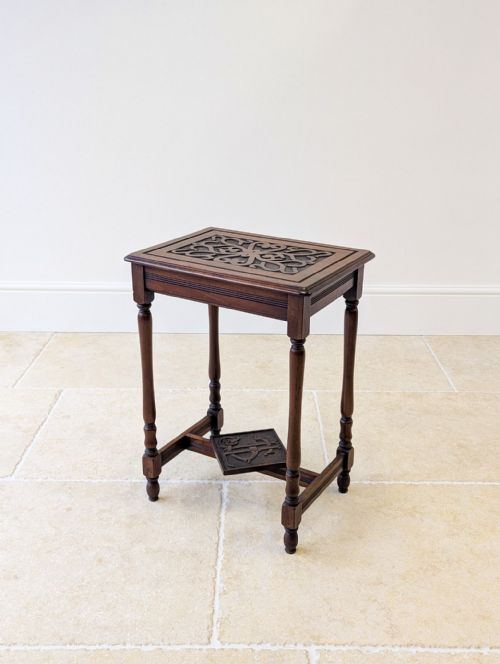
Construction techniques include traditional joinery, turning for items like barley twist legs, and intricate carving seen in Anglo-Indian, Burmese, and Moorish pieces. Inlays of brass and lighter woods appear alongside tilt-top mechanisms, coopered construction, and folding hinges designed for practical utility.
Listings span the 18th, 19th, and early 20th centuries, covering Georgian, Victorian, Edwardian, and Arts & Crafts periods.
Assessing Quality and Execution
Quality rests in the selection of the timber and the precision of the carving or inlay work. Grain alignment, crispness of turned details, and the integrity of joints and mechanisms like tilt-top catches separate standard utility items from finer workshop productions.
The sophistication of the design, whether a restrained Georgian urn stand, an intricate Anglo-Indian octagonal table, or a fitted Edwardian inlaid piece, dictates the level of craftsmanship involved. The balance between structural soundness and decorative refinement remains paramount.
Trevor Page & Co·Shapland and Petter
The Antique Wooden Tea Stand Glossary
- Teapoy
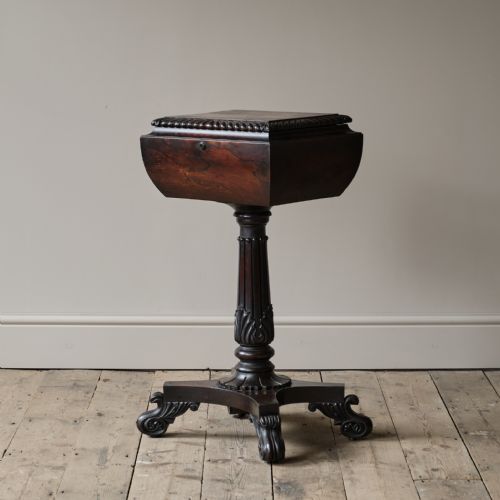
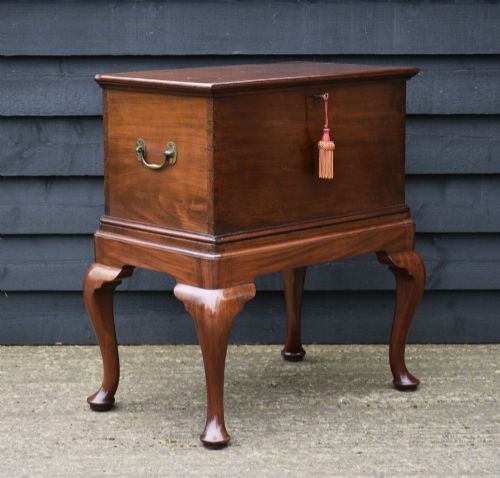
- A small box on a stand originally designed to hold tea caddies and dry tea leaves. They often feature sarcophagus shapes or internal compartments.
- Tripod Table
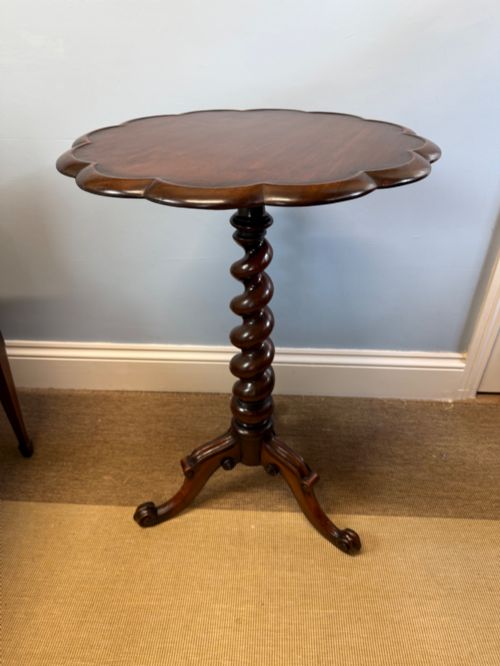
- A small table supported by a pillar above three legs. Many examples feature a tilt-top action allowing the surface to fold vertical when not in use.
- Urn Stand
- A small, tall table designed specifically to hold a hot water urn for tea making. They frequently appear in Georgian styles with square or octagonal tops.
- Cake Stand
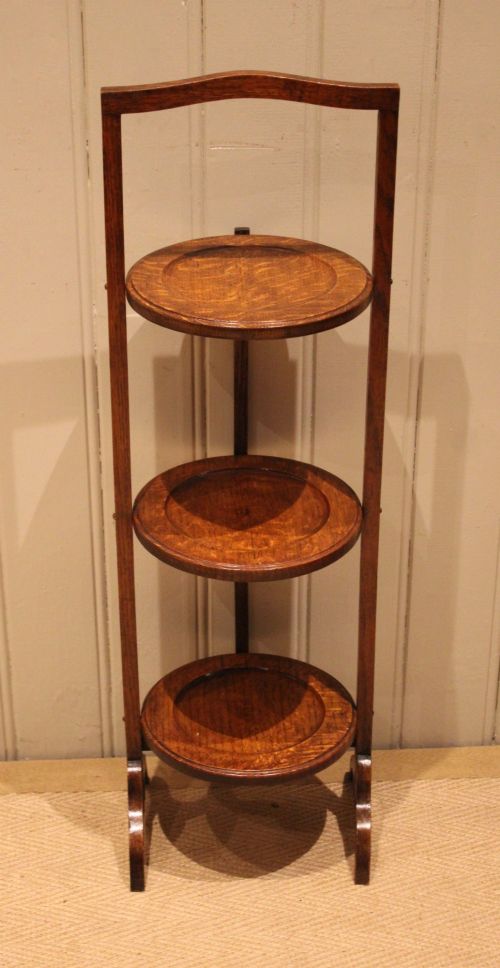
- A tiered wooden stand designed for serving cakes and afternoon tea. These pieces often feature folding frames or multiple circular trays.
- Barley Twist
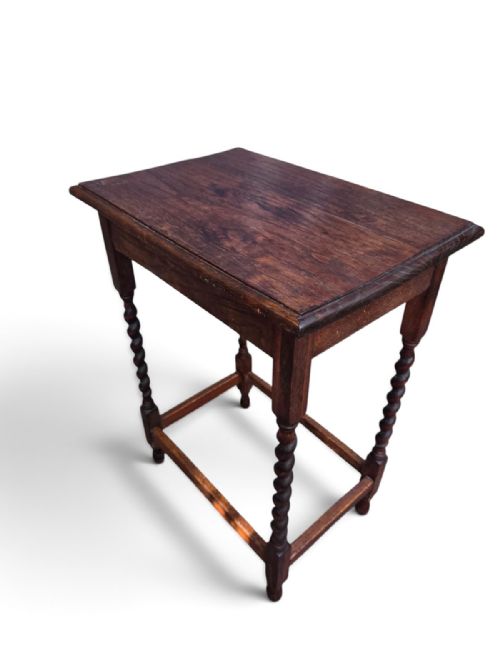
- A form of woodturning resembling a rope twisted tightly under tension. This decorative profiling appears frequently on legs and supports of the Edwardian period.
Antique Wooden Tea Stand: Frequently Asked Questions
What is a teapoy?
A teapoy is a small box on a stand that served to store dry tea leaves safely away from moisture and light during the 18th and 19th centuries. They often contain fitted interior compartments.
Over time, these pieces evolved in form, sometimes featuring sarcophagus shapes or sitting on decorative pedestals.
What is an urn stand?
An urn stand is a tall, narrow occasional table created to support a heavy metal urn filled with hot water for tea service. Because boiling water needed a stable, heat-resistant surface close at hand, these tables were built with sturdy legs and compact tops.
Today, their slender proportions make them ideal as plant stands or side tables for narrow spaces.
How do I tell an Edwardian stand from a Georgian one?
Georgian stands, dating from the 18th century, typically showcase restrained classical proportions, fine mahogany or burr oak veneers, and precise carving like Chippendale details. Edwardian pieces, from the early 20th century, often utilise oak, lighter inlay work, and functional designs like folding cake stands.
Examining the timber preparation, hardware, and overall silhouette usually reveals the manufacturing period.