


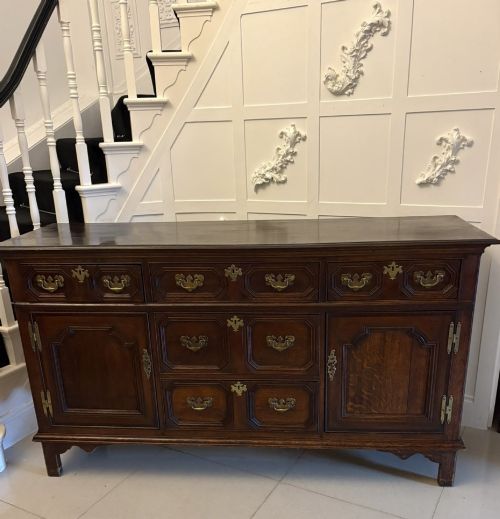
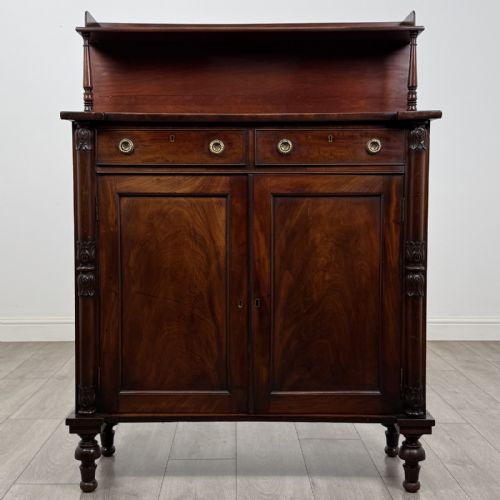
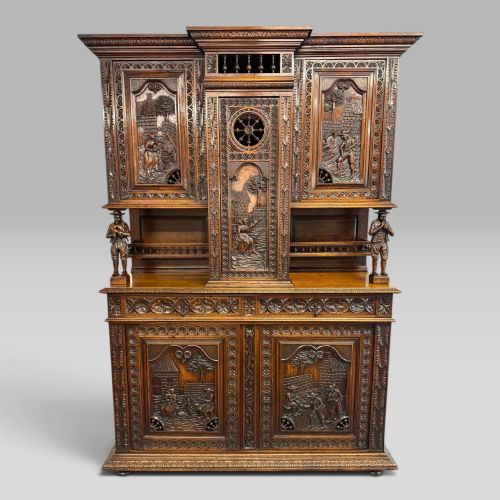
Antique Wooden Sideboard Cabinet
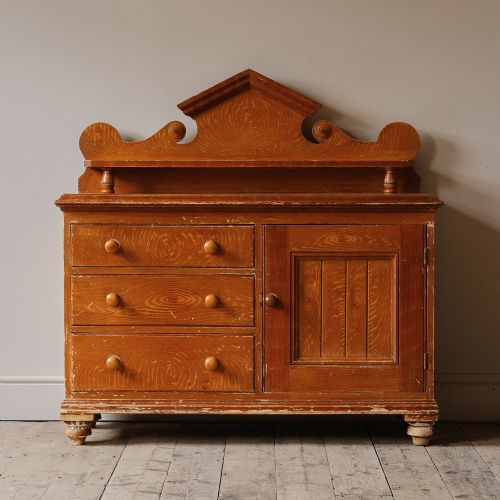
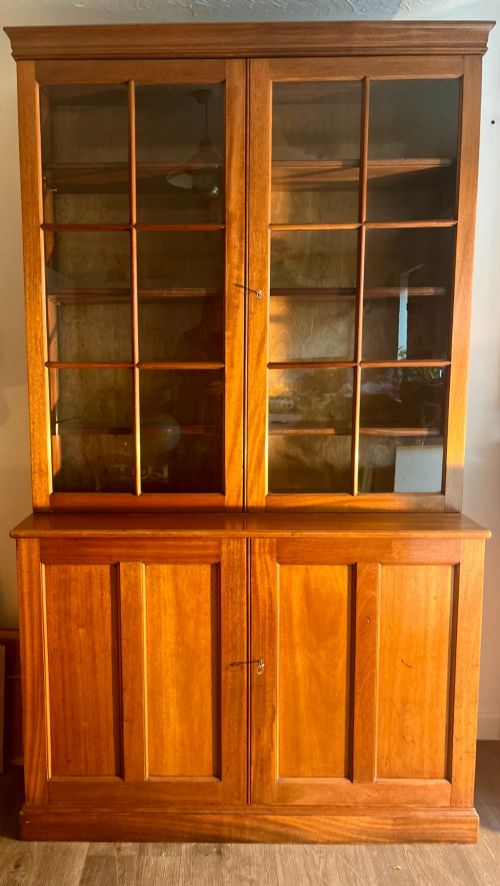
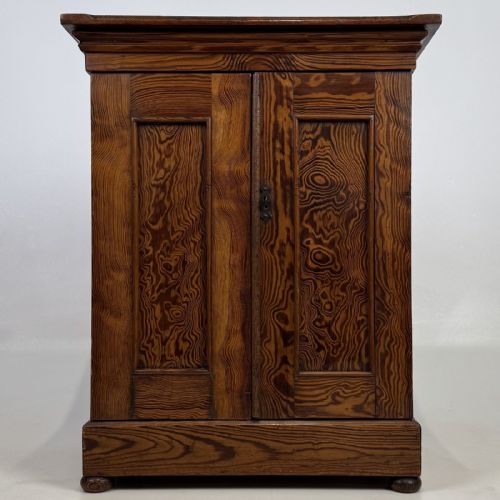
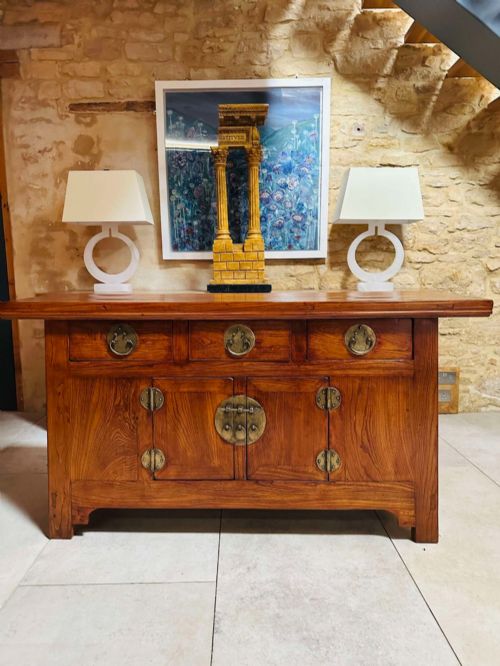
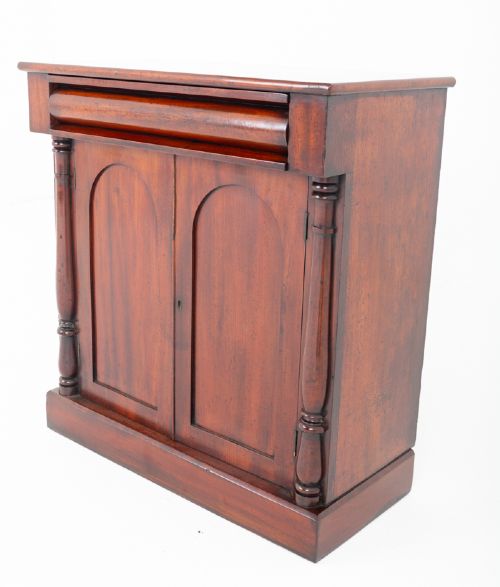
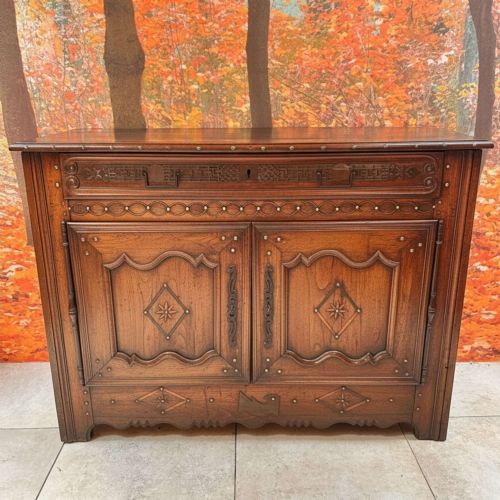
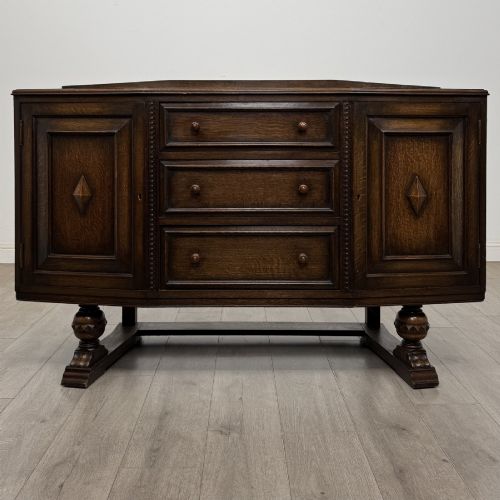
These antique wooden sideboard cabinet examples range from Georgian mahogany to Art Deco walnut, offering essential storage and display for the dining room.
Antique Wooden Sideboard Cabinet
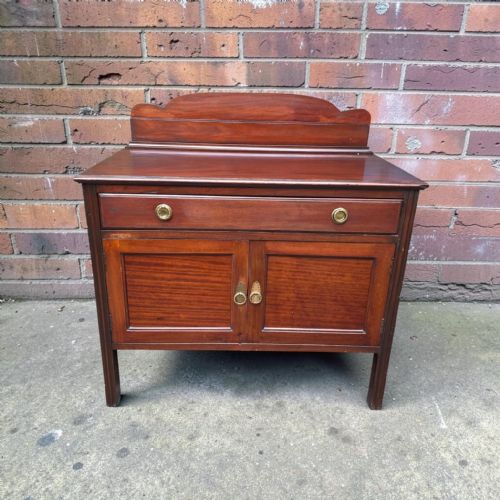
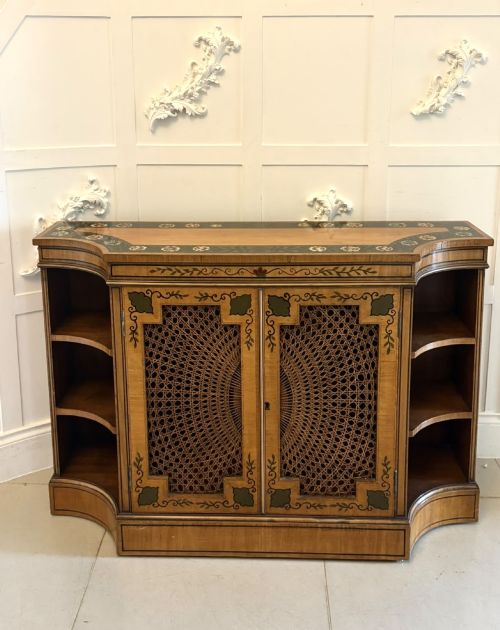
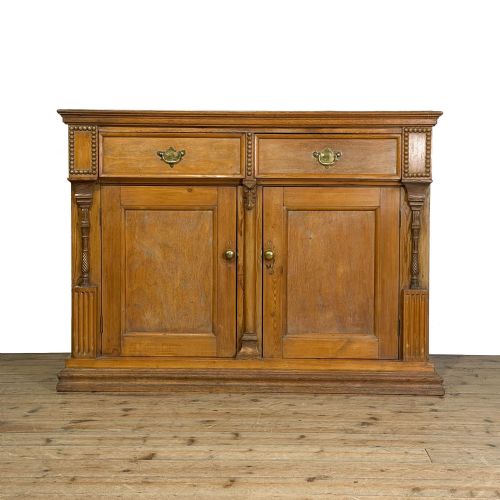
An antique wooden sideboard cabinet serves as a substantial storage and serving piece, originating primarily to hold dining utensils and tableware. When exploring this selection, buyers frequently encounter Victorian figured mahogany pieces and Edwardian inlaid satinwood designs.
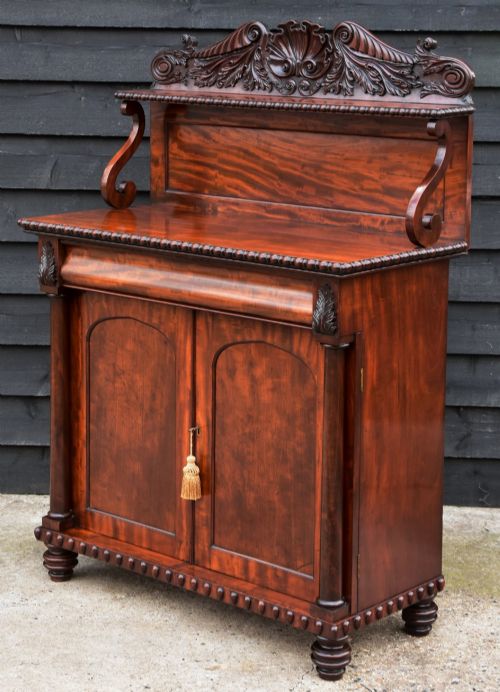
The form spans centuries, including Georgian breakfronts, Regency side cabinet chiffoniers, and 1930s Art Deco storage pieces. These items occupy dining rooms and living spaces, functioning as both practical cupboards and decorative focal points.
Makers utilised various timber configurations, producing serpentine fronts, bow fronts, and flat facades. Pieces range from large 18th-century banks of drawers to compact Edwardian demi-lune cabinets.
How they were made
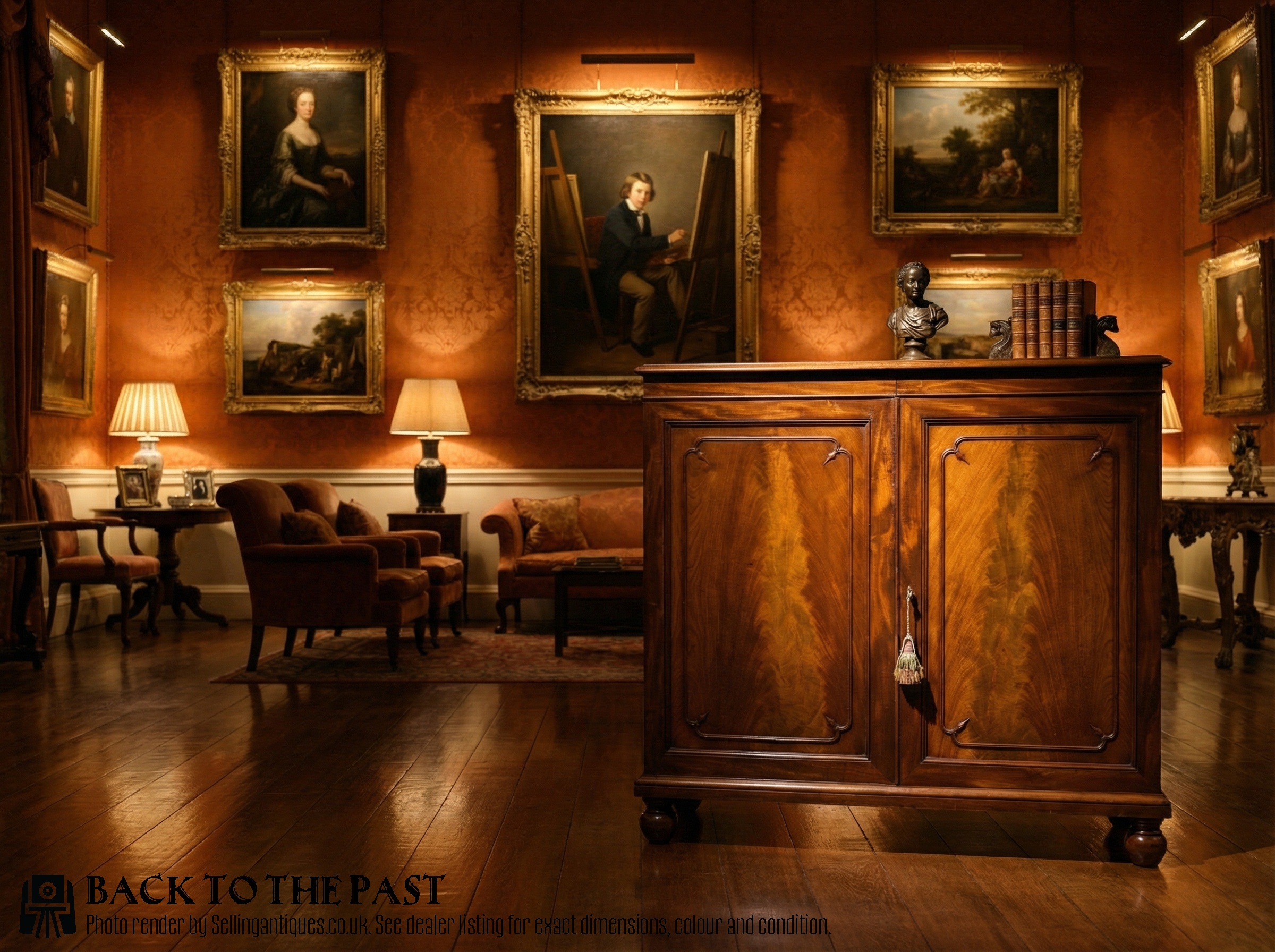
Cabinet makers built these pieces using solid timbers like oak, pine, and rosewood, often applying flame mahogany or burr walnut veneers to the primary surfaces. These wood selections created contrasting grains and rich visual depth across the doors and drawer fronts.
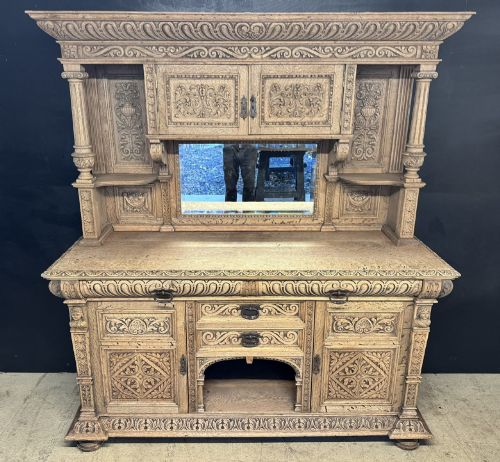
Decoration relied on skilled craftsmanship, including intricate stringing, marquetry inlay, and carved mirror backs. Brass handles, ormolu mounts, and marble tops completed the construction of high-status Victorian and Regency examples.
Antique Wooden Sideboard Cabinet Retail Price Guide 2026
Typical asking prices for wooden sideboard cabinet among the pieces listed under this phrase on Sellingantiques today, from the lower quarter to the upper quarter. They describe what is for sale here now, not the wider market.
Some nineteenth-century sideboards arrived with secret cellaret drawers designed to keep wine bottles cool and hidden.
What varies in quality
Quality depends heavily on the selection of timber veneers and the precision of the cabinet work. Superior examples exhibit book-matched flame mahogany or figured walnut that flows seamlessly across multiple drawers.
Construction methods also dictate grade, distinguishing standard workshop production from exceptional pieces with hand-carved mouldings, fine brass hardware, and well-fitted internal cutlery trays.
Maurice Adams
The Antique Wooden Sideboard Cabinet Glossary
- Serpentine
- A curved front shape with a convex centre flanked by concave sides. This undulating profile requires advanced woodworking skill.
- Chiffonier
- A compact sideboard or cabinet featuring a lower cupboard enclosed by doors. It often includes a raised shelf or tier on top.
- Breakfront
- A large cabinet facade where the central section projects forward from the flanking wings. This architectural layout creates depth in dining furniture.
- Inlay
- A decorative technique where contrasting woods or materials are set into the surface. Sheraton Revival pieces frequently display delicate floral motifs.
- Ormolu
- Gilded bronze mounts applied as decorative ornaments to furniture. This French-influenced technique appears on elite Victorian pieces.
Antique Wooden Sideboard Cabinet: Frequently Asked Questions
What is the difference between a sideboard and a chiffonier?
A sideboard typically provides long, low storage with multiple drawers and cupboards designed for dining rooms. A chiffonier is a smaller, compact variant that often incorporates an upper shelf or tier.
Both forms developed to meet changing domestic storage needs across the eighteenth and nineteenth centuries.
How do I identify a Georgian sideboard cabinet?
Georgian pieces generally display restrained classical proportions, straight or bow fronts, and tapered legs. They frequently utilise solid mahogany with subtle stringing rather than heavy Victorian carving.
Makers from this period prioritised timber grain and elegant structural geometry over ostentatious ornamentation.
Where should I place an antique wooden sideboard?
These cabinets suit dining rooms as intended, providing surface space for serving food and storing tableware. They also function well in large hallways or living areas for general household storage.
Placing the cabinet away from direct heat sources protects the timber veneers and prevents wood splitting.
What distinguishes Art Deco sideboards from earlier styles?
Art Deco sideboards from the 1930s feature geometric lines, stylised symmetry, and exotic wood veneers. They discard the traditional revival motifs seen in Victorian and Edwardian furniture.
These later cabinets emphasise streamlined modernism and functional storage for contemporary cutlery sets.