


Antique Wooden Side Stool
An antique wooden side stool is a small, versatile seat or stand found across centuries of domestic life.
Antique Wooden Side Stool
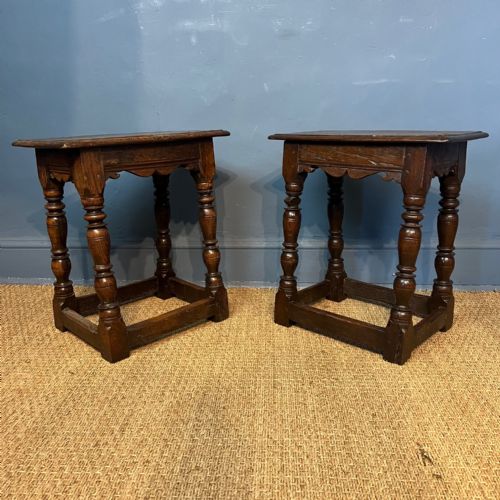
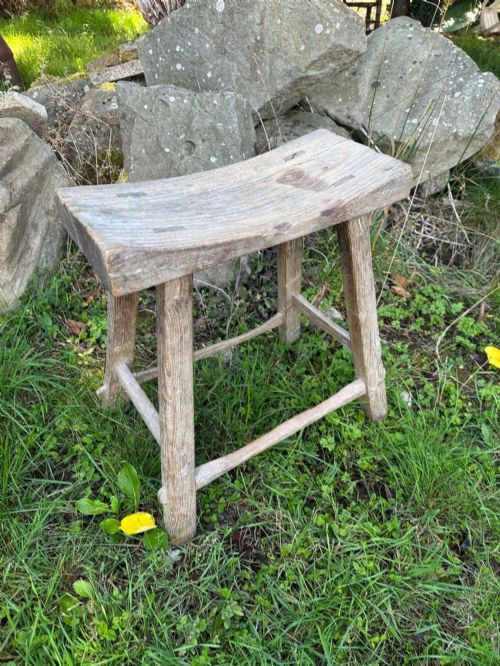
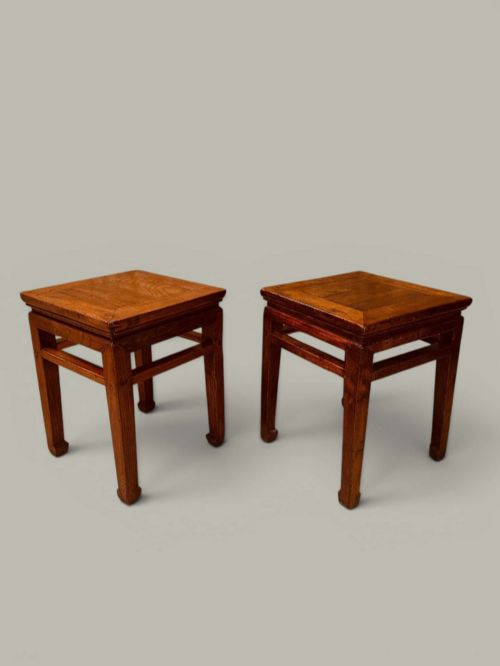
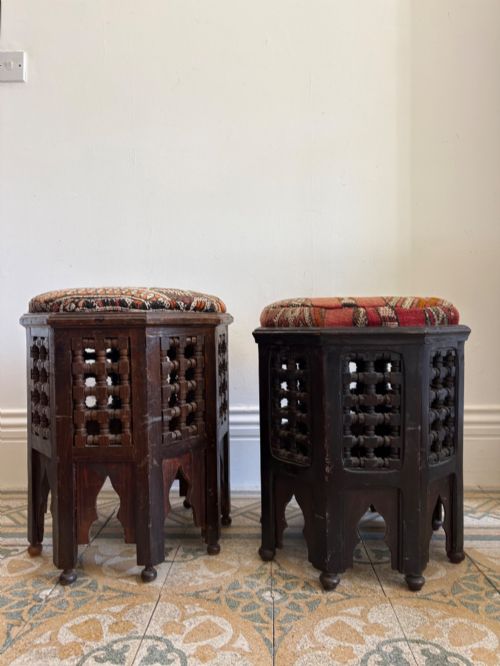
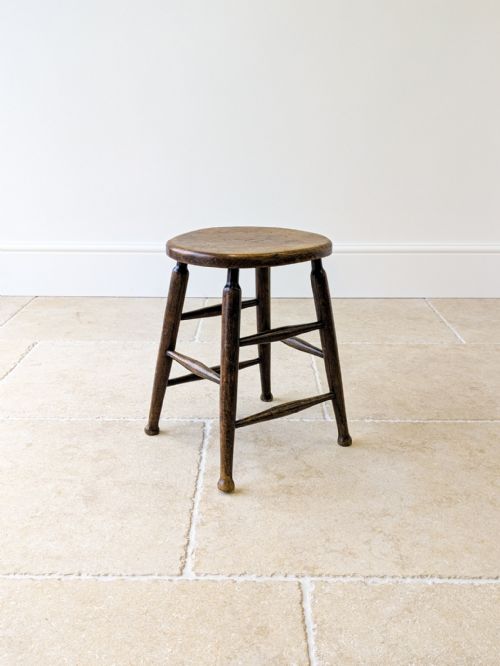
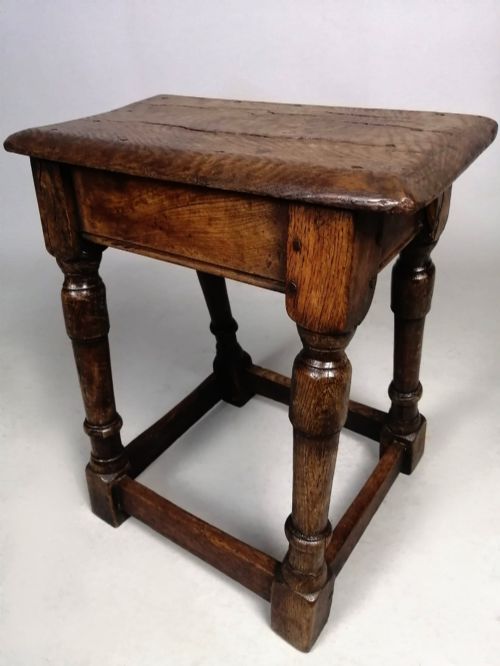
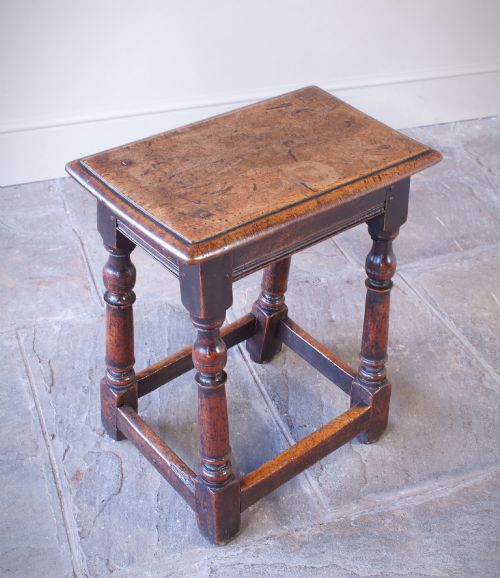
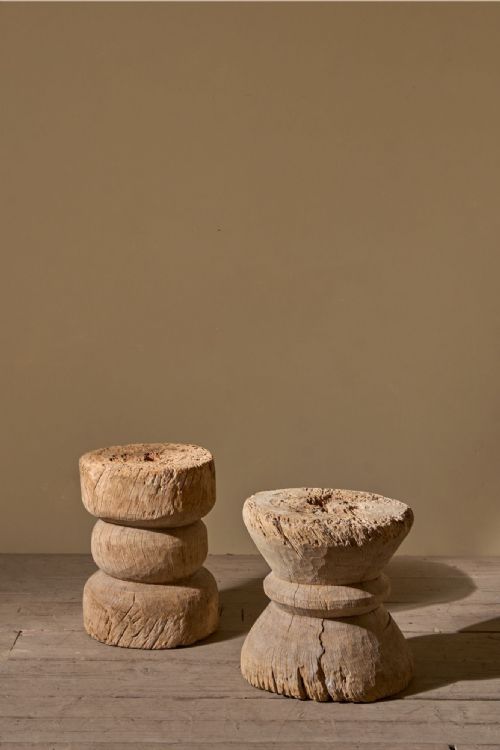
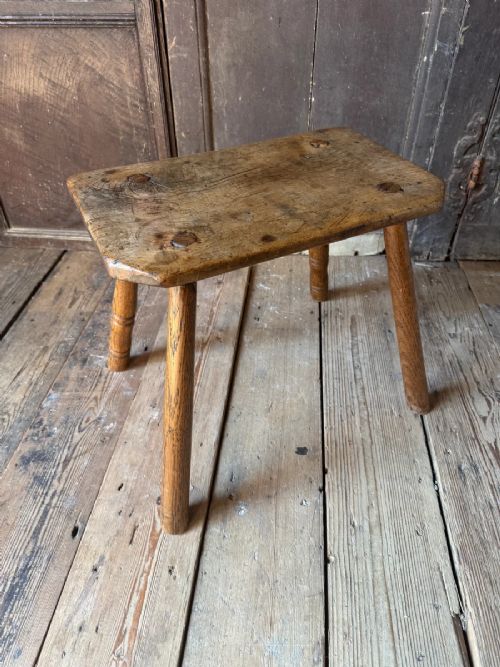
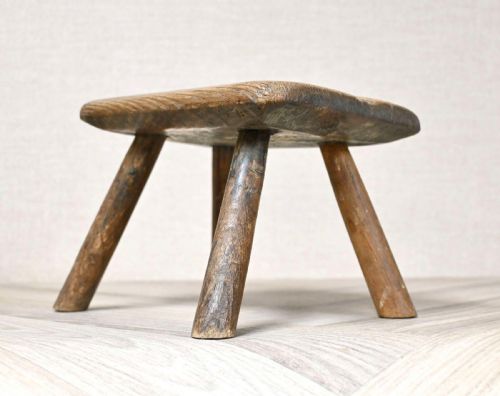
The selections on this page draw heavily from 17th-century joint stools, 18th-century provincial forms, and later vernacular designs. Oak and elm variants dominate the available inventory, reflecting traditional British and European domestic utility.
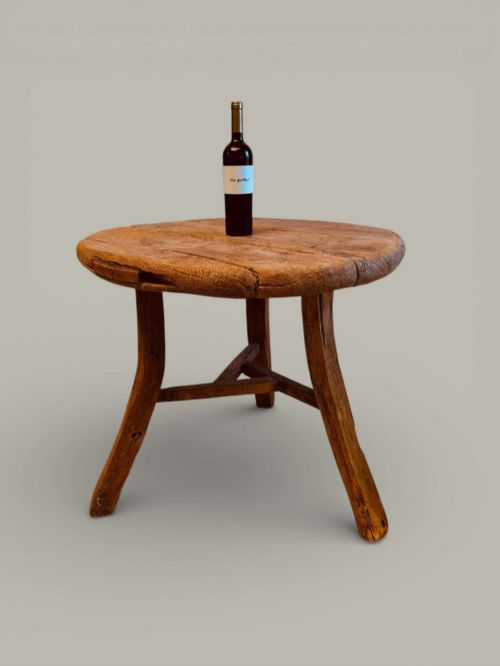
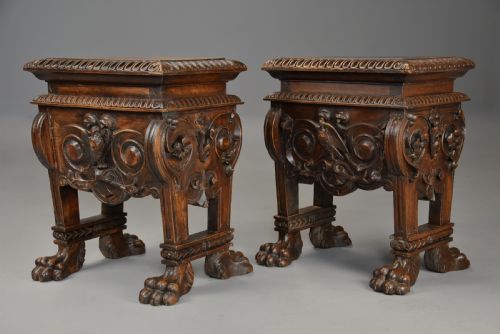
Beyond standard seating, the category extends to box stools, milking stools, and occasional tables that share the same robust timber construction. Each variation demonstrates how simple domestic objects served multiple functions in historical interiors.
Materials and construction methods
Makers relied on native hardwoods such as oak, ash, elm, and sycamore, selecting timber for strength and durability. Boards were often joined using traditional pegged mortise and tenon joints to withstand daily weight and movement.
Surface preparation involved hand-planing and occasionally chip carving, leaving tool marks that reveal the maker's hand. Natural finishes, wax, or early paint layers were applied to protect the wood while allowing the grain to show.
Antique Wooden Side Stool Retail Price Guide 2026
Typical asking prices for wooden side stool among the pieces listed under this phrase on Sellingantiques today, from the lower quarter to the upper quarter. They describe what is for sale here now, not the wider market.
Listings feature woods including oak, elm, ash, and pine, spanning from the 17th century through the Edwardian era.
Distinguishing quality and integrity
Quality rests upon the purity of the timber and the retention of original structural components. Pieces that maintain their early surface patination and unreplaced stretchers hold greater authenticity.
Proportion and execution separate utilitarian workshop items from finer provincial examples. Subtle details in the turning of legs or the chamfering of edges distinguish superior craftsmanship.
The Antique Wooden Side Stool Glossary
- Joint stool
- A sturdy wooden seat constructed with mortise and tenon joints rather than turned legs inserted into a seat. These pieces date predominantly from the 17th and 18th centuries.
- Vernacular style
- Furniture made by local craftspeople for everyday use rather than high-style urban workshops. These designs prioritise utility over fashionable ornament.
- Box stool
- A seat featuring a lidded compartment beneath the top surface. They functioned simultaneously as seating and storage for small household items.
- Bobbin turned
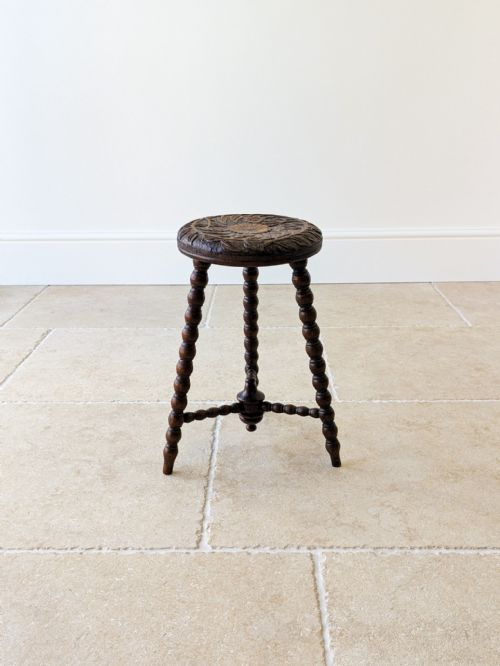
- Legs or stretchers shaped on a lathe to resemble a series of wooden bobbins or reels. This decorative turning method appears frequently on 17th- and 19th-century seating.
- Patina
- The surface sheen and colour developed by wood over decades of handling, light exposure, and polishing. A rich surface indicates age and careful maintenance.
Antique Wooden Side Stool: Frequently Asked Questions
Where did people use side stools?
Historical households utilised these compact seats beside firesides, dining tables, and beds where space remained limited. Their modest dimensions allowed them to move easily between rooms as needed.
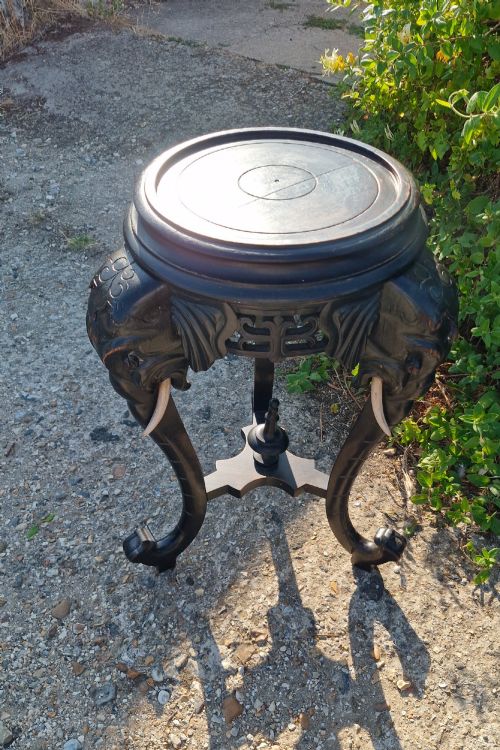
In contemporary interiors, the same portability makes them useful as bedside stands, plant supports, or impromptu seats in tight hallways.
How do I date an oak joint stool?
Dating relies on examining the construction methods, tool marks left by hand planes, and the method of joint pinning. Early pieces display pegged joints and hand- cleft timber rather than modern mechanical fixings.
Wear patterns around the footings and the depth of the surface patina further indicate the passage of centuries of domestic use.
What is the difference between a stool and a side table?
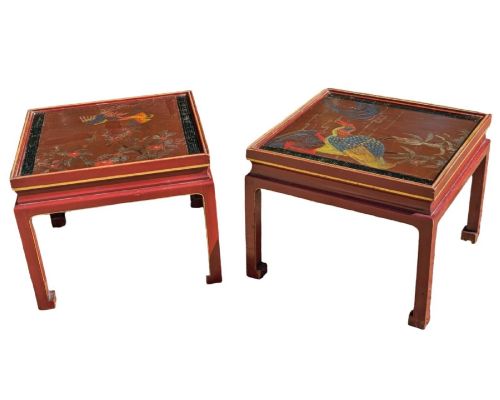
Many early wooden stools and occasional tables share identical frame structures and heights, often blurring the boundary between seating and surface. Makers built both using robust timbers like oak and elm.
Over time, flat-topped pieces served interchangeably for sitting, holding lamps, or displaying objects depending on household requirements.
How should I care for antique timber?
Preserving these surfaces requires maintaining stable room humidity and avoiding direct placement near modern heat sources. Natural beeswax applied sparingly helps nourish dry historical wood.
Gentle dusting with a soft cloth prevents particle accumulation without disturbing the delicate aged surface patination.