



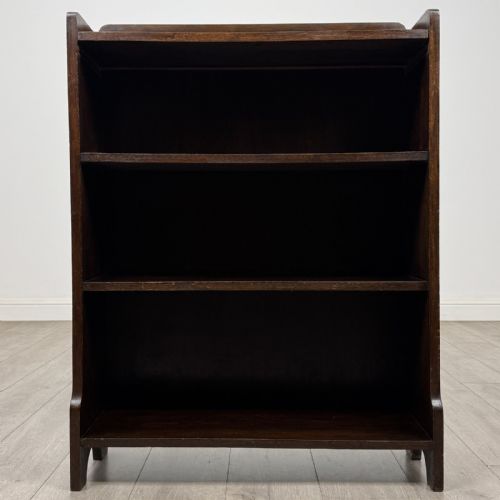

Antique Wooden Shelf Unit
An antique wooden shelf unit brings grounded utility and character to a room, ranging from simple pine boards to stately mahogany bookcases.
Antique Wooden Shelf Unit
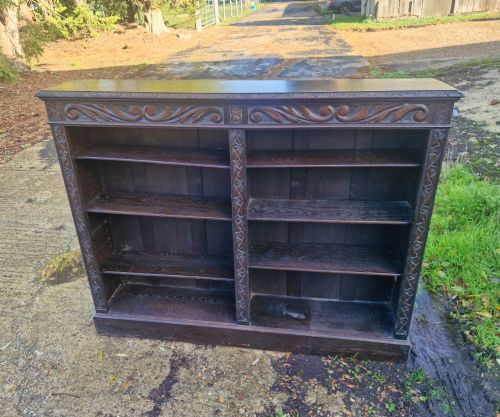
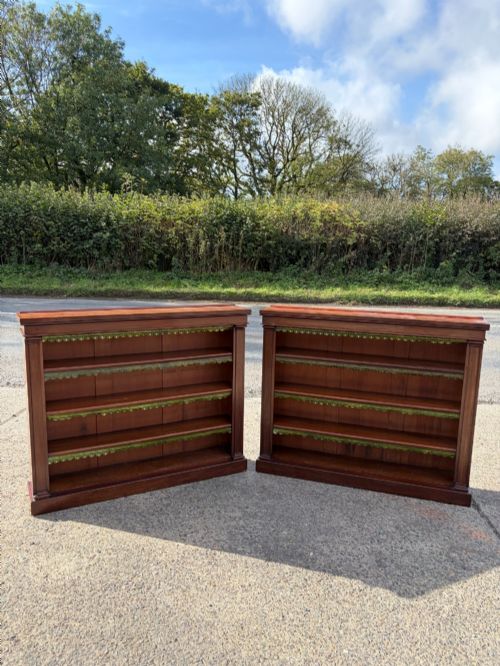
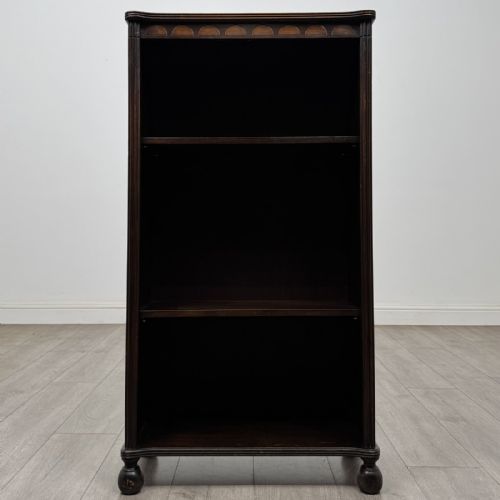
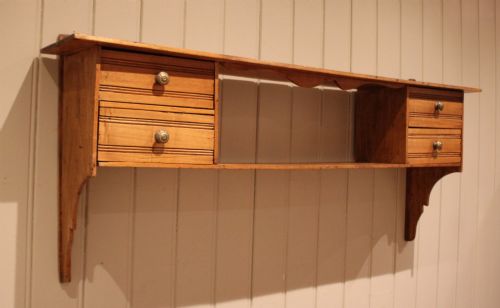
An antique wooden shelf unit encompasses open bookcases, wall shelves, whatnots, and etageres designed to hold books and display objects. When searching for an antique wooden shelf unit, buyers encounter diverse forms shaped by utility and prevailing fashions across centuries.
The pieces appearing on this page span several distinct periods, most notably the Victorian era and the early twentieth century, alongside Regency, Edwardian, and eighteenth-century examples. Oak and mahogany dominate the listings, offering sturdy construction that has survived generations of domestic use.
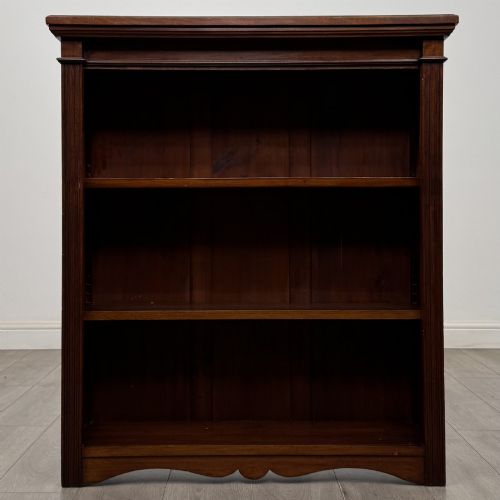
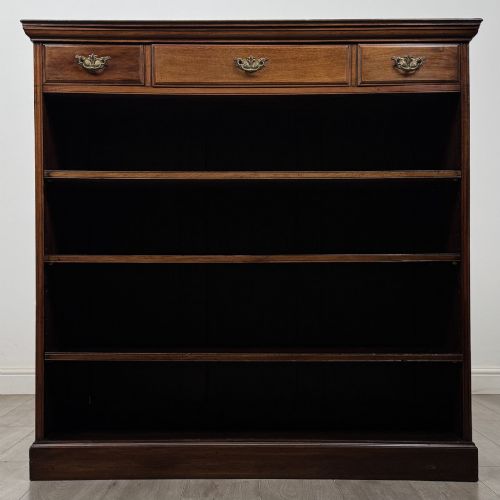
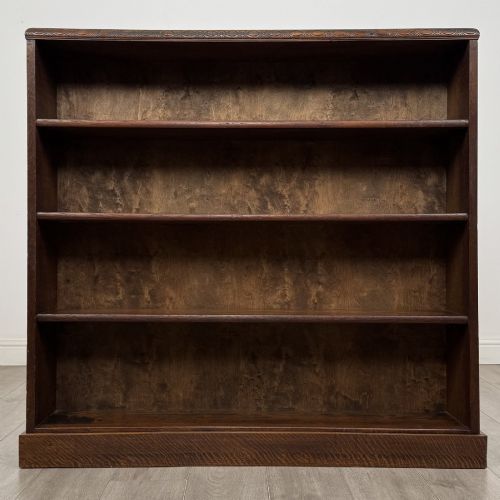
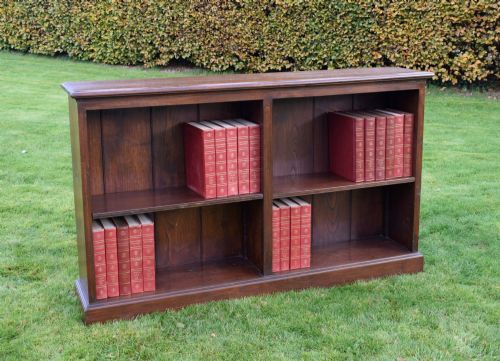
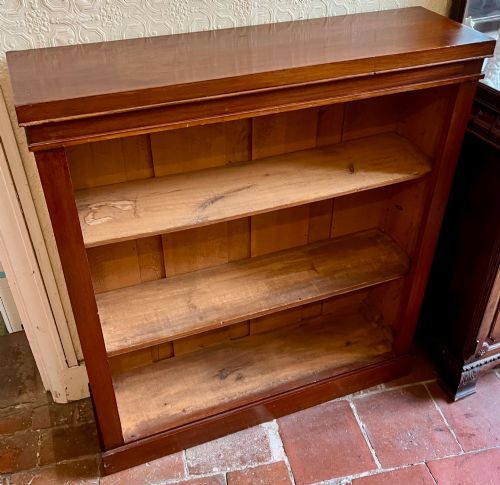
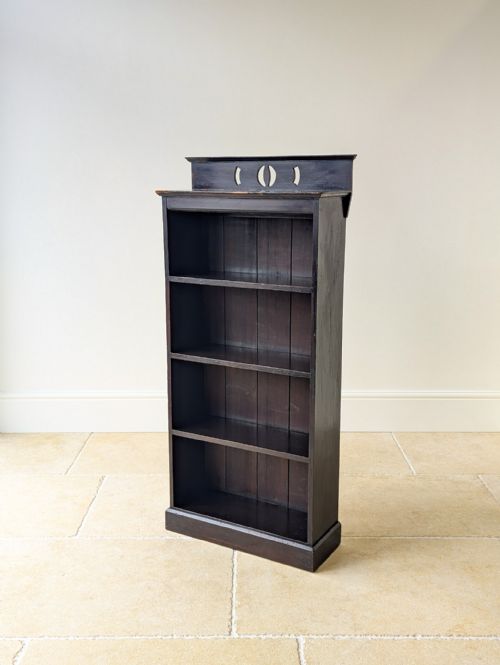
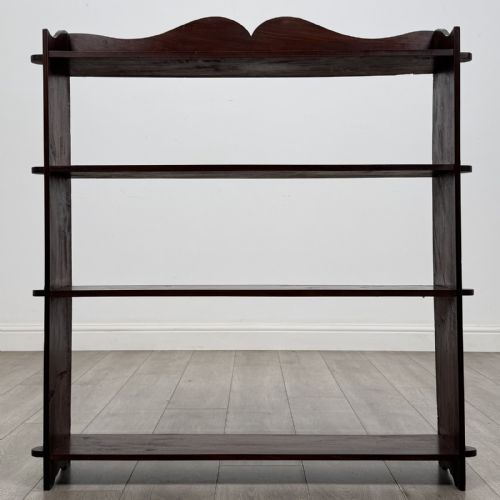
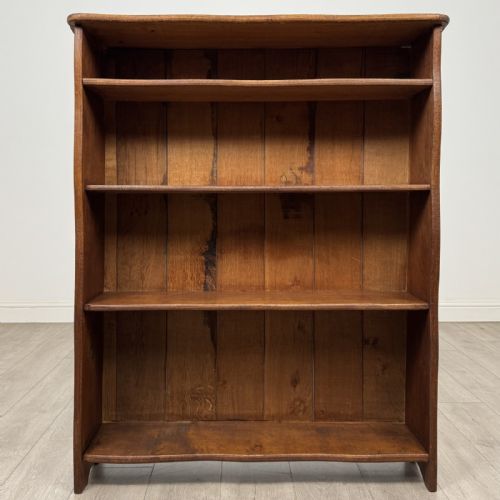
Open bookcases and simple shelving units represent the most common forms met here. Many incorporate functional adjustments, such as adjustable shelves, while others take specific architectural shapes like the waterfall bookcase or wall-mounted displays.
How they were made
Cabinet makers built these units primarily using timbers such as oak, mahogany, walnut, burr walnut, pine, and teak. Selected woods were seasoned carefully before being shaped into uprights, sides, and supporting brackets.
Construction techniques relied on traditional joinery to ensure stability under heavy loads of books or ornaments. Finer pieces incorporated decorative elements such as carved details, brass castors, or inlaid veneers.
Antique Wooden Shelf Unit Retail Price Guide 2026
Typical asking prices for wooden shelf unit among the pieces listed under this phrase on Sellingantiques today, from the lower quarter to the upper quarter. They describe what is for sale here now, not the wider market.
Listings feature pieces spanning from the 18th century through the Victorian and Edwardian eras up to the 1920s, constructed in mahogany, oak, pine, and walnut.
What varies in quality
The selection of timber dictates much of the visual merit, with finely figured burr walnut or rich mahogany commanding attention above plain utilitarian pine. Figured grains and carefully matched veneers demonstrate a higher level of cabinet making.
Structural sophistication also separates standard pieces from exceptional ones, particularly the inclusion of functional mechanisms like adjustable shelving systems. The presence of carved ornamentation and complementary hardware, such as brass castors, marks out pieces made for more affluent households.
The Antique Wooden Shelf Unit Glossary
- Waterfall bookcase
- A tiered shelving unit where each successive shelf steps back from the one below, creating a cascading profile. These pieces often feature graduated shelves diminishing in depth toward the top.
- Open bookcase
- A piece of furniture designed for book storage featuring unobstructed front access rather than glazed or solid doors. Many examples of this form provide adjustable internal shelving.
- Whatnot
- A multi-tiered open stand used for displaying small ornaments, books, or bric-a-brac in principal rooms. These pieces typically stand on slender uprights and date from the nineteenth century onwards.
- Etagere
- A French-derived term for a set of open shelves used for display. These units often exhibit lighter proportions and decorative turned legs.
- Breakfront
- A cabinet or bookcase whose central section projects forward from the flanking wings. This architectural arrangement adds visual depth to larger library pieces.
Antique Wooden Shelf Unit: Frequently Asked Questions
How do I choose the right size?
Consider the available wall space and the weight of the items you intend to store. Measure both height and depth carefully to ensure the piece fits comfortably in your room.
Larger library bookcases require substantial wall space, whereas wall shelves and compact waterfall units suit smaller rooms or tighter corners.
Are these shelves suitable for heavy books?
Many period bookcases feature robust construction in solid oak or mahogany designed to bear significant weight. Units with fixed shelves generally offer high load-bearing capacity.
When dealing with adjustable shelves, check the thickness of the boards and the condition of the shelf supports to ensure they remain secure.
How do I clean and care for the wood?
Dust the surfaces regularly with a soft, dry cloth to prevent dirt accumulation. Avoid placing wooden units in direct sunlight or near heat sources to protect the finish.
Applying a traditional beeswax polish periodically helps nourish the timber and maintain a natural lustre without building up heavy chemical layers.
Can adjustable shelves be moved easily?
Most period adjustable shelves operate on traditional wooden bearer systems, brass pegs, or vertical rack strips. These mechanisms allow you to reposition shelves according to book heights.
Exercise care when sliding shelves along older tracks to avoid damaging the interior veneer or painted surfaces.