
Walnut Shelving Unit
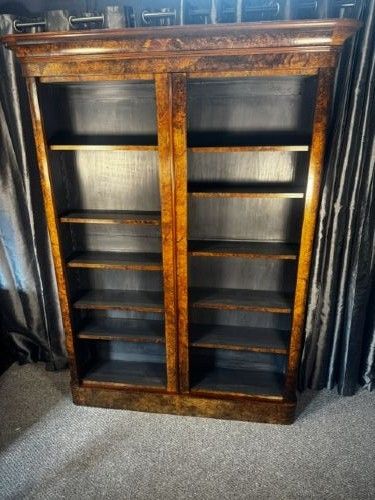
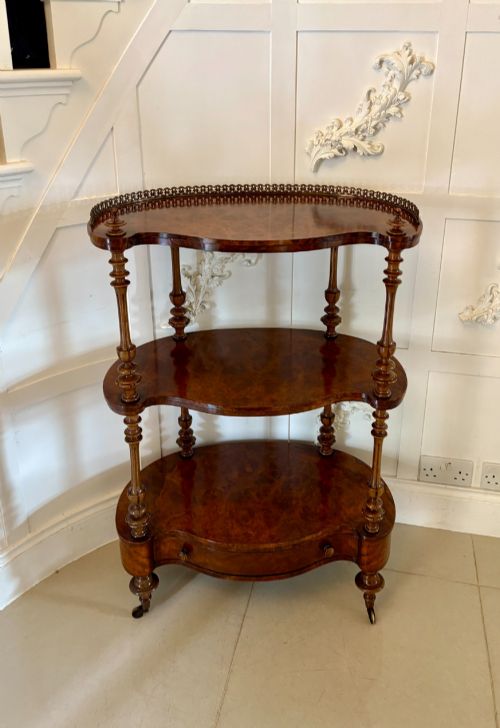
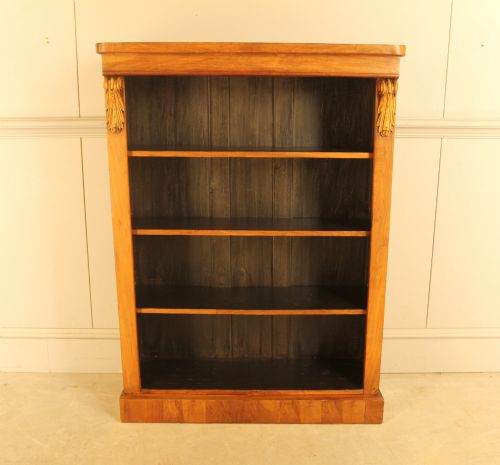
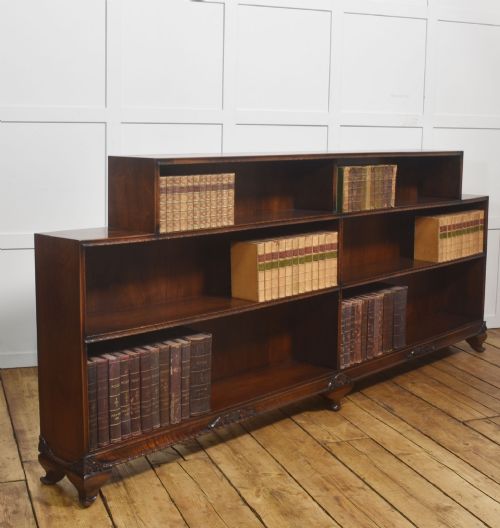
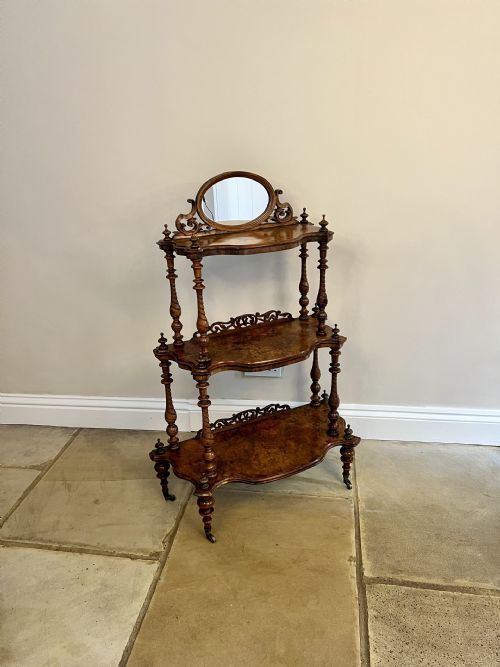
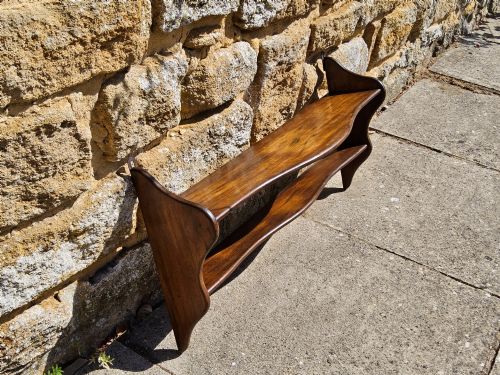
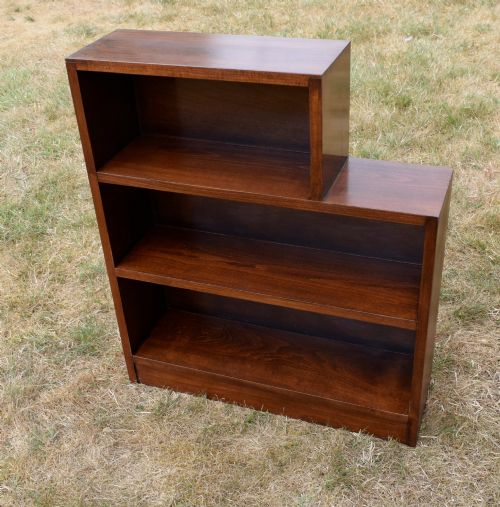
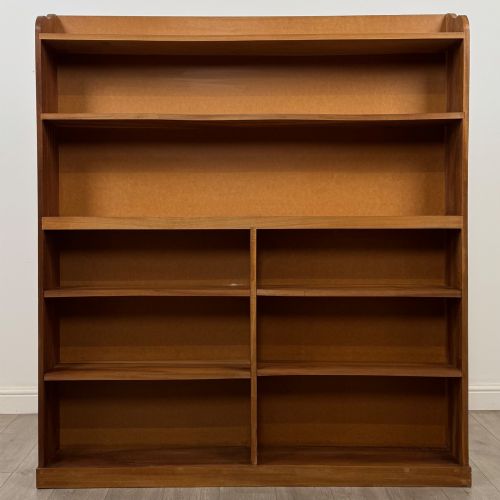
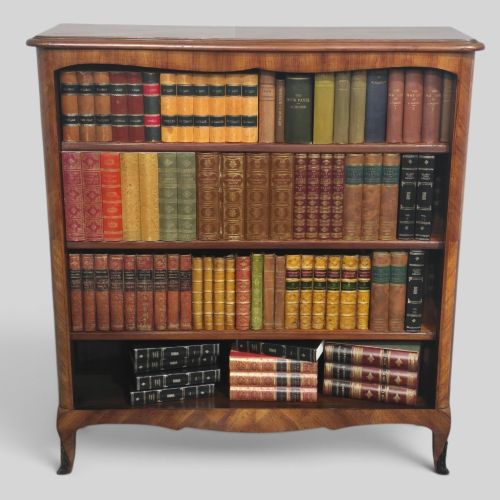
These walnut shelving unit items are substantial Victorian and Edwardian open bookcases that bring rich timber grain and useful display space to a room.

What they are
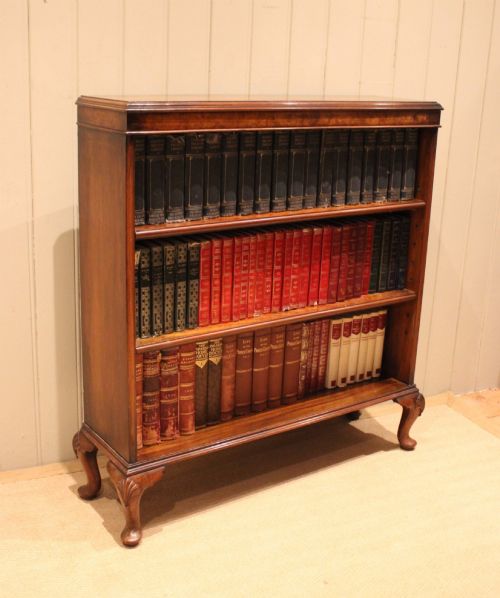
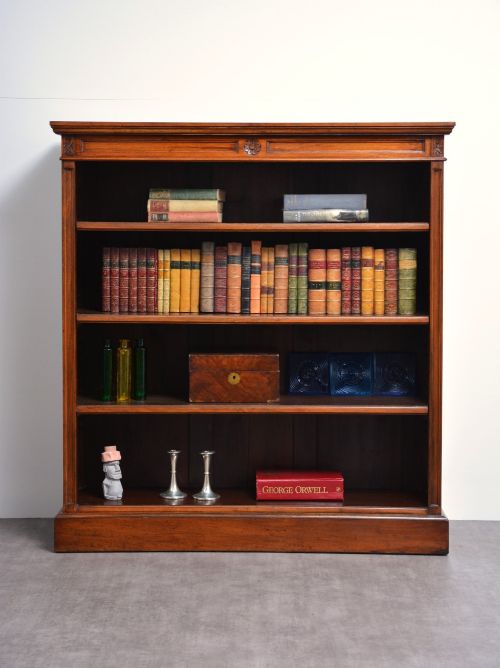
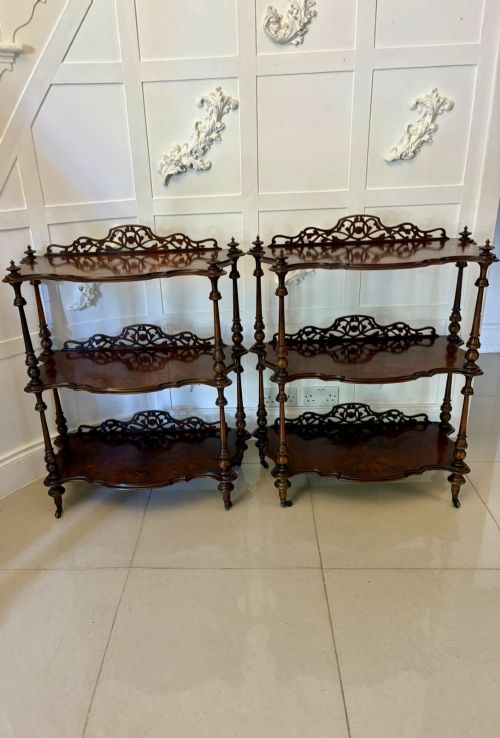
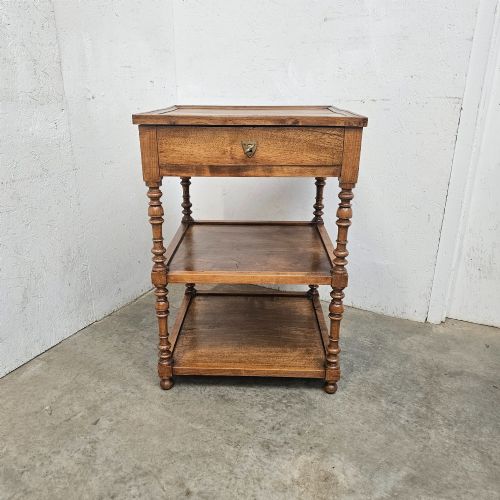
A walnut shelving unit primarily takes the form of an open bookcase dating from the Victorian and Edwardian eras. The listings here present pieces originating from the nineteenth century alongside later Edwardian examples.
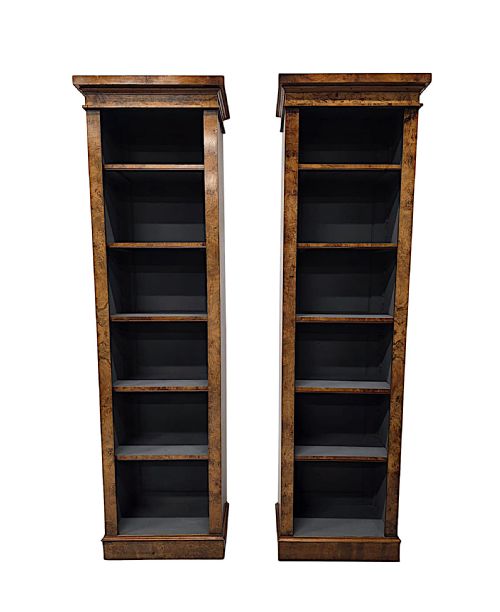
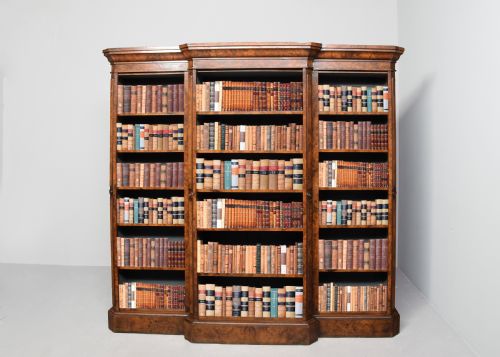
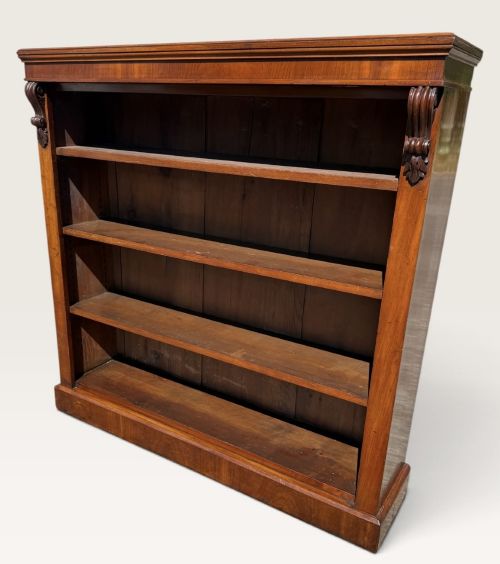
Most entries are open bookcases designed without doors, offering direct access to interior shelves for holding books and decorative objects. Formats range from standard open bookcases to tall configurations and breakfront designs.
Makers and designers of the period utilised the distinct figuring of walnut to create functional furniture that also served as a decorative centrepiece in domestic interiors.
How they were made
Construction relies upon solid timber carcasses enhanced with burr walnut veneers to create striking surface patterns across the front panels and shelves. Cabinetmakers selected figured veneers carefully to present symmetrical grains on large surfaces.
Metal mounts in brass and ormolu appear on specific nineteenth-century pieces, adding metallic highlights to the dark timber edges. Joinery techniques of the period ensured sturdy open structures capable of supporting heavy rows of volumes.
Retail Price Guide 2026
Typical UK retail prices for walnut shelving unit, calculated from the Sellingantiques database of over a million retail prices indexed since 2003. This retail price guide relies exclusively on Sellingantiques data; no external sources or auction records are used, so the figures do not describe the wider market.
Early cabinetmakers occasionally matched burr walnut veneer so wildly that the grain resembles fantastical landscapes if you stare at it long enough.
What varies in quality
Quality rests upon the selection and matching of the burr walnut veneer, where superior examples exhibit complex, balanced grain patterns across the entire carcass. Plain timber treatments indicate simpler construction compared to richly figured surfaces.
The presence of cast ormolu mounts and refined brass detailing elevates a piece above standard utilitarian shelving. Proportion and overall timber preservation also distinguish standard cabinetwork from master-carriagework of the nineteenth century.
The Walnut Shelving Unit Glossary
- Walnut
- A dense, dark timber prized for its durability and rich brown tones. Cabinetmakers valued it for both solid construction and decorative veneer work.
- Burr Walnut
- A specialised wood veneer taken from the growth excrescences on walnut trees. It yields highly intricate, swirling grain patterns that catch the eye.
- Ormolu
- Gilded bronze ornamentation applied to furniture. It provides a bright metallic contrast against dark timber surfaces.
- Breakfront
- A cabinet design where the central section projects forward from the flanking wings. This architectural arrangement adds depth and visual interest to large bookcases.
- Open Bookcase
- A shelving unit built without doors. It allows immediate visibility and access to the books stored within.
Frequently Asked Questions
Where did these bookcases go?
These open bookcases typically stood in libraries, studies, and formal reception rooms of nineteenth and early twentieth-century homes. Their open shelves provided easy access to working libraries and displayed bound volumes.
Today, they serve a similar function in domestic living spaces, holding books while introducing warm timber tones and period character to modern interiors.
How do I date a piece?
Dating relies upon identifying stylistic markers and construction methods associated with Victorian, nineteenth-century, and Edwardian periods. Ornate brass and ormolu mounts often point towards mid-nineteenth-century manufacture.
Simpler, taller proportions frequently align with the later Edwardian era. Comparing the timber veneer work and overall carcass design helps establish the likely decade of production.
Are shelves adjustable?
Many nineteenth-century open bookcases feature fixed wooden shelving integrated directly into the structural sides of the carcass. Later examples sometimes incorporate adjustable wooden supports.
Checking the interior walls reveals whether the shelf heights can be modified for different book sizes.
How do I care for walnut?
Walnut timber and veneer require protection from direct sunlight and excessive heat fluctuations to prevent the wood from drying out or warping. Regular dusting with a soft cloth maintains the finish.
Occasional application of appropriate furniture wax preserves the natural lustre of the grain without building up heavy residues.