
Antique Bookshelf
When you select an antique bookshelf, you acquire a sturdy timber storage vessel shaped by nineteenth and early twentieth century cabinet-makers.
Antique Bookshelf
An antique bookshelf serves domestic and library spaces by holding volumes on open shelves, wall mountings, or revolving stands. These pieces span periods from the Regency era through the Victorian years and into the Edwardian epoch.
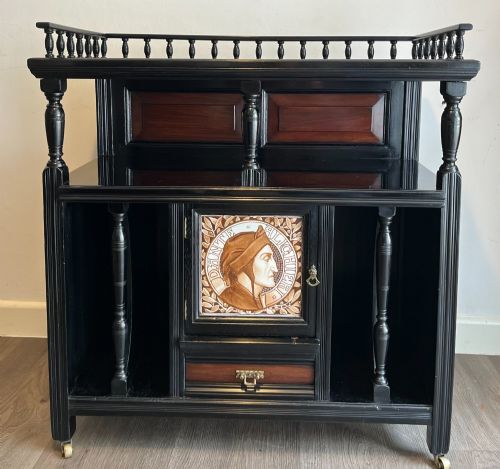
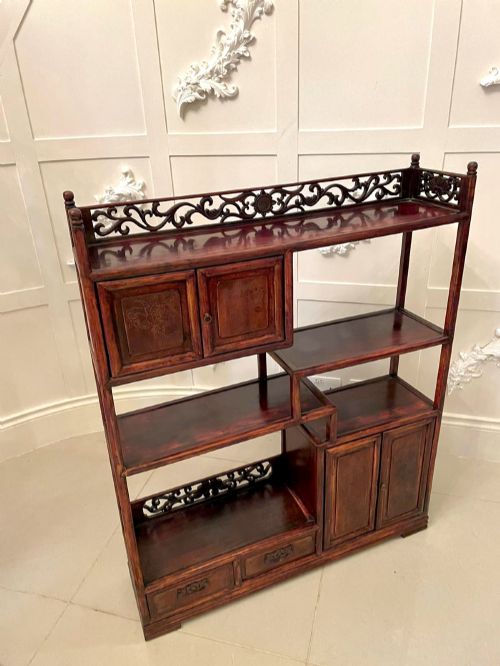
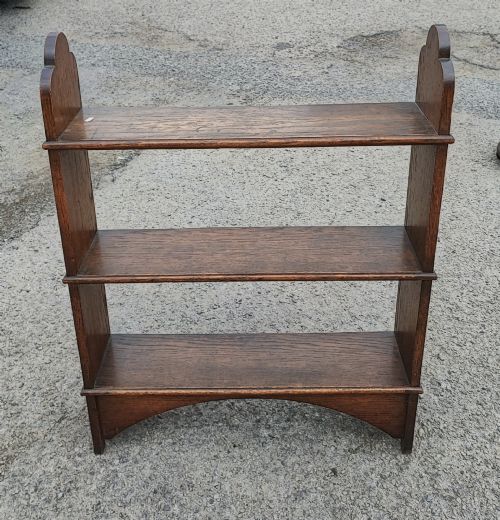
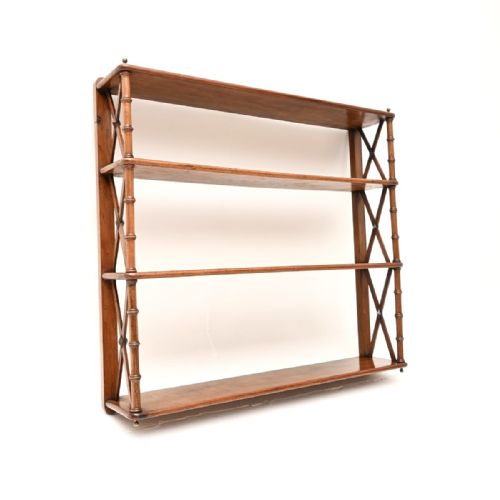
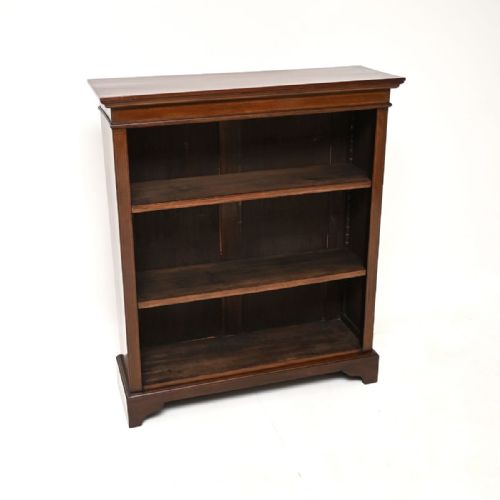
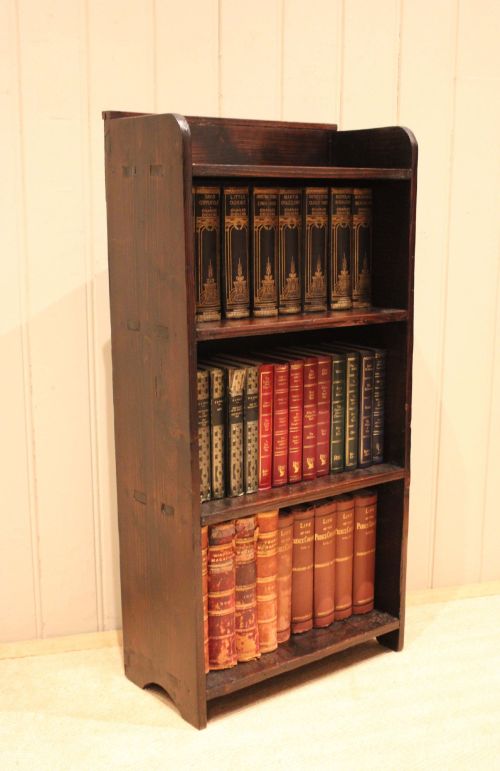
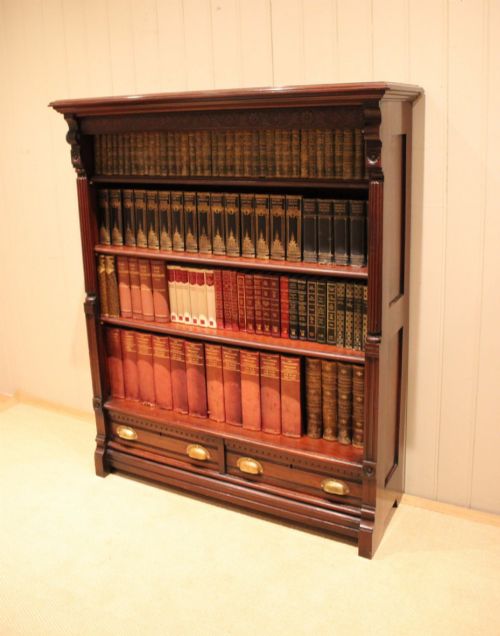
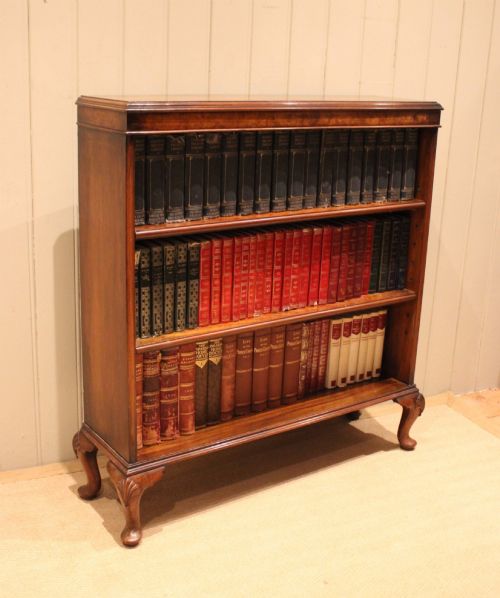
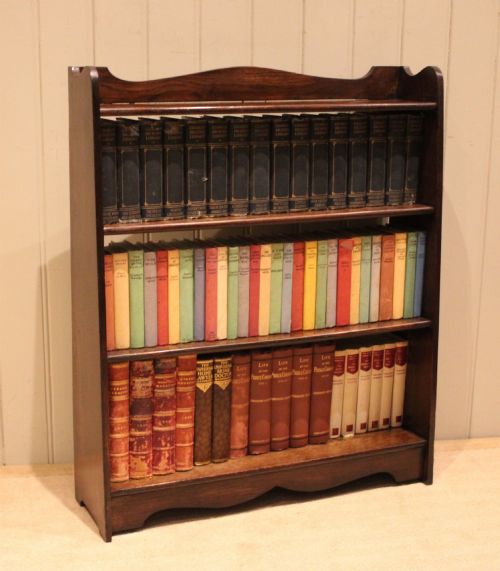
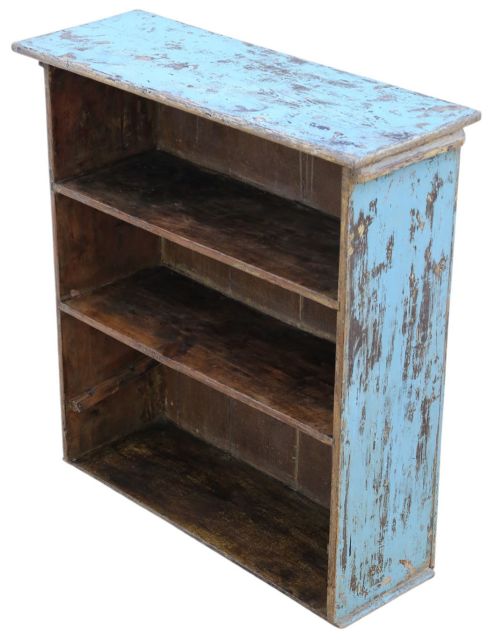
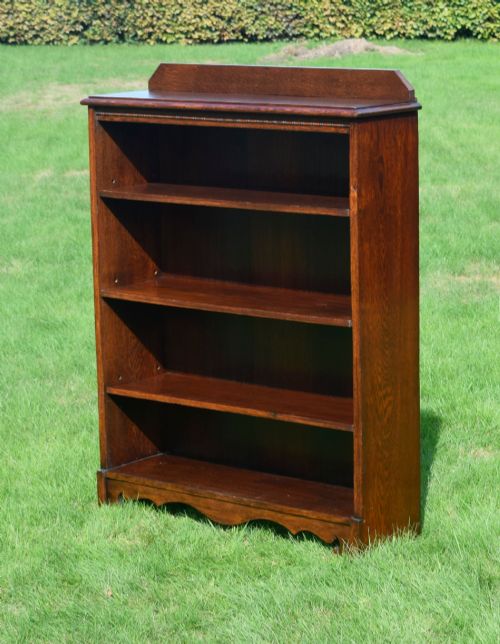
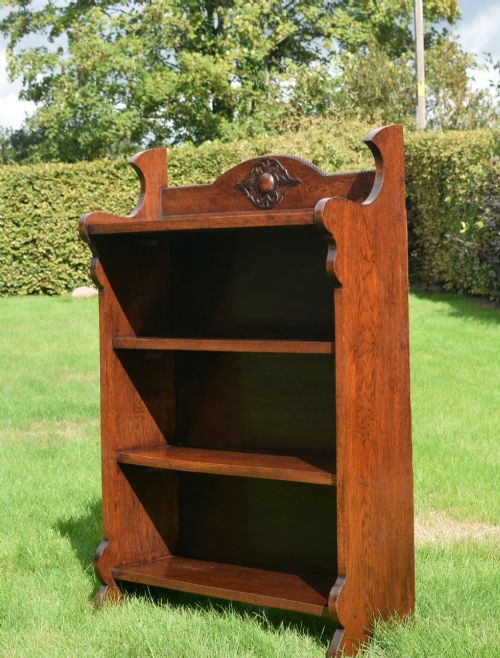
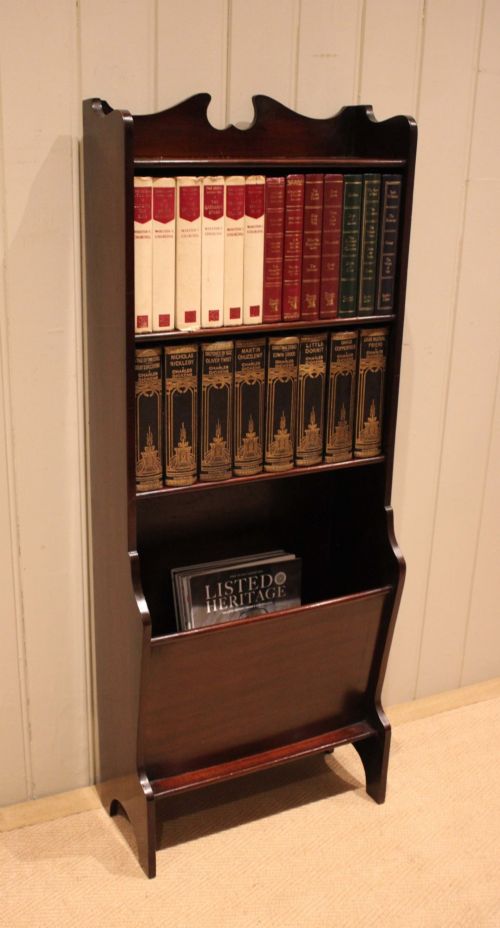
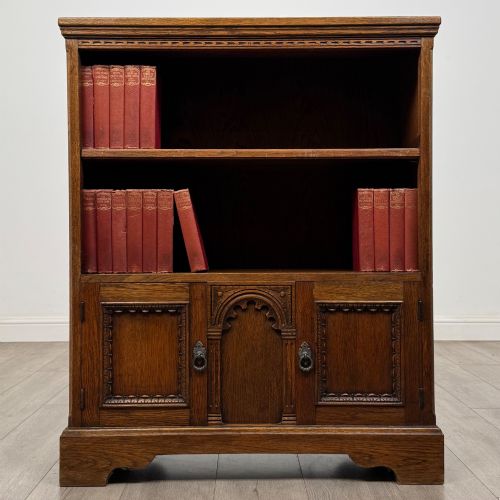
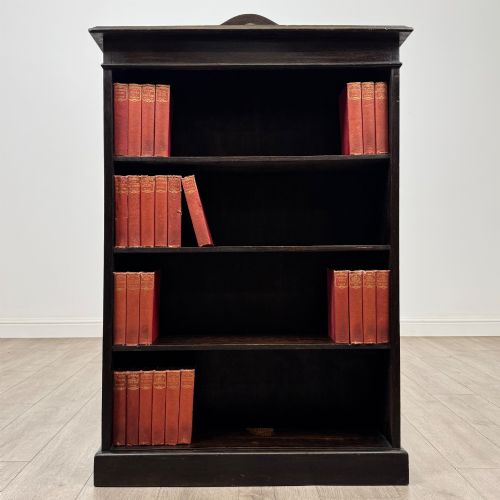
The selections on this page appear most frequently as open oak or mahogany bookcases, alongside wall shelves, revolving variants, and smaller rustic or painted formats.
Makers and workshops construct these items to fit domestic rooms, ranging from slim walnut bookshelves to large library bookcases designed for extensive collections.
How they were made
Cabinet-makers utilised solid timbers such as oak, mahogany, walnut, and pine, frequently selecting burr walnut veneers or applying paint finishes to achieve specific visual qualities. Joinery methods included adjustable shelving systems, brass fittings, and ormolu mounts.
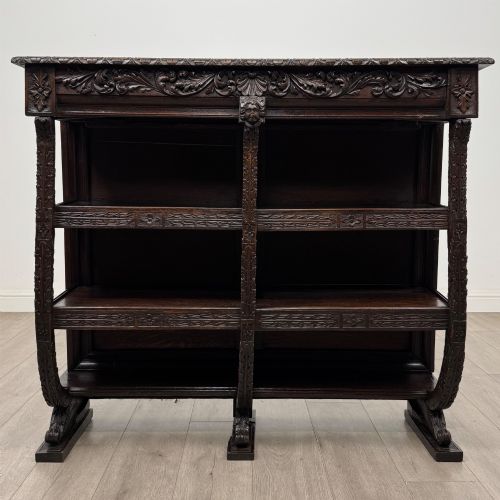
Surfaces received hand-carved details, inlaid stringing, or distressed blue paint finishes, reflecting styles from Arts and Crafts to Neoclassical Empire and Jacobean Revival.
Listings feature oak, mahogany, walnut, and pine across Victorian, Edwardian, and Regency periods.
What varies in quality
Construction integrity separates standard utility pieces from finer items, particularly regarding the thickness of timber, the smoothness of adjustable shelf mechanisms, and the precision of inlaid veneers. Superior examples display thoughtful proportions and careful timber selection.
The refinement of carved ornamentation, the quality of brass hardware, and the preservation of original painted or polished surfaces distinguish regional workshop output from high-grade cabinet-making.
Johnstone and Jeanes
The Antique Bookshelf Glossary
- Waterfall bookcase
- A tiered shelving unit featuring stepped, progressively deeper shelves from top to bottom. These structures often appear in mahogany or walnut.
- Revolving bookcase
- A compact table-top or floor-standing unit designed to spin on a pivot for easy volume access. Edwardian and Victorian makers favoured this form.
- Whatnot
- An open multi-tiered piece of furniture used for displaying books or ornaments. These usually feature slender corner supports.
- Open bookcase
- A bookcase lacking front doors, allowing direct access to the interior shelves. Examples range from small Edwardian oak items to large Victorian library pieces.
- Ormolu
- Gilded bronze mounts applied to furniture for decorative effect. This technique appears on nineteenth-century pieces alongside fine timber.
Antique Bookshelf: Frequently Asked Questions
How do I choose the right size antique bookshelf?
Consider the available wall space and the height of your room before selecting a piece. Slim or wall-mounted versions suit compact areas, whereas large library bookcases require substantial clearance.
Measure your volumes to ensure shelf depths and heights accommodate your collection adequately. Adjustable shelves offer flexibility for varying book sizes.
Where were antique bookshelves placed in period homes?
These pieces found places in studies, libraries, and drawing rooms to hold working libraries or prized literature. Revolving variants often sat beside armchairs for immediate reading access.
Wall-mounted shelves and hanging racks utilised vertical space in smaller rooms. Larger library editions anchored substantial reading spaces.
How do I care for timber antique bookshelves?
Maintain stable room humidity to prevent timber from splitting or warping over time. Keep pieces away from direct heat sources and strong sunlight.
Dust regularly with a dry cloth and occasionally apply appropriate wax polish to nourish the wood surface. Avoid silicone-based sprays.
How can I tell the period of an antique bookshelf?
Examine the timber types, construction joints, and decorative styles visible on the piece. Edwardian items often display lighter oak or inlaid mahogany, while Victorian pieces lean toward heavier carved oak or rich walnut.
Hardware details and shelving mechanisms also provide clues to the manufacturing decade. Stylistic revivals such as Jacobean or Gothic elements help date the work.