

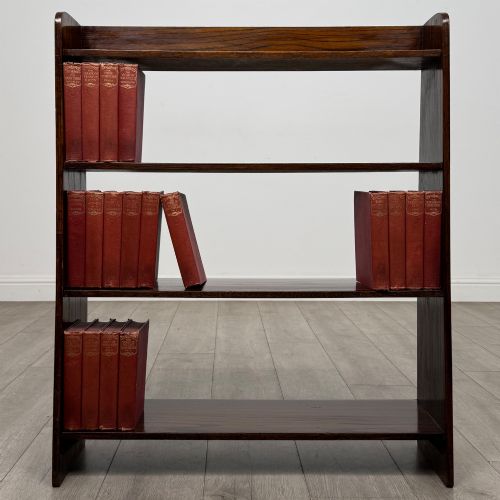
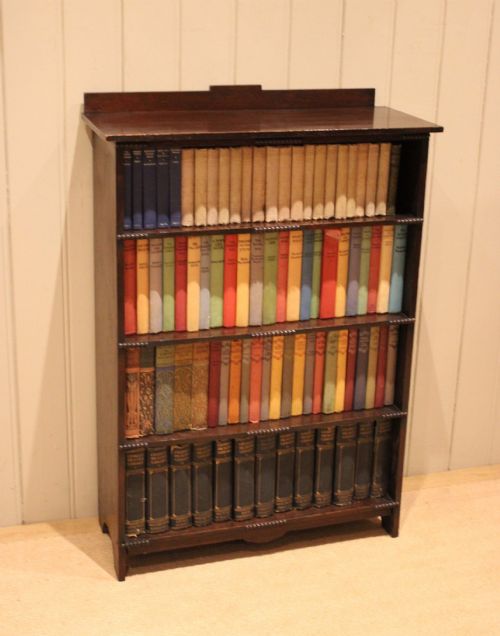
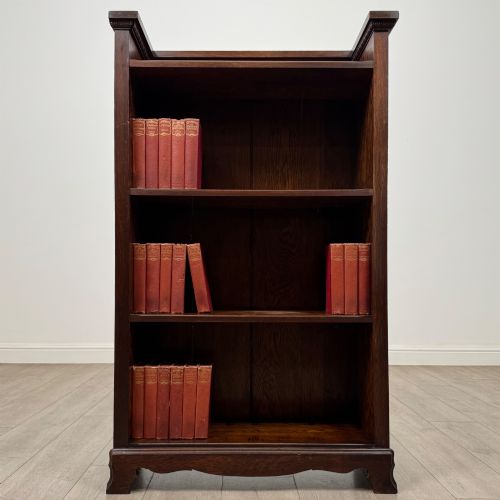
Traditional Book Shelves
Traditional book shelves bring order to a room, offering sturdy wooden storage for volumes collected over a lifetime.
Traditional Book Shelves
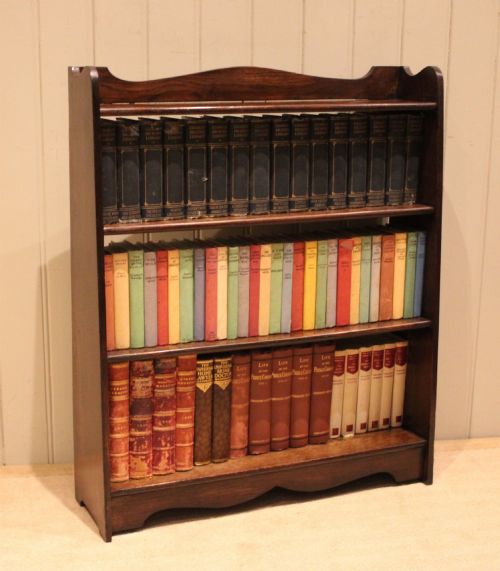
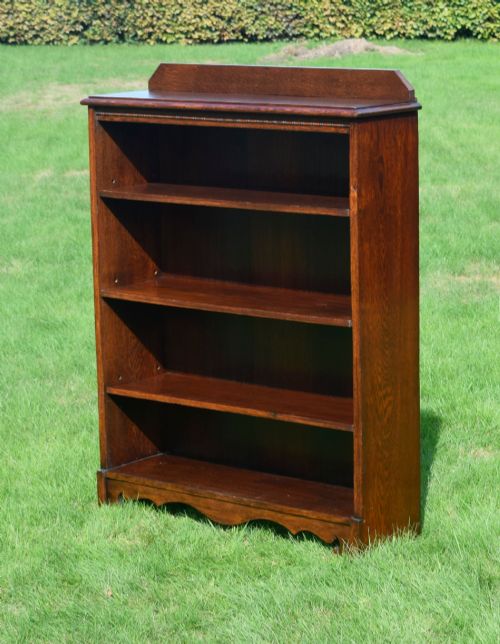
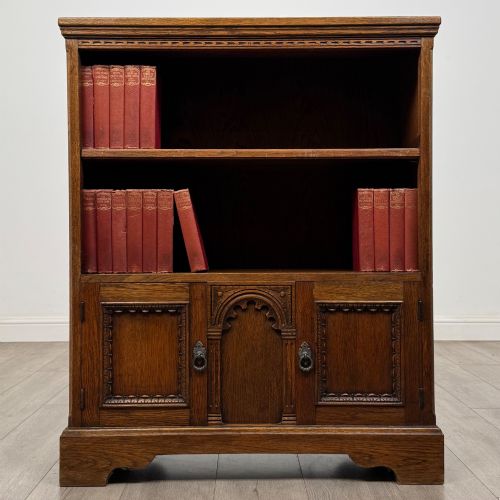
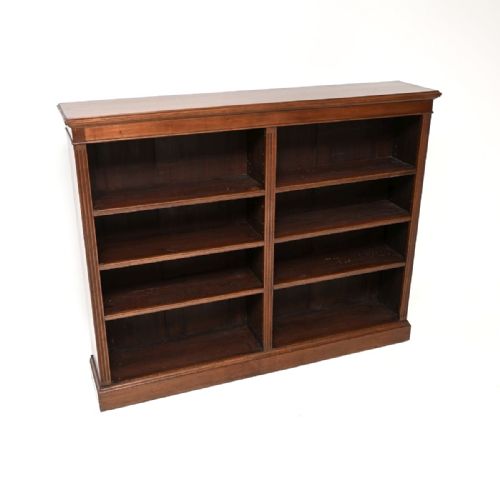
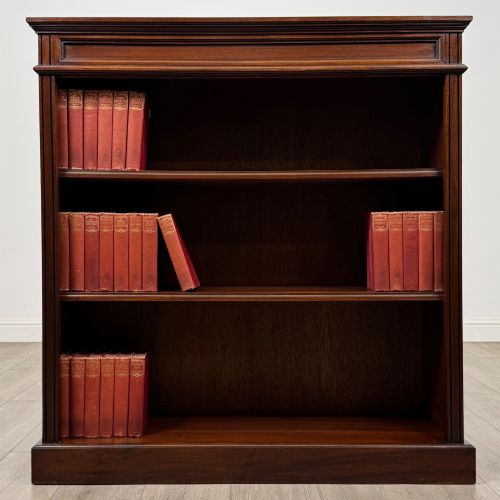
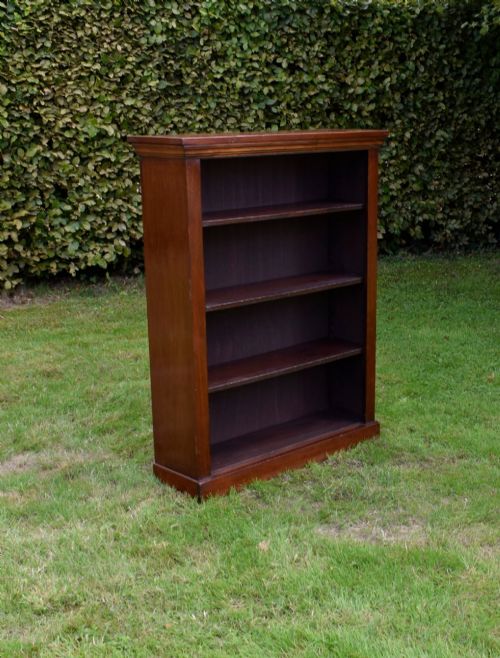
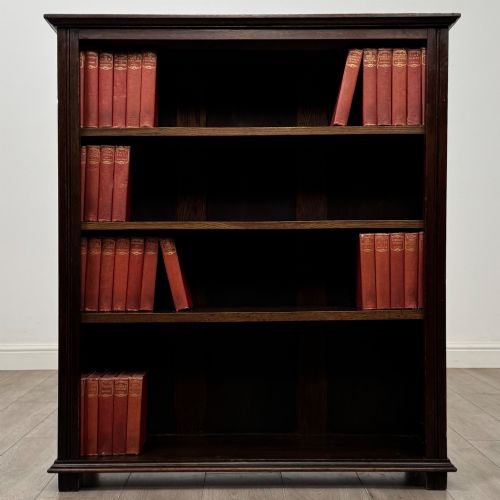
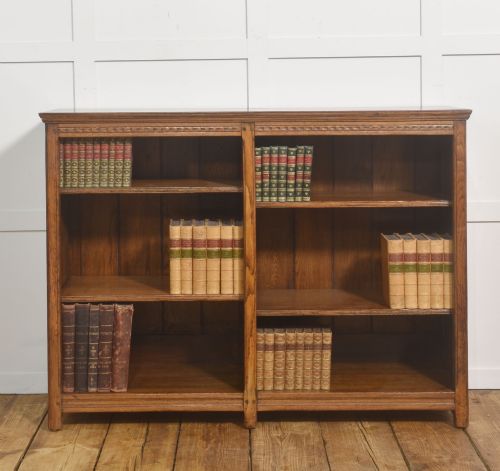
Traditional book shelves are practical storage items designed to display and hold books openly within domestic interiors. When searching for traditional book shelves, buyers typically encounter open bookcases and shelving units spanning the Victorian, Edwardian, and early twentieth century periods.
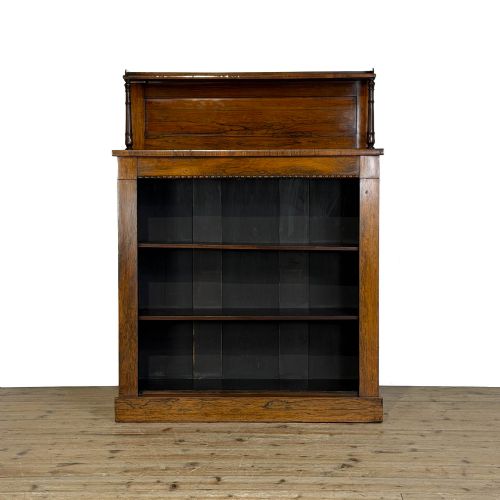
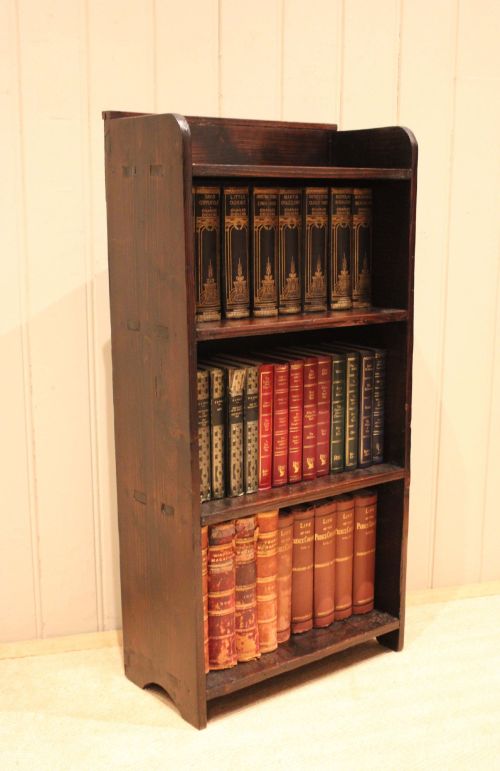
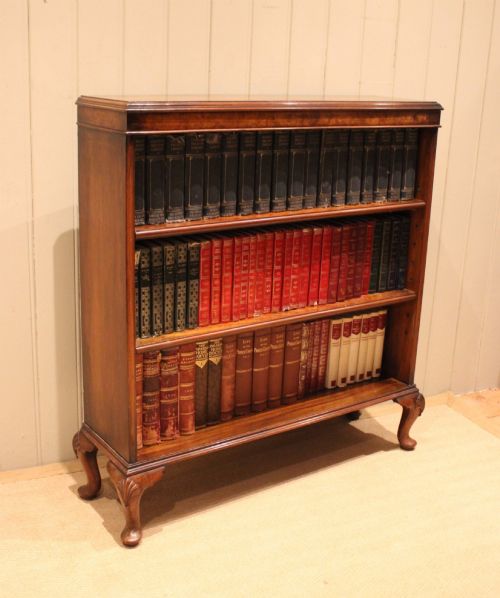
The pieces appearing on this page range from compact small variants to large breakfront forms. Oak and mahogany dominate the selection, alongside pine, walnut, and rosewood examples.
Design styles stretch from plain rustic country pieces to revivalist forms such as Jacobean Revival and Queen Anne Revival. Many options feature adjustable shelving to accommodate volumes of varying heights.
Materials and construction
Cabinet makers built these traditional book shelves predominantly using solid timbers like oak, mahogany, and walnut, often applying polished or beaded edges for subtle surface detail. Pine served primarily for simpler rustic country variants, while brass occasionally appeared in hardware or fittings.
Construction methods prioritised utility and durability, resulting in sturdy open carcasses designed to bear the weight of heavy collections. Adjustable shelf mechanisms utilised wooden supports or brass track systems to allow customisation of internal tiers.
Some early twentieth century oak bookcases still retain the faint scent of old paper and beeswax polish from decades of holding library volumes.
Assessing quality in traditional book shelves
The distinction between standard utility items and superior examples rests upon the selection of timber and the crispness of the cabinet work. Dense hardwoods like figured mahogany, burr walnut, and golden oak indicate a higher grade of manufacture than basic pine.
Refined detailing, such as beaded edges, breakfront proportions, and well-executed revivalist styling, elevates a piece from simple domestic furniture to a finer example of period joinery. The inclusion of smoothly functioning adjustable shelving mechanisms further demonstrates superior workshop production.
Waring and Gillows
The Traditional Book Shelves Glossary
- Open bookcase
- A piece of furniture designed with exposed shelves for books rather than enclosed doors. This form allows immediate access to volumes.
- Breakfront
- A piece featuring a central section that projects forward from the flanking sides. This architectural arrangement adds depth and visual interest to larger furniture.
- Waterfall bookcase
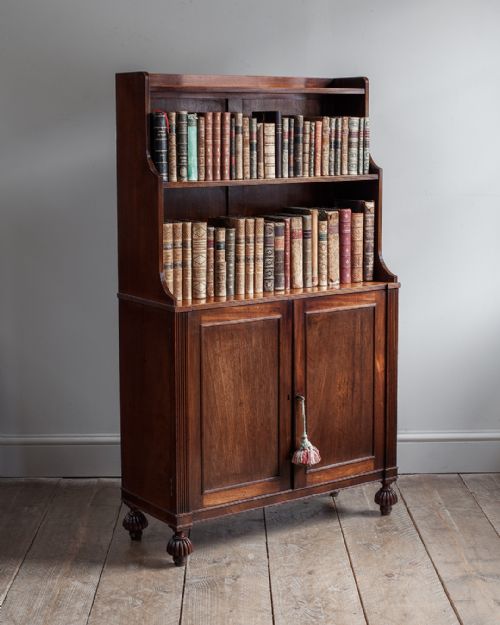
- A shelving unit where each tier steps back progressively from the one below, resembling cascading water. These often feature curved or rounded side panels.
- Barristers stacking bookcase
- A modular shelving unit comprising individual glazed or open sections that stack vertically. Each tier operates independently for modular storage.
- Beaded edge
- A narrow, rounded moulding carved along the border of a shelf or frame. It provides a subtle decorative finish to plain timber.
Traditional Book Shelves: Frequently Asked Questions
How do I choose the right size?
Measure your available wall space and consider the height of the volumes you intend to store. Smaller rooms benefit from compact pine or oak variants, while larger collections require tall or breakfront designs.
Account for ceiling clearance and whether the piece needs to fit beneath windows or picture rails. Adjustable shelving provides flexibility if your book heights vary significantly.
Are the shelves usually adjustable?
Many period examples feature adjustable shelves supported by wooden bearers or brass fittings. This allowed Victorian and Edwardian owners to customise tier heights for different volumes.
Check individual listings to confirm whether the shelving is fixed in place or movable. Fixed shelves are more common in simpler rustic pieces, whereas better quality items often include adjustment mechanisms.
What wood types are most common?
Oak and mahogany appear most frequently among traditional book shelves, reflecting their popularity in British homes from the nineteenth and early twentieth centuries. Walnut and rosewood denote finer, more decorative furniture.
Pine served as a robust material for country and rustic variants, offering a lighter visual weight. Each timber brings distinct grain patterns and colour tones to an interior.
How do I date a traditional bookcase?
Dating relies on timber choice, construction techniques, and stylistic revival cues. Victorian pieces often use heavy mahogany or walnut, while Edwardian examples frequently feature light golden oak.
Revival styles such as Jacobean or Queen Anne point towards late nineteenth or early twentieth-century manufacture. Hardware details and the presence of makers' marks further help narrow the period of origin.