







Antique Wall Etagere
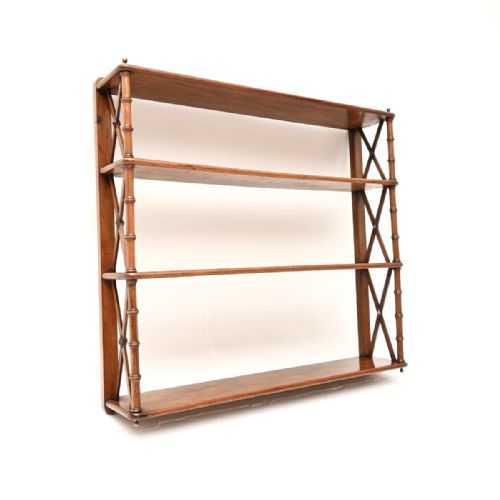
These antique wall etagere pieces offer tiered open display, saving floor space while framing your collection against timber and glass.
Antique Wall Etagere
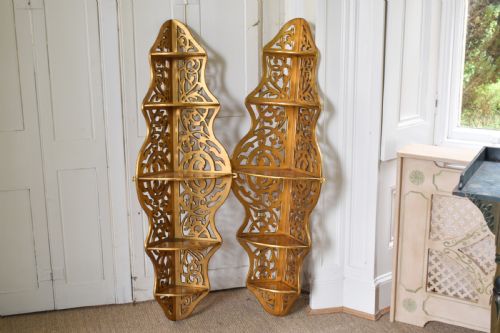
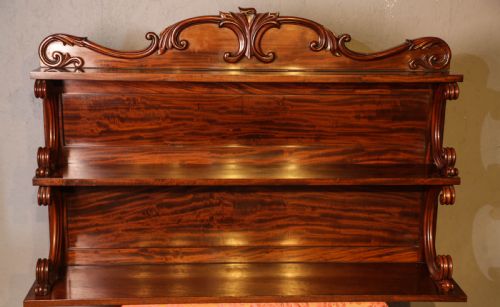
An antique wall etagere provides multi-tiered hanging storage and display, appearing across the nineteenth century in various wood and gilt configurations. When you search for an antique wall etagere, you encounter formats ranging from simple mahogany hanging shelves to elaborate corner units and mirrored cabinets.
The evidence shows forms spanning corner shelves, waterfall designs, and three-tier shelving units built to attach directly to walls. These items serve to hold books, small ceramics, or ornaments without intruding upon room layouts.
Materials and construction methods
Cabinetmakers built these shelves using timbers such as mahogany, walnut, satin birch, and rosewood, frequently incorporating brass rods, mirrored backs, or glass panels. Giltwood and gesso appear on more ornate Victorian and Regency examples, while bobbin-turned supports define specific French and nineteenth-century variants.
Joinery techniques relied on secure wall-mounting brackets and fitted shelves designed to distribute weight safely across vertical surfaces. Turned wooden spindles and carved brackets provide the structural integrity required to hold multiple tiers of objects.
Antique Wall Etagere Retail Price Guide 2026
Typical asking prices for wall etagere among the pieces listed under this phrase on Sellingantiques today, from the lower quarter to the upper quarter. They describe what is for sale here now, not the wider market.
The object types span wall shelves, corner shelves, console tables, and display cabinets designed for vertical hanging.
Distinctions in quality and execution
Quality rests in the choice of timber figure, the crispness of carved gesso or wood details, and the integrity of original mirrored glass. Superior examples display thoughtful grain matching and robust construction joints that support the weight of the tiers without sagging.
Simpler nineteenth-century pine or cherry versions contrast with finely figured amboyna, satin birch, or giltwood pieces intended for principal reception rooms. The presence of integrated mirrors, brass galleries, or labeled maker details elevates the standing of an individual piece.
Strahan of Dublin
The Antique Wall Etagere Glossary
- Etagere
- A piece of furniture with a set of open shelves for displaying small objects or ornaments. These units can stand on the floor or hang from a wall.
- Gesso
- A plaster-like mixture applied to wood surfaces as a base for painting or gilding. It allows craftsmen to carve intricate relief decorations before applying gold leaf.
- Bobbin
- A turned wooden furniture component shaped like a series of spools or bobbins. This decorative turning style appears frequently on nineteenth-century hanging shelves.
- Waterfall
- A shelving design where each successive tier steps back from the one below it. This creates a cascading profile often seen in nineteenth-century wall furniture.
Antique Wall Etagere: Frequently Asked Questions
How do I hang a wall etagere safely?
Wall etageres require secure fixings into structural wall studs or heavy-duty masonry plugs to support the weight of the timber and displayed items. Most pieces feature built-in hanging loops or brackets designed for secure wall attachment.
Ensuring the weight distribution is even across the tiers prevents undue strain on the mounting points and the wall fixings.
What rooms suit an antique wall etagere?
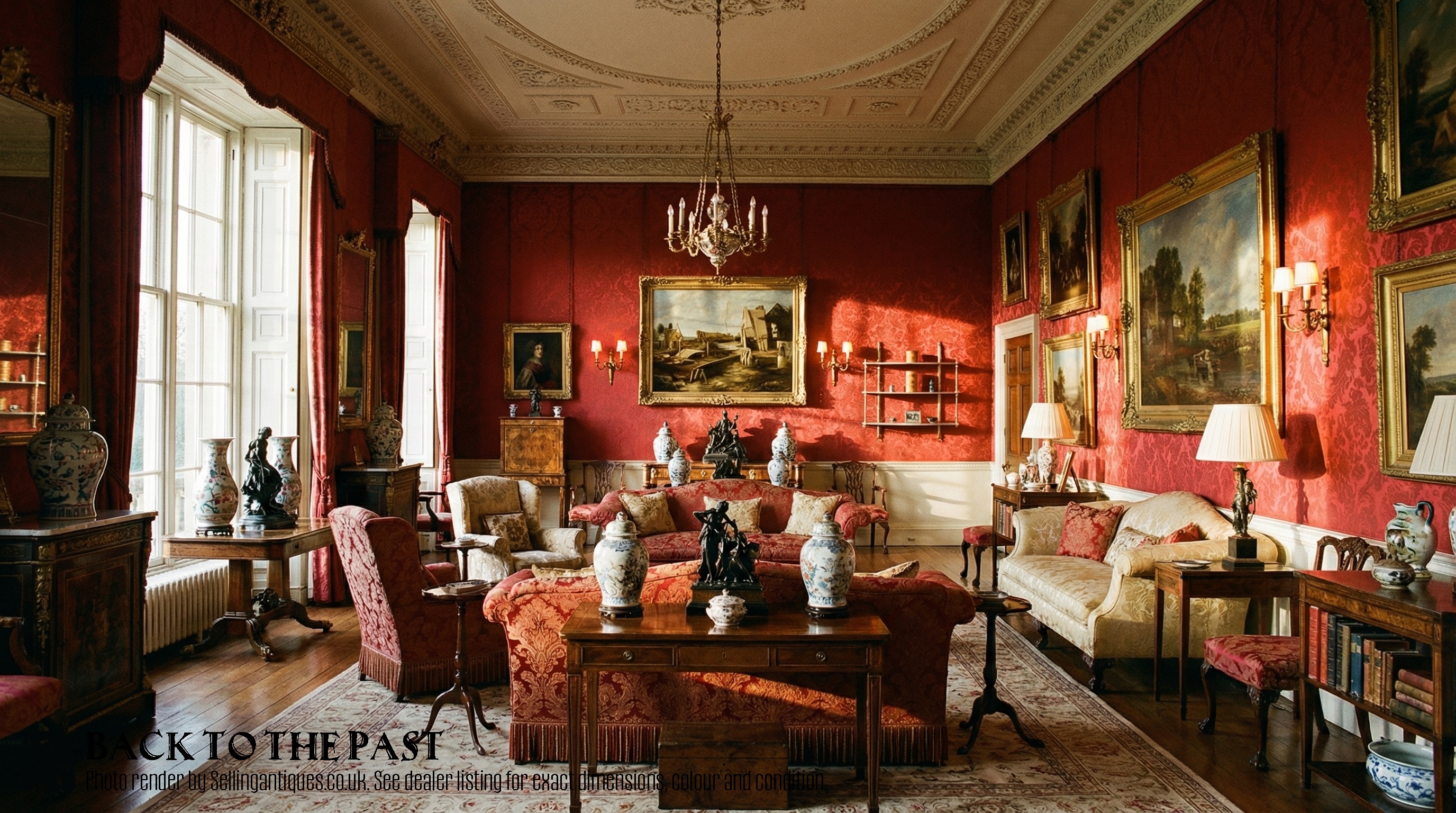
These pieces function well in drawing rooms, studies, or hallways where floor space is limited but display area is desired. They provide a vertical focal point for showcasing small collections of porcelain, glass, or books.
Placing them away from direct heat sources protects the timber and veneer from drying out or cracking over time.
Are mirrored backings original to these shelves?
Many nineteenth-century wall shelves and etageres incorporated mirrored glass to reflect light and brighten the objects displayed on the tiers. The glass in these pieces often shows slight foxing or age spots characteristic of period mercury or silvered mirrors.
Original mirror plates are typically secured with old timber backing boards and traditional glazing points.