

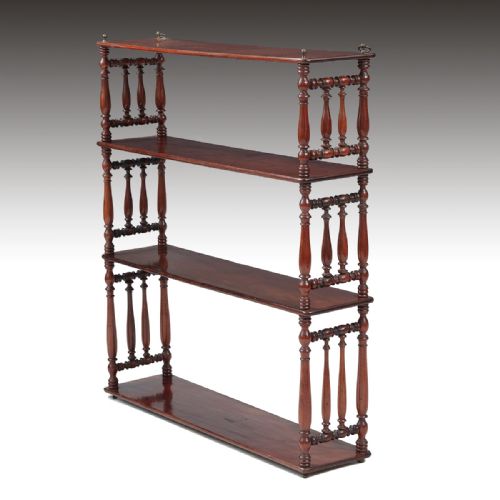


19th Century Hanging Shelves
These 19th century hanging shelves bring practical wall storage and period timber character to any room.
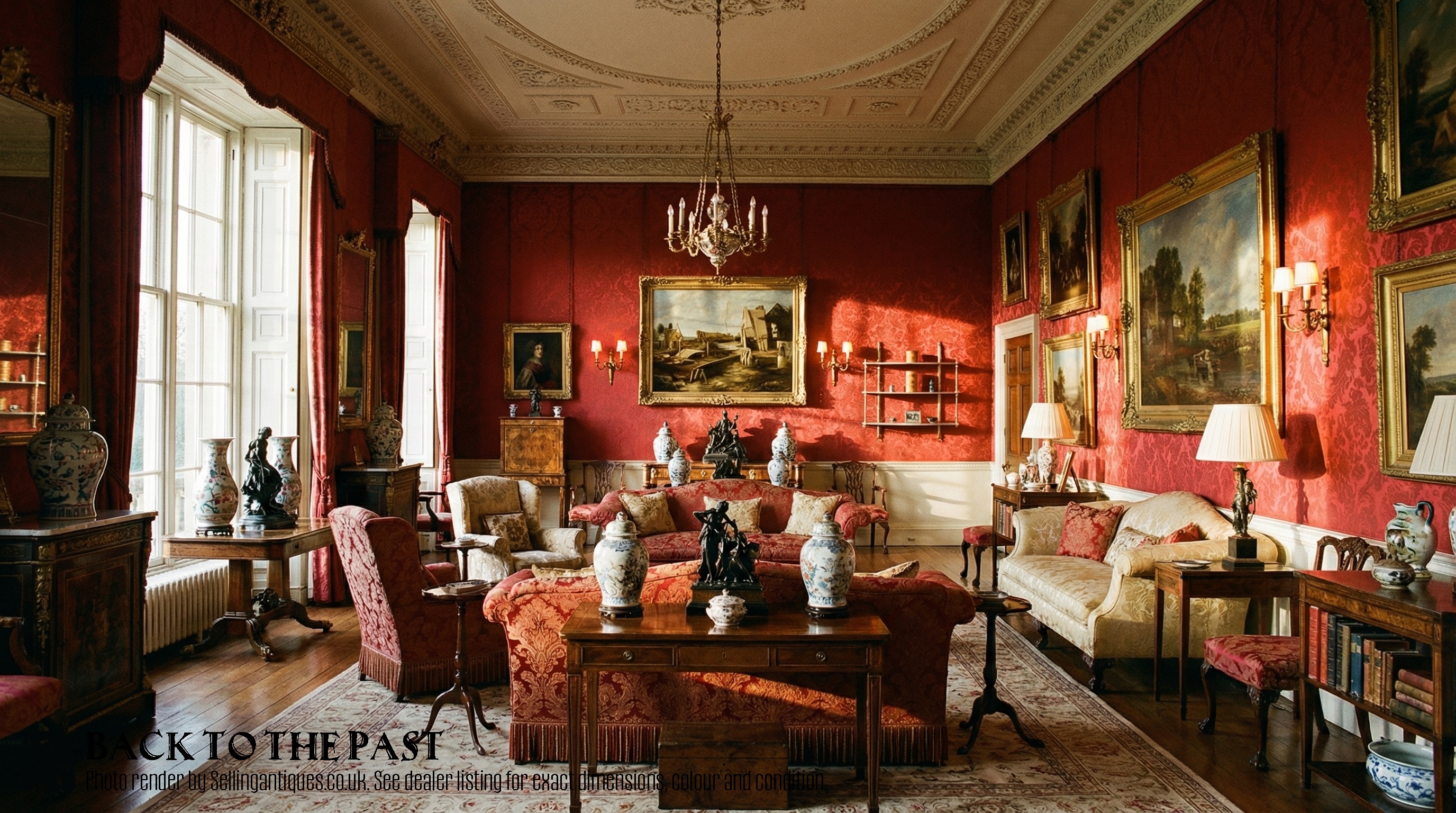
19th Century Hanging Shelves
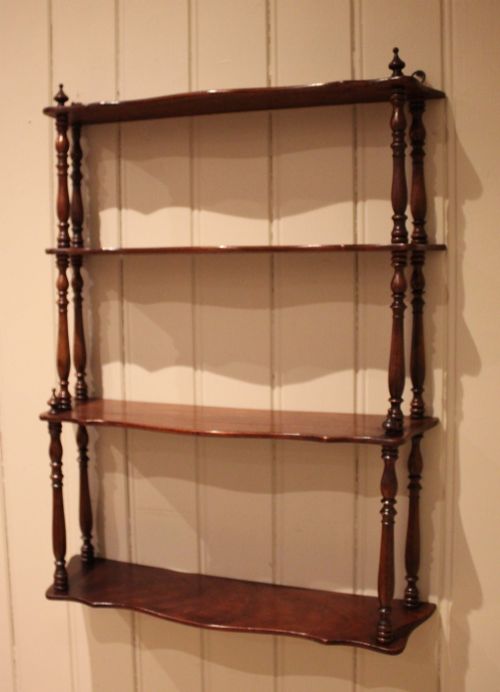
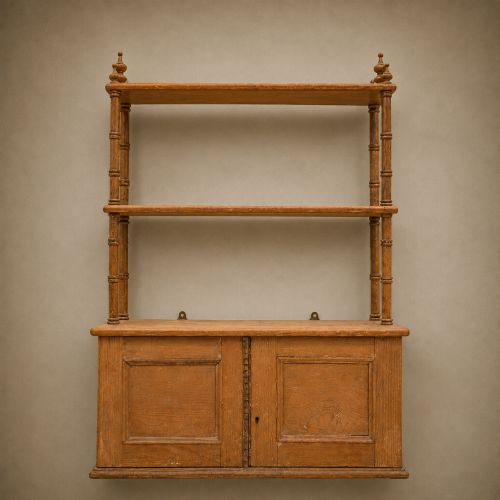
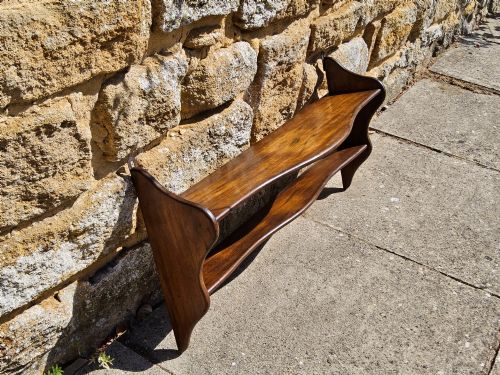
When seeking 19th century hanging shelves, you encounter pieces designed to mount directly to walls for displaying books, plates, and small ornaments. These items save floor space while introducing architectural interest to empty walls.
Mahogany and pine dominate the selection, appearing alongside walnut, oak, satin birch, yew, and maple. The forms range from simple tiered book shelves and pigeon holes to glazed display cabinets, delft racks, and corner cupboards.
Periods represented include the Regency era and the Victorian age, stretching into the late 19th century and around 1900. Pieces emerge from English, French, Swiss, and South German workshops, reflecting regional timber preferences and design revivals.
How they were made
Cabinet makers constructed these wall units using solid hardwoods and softer timbers such as pine, often enhancing mahogany with brass fixtures, mirror glass, or delicate marquetry inlay. Joinery techniques relied on traditional dovetailed joints and pegged framing to support the weight of books and ceramics.
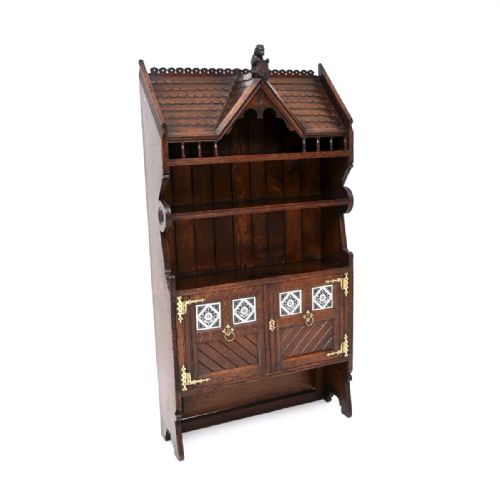
Surfaces received various treatments depending on the workshop and period, from French polishing on fine mahogany and walnut to ebonised finishes, paint, and limewood carving. Some pieces incorporate turned bobbin mouldings or applied architectural motifs characteristic of Gothic and Rococo revivals.
19th Century Hanging Shelves Retail Price Guide 2026
Typical asking prices for 19th century hanging shelves among the pieces listed under this phrase on Sellingantiques today, from the lower quarter to the upper quarter. They describe what is for sale here now, not the wider market.
A late 19th century Swiss Black Forest hat and coat stand utilises genuine deer antlers, horn, and linden wood.
What varies in quality
The choice of timber and the precision of the joinery set the baseline for each piece, with figured mahogany, burr walnut, and satin birch representing the finer end of the scale. Simple pine and utilitarian kitchen racks prioritize sturdy construction over decorative grain.
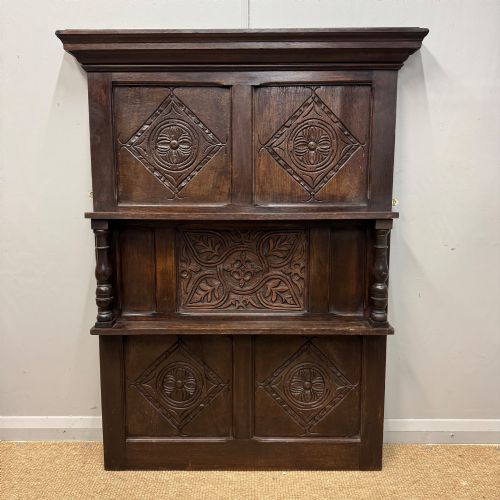
Decoration and hardware introduce further distinction, separating standard wall storage from exceptional examples featuring brass galleries, mirror backs, marquetry, or elaborate regional carving. Proportion, original hanging brackets, and unaltered surfaces elevate a piece's standing.
Town and Emanuel
The 19th Century Hanging Shelves Glossary
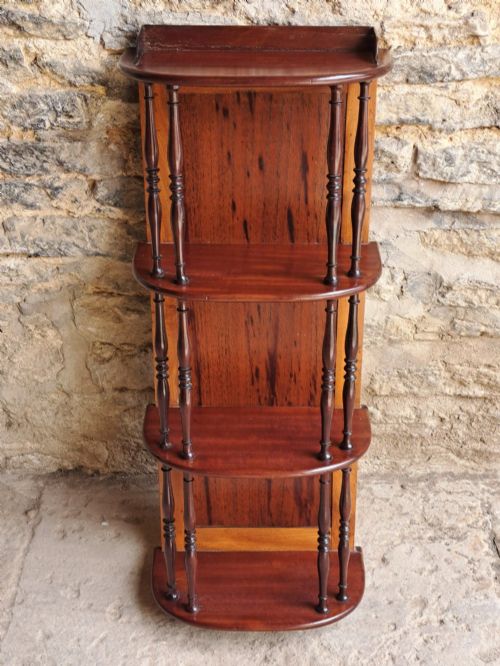
- Bobbin shelves
- Wall shelves featuring turned wooden elements shaped like bobbins or spools along the uprights. This decorative turning became popular in the later 19th century.
- Delft rack
- A wall-mounted rack specifically designed with plate grooves and retaining rails to display ceramic plates and platters. Examples from the 19th century often incorporate rich marquetry or shaped friezes.
- Overmantel
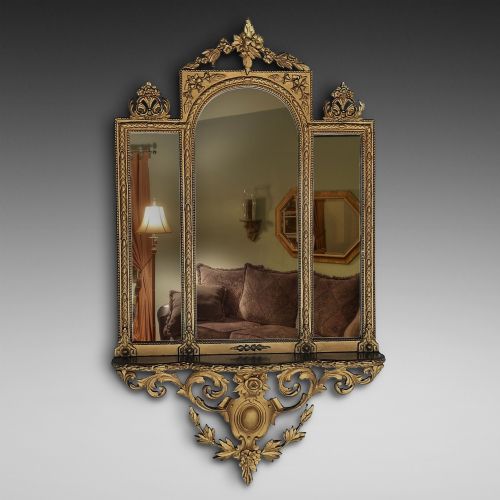
- A large mirror or decorative panel designed to hang on the wall directly above a fireplace mantel. 19th century versions frequently combine carved wood frames with integrated display ledges.
- Pigeon holes
- Small, open compartments grouped together in a tier or desk organizer for sorting papers and letters. In hanging formats, they provide compact storage for stationery.
- Marquetry
- The art of applying small pieces of veneer to a structure to form decorative patterns and pictures. It appears on select 19th century display pieces to add visual depth.
19th Century Hanging Shelves: Frequently Asked Questions
How were hanging shelves mounted?
These wall units typically feature integrated wooden hanging brackets, pierced side panels, or brass screw eyes screwed directly into the structural timbers. Installers secured them to wall studs or used appropriate wall anchors to bear the weight of books and ceramics.
Because the pieces are lightweight compared to floor-standing bookcases, proper wall fixing ensures stability while keeping the timber frame level and secure.
What rooms suit these shelves?
Compact wall shelves suit studies, kitchens, and hallways where floor space remains at a premium. Kitchen racks and delft variants hold everyday ceramics, while mahogany and walnut display shelves suit living spaces.
Smaller portable bookshelves and pigeon holes provide practical desktop or wall storage for letters and volumes without dominating the room's proportions.
How do I spot a Regency piece?
Regency hanging shelves often utilise rich mahogany timbers with restrained classical proportions, sometimes incorporating brass rods or restrained gallery rails. The joinery is crisp and clean, reflecting neoclassical influences before the heavier Victorian revivals took hold.
Secondary woods and construction methods match early 19th century cabinet-making standards, avoiding the elaborate carving seen later in the century.
Are mirror backs original?
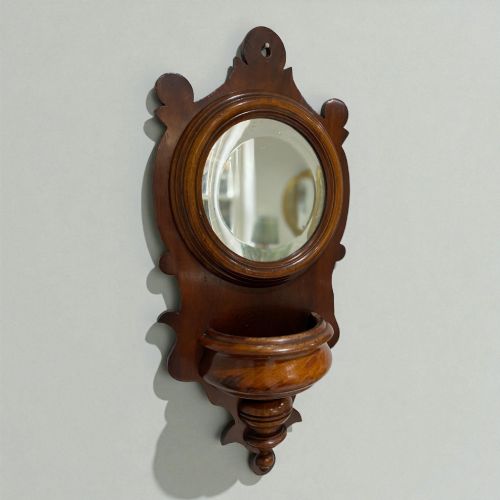
Many Victorian and Regency display shelves incorporate mirror glass into the back panel to reflect light and illuminate displayed objects. Bevelled edges and old silvering techniques indicate period authenticity.
When mirror glass is present alongside period timbers like yew wood or mahogany, it usually forms an integral part of the piece's decorative scheme.