




Antique Wooden Shaving Mirror
An antique wooden shaving mirror offers a compact place to groom, blending practical glass with period timber.
Antique Wooden Shaving Mirror
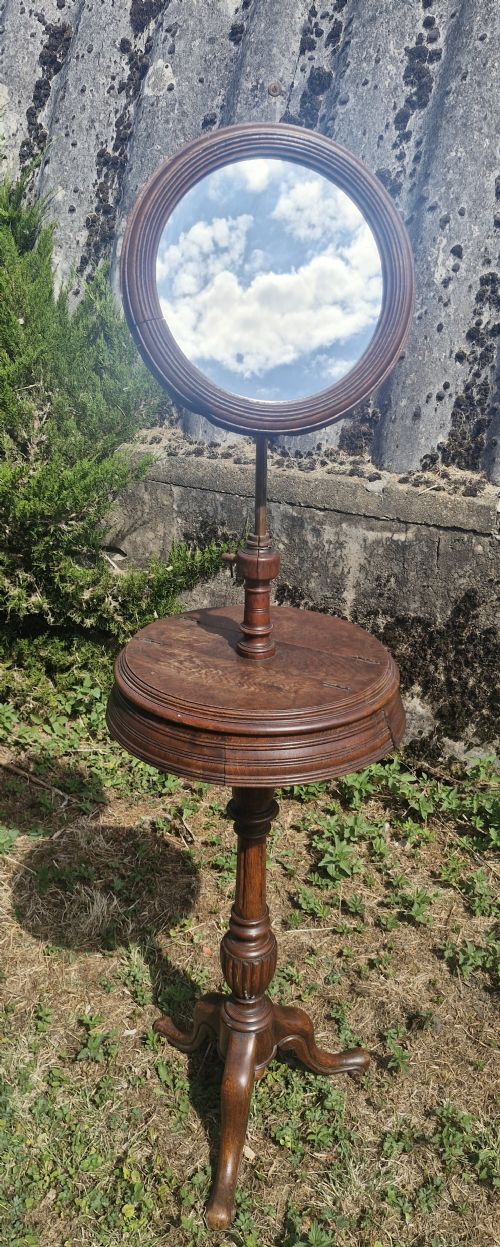
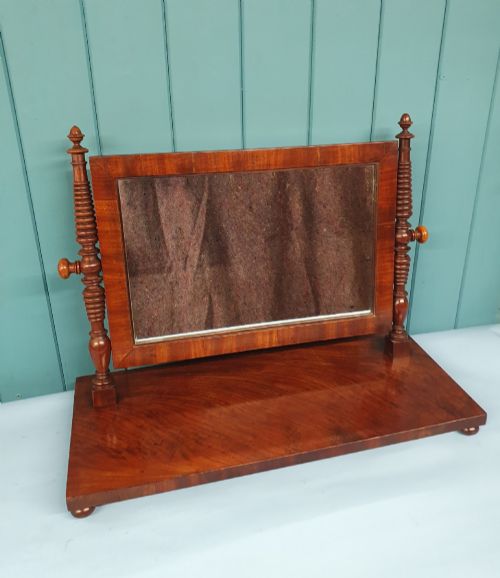
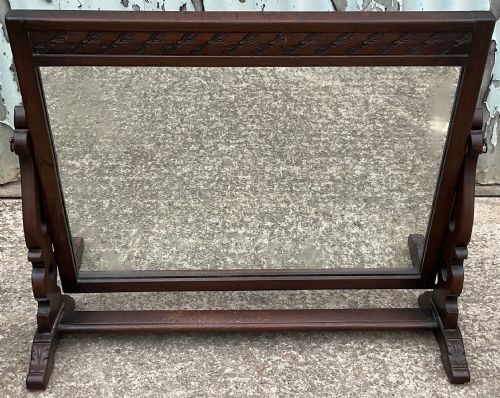
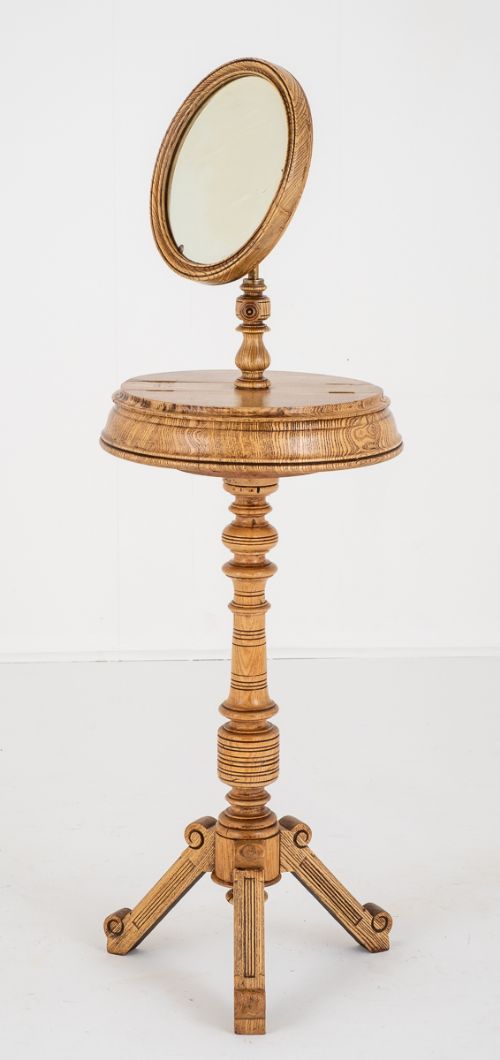
When you search for an antique wooden shaving mirror, you encounter pieces designed to sit on tables, stand independently on the floor, or hang upon walls. These items serve daily grooming needs while introducing period character through timber frames and adjustable swing plates.
The selections available here span several centuries and styles, drawing from Georgian, Victorian, and Edwardian eras. Mahogany, walnut, oak, and fruitwood frequently form the primary structure of these items.
Many examples incorporate pivoting mechanisms to alter the angle of the glass. Forms range from simple tabletop dressing mirrors to elaborate shaving stands fitted with small drawers and brass fixings.
How these mirrors were constructed
Cabinet makers utilised solid timbers such as mahogany, walnut, and oak to build the frames and support structures. Selected pieces incorporate fruitwood marquetry or delicate inlay work to decorate the surfaces.
Brass fittings, hinges, and arm supports allow the glass to tilt and hold position securely. Joinery techniques connect the uprights to sturdy bases or miniature drawer boxes.
Listings feature woods such as mahogany, walnut, oak, and fruitwood marquetry across Georgian, Victorian, and Edwardian periods.
What separates the grades of quality
Superior examples demonstrate careful selection of timber grain, particularly in mahogany and walnut veneers. The refinement of the turning on support pillars and the execution of dovetail joints in small drawers indicate higher craftsmanship.
The integrity of the original glass, the weight of the brass adjustments, and the retention of maker marks or stamps distinguish finer pieces from standard utilitarian items.
James Shoolbred
The Antique Wooden Shaving Mirror Glossary
- Toilet mirror
- A small mirror designed to sit on top of a dressing table or chest of drawers. These often feature small drawers built into the base.
- Shaving stand
- A taller floor-standing piece incorporating a mirror, a small platform or surface, and sometimes integrated storage for shaving equipment.
- Campaign mirror
- A portable mirror fitted into a compact kit or box format, designed for travel during the nineteenth century.
- Marquetry
- Decorative veneer work using various coloured woods to create pictorial patterns on the surface of the mirror frame or base.
- Swing mirror
- A glass plate hung on pivots between two upright arms, allowing the user to tilt the reflection angle.
Antique Wooden Shaving Mirror: Frequently Asked Questions
How do I use a shaving mirror?
Place the mirror on a stable surface at a comfortable height for grooming. Adjust the side pivots to angle the glass as needed.
Many tabletop and stand versions include small drawers suitable for holding razors or personal items.
Where were shaving mirrors placed?
These mirrors traditionally sat on dressing tables, chests of drawers, or dedicated washstands within bedrooms. Floor-standing shaving stands operated independently in corners or beside washing basins.
Wall-hung variants offered a fixed option for smaller spaces or hallways.
How do I date an antique mirror?
Examine the wood types, construction methods, and hardware styles to determine the era. Georgian pieces often display different timber selections and joinery compared to later Victorian or Edwardian examples.
Maker stamps or labels can provide precise attribution when present.
Are these mirrors adjustable?
Most examples feature a swing mechanism supported by brass pivots or screw pins. This allows the glass plate to tilt forward or backward.
Some stands also permit vertical height adjustment of the entire frame.