

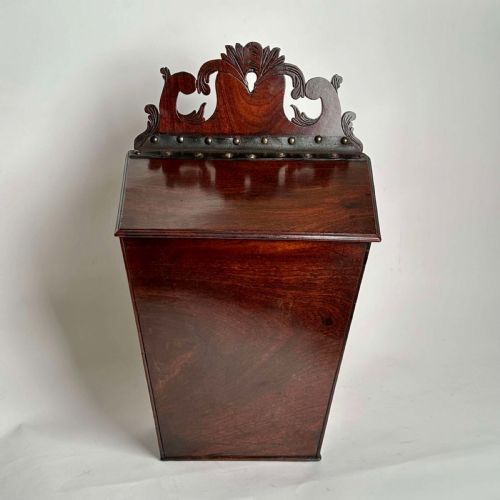


Antique Wooden Salt Box
An antique wooden salt box is a domestic essential of sturdy timber, offering traditional wall storage that brings honest period character to any kitchen.
Antique Wooden Salt Box
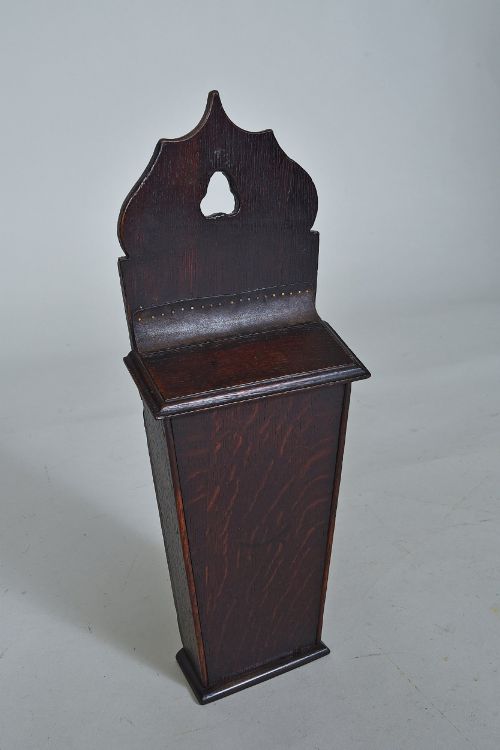
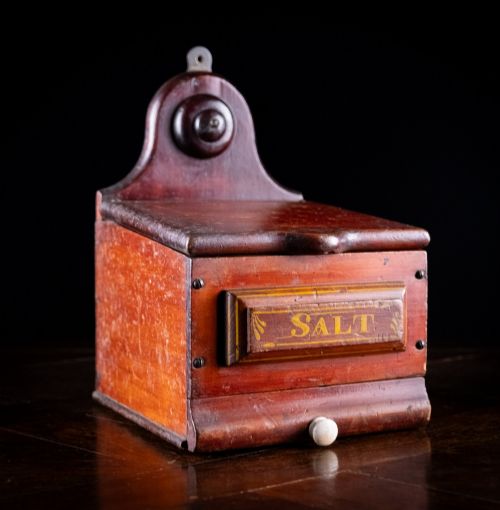
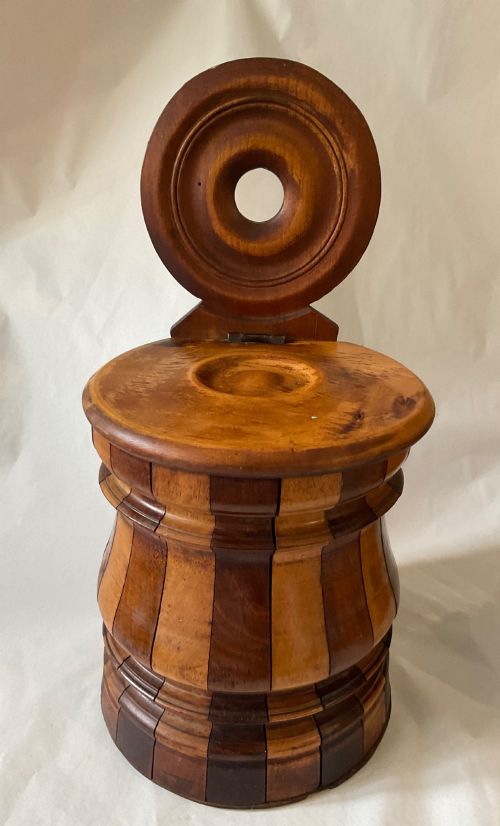
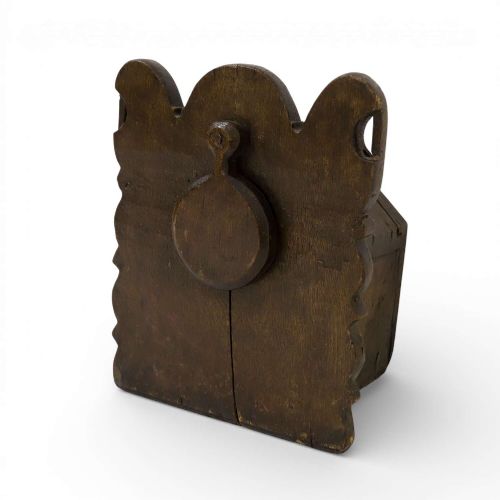
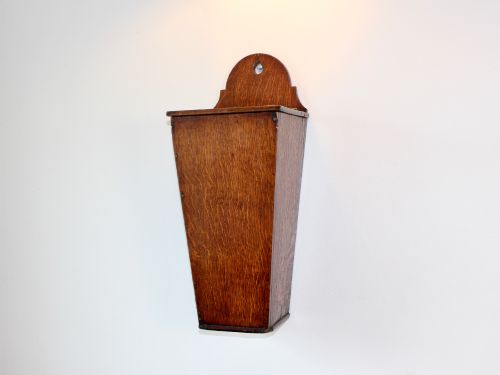
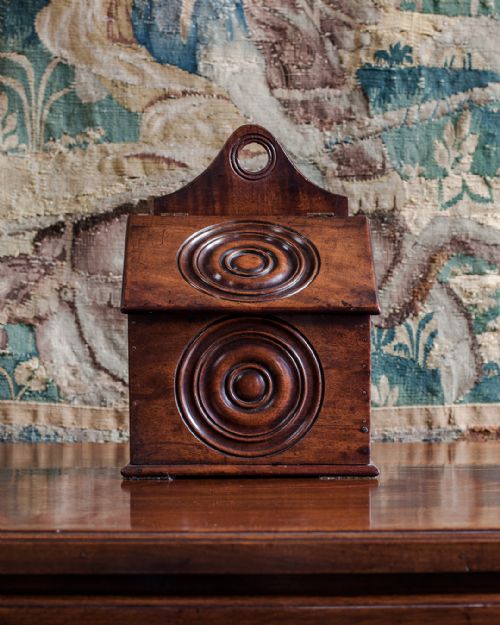
An antique wooden salt box is a practical household container designed to keep dry salt safe from dampness near the hearth. Surviving examples appear in various forms including wall-hanging designs and tapered rectangular shapes used across centuries.
The pieces on this page span several distinct periods from the seventeenth century through the nineteenth century, including Georgian and Victorian country examples. Forms range from dedicated salt boxes to dual-purpose salt or candle boxes and related wall boxes.
Makers utilised regional timbers suited to vernacular domestic items, resulting in pieces fashioned from oak, mahogany, pine, and mixed hardwoods. These containers connect modern interiors directly to historical domestic routines through their utilitarian forms.
Materials and construction methods
Joiners and country craftsmen built these domestic boxes using solid timbers such as oak, mahogany, and Welsh pine. Construction often incorporated durable boards assembled to withstand daily handling near the fireplace.
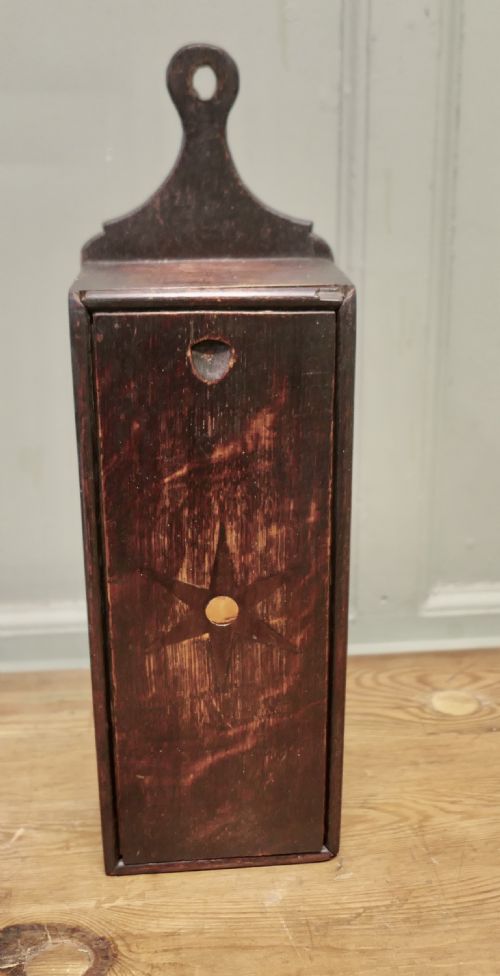
Metal components played a crucial role in both function and survival, featuring original iron hardware and brass details. Some early iterations retained decorative touches like boxwood inlay or traces of old red paint.
Antique Wooden Salt Box Retail Price Guide 2026
Typical asking prices for wooden salt box among the pieces listed under this phrase on Sellingantiques today, from the lower quarter to the upper quarter. They describe what is for sale here now, not the wider market.
An old country box that still smells faintly of woodsmoke and a bygone kitchen pantry.
Judging quality and character
Quality in these domestic containers rests upon the integrity of the timber and the survival of original surfaces. Unaltered hardware and untouched patination elevate an example far above one with modern replacements.
Regional vernacular character and evidence of genuine utilitarian use define the upper tier of these pieces. Subtle details like boxwood inlay or traces of historic paint distinguish more considered workshop output from basic domestic utility.
The Antique Wooden Salt Box Glossary
- Vernacular
- Everyday objects made by local craftsmen for domestic use rather than high-style workshop design. These pieces prioritize practical utility over formal decorative movements.
- Patina
- The surface sheen and colour developed by wood through decades of handling, cleaning, and exposure to light. A rich patina indicates age and gentle use.
- Pine
- A softwood commonly utilised in regional country furniture and household boxes, particularly in Wales and rural districts. It offers a lighter grain and distinct textural character compared to hardwoods.
- Hardware
- Metal fittings such as hinges, latches, and hanging loops attached to wooden containers. Original iron or brass hardware adds considerable authenticity to an antique box.
- Inlay
- A decorative technique where contrasting materials like boxwood are set into the surface of the primary wood. This creates subtle geometric patterns or borders on domestic items.
Antique Wooden Salt Box: Frequently Asked Questions
What is an antique wooden salt box?
An antique wooden salt box is a wall-mounted or freestanding container historically used to store cooking salt away from damp hearths. These utilitarian items formed a standard part of domestic kitchens before the advent of modern packaging.
Craftsmen built them from regional timbers like oak and pine to withstand constant kitchen use. Today they survive as decorative wall pieces that retain a strong sense of historical domestic life.
How were salt boxes used in old kitchens?
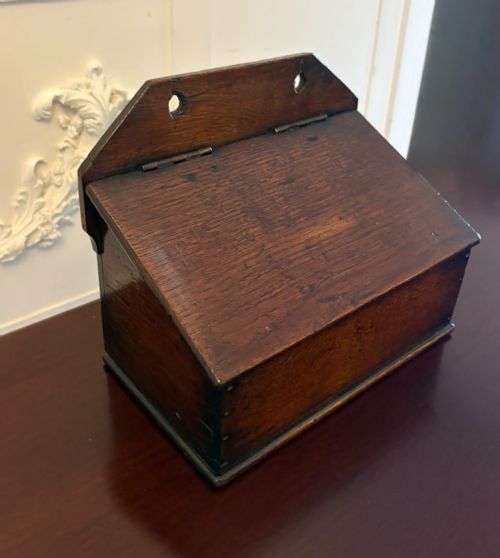
Salt boxes hung near the fireplace or stove where warmth kept the salt dry and free-flowing for daily cooking. Their hinged lids allowed quick access while protecting the contents from soot and kitchen dust.
Many designs featured pierced backboards for hanging on wall pegs or wooden studs. Some versatile examples accommodated both salt and candles depending on household needs.
How do I date an old salt box?
Dating relies on examining the timber species, construction joints, and metal hardware used in the box. Seventeenth and eighteenth-century examples often display pegged oak construction and hand-forged iron hinges.
Later nineteenth-century pieces typically feature machine-cut elements and softer timbers like pine. Traces of early paint or original surface finishes also provide reliable clues to the period of origin.
Where should I hang a salt box?
These boxes suit kitchen or dining areas where their traditional wall-hanging format can be appreciated. Secure them to stable wall surfaces using appropriate fixings that match the weight of the old timber.
Avoid placing them in areas subject to excessive moisture or direct heat sources that might dry out the aged wood. They also function well as small storage containers for dried herbs or letters.