
Antique Wooden Pot
An antique wooden pot brings hand-turned warmth and rich timber grain to a room, offering both practical storage and sculptural presence.
Antique Wooden Pot
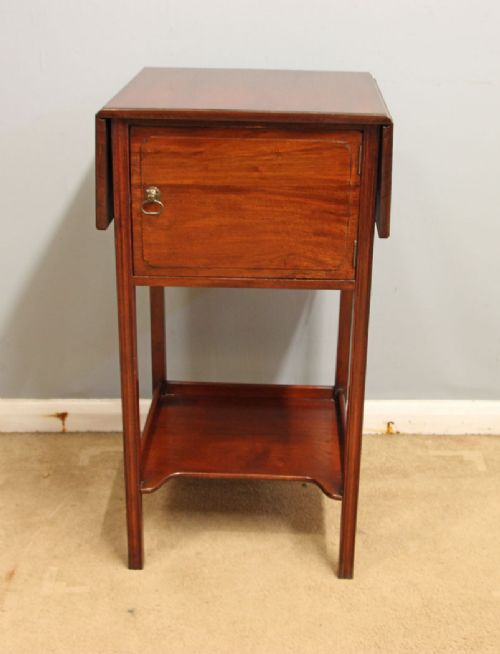
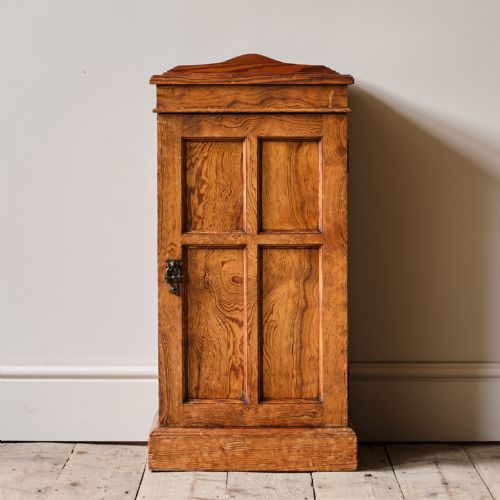
The pieces on this page lean heavily toward utilitarian domestic items alongside decorative desk and display objects. They bridge the gap between simple everyday utility and thoughtful craftsmanship, utilising the natural figure of the timber.
Origins stretch from English workshops to continental Europe and Asian centres of production, reflecting local timber choices and regional turning traditions. Each vessel carries the marks of its original use, whether resting on a Georgian desk or standing in an Edwardian study.
How they were made
Turners and cabinetmakers utilised dense native hardwoods such as oak, elm, walnut, and mahogany, selecting timber for stability and grain pattern. Turning on a lathe formed the primary body of cylindrical pots, while decorative elements relied on hand carving and inlay.
Surfaces received finishes of wax, oil, or original paint to protect the wood while developing a deep patina over decades of handling. Metal mounts, where present, were secured with traditional fixings such as brass pins and hinges.
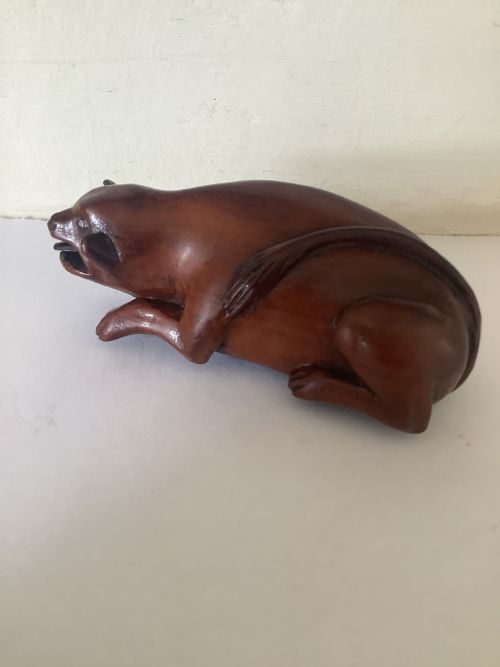
A grinning bear carved into a nineteenth century wooden tobacco holder stands ready to guard your loose change.
What varies in quality
Quality rests in the precision of the turning, the wall thickness of the vessel, and the preservation of the original surface. A superior piece displays balanced proportions and a crisp rim, with timber grain chosen to enhance the form rather than hide flaws.
Condition plays a decisive role, particularly the survival of original lids, fitted interiors, and unpolished patination. Pieces retaining their early surface wear without modern intervention command greater respect from collectors.
Holland & Sons·Liberty of London
The Antique Wooden Pot Glossary
- Patina
- The surface sheen and colour acquired by wood over years of handling and exposure to light. A desirable patina signals genuine age and regular use.
- Brush pot
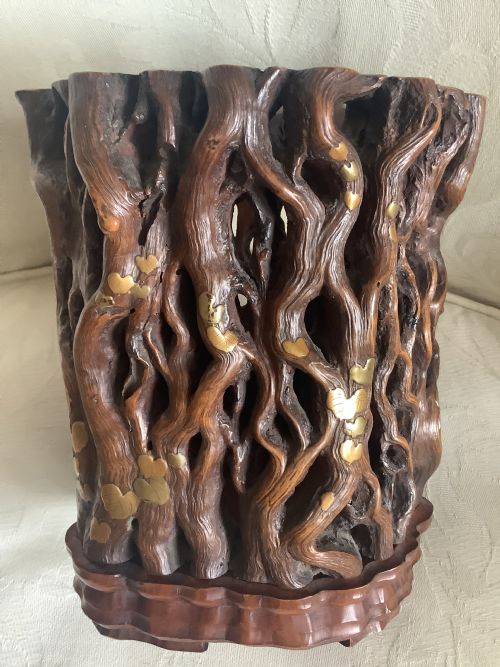
- A cylindrical vessel traditionally used in East Asian literati studies for holding writing brushes. Examples are frequently carved from hardwoods or bamboo.
- Tobacco jar
- A lidded container designed to keep pipe tobacco moist. These often feature dense wood construction and airtight interior fittings.
Antique Wooden Pot: Frequently Asked Questions
What were wooden pots used for?
These vessels served various domestic and personal functions, ranging from holding loose pipe tobacco and writing implements to storing dry goods. Their compact sizes suited placement on desks, tables, and mantelpieces.
Over time, many shifted from active utility to decorative display, valued for their tactile timber surfaces and historical character.
How do I date an antique wooden pot?
Dating relies on observing the tool marks left by turning lathes, the choice of timber species, and the style of any carved ornament or lid construction. Georgian and Victorian pieces often show distinct hand-tool signatures on their undersides.
Comparing the wear patterns and the type of finish helps place a vessel within broad periods like the eighteenth or nineteenth century.
How should I clean antique wood?
Maintenance requires only a soft, dry cloth to remove dust and preserve the delicate surface wax or polish. Avoid using modern liquid cleaners, water, or silicone polishes that can penetrate and soften the historic finish.
Occasional application of a traditional beeswax feed helps maintain the moisture of older timbers without building up heavy residues.
Where should I place a wooden pot at home?
These pots fit naturally on bookshelves, side tables, and desk tops where their grain and form can be appreciated at close range. Placing them away from direct sunlight and strong heat sources protects the timber from drying and splitting.
Pairing them with other small wooden objects or ceramics creates balanced displays that highlight their historic textures.