

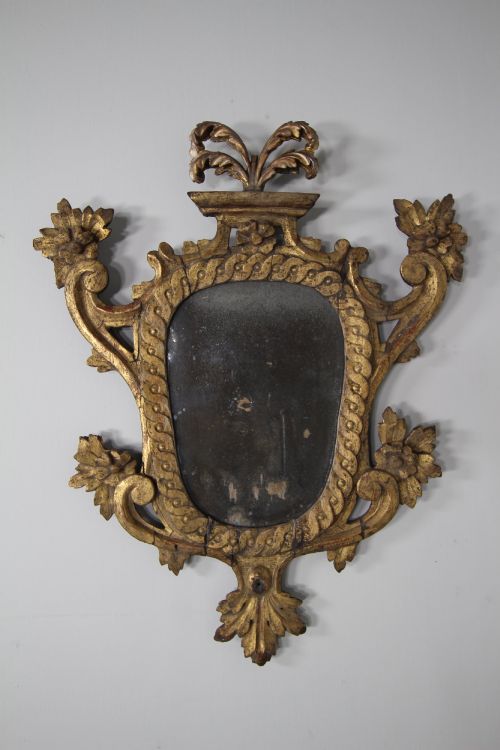

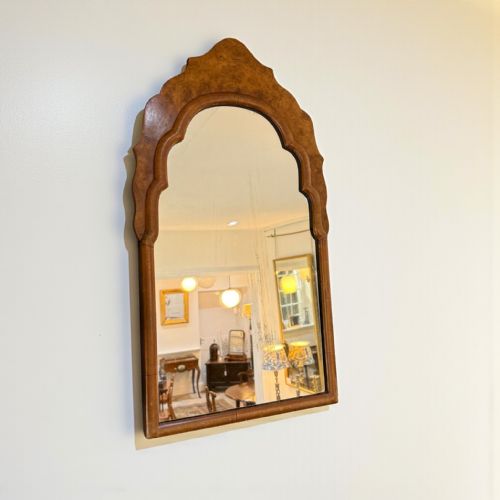
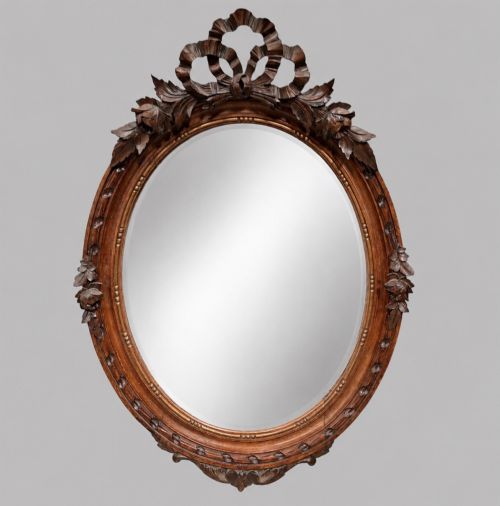
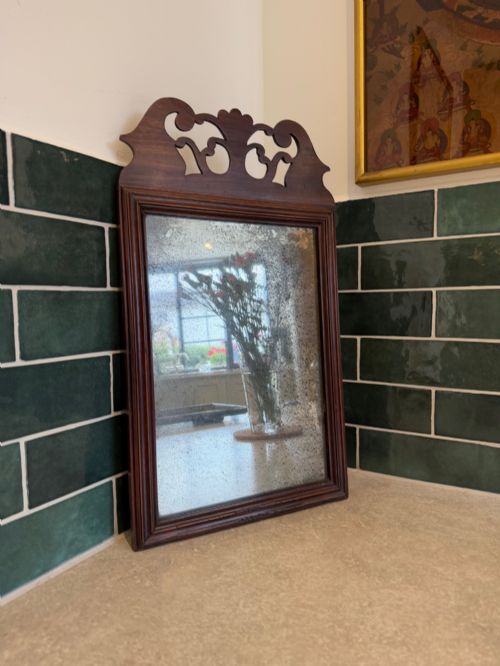

Antique Wooden Looking Glass
An antique wooden looking glass brings warmth and depth to a room through centuries of timber frames and historic glass.
Antique Wooden Looking Glass
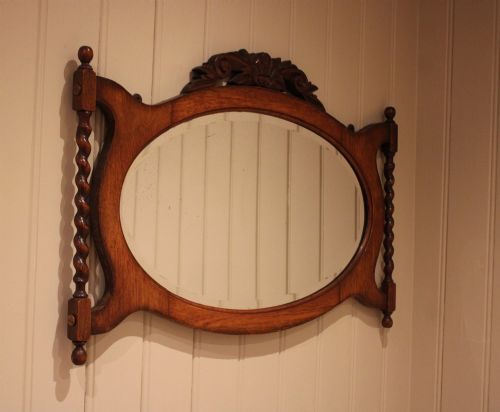
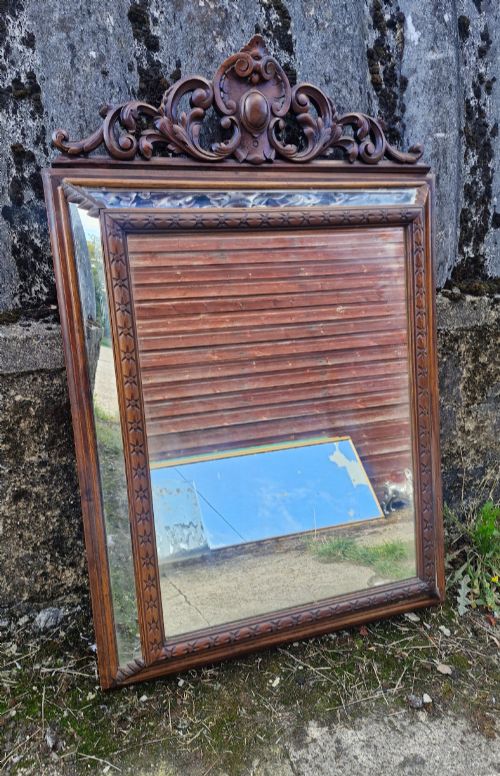
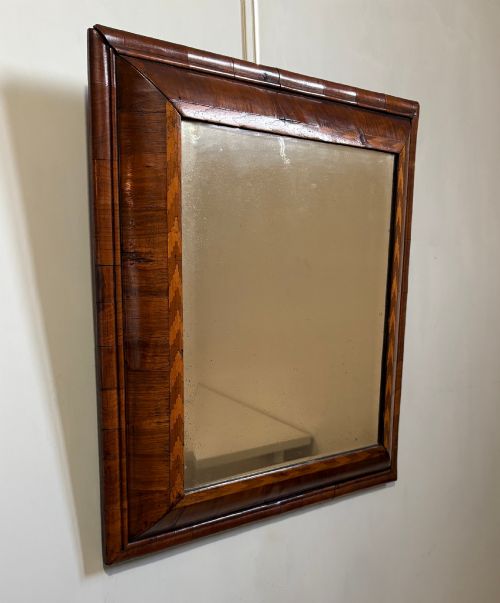
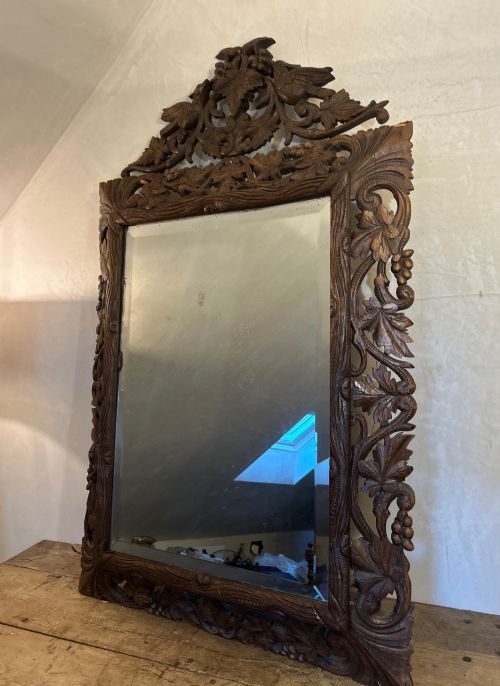
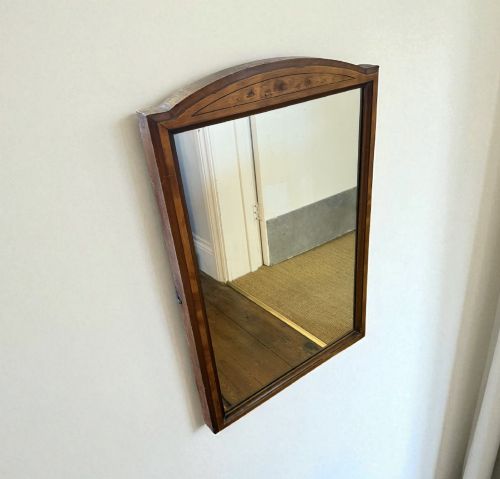
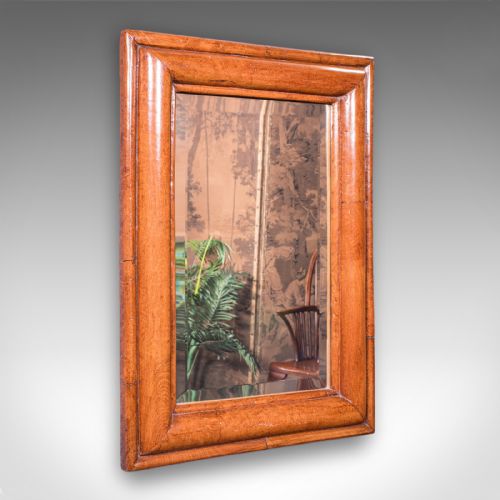
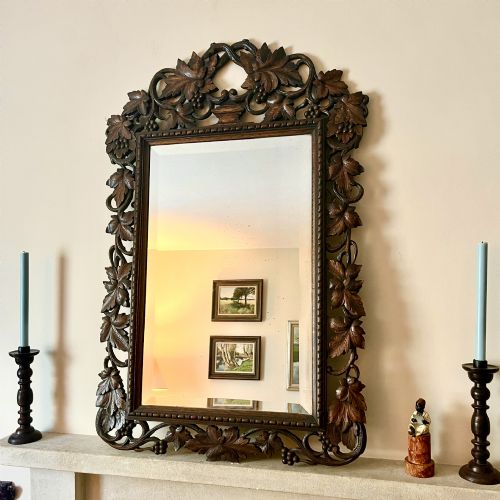
When you search for an antique wooden looking glass, you are looking at wall mirrors framed in timbers such as oak, mahogany, walnut, and rosewood. These pieces range from compact Georgian fretwork designs to large Victorian and Edwardian wall mirrors.
The versions you will most frequently meet on this page date from the eighteenth century through to the early twentieth century. They include styles influenced by Georgian cabinetmakers, Regency elegance, and Victorian carving traditions.
Most items function as wall-hung mirrors designed for reception rooms, hallways, and living spaces. Their timber frames showcase period joinery and decorative carving appropriate to their era of origin.
How they were made
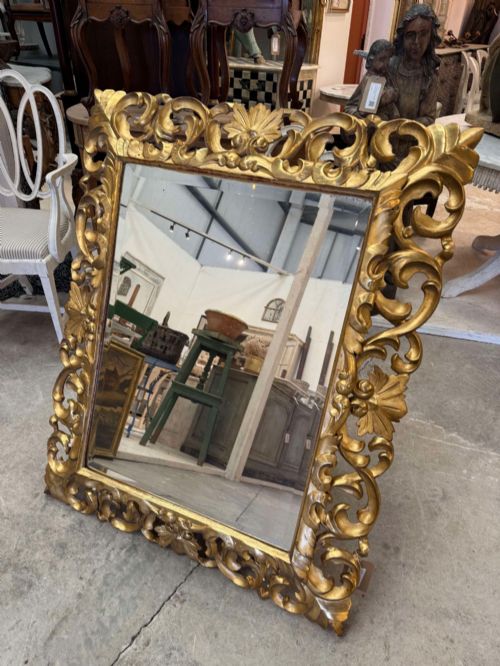
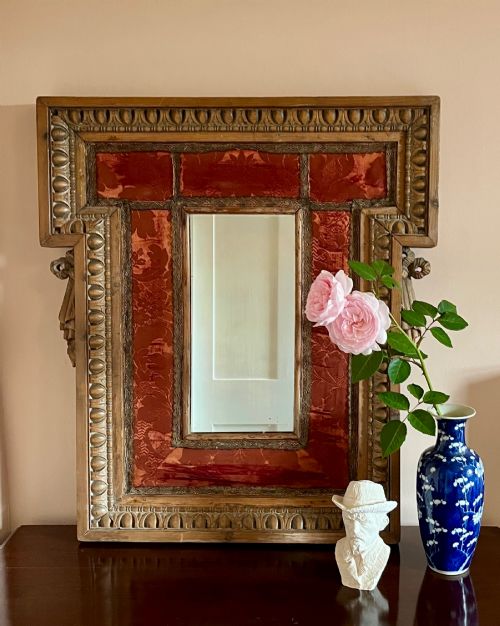
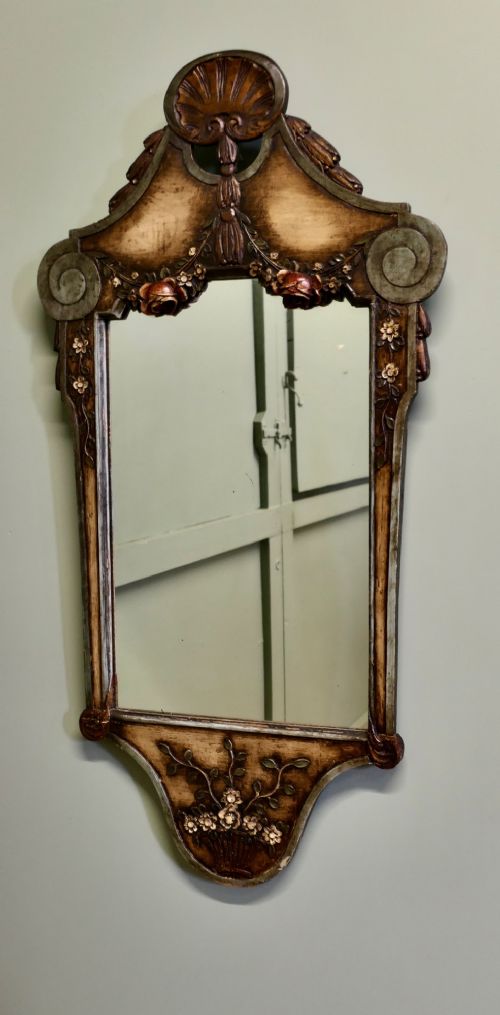
Makers constructed these frames using solid hardwoods like oak and mahogany, often applying walnut veneers or intricate giltwood details to enrich the surface. Joinery techniques varied from simple corner mitres to complex fretwork jigsaw patterns.
Mirror plates were set into the timber rebates, sometimes accompanied by a gilt slip or wooden moulding to secure the glass. Carved elements were hand-modelled directly into the wood or applied as separate decorative ornaments.
Antique Wooden Looking Glass Retail Price Guide 2026
Typical asking prices for wooden looking glass among the pieces listed under this phrase on Sellingantiques today, from the lower quarter to the upper quarter. They describe what is for sale here now, not the wider market.
The listings feature mirrors spanning from the eighteenth century to the early twentieth century, constructed in oak, walnut, mahogany, and giltwood.
What varies in quality
The quality of an antique wooden looking glass rests on the crispness of the timber carving and the selection of figured veneers. Finer pieces display carefully chosen grain patterns in walnut or mahogany rather than plain timber boards.
The depth and complexity of the fretwork or moulding separate standard production from superior craftsmanship. Original mirror plates with appropriate foxing and silvering also contribute to the integrity of the piece.
The Antique Wooden Looking Glass Glossary
- Fretwork
- woodwork cut into decorative patterns using a fretsaw. This technique defines many eighteenth-century and revival wall mirrors.
- Giltwood
- timber covered with a thin layer of gold leaf or gesso and gold paint. It frequently highlights carved details on walnut and mahogany frames.
- Vauxhall mirror
- an early mirror plate named after the London glasshouse. These plates often feature bevelled edges and a thicker glass substance.
- Gilt slip
- a narrow inner frame finished in gold leaf that sits between the mirror plate and the outer wood moulding. It provides visual contrast in Georgian designs.
- Overmantle mirror
- a wide looking glass designed to hang above a fireplace mantel. These pieces often combine mahogany veneers and gilt decoration.
Antique Wooden Looking Glass: Frequently Asked Questions
How do I date a wooden mirror?
Dating relies on timber choice, construction methods, and the style of the carving. Eighteenth-century pieces often use walnut and mahogany with fine fretwork, while later Victorian and Edwardian examples lean towards heavy carved oak.
Examine the backboards and fixings for age indicators. Hand-sawn boards and older screws or fixings help confirm the period of manufacture.
Can these mirrors hang safely on modern walls?
Most antique wooden looking glass frames are heavy due to solid timber construction and thick glass plates. Proper wall anchors and mirror brackets suited to the weight of the frame are essential.
Check the integrity of the hanging loops on the back before installation. Professional picture hangers provide the best support for heavier pieces.
Are the mirror plates original?
Many mirrors retain their original glass, which often shows signs of age such as oxidation, light scratching, or dark spots known as foxing. These natural imperfections confirm the antiquity of the glass.
Some pieces have replacement mirror plates fitted later in their history. Clear, unblemished glass in an eighteenth-century frame often indicates a later replacement.
How do I care for the wood and glass?
Dust the timber frame regularly with a dry, soft cloth and avoid modern aerosol polishes that leave residues. Wax can be applied sparingly to unsealed hardwoods to maintain the finish.
Clean the mirror plate using a cloth sprayed lightly with glass cleaner, taking care not to let moisture seep behind the frame edge where it can damage the silvering.