

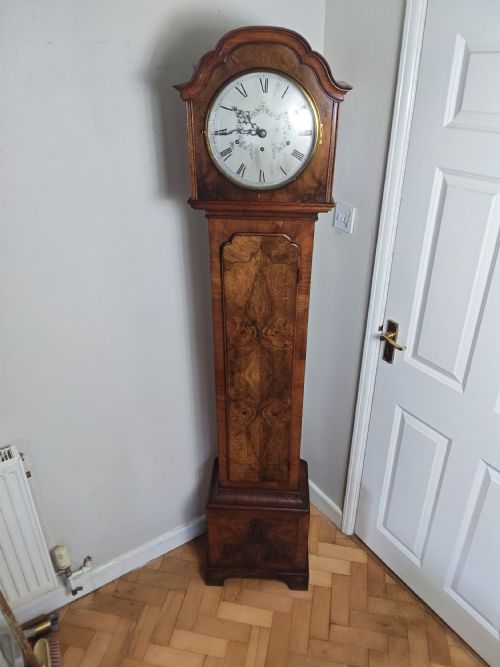
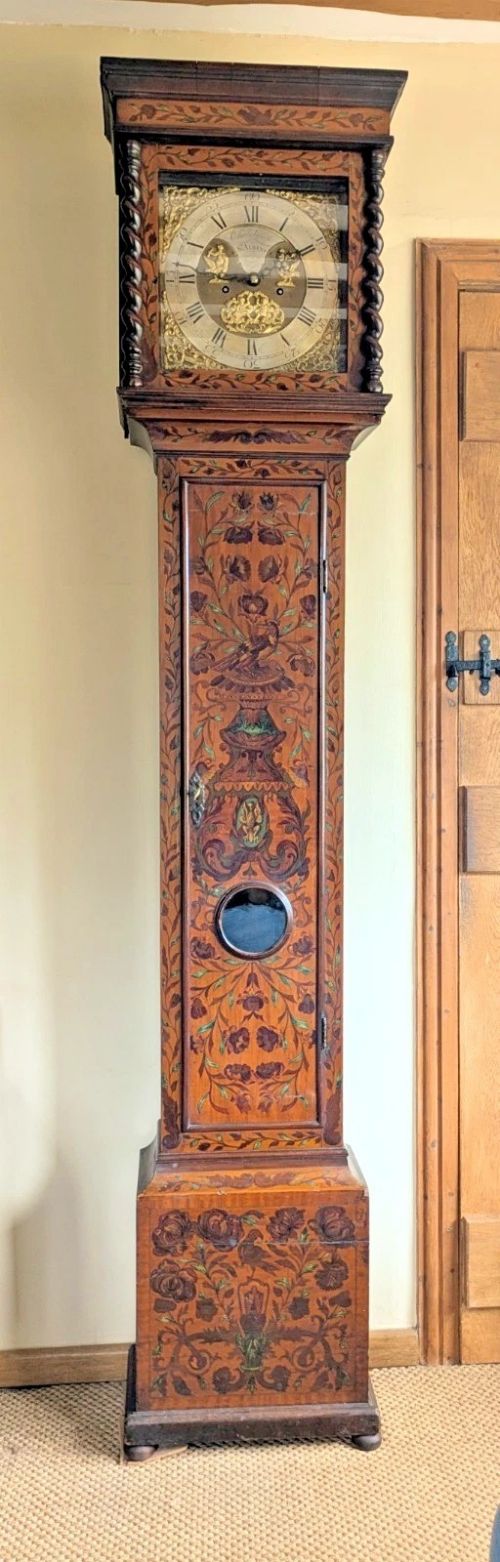
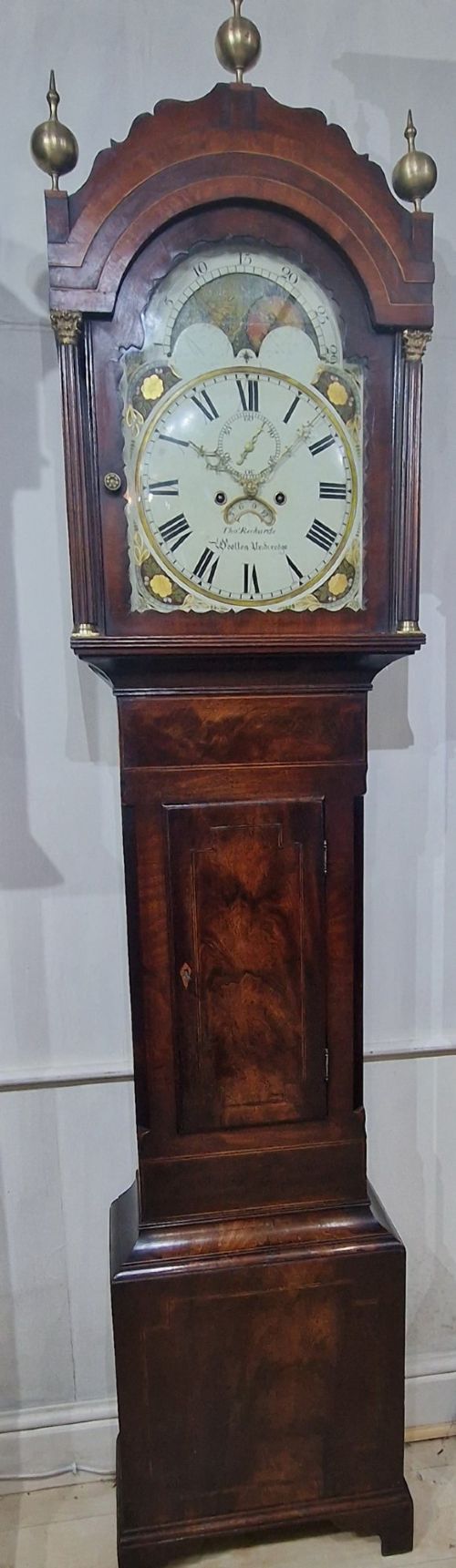
Antique Wooden Grandfather Clock
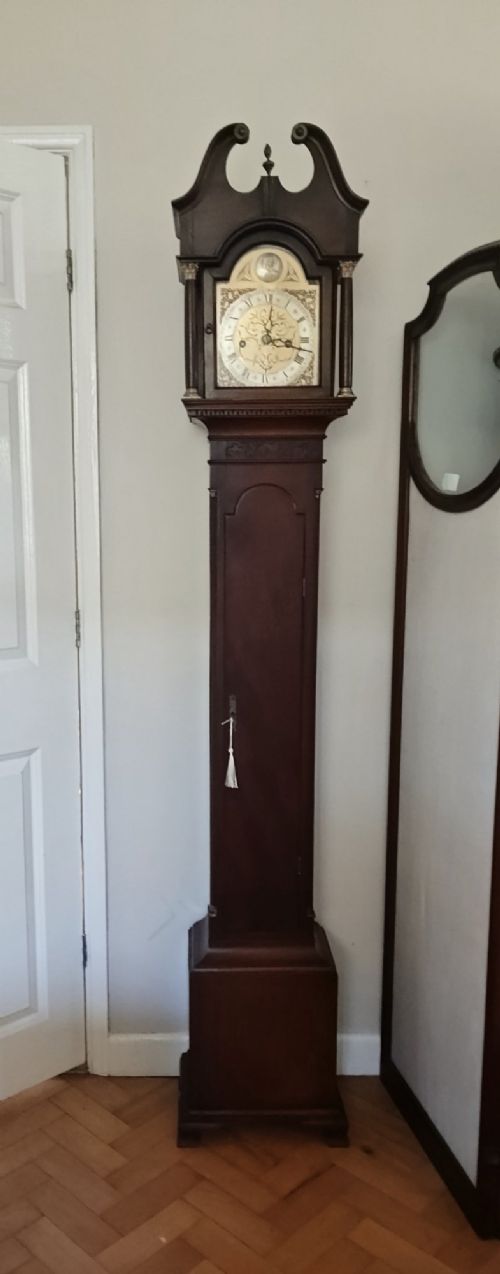
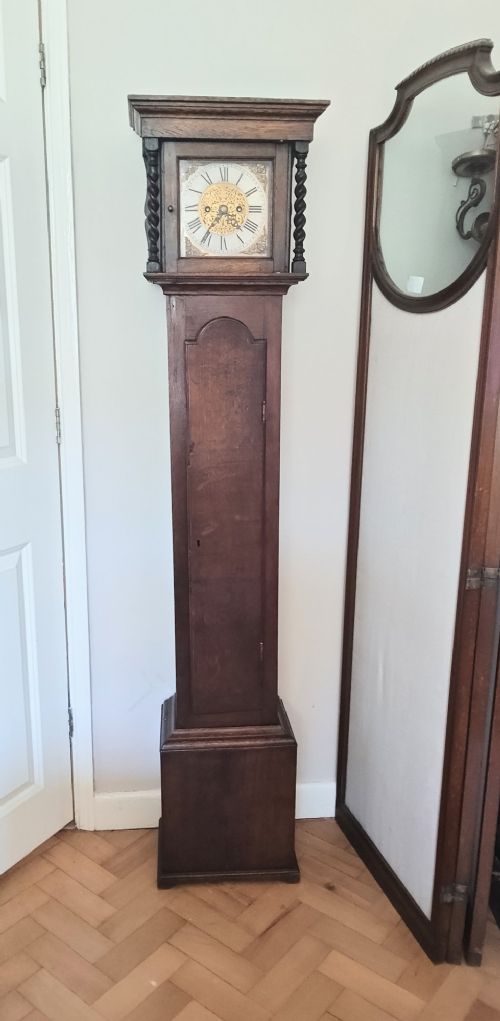
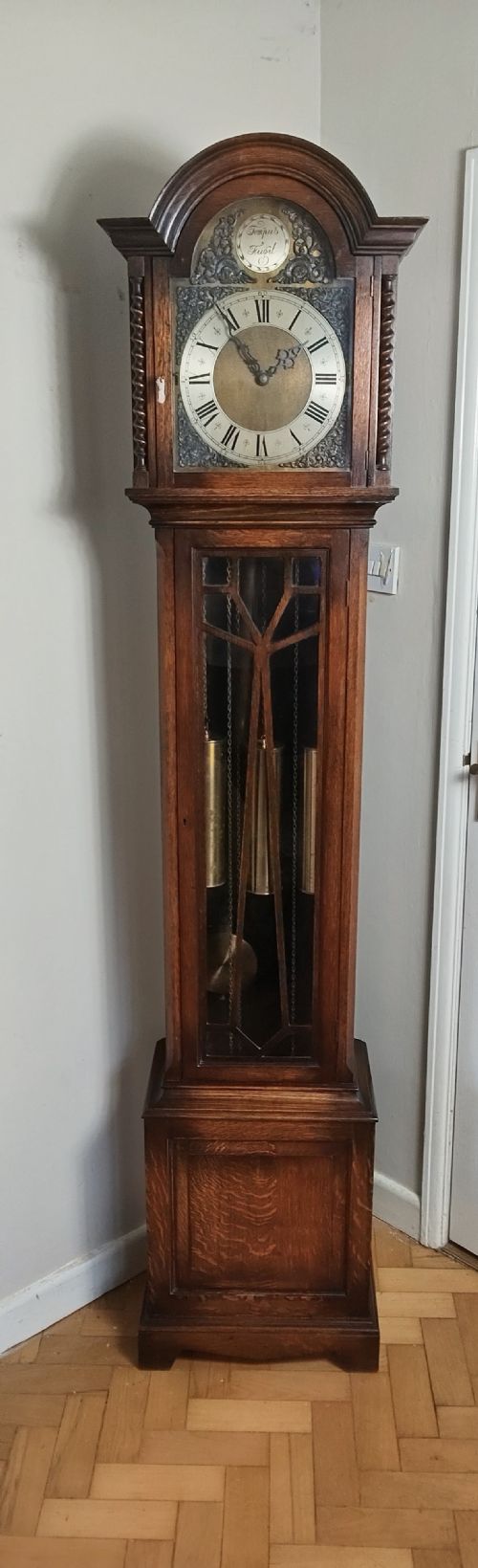
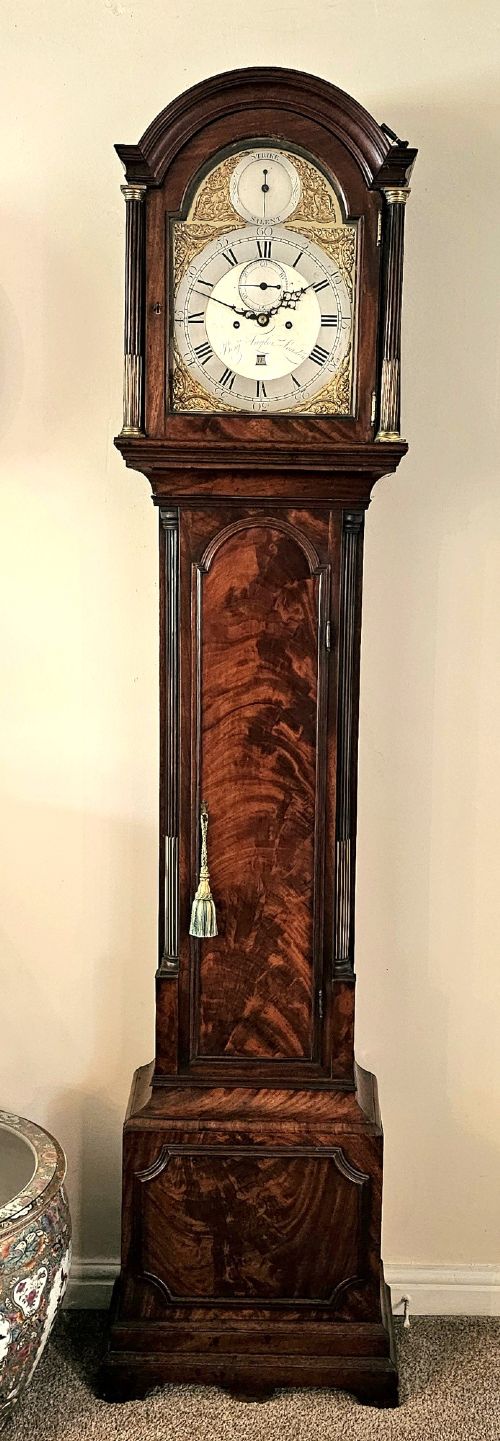
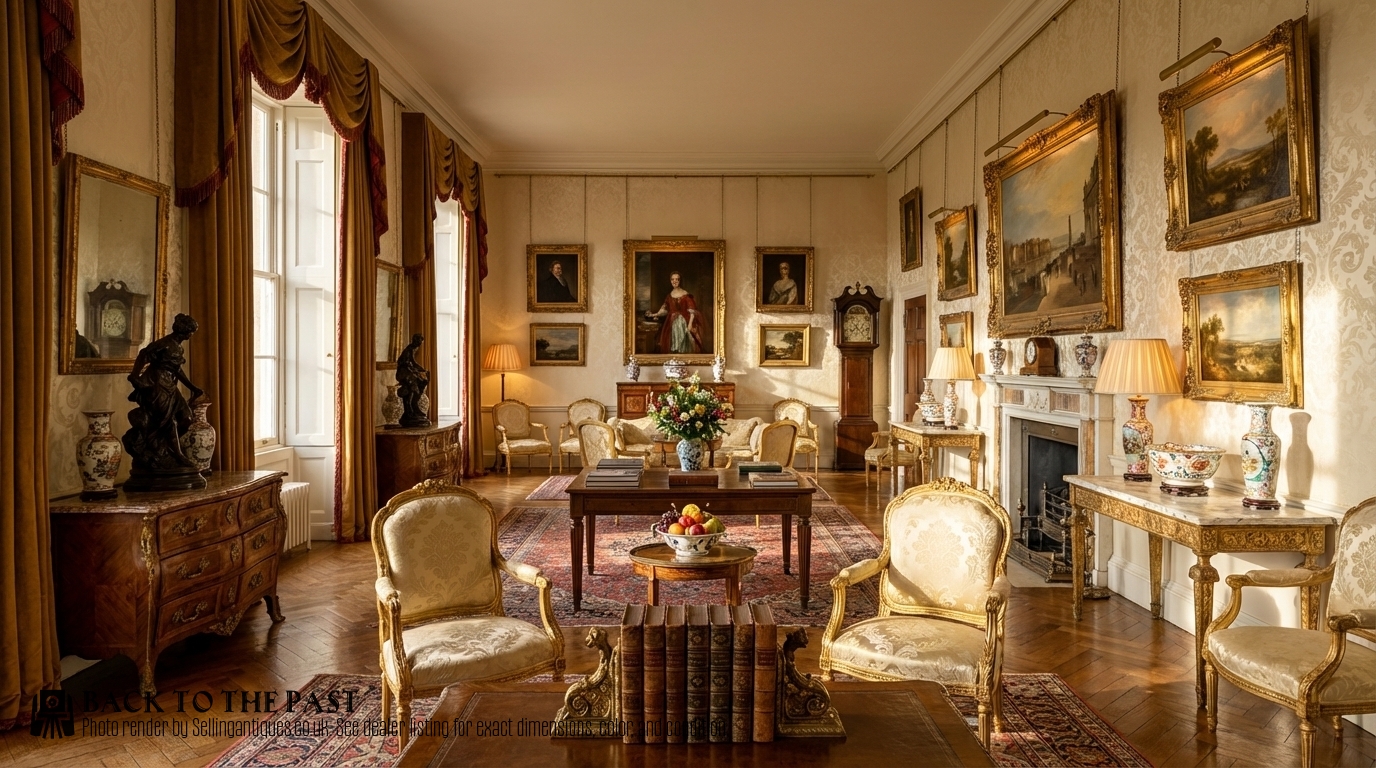
An antique wooden grandfather clock stands tall in a hall, housing a brass movement that measures the hours in timber grown centuries ago.
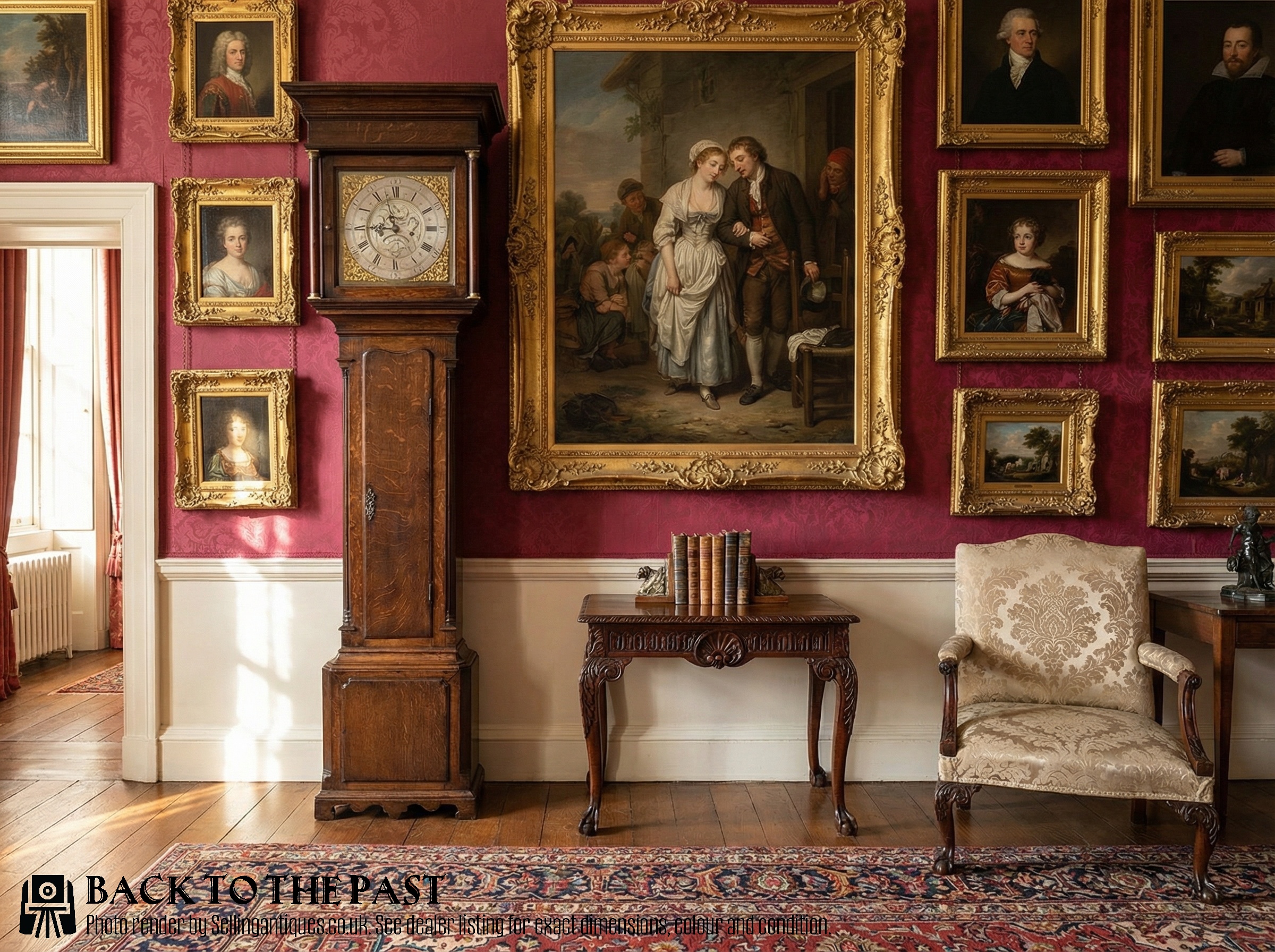
Antique Wooden Grandfather Clock
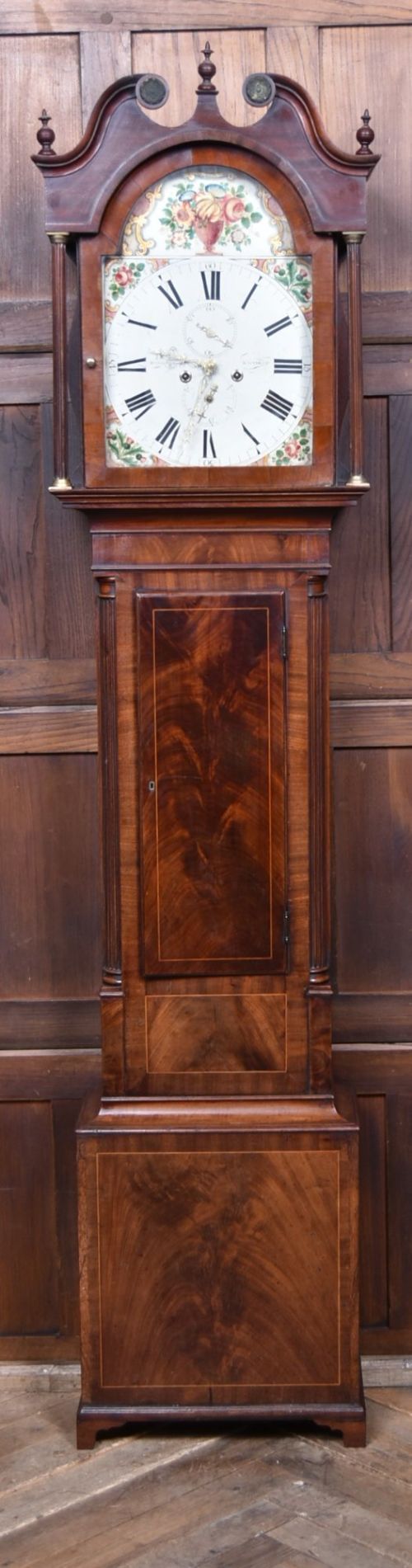
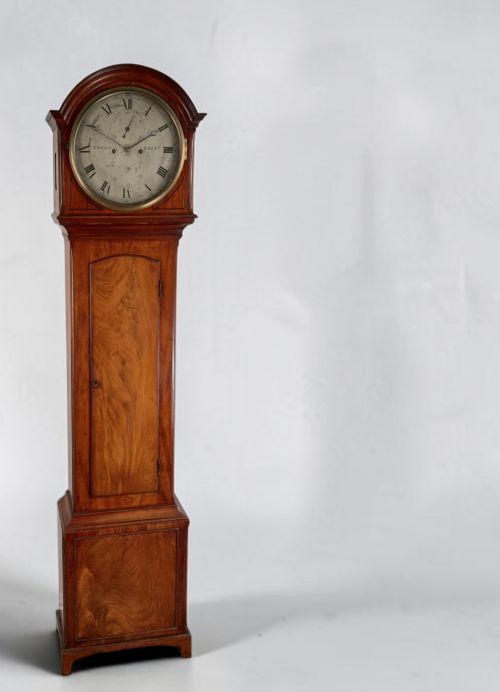
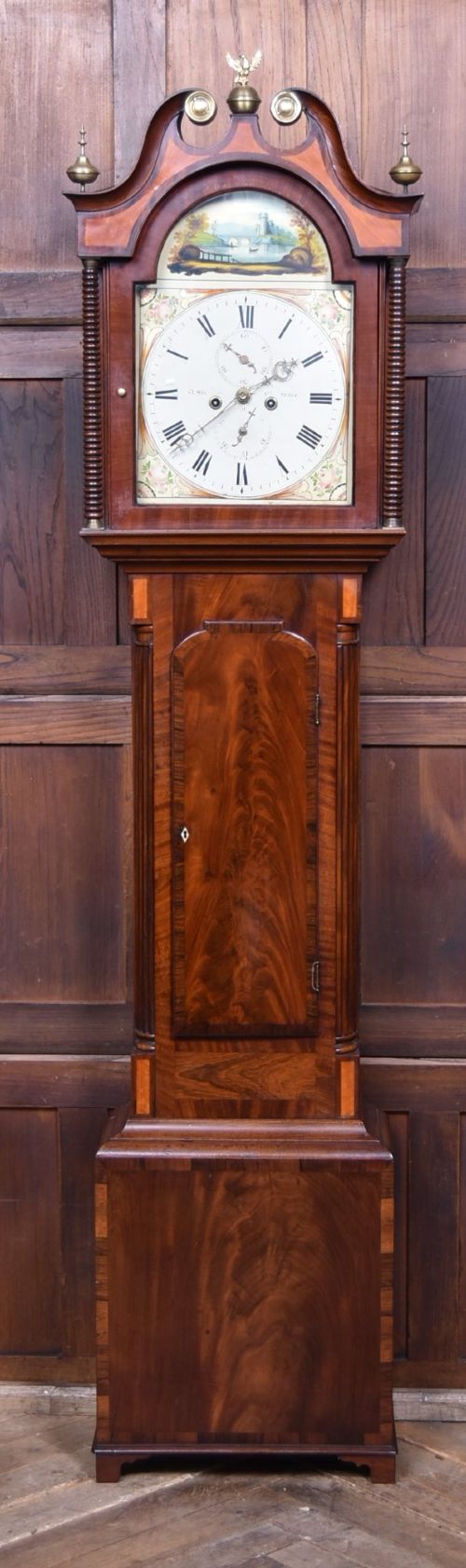
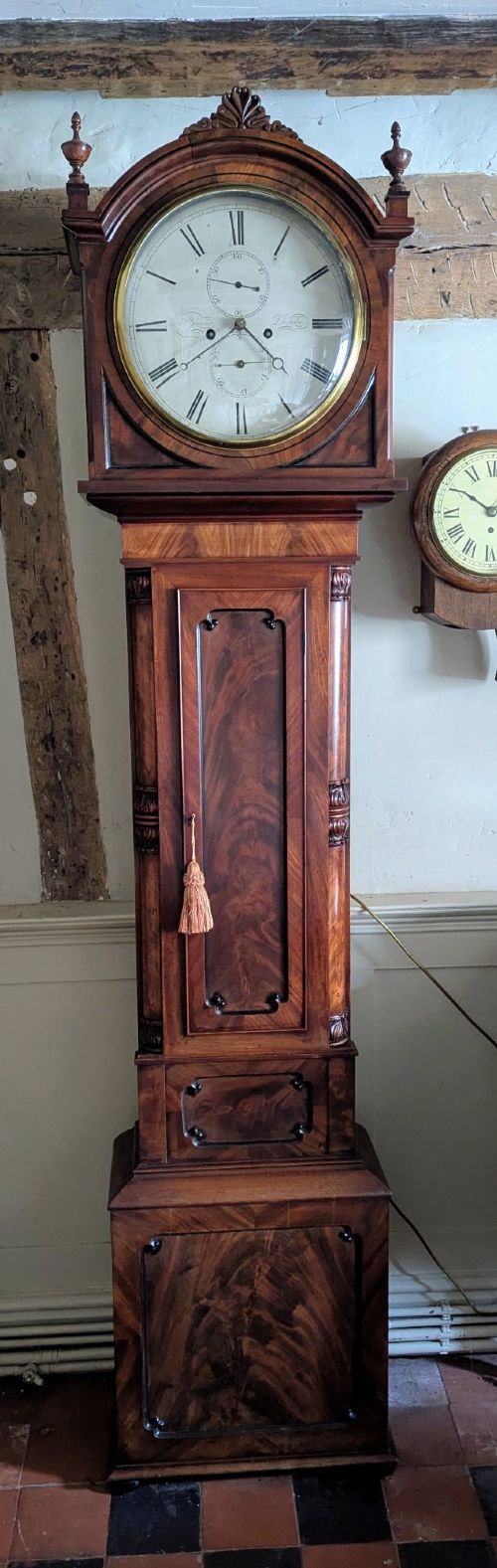
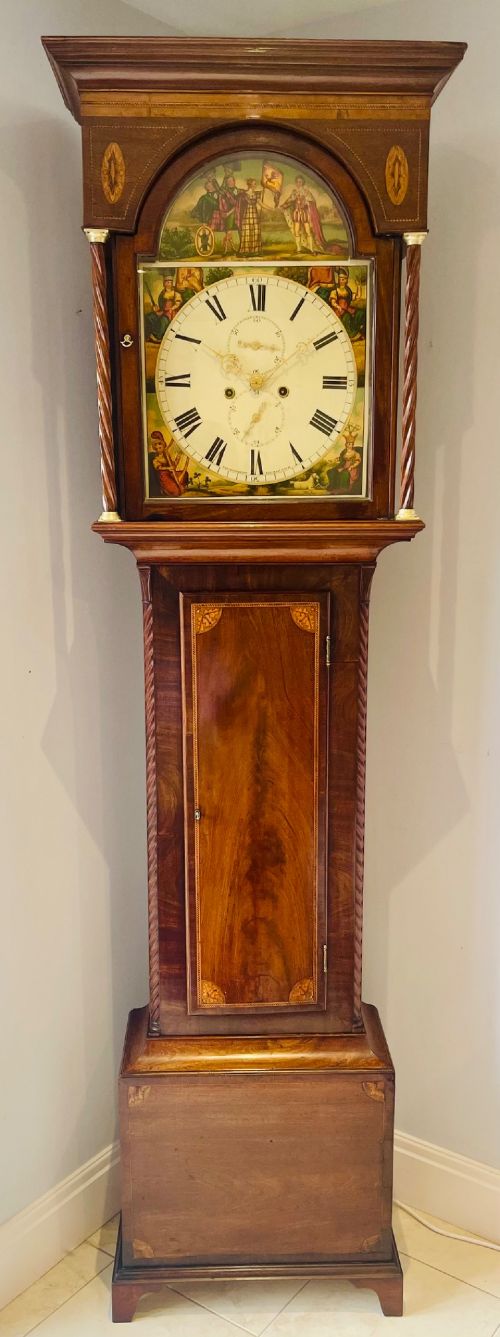
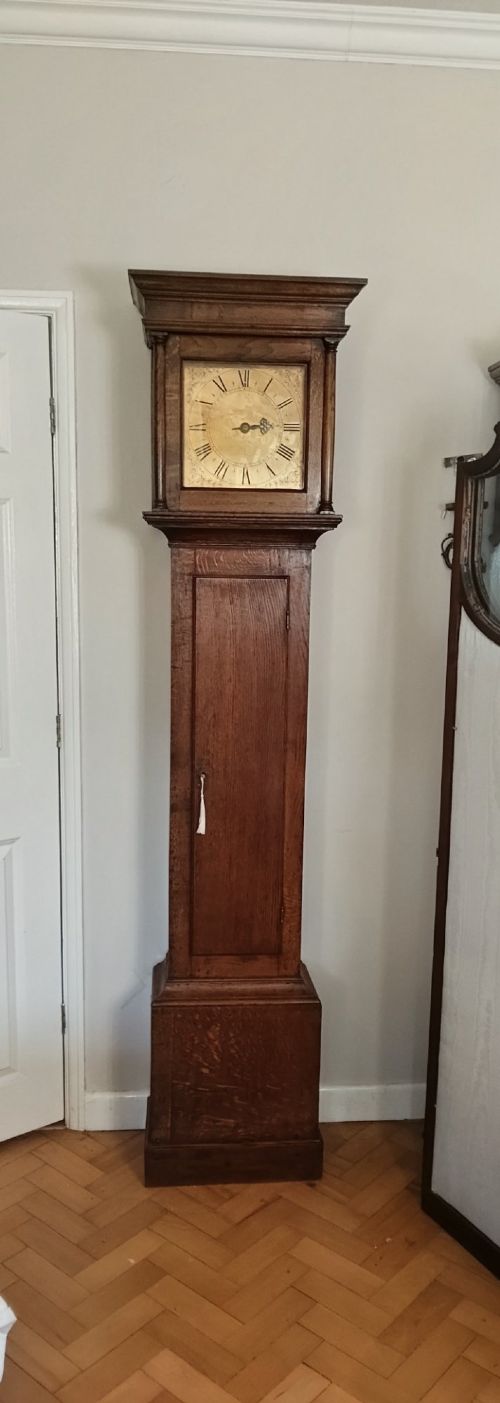
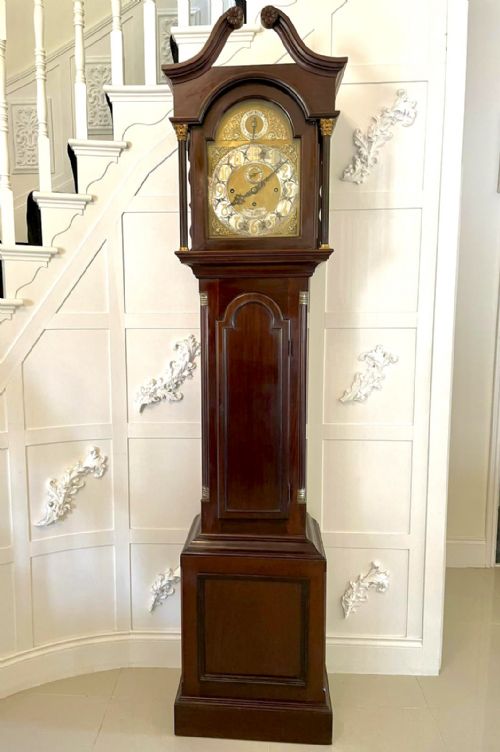
An antique wooden grandfather clock, also known as a longcase clock, combines cabinetmaking with mechanical timekeeping. These tall horological pieces house brass clockworks within upright wooden enclosures designed to stand directly on the floor.
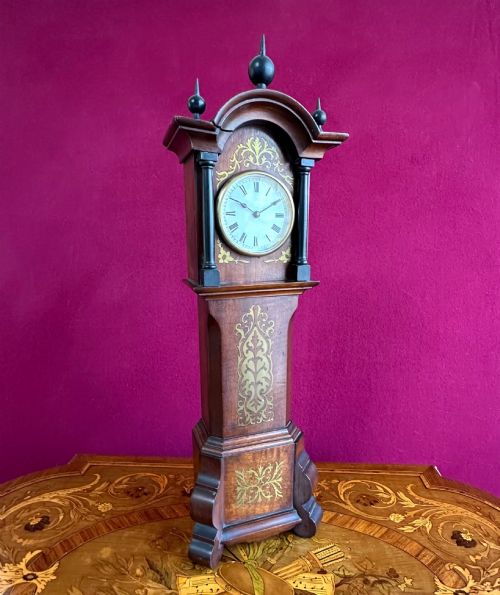
The pieces appearing here span several eras, predominantly featuring Georgian and 19th Century examples alongside Victorian, Edwardian and earlier periods. Cabinetmakers constructed these tall cases in regional workshops across Britain, producing both grand full-size clocks and smaller scaled variants.
Makers utilised timber such as oak, mahogany, walnut and flame mahogany to build the protective trunks and hoods. Dial faces frequently combine brass, glass, enamel and painted iron to display the hours and minutes.

What varies in quality
The refinement of the cabinetwork distinguishes standard regional pieces from superior metropolitan examples. Crispness in carved mouldings, balanced proportions across the trunk and hood, and carefully figured timber veneers denote skilled workshop production.
Movement complexity further divides the range, moving from simple time-only mechanisms to eight-day movements with musical chimes, bell striking or moon phase dials. The legibility and artistry of the dial face reflect the proficiency of the individual clockmaker.
Antique Wooden Grandfather Clock Retail Price Guide 2026
Typical asking prices for wooden grandfather clock among the pieces listed under this phrase on Sellingantiques today, from the lower quarter to the upper quarter. They describe what is for sale here now, not the wider market.
Listings feature regional Scottish and English longcase clocks spanning the 18th, 19th and early 20th centuries, constructed in oak, mahogany and walnut.
Hendrie Ogg·Green of Edinburgh·D. Straiton·Tait Peebles·Winsor Bishop Norwich·Benjamin Taylor·Charles Louch·Edward Upjohn·Benjamin Peers
The Antique Wooden Grandfather Clock Glossary
- Longcase clock
- The formal horological term for a tall pendulum clock housed in a wooden floor-standing case. These tall enclosures protect the weights and pendulum from drafts and dust.
- Grandmother clock
- A smaller, more slender variant of the longcase clock produced mainly during the 20th century. They share the mechanics of their larger predecessors but occupy less floor space.
- Marquetry
- Decorative veneer work formed by fitting pieces of different coloured wood into a background design. Craftsmen utilised this technique on 18th-century cases to create floral or geometric patterns.
- Crossbanding
- A border of veneer laid around the edge of a panel with the wood grain running perpendicular to the central panel. This technique frames drawer fronts and trunk doors on Georgian cabinetry.
Antique Wooden Grandfather Clock: Frequently Asked Questions
What is the difference between a grandfather and a grandmother clock?
A grandfather clock typically stands over six feet tall with substantial proportions to accommodate long weights and a slow-beating pendulum. A grandmother clock is a scaled-down version appearing in later periods, designed with a slender frame and shorter stature.
Despite the difference in scale, both types rely on comparable brass movement mechanics to drive the hands and chime the hours. The smaller variants suit domestic rooms with lower ceilings where a standard longcase might overwhelm the space.
How do eight-day movements differ from thirty-hour movements?
An eight-day movement requires winding approximately once a week via two or three hanging weights suspended inside the trunk. These mechanisms utilise complex gear trains to drive the timekeeping hands and often power striking or chiming trains.
Thirty-hour movements require winding more frequently and generally utilise simpler internal mechanics. Collectors often encounter thirty-hour clocks in earlier oak regional pieces from the 18th century.
Where should I place a longcase clock in my home?
Longcase clocks require stable, level flooring to ensure the pendulum swings evenly and the escapement ticks in a steady beat. Placing them away from direct sunlight and heat sources protects the timber case from drying out or warping.
Halls, landings and principal rooms provide traditional settings where the height of the case and the sound of the chime can be appreciated. Securing the tall trunk to a wall using appropriate brackets prevents accidental toppling.
How can I tell the period of a wooden grandfather clock?
The architectural style of the hood, the choice of timber and the construction methods of the case offer clear clues to the date of manufacture. Earlier 18th-century examples frequently feature rich oak or walnut veneers with square dial hoods, whilst later Georgian and Victorian pieces often showcase figured mahogany.
Dial construction also evolves from square brass plates with separate chapter rings to arched painted iron faces. Examining the internal movement alongside the cabinet design helps narrow down the decade of production.