

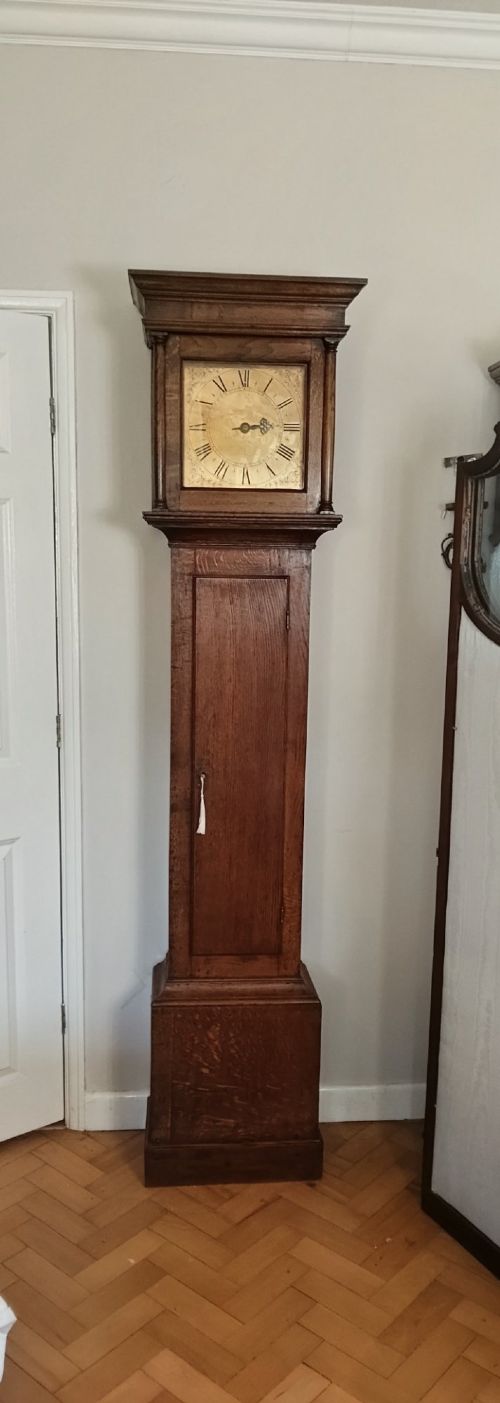
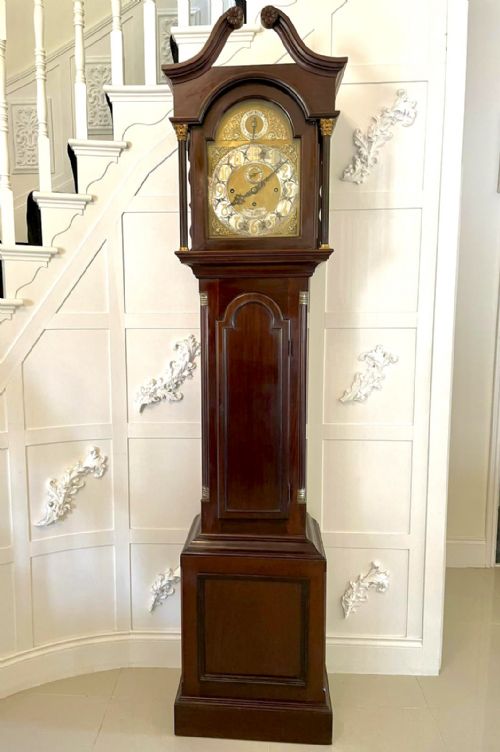
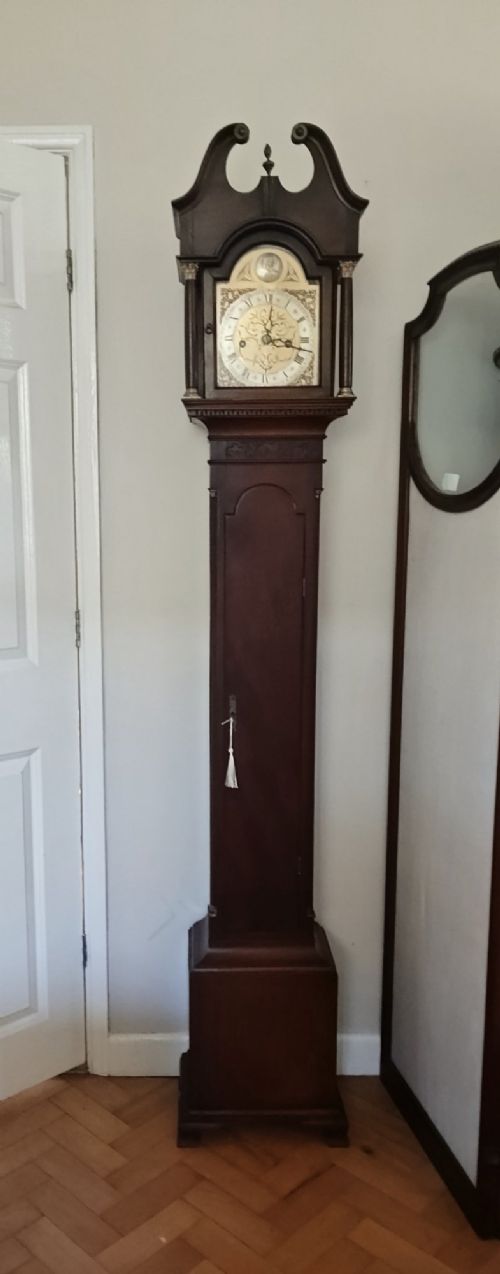
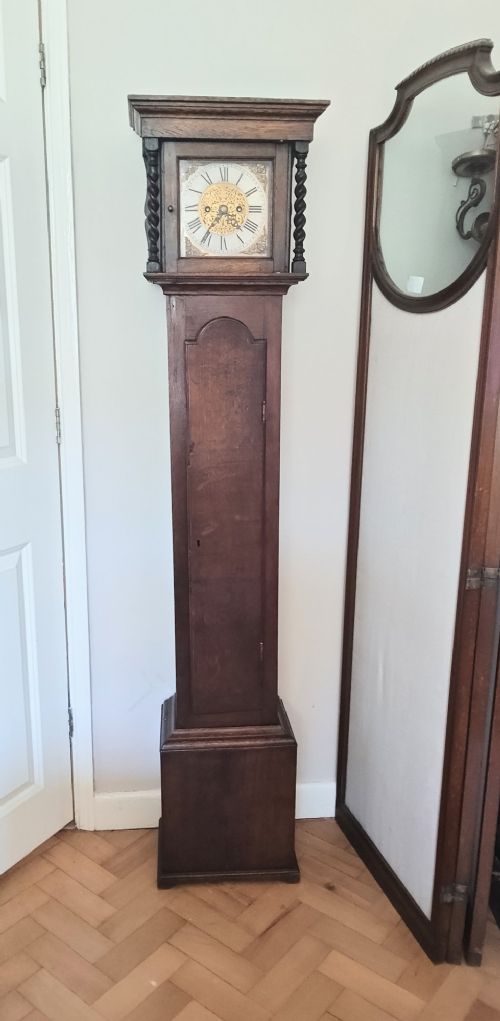

Antique Wooden Floor Clock
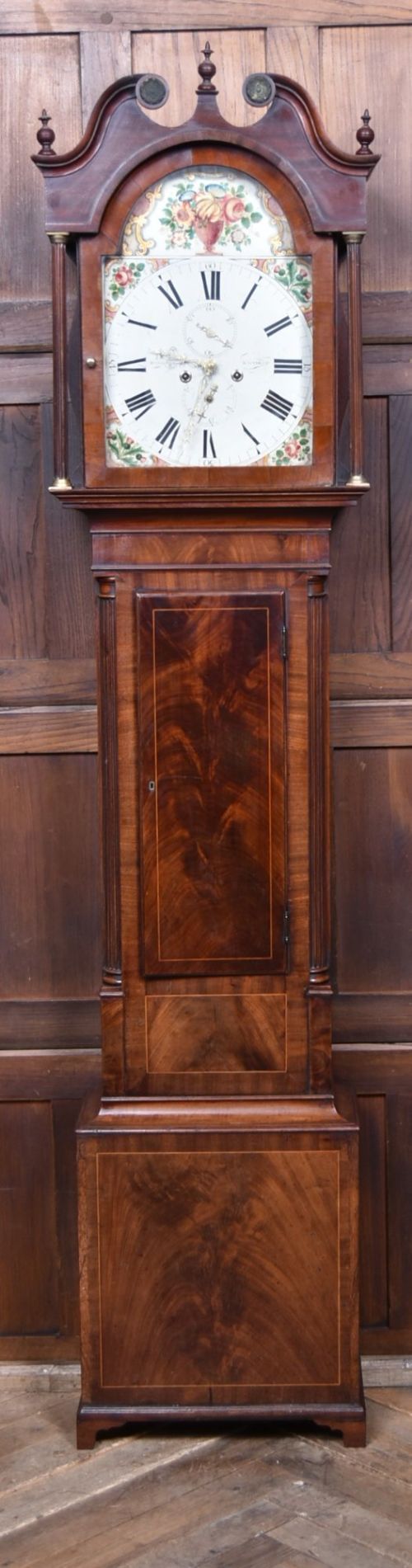
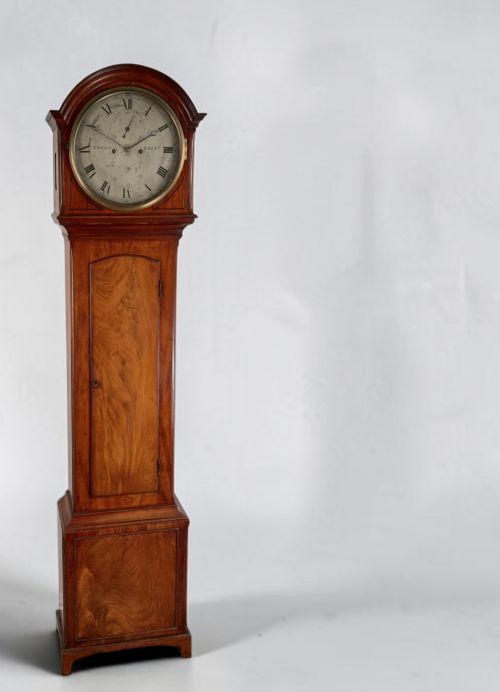
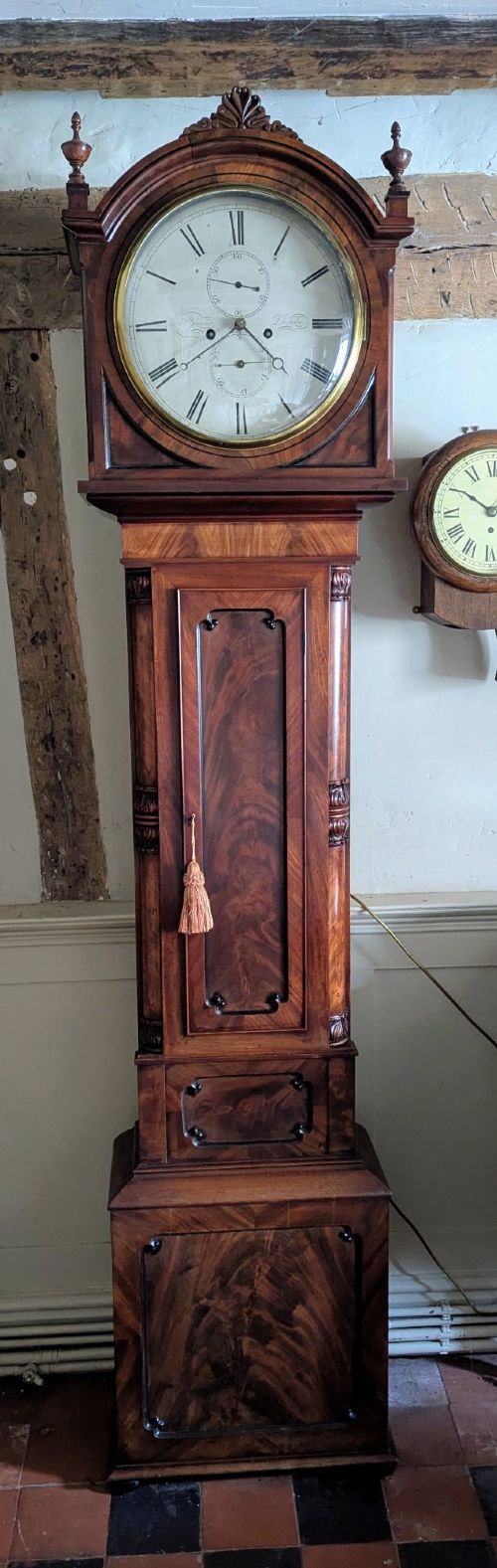
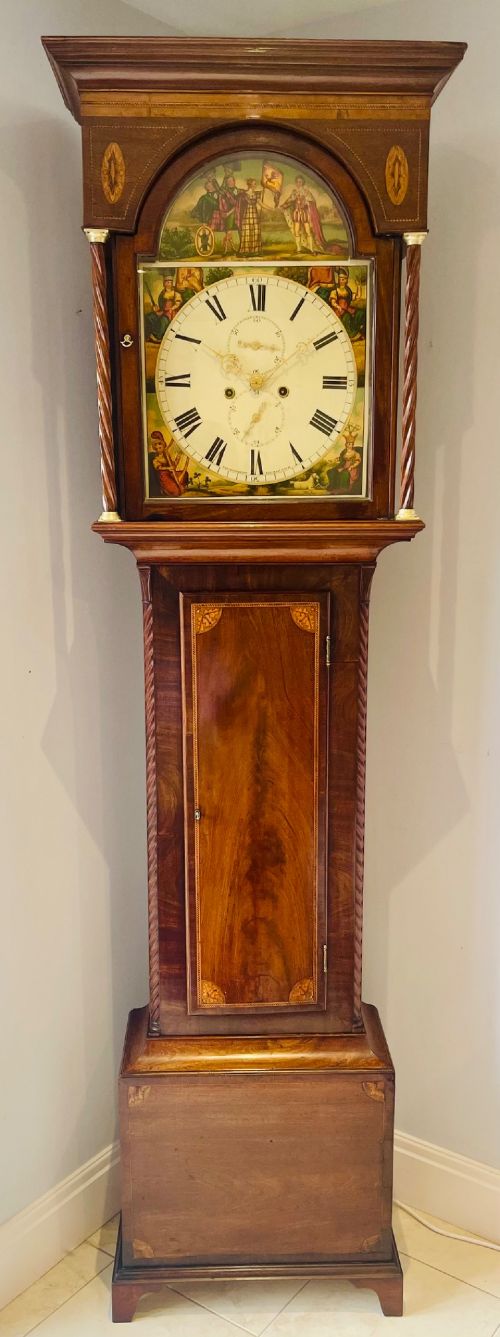
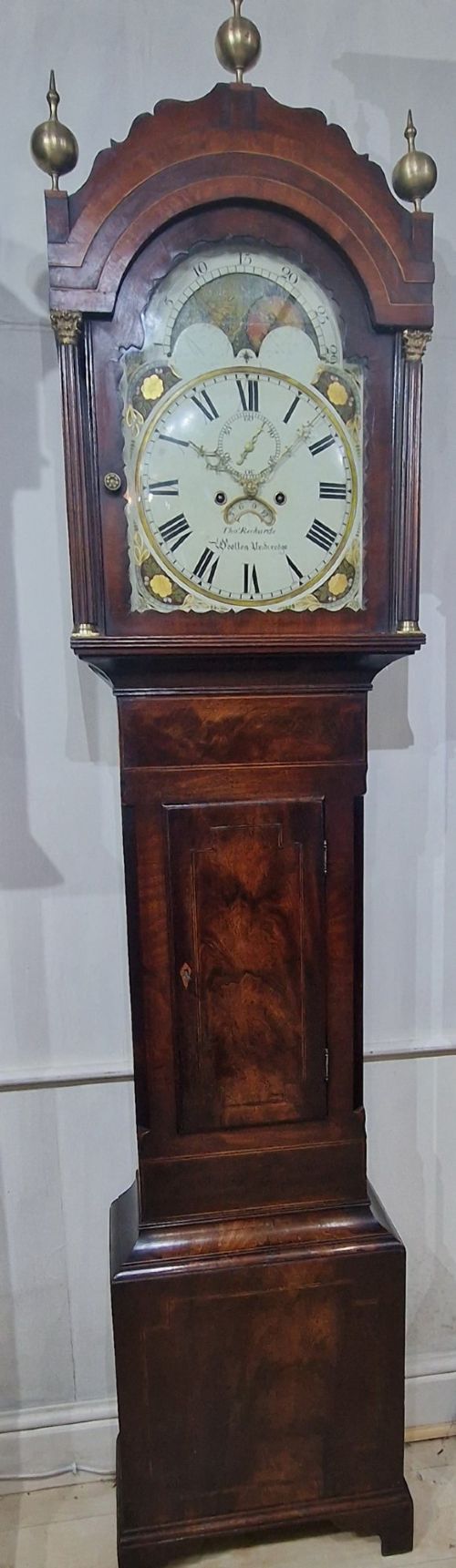
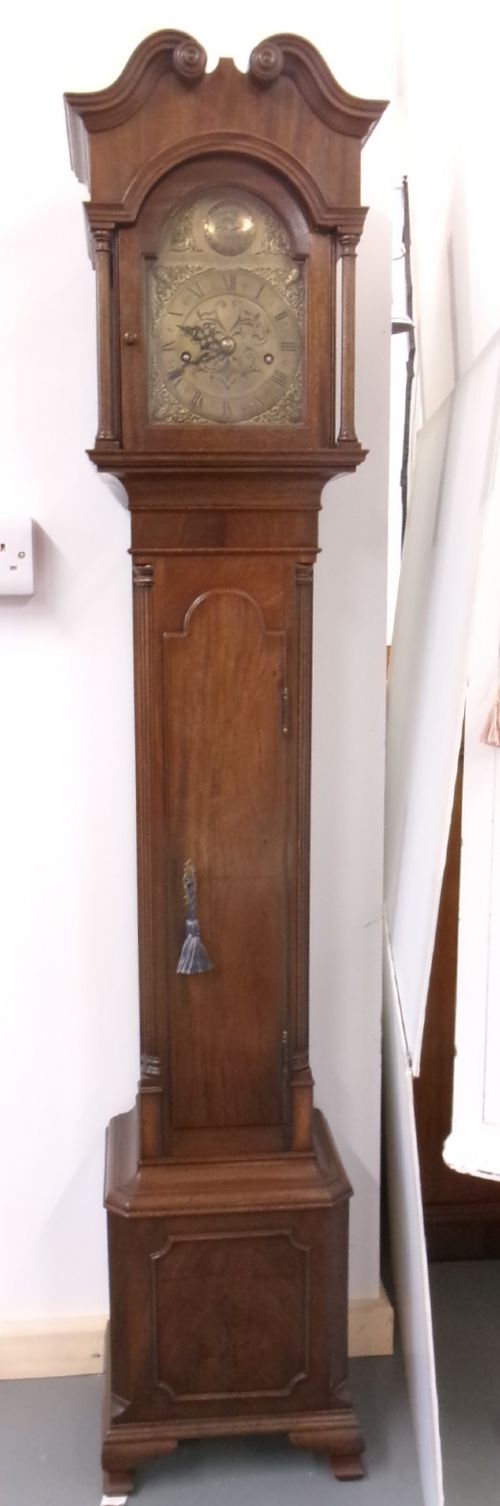
An antique wooden floor clock brings mechanical rhythm and timber grain into a room, spanning Georgian proportions to Edwardian scaled-down cases.

Antique Wooden Floor Clock
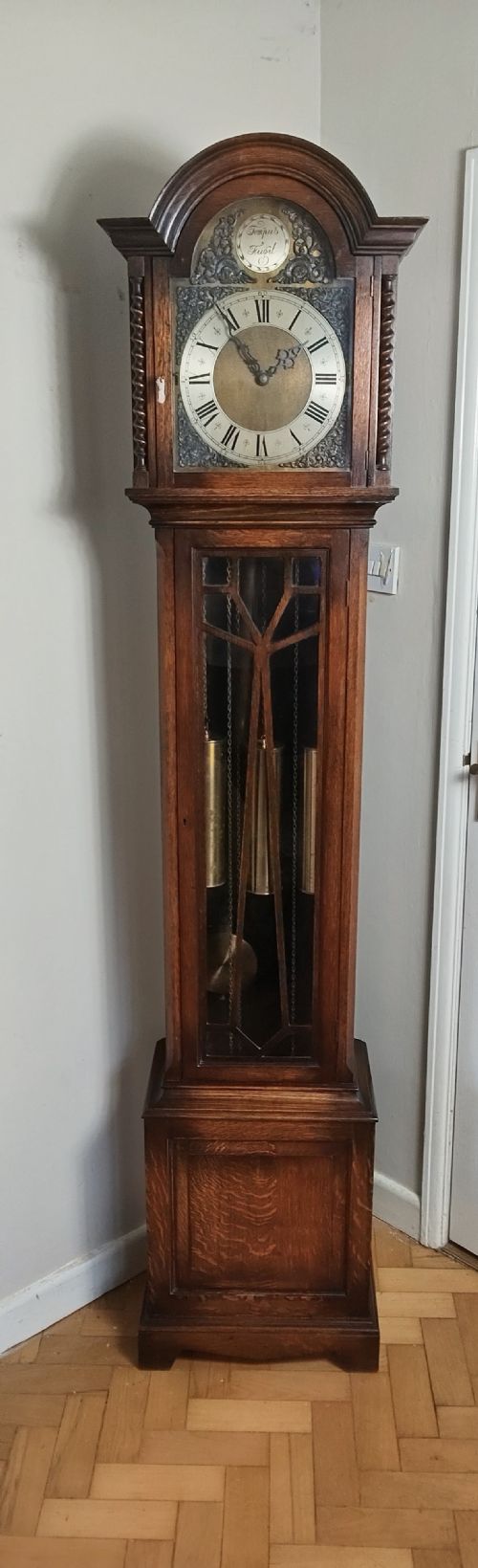
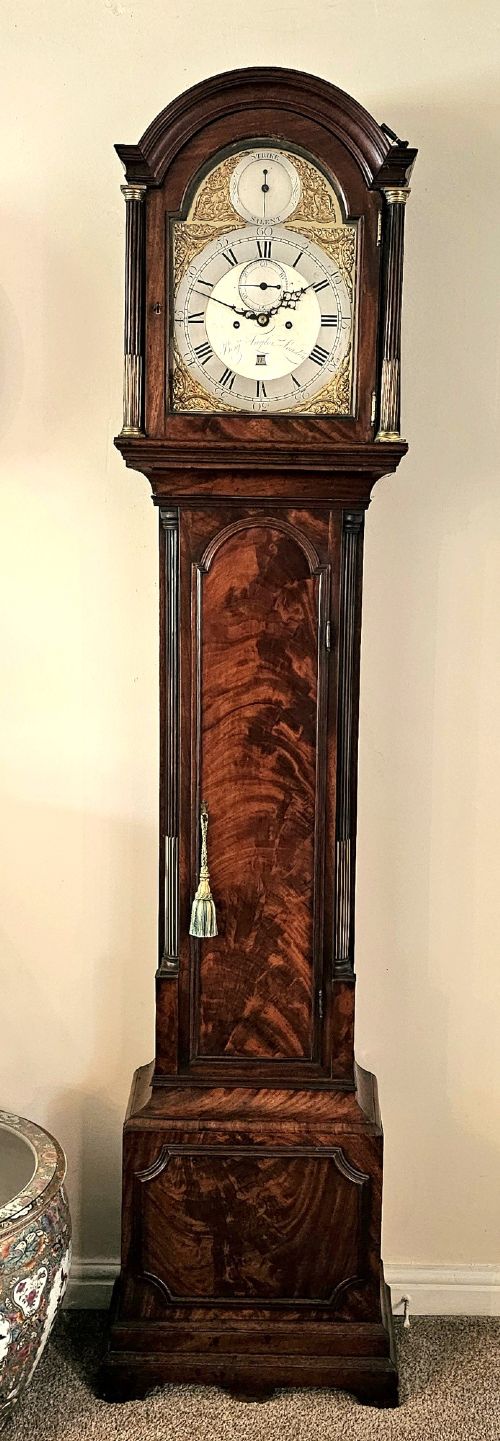
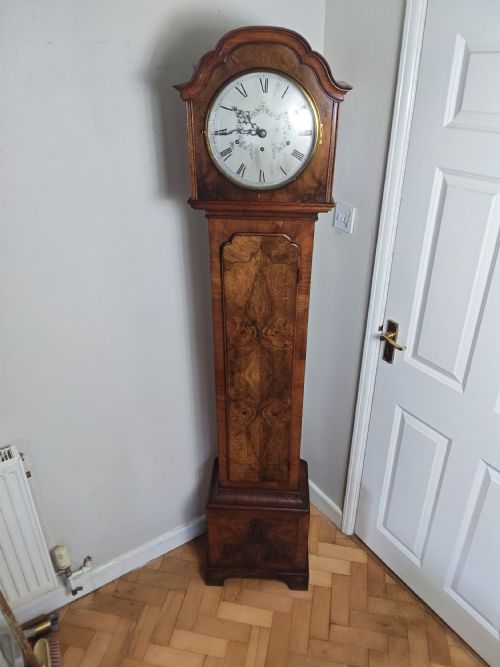
When you search for an antique wooden floor clock, you encounter tall case timepieces known variously as longcase clocks, grandfather clocks, and smaller grandmother or granddaughter variants. These pieces span the Georgian, Victorian, and Edwardian periods, stretching from the eighteenth century into the early twentieth century.
Dial sizes and case proportions vary to suit different domestic settings, from substantial ten-inch dial oak clocks to slender mahogany designs. Styles extend through traditional Georgian vernacular to William and Mary, Queen Anne, and Louis XV revivals.
Materials and construction methods
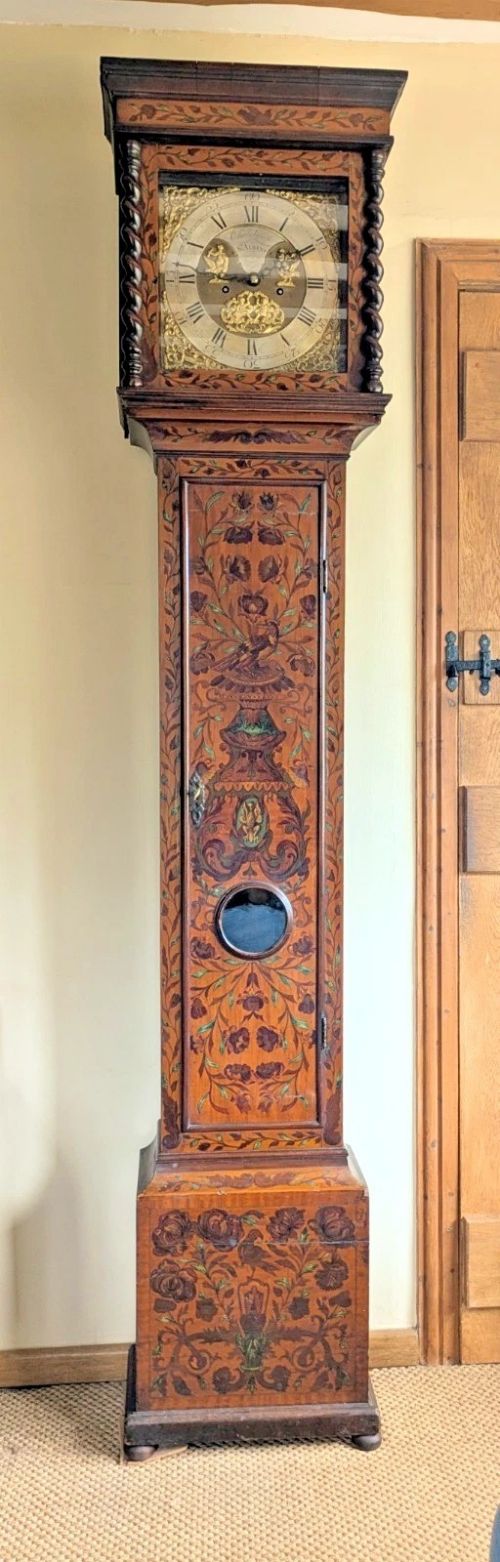
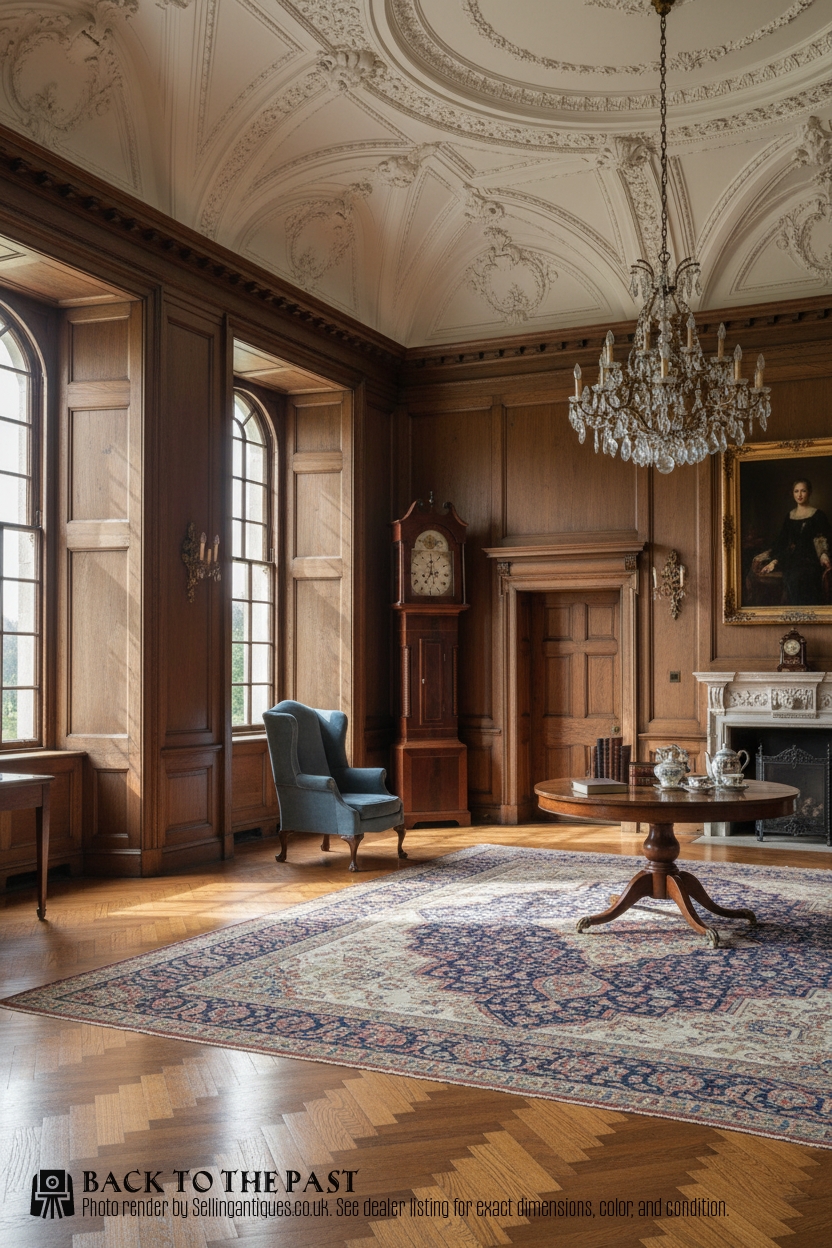
Cabinetmakers constructed these clock cases primarily in oak, mahogany, and walnut, frequently employing flame mahogany veneers, burr walnut, and marquetry enrichment. Crossbanding and string inlay often define the borders of Georgian and Edwardian doors and plinths.
Glass protects the dial face within a hinged hood or door, while brass components form the visible chapter rings, spandrels, and movement plates. Iron weights drive the mechanical gear trains, alongside brass bobbins on pendulums and musical bells.
Antique Wooden Floor Clock Retail Price Guide 2026
Typical asking prices for wooden floor clock among the pieces listed under this phrase on Sellingantiques today, from the lower quarter to the upper quarter. They describe what is for sale here now, not the wider market.
Some nineteenth-century models tucked eight musical bells inside their narrow hoods to serenade the household every quarter-hour.
Markers of distinction in casework and dials
Quality rests in the harmony of timber selection and the crispness of dial execution, where figured mahogany or quarter-veneered walnut elevate a case above plain utility. Signed movements by recorded makers command greater attention than anonymous regional work.
Proportion and dial legibility dictate the hierarchy of these timepieces, distinguishing slender, elegant longcase bodies from heavy or poorly balanced proportions. Original surface patination and restrained inlay separate superior examples from later alterations.

Hendrie Ogg Dunfermline·Green of Edinburgh·Tait Peebles·Winsor Bishop Norwich·Benjamin Taylor·Charles Louch St Albans·Edward Upjohn Exon
The Antique Wooden Floor Clock Glossary
- Longcase clock
- A tall freestanding weight-driven timepiece with a pendulum enclosed in a wooden case. These are frequently called grandfather clocks.
- Grandmother clock
- A smaller, scaled-down version of the traditional longcase clock, typically dating from the twentieth century. They occupy less vertical space while retaining mechanical weight-driven movements.
- Marquetry
- Decorative inlay work using various coloured woods to form pictorial patterns on cabinet surfaces. This technique appears on eighteenth-century cases.
- Crossbanding
- A border of veneer laid with the grain running perpendicular to the surrounding wood. It frames the central panel of a clock door.
- Regulator
- A precision timepiece designed for high accuracy, often featuring a simplified dial layout. Domestic versions appear in nineteenth-century contexts.
Antique Wooden Floor Clock: Frequently Asked Questions
What is the difference between a grandfather and grandmother clock?
Grandfather clocks are full-height floor clocks standing over six feet tall, whereas grandmother clocks are significantly shorter domestic variants. Grandmother clocks emerged largely in the twentieth century to fit smaller ceiling heights.
Despite the size reduction, many grandmother clocks retain complex movements including multiple weights and quarter-chiming capabilities.
How do I date an antique wooden floor clock?
Dating relies on stylistic clues in the case timber, dial design, and architectural proportions. Georgian pieces often display simpler oak or mahogany hoods, while Edwardian examples show refined inlay and smaller dimensions.
Signatures on the dial or movement by recorded makers provide a tighter chronological anchor. Secondary woods inside the case offer further evidence of age.
Where should I place a floor clock in my home?
Floor clocks require a stable, level floor against an interior wall to ensure the pendulum swings evenly. Avoid areas subject to dampness, direct sunlight, or heavy drafts that affect wood and mechanics.
Securing the tall case to the wall using discreet brackets prevents accidental tipping, especially in households with children or pets.